Ultimate Guide to Hiking in the Dolomites
Everything you need to know for the best hiking experience in the Dolomites: essentials, top routes, mountain huts, and more.
Quick links
Don't want to read all this?
We've planned 2,000+ hiking trips. Send your dates, fitness and group size — we'll map the route and book every night.



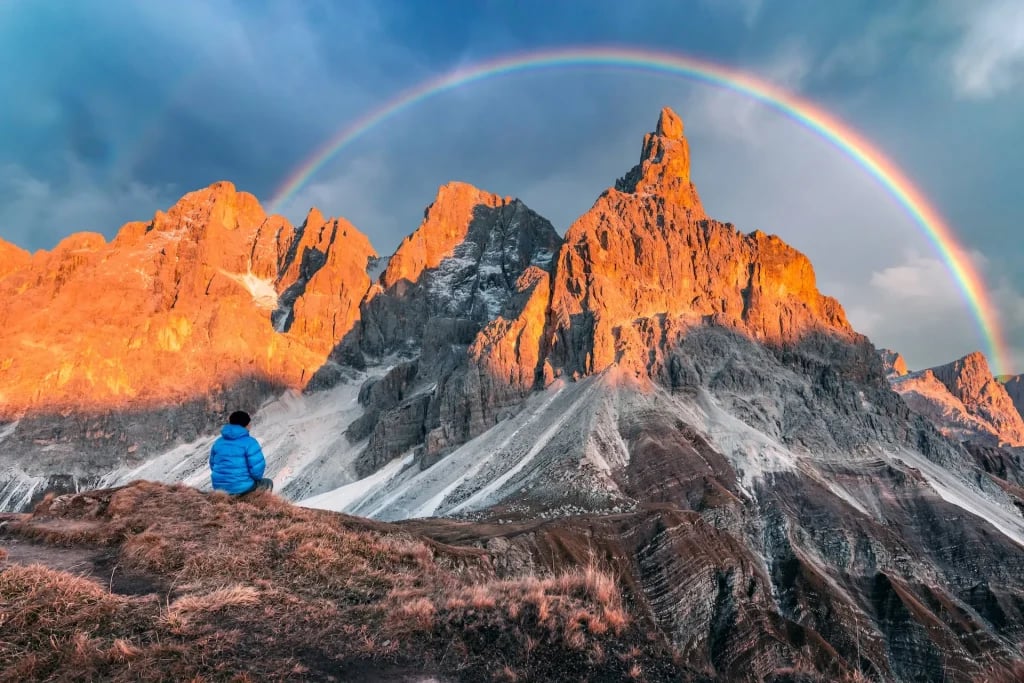
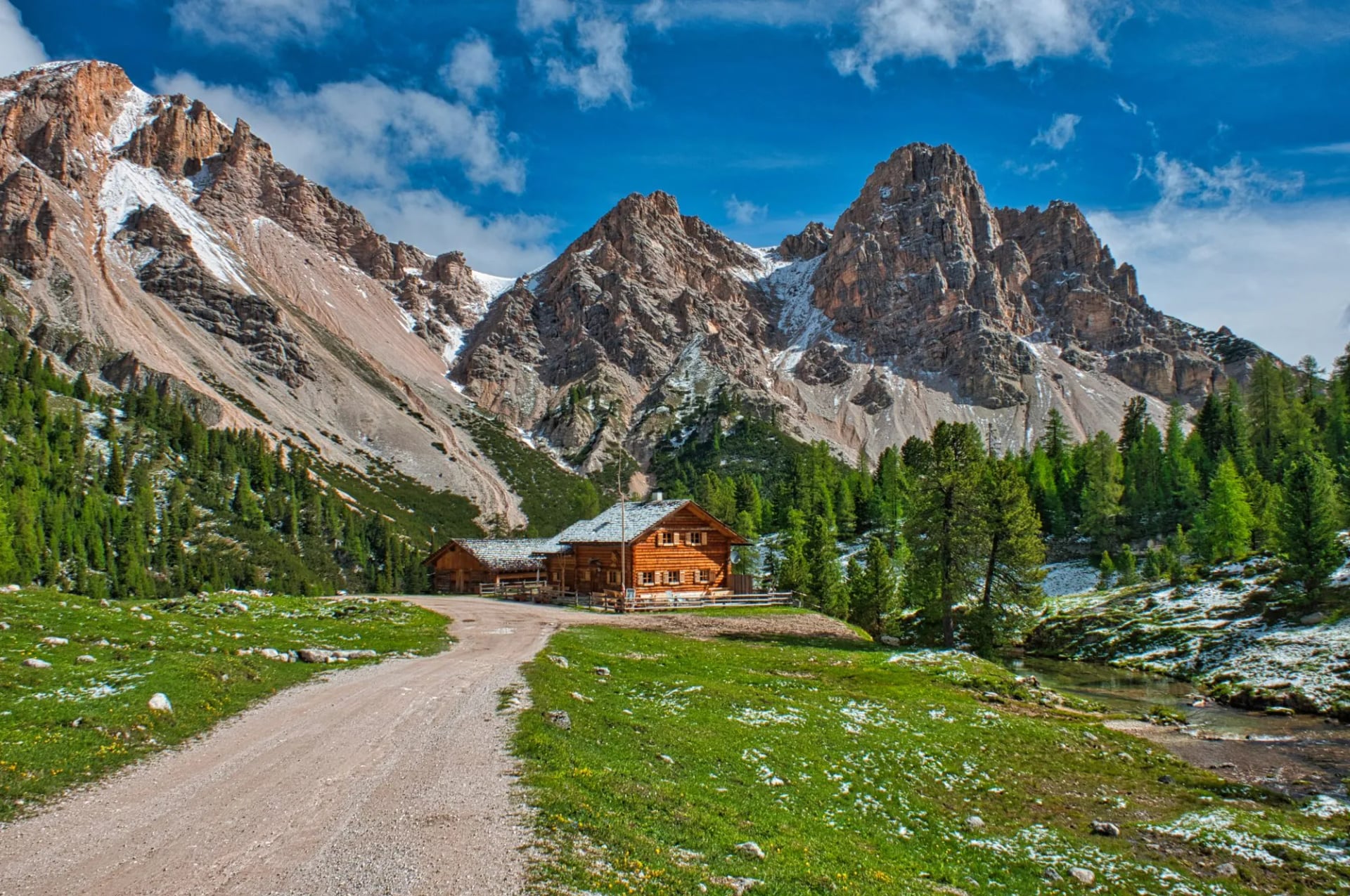
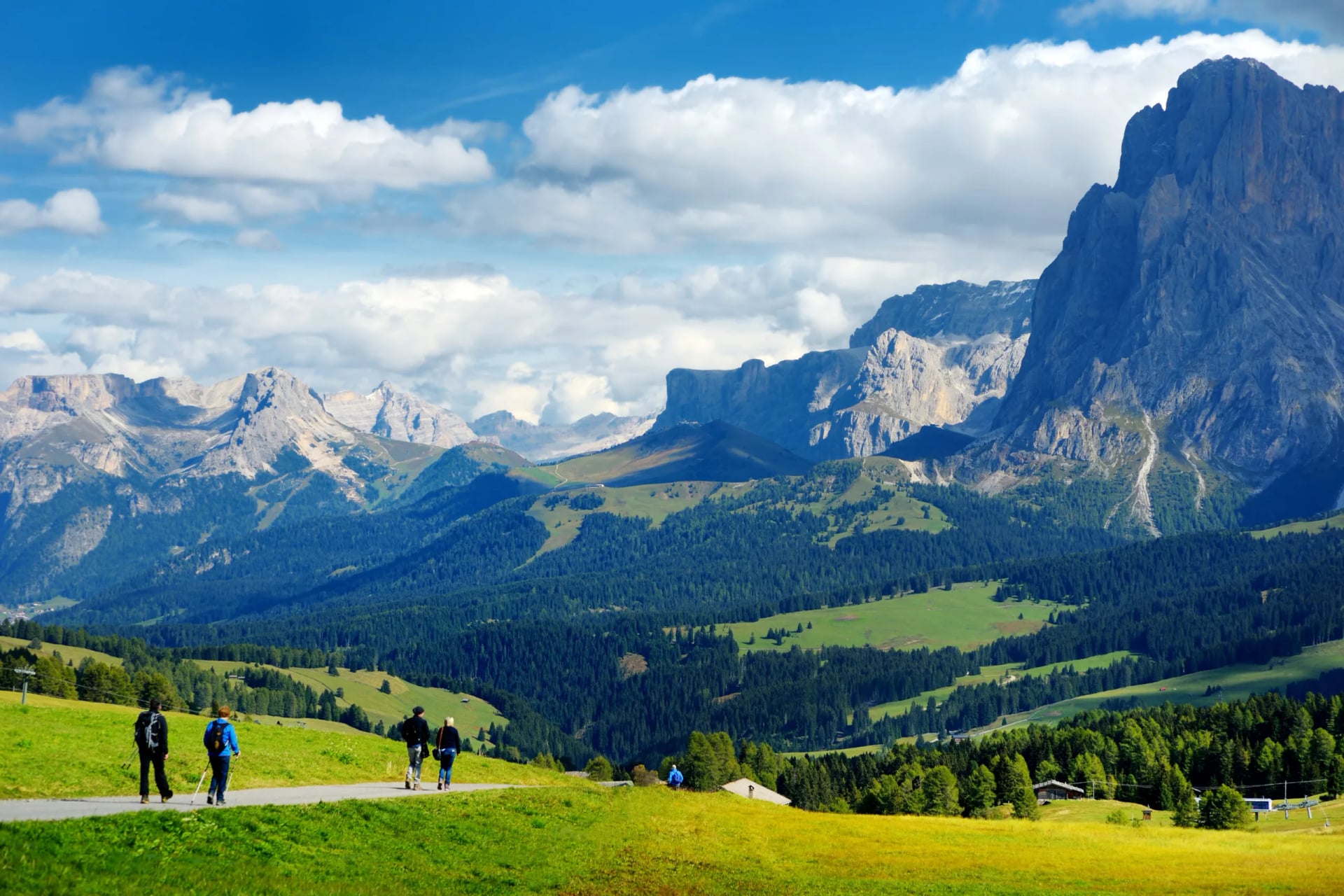
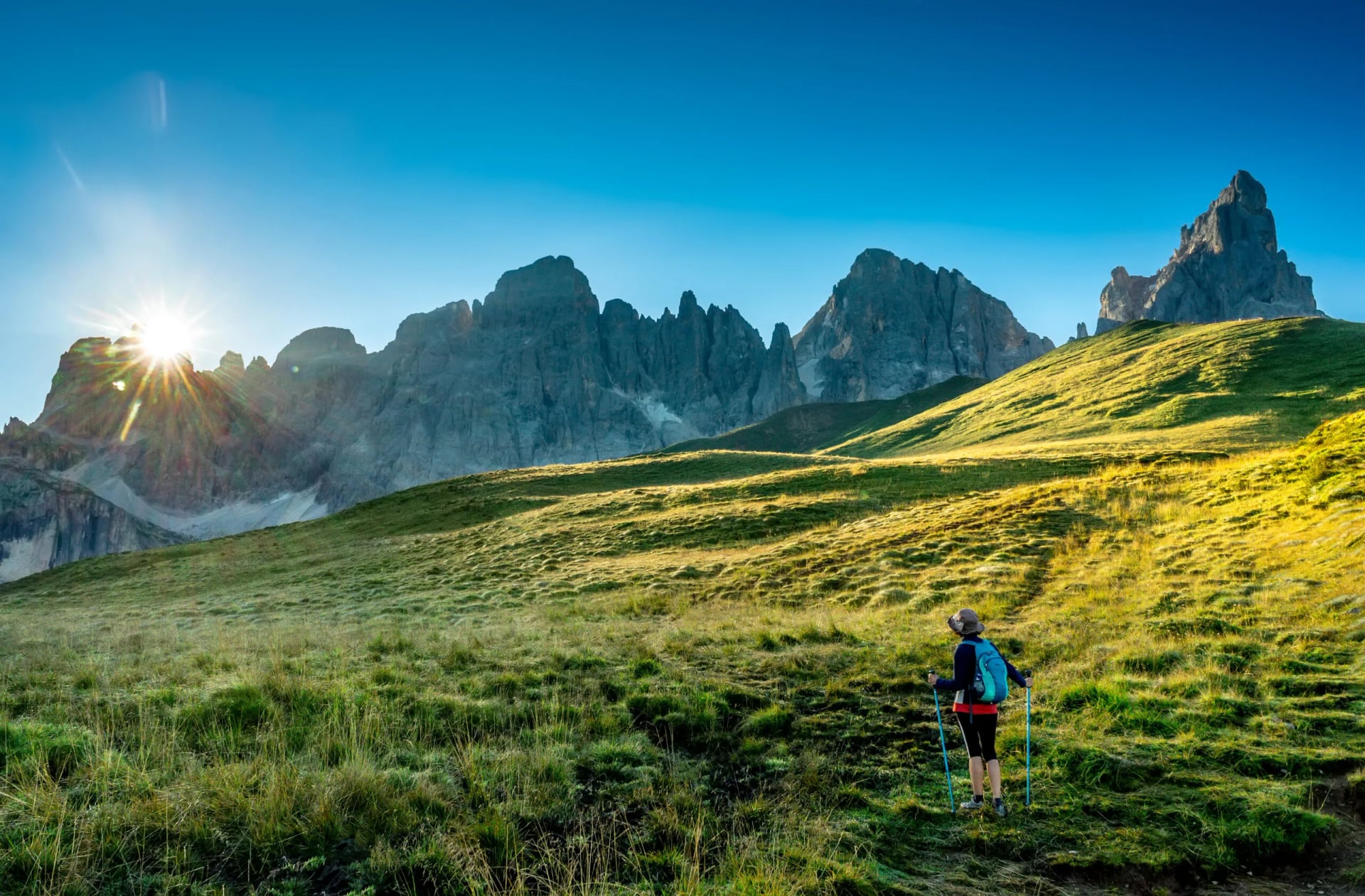
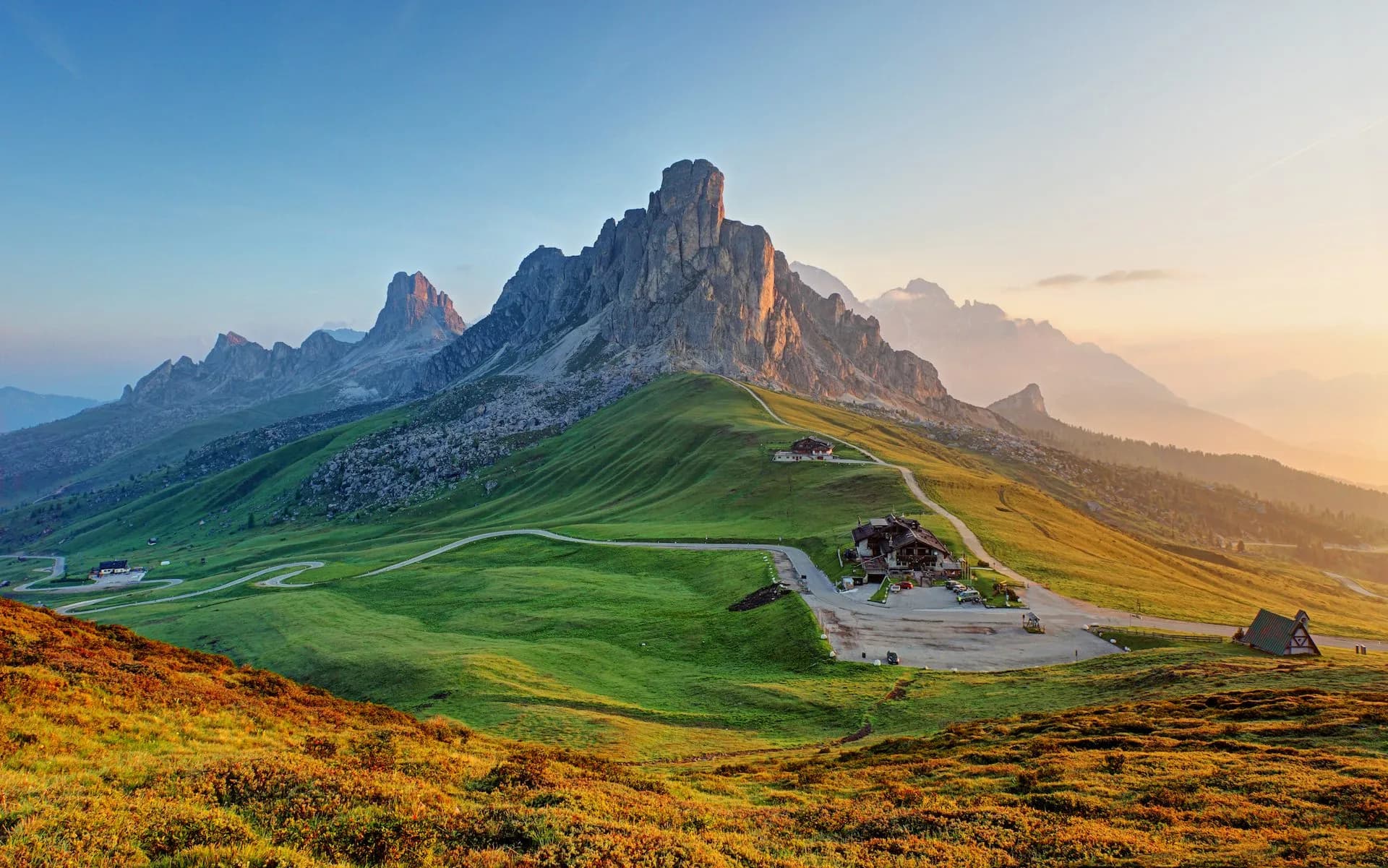
These mountains were formed over 250 million years, creating jagged cliffs and dramatic spires that are unlike anything you’ll find elsewhere. Whether you’re a beginner or an experienced hiker, the Dolomites offer trails that cater to all levels.
It’s a place where nature and culture come together to create the ultimate hiking experience.
The Dolomites’ Mountain Groups
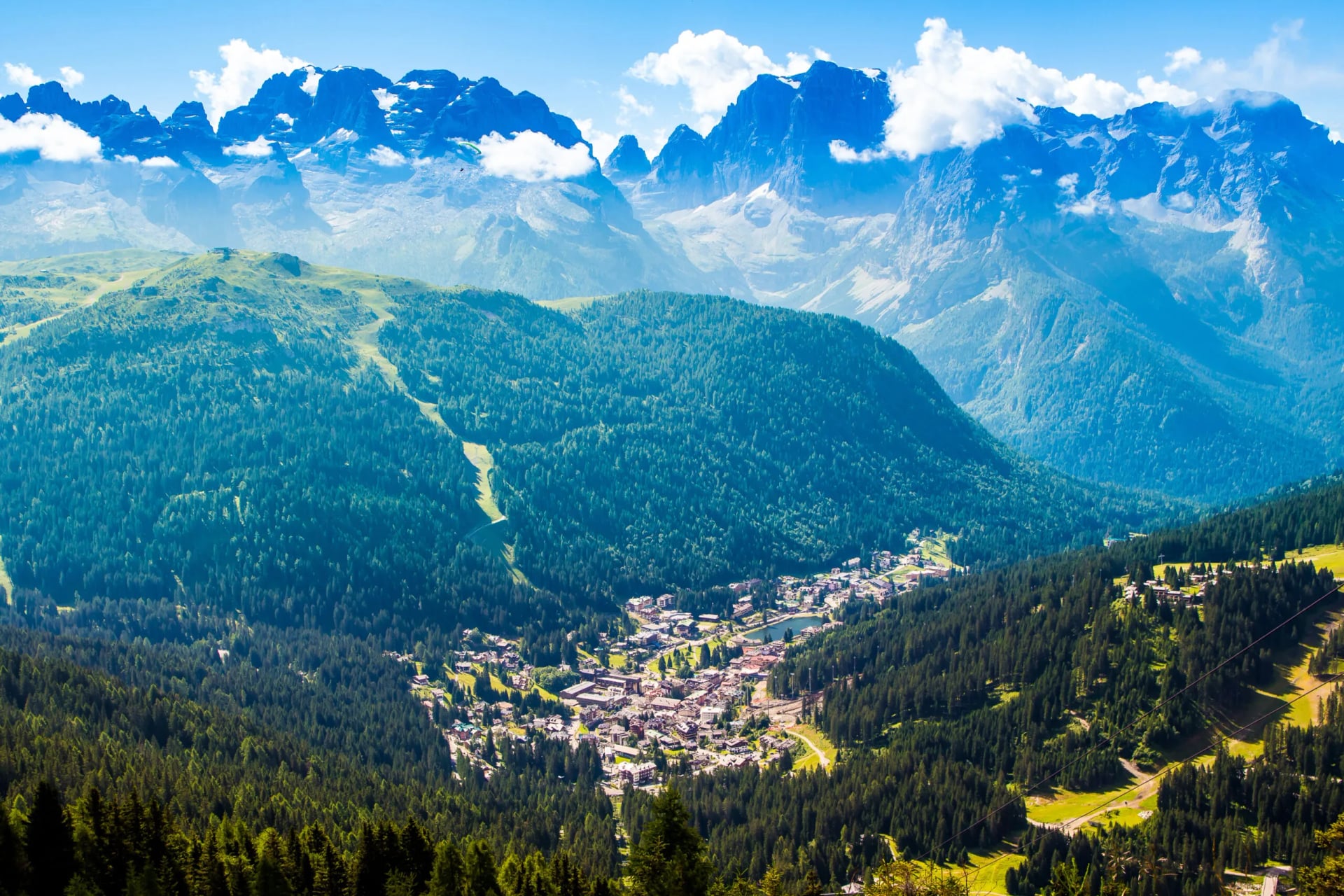
Nestled in the heart of northern Italy, these mountains span across the provinces of South Tyrol, Trentino, and Belluno, offering hikers a diverse and awe-inspiring landscape.
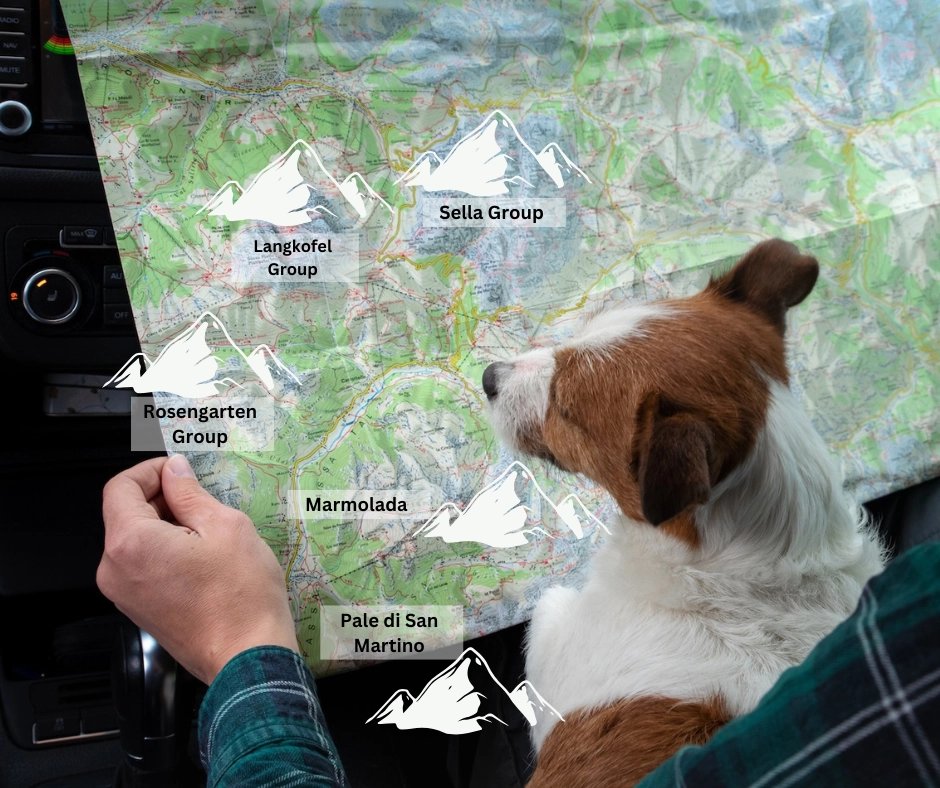
But before we dive in the specific highlight of the mountains, it’s important to understand that the Dolomites are not just a singular mountain range, but a collection of 15 to 26 different mountain groups (depending on the classification system used), each with its own unique character and charm.
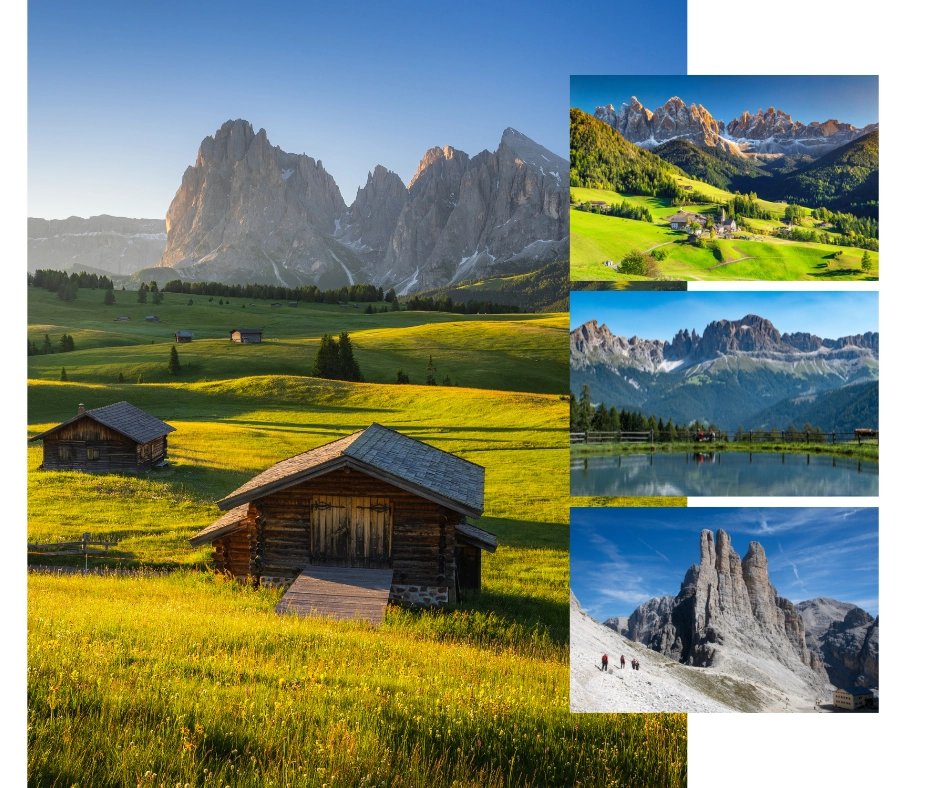
1. Rosengarten (Catinaccio) Group
Known for its stunning pink-hued limestone peaks that glow at sunset, the Rosengarten Group is a hiker’s paradise, especially for those looking to combine beauty and challenge.
Perfect for: Intermediate to advanced hikers
Highlights: The Vajolet Towers, breathtaking panoramic views, and the famous sunset glow. Hikers often think of the iconic sharp ridges and colorful rock formations that light up in the late afternoon sun
What Makes It Stand Out: Its dramatic rock spires and extensive via ferrata options make it one of the most visually striking areas in the Dolomites
2. Marmolada Group
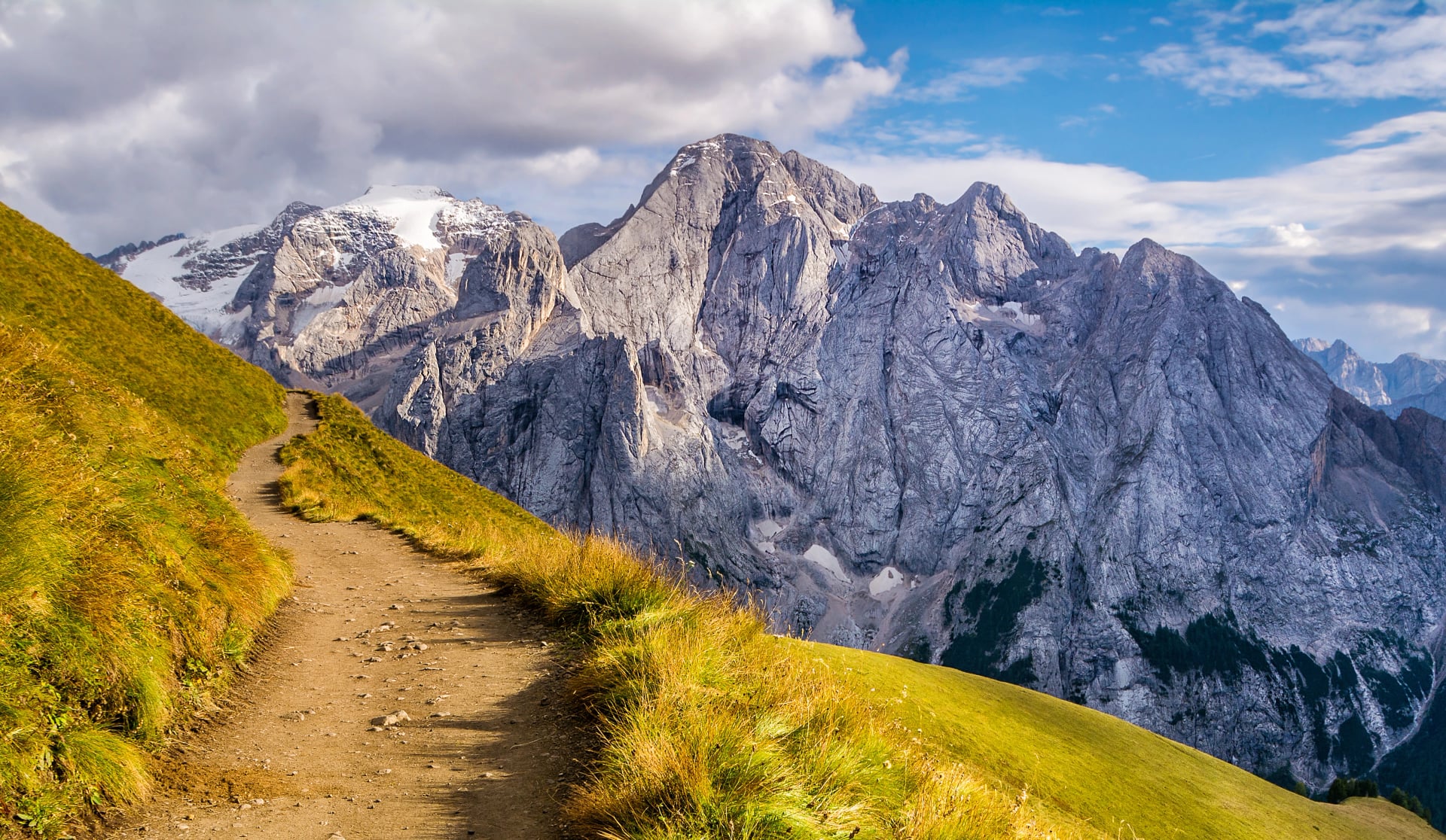
Often called the “Queen of the Dolomites,” Marmolada is the highest peak in the range, towering at 3,344 meters. It’s famous for its glacier, the only significant one in the Dolomites, making it a must-see for mountaineers.
Perfect for: Intermediate to advanced hikers and climbers, as well as those seeking a true alpine challenge
Highlights: The Marmolada Glacier, panoramic hiking routes like the Viel di Pan, and stunning views of the surrounding peaks
What Makes It Stand Out: Its high altitude and glacier, combined with a unique blend of skiing and hiking, make Marmolada a bucket-list destination for serious outdoor enthusiasts
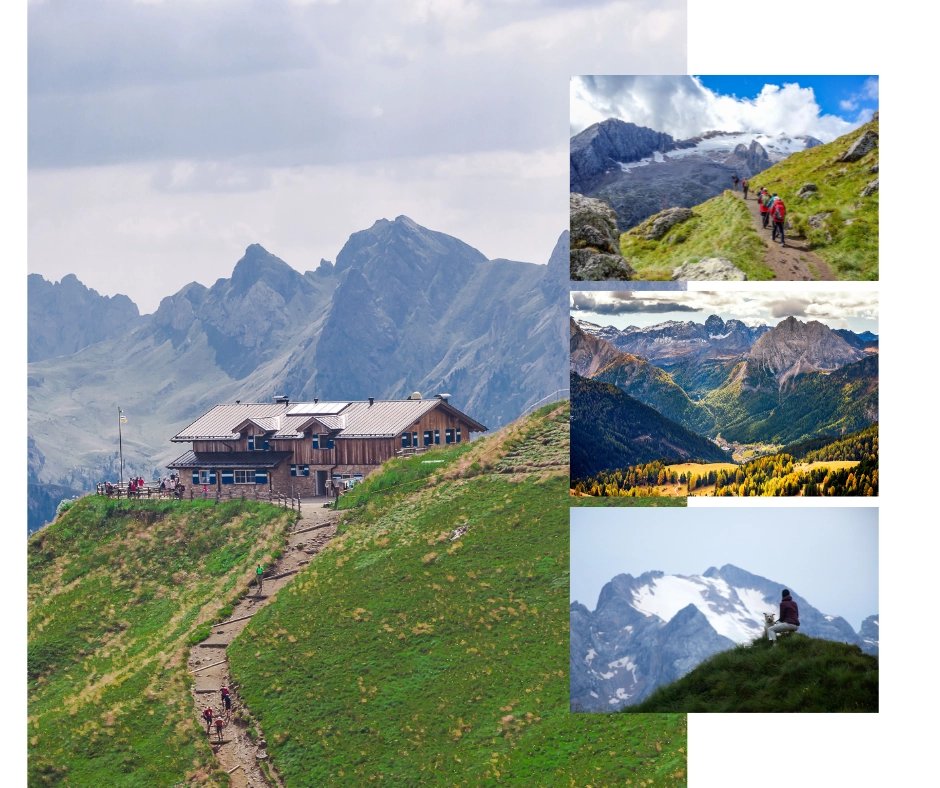
3. Sella Group
This massive plateau is surrounded by four valleys and offers some of the best hiking in the Dolomites, with well-known trails and views of impressive rock formations.
Perfect for: All levels—family-friendly hikes, as well as more challenging routes for seasoned hikers
Highlights: The famous Sella Ronda ski circuit in winter, the Sella Towers, and at 3,152 meters the highest peak, Piz Boè, which offers stunning panoramic views
What Makes It Stand Out: The Sella Group is particularly popular for its accessibility—hikers of all abilities can enjoy it, and it’s a great place for both summer and winter outdoor activities
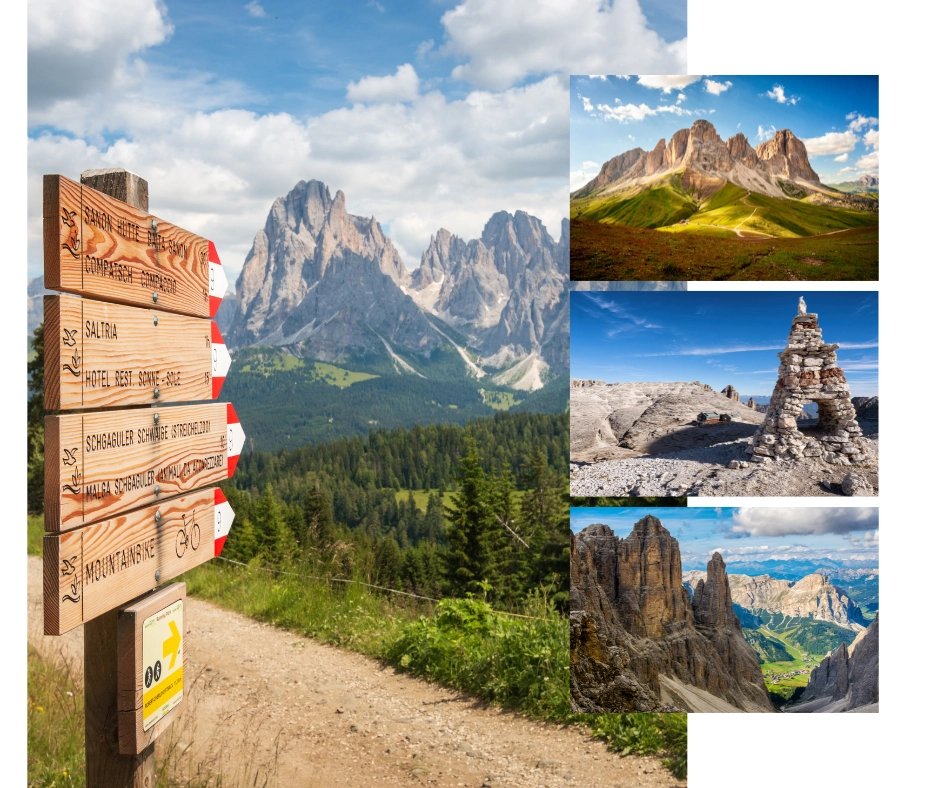
4. Sesto (Sexten) Dolomites Group
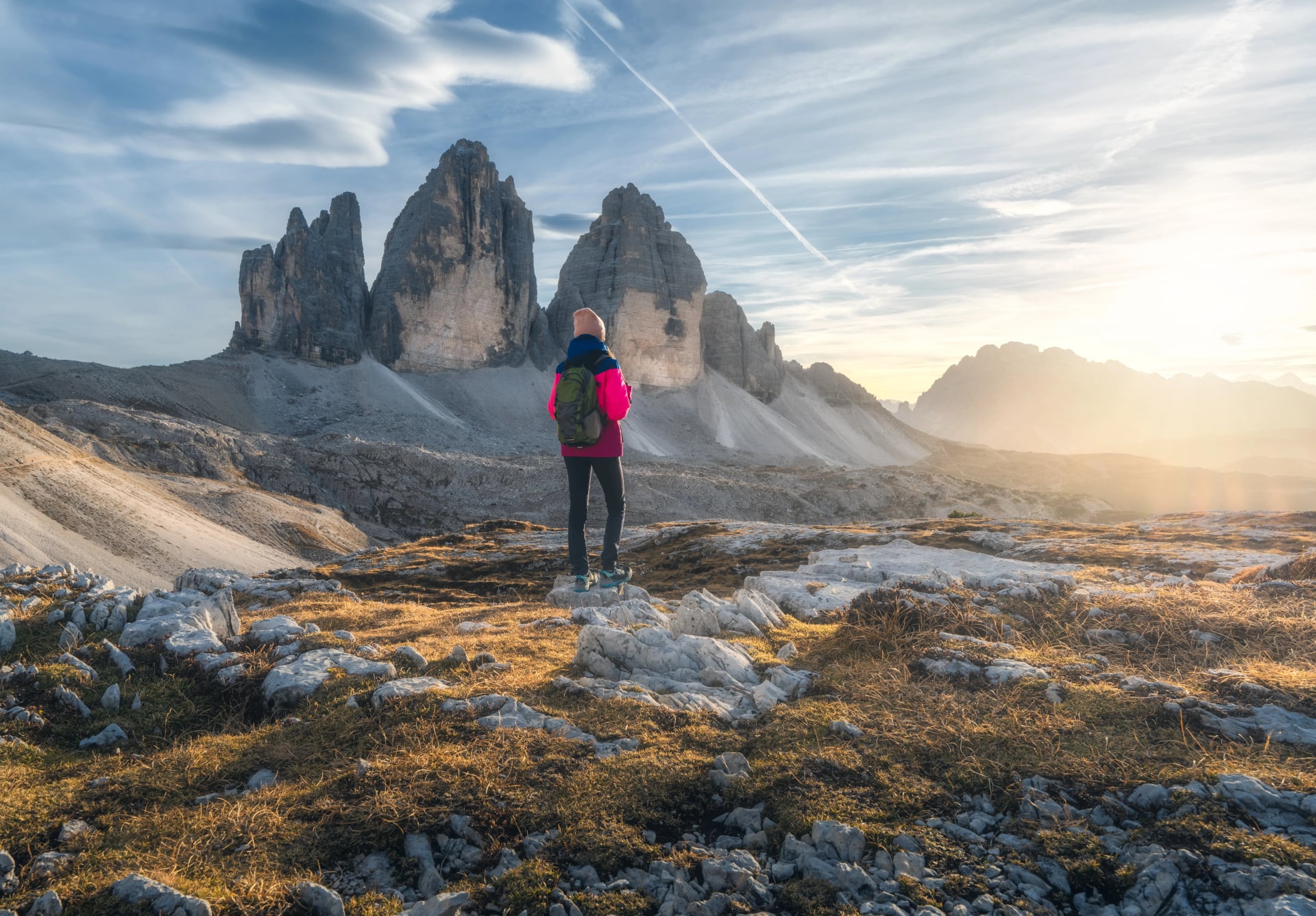
Famous for its rugged beauty and iconic peaks, including the world-renowned Tre Cime di Lavaredo, the Sesto Dolomites offer a mix of stunning landscapes, historical significance, and outdoor adventure.
Perfect for: All types of hikers, including families, beginners, and experienced trekkers
Highlights: The Tre Cime di Lavaredo, Rifugio Locatelli, historical WWI trails and tunnels, and pristine alpine lakes
What Makes It Stand Out: The Tre Cime are the face of the Dolomites, and the area offers one of the most popular and accessible hiking routes in the region. It’s famous for its jaw-dropping beauty and easy access, making it a must-see for many hikers
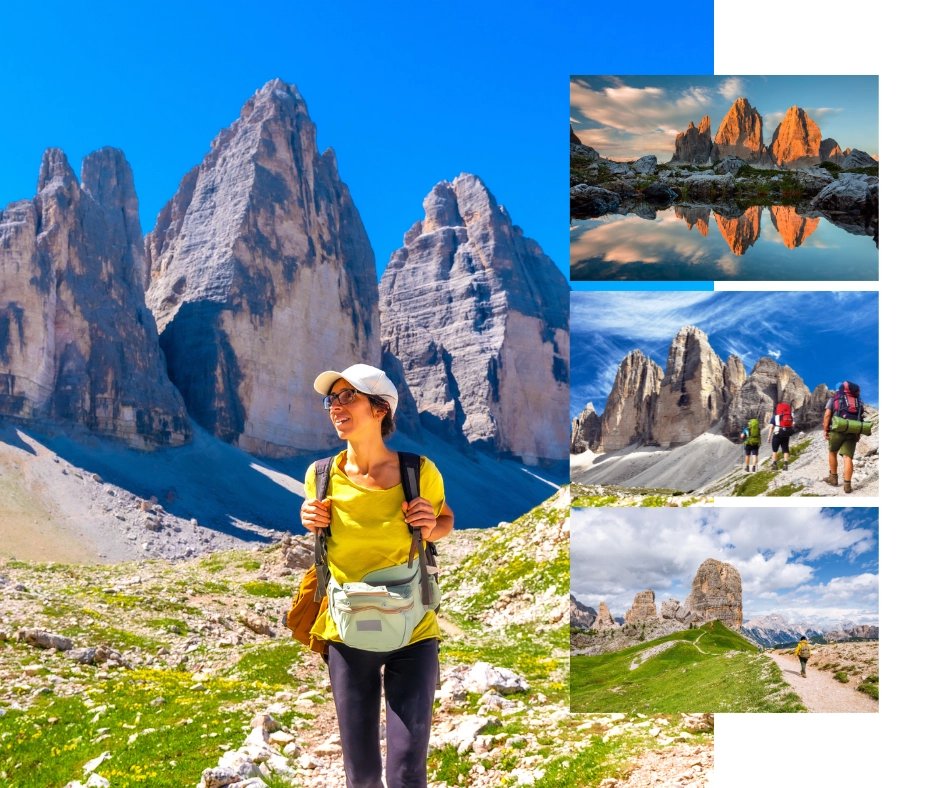
5. Sassolungo (Langkofel) Group
Dominated by the striking Sassolungo peak, this area offers fantastic hiking trails that showcase the best of the Dolomites’ diverse landscape.
Who Will Love It: Great for intermediate hikers looking for a solid challenge and stunning views without extreme terrain
Highlights: The Sassolungo Circuit, close-up views of towering rock faces, and scenic routes with views of surrounding valleys
What Makes It Stand Out: The Sassolungo Group is known for its towering peaks and wide range of trails, perfect for hikers who want to experience both rocky summits and lush valleys
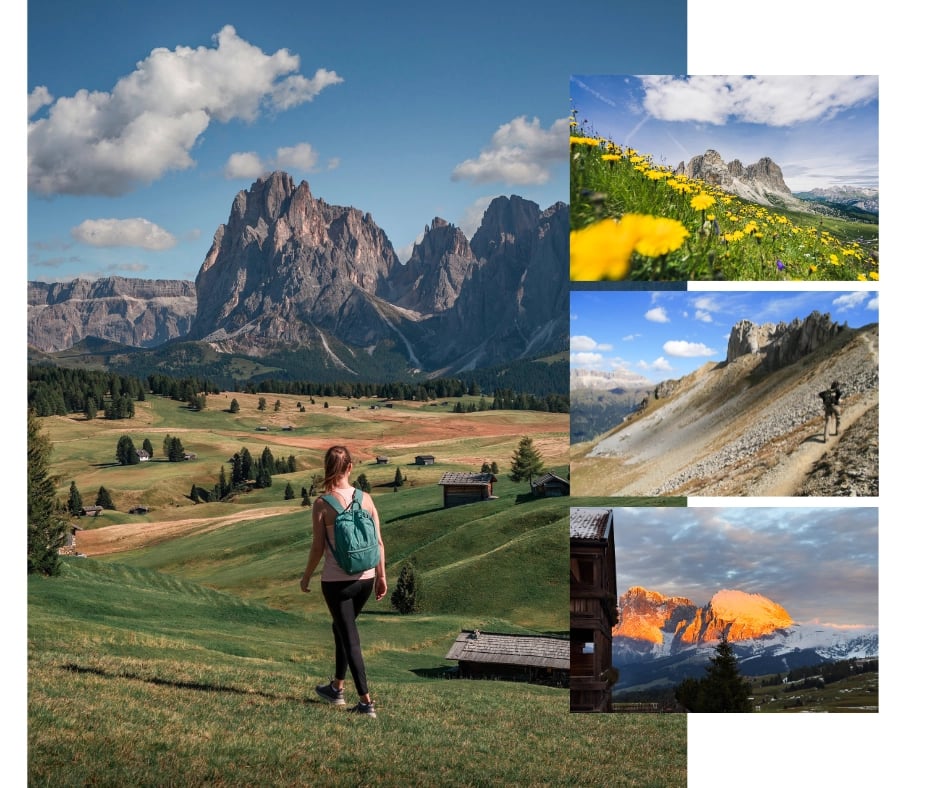
6. Pale di San Martino Group
A rugged and dramatic area in the eastern Dolomites, Pale di San Martino is famous for its wild, untouched landscapes.
Perfect for: Experienced hikers and adventurers who enjoy rough terrain and exploring remote areas
Highlights: Cima della Vezzana, the Sentiero delle Leggende trail, and some of the most rugged and remote hiking in the Dolomites
What Makes It Stand Out: Its less-crowded, remote feel gives it a more adventurous, off-the-beaten-path vibe, with steep climbs and views of dramatic rock formations
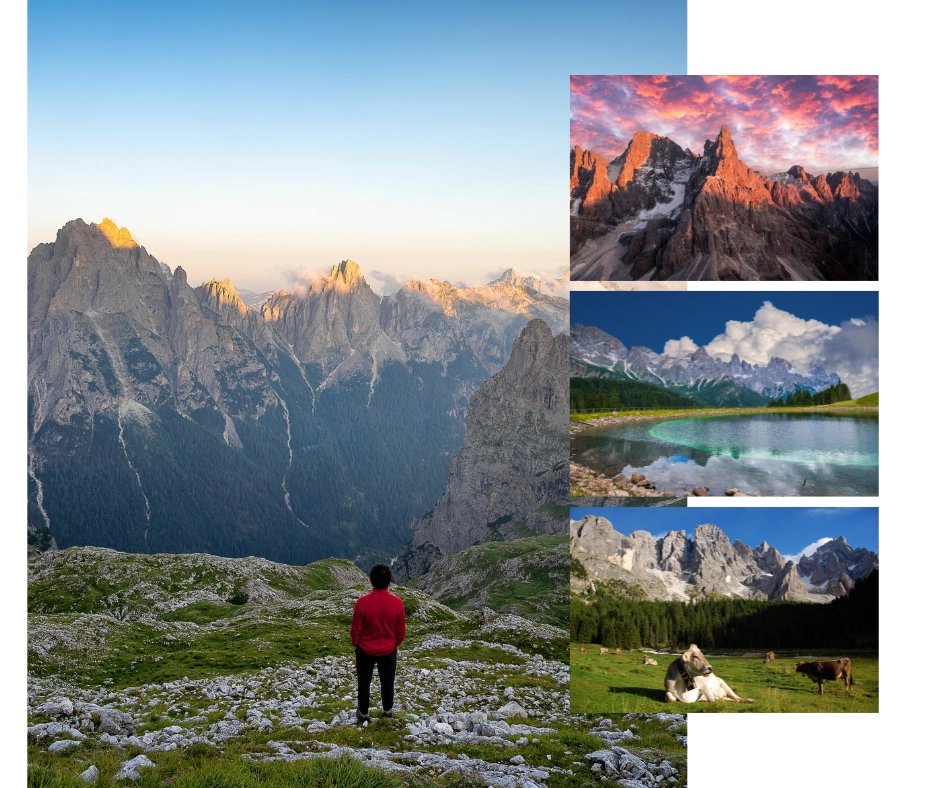
UNESCO World Heritage status
The Dolomites are known for their distinct limestone formations, shaped over 250 million years, which make them unlike any other mountain range in the world. The combination of sheer cliffs, spires, and sweeping valleys creates a landscape of exceptional beauty, which has captivated adventurers, artists, and nature lovers for generations.
In 2009, these mountains were designated as a UNESCO World Heritage site, highlighting their outstanding universal value. This prestigious recognition isn’t just for their dramatic beauty; it acknowledges the unique geological and ecological importance of the region, and helps preserving this fragile environment for future generations.
From the varied wildlife that inhabits the mountains to the rare alpine ecosystems, hiking here offers more than just stunning views—it’s a chance to witness one of the most biodiverse mountain ranges on Earth.
This status also helps to ensure the preservation of the Dolomites’ cultural heritage. The region’s rich history, from the Ladin culture to the remnants of World War I trenches, is woven into the fabric of the Dolomites.
Hiking in this area is therefore not just a journey through nature – it’s truly a step into the heart of history and culture that has shaped this magnificent landscape.
Top 6 Best Hikes in the Dolomites
The Dolomites offer some of the most iconic and scenic hut-to-hut trails in the world, allowing hikers to experience the region’s beauty up close while staying in traditional rifugi (mountain huts).
Dolomites Hiking Map
Here are some of the most popular hut-to-hut trails in the Dolomites that you can see on the map:
1. Alta Via 1
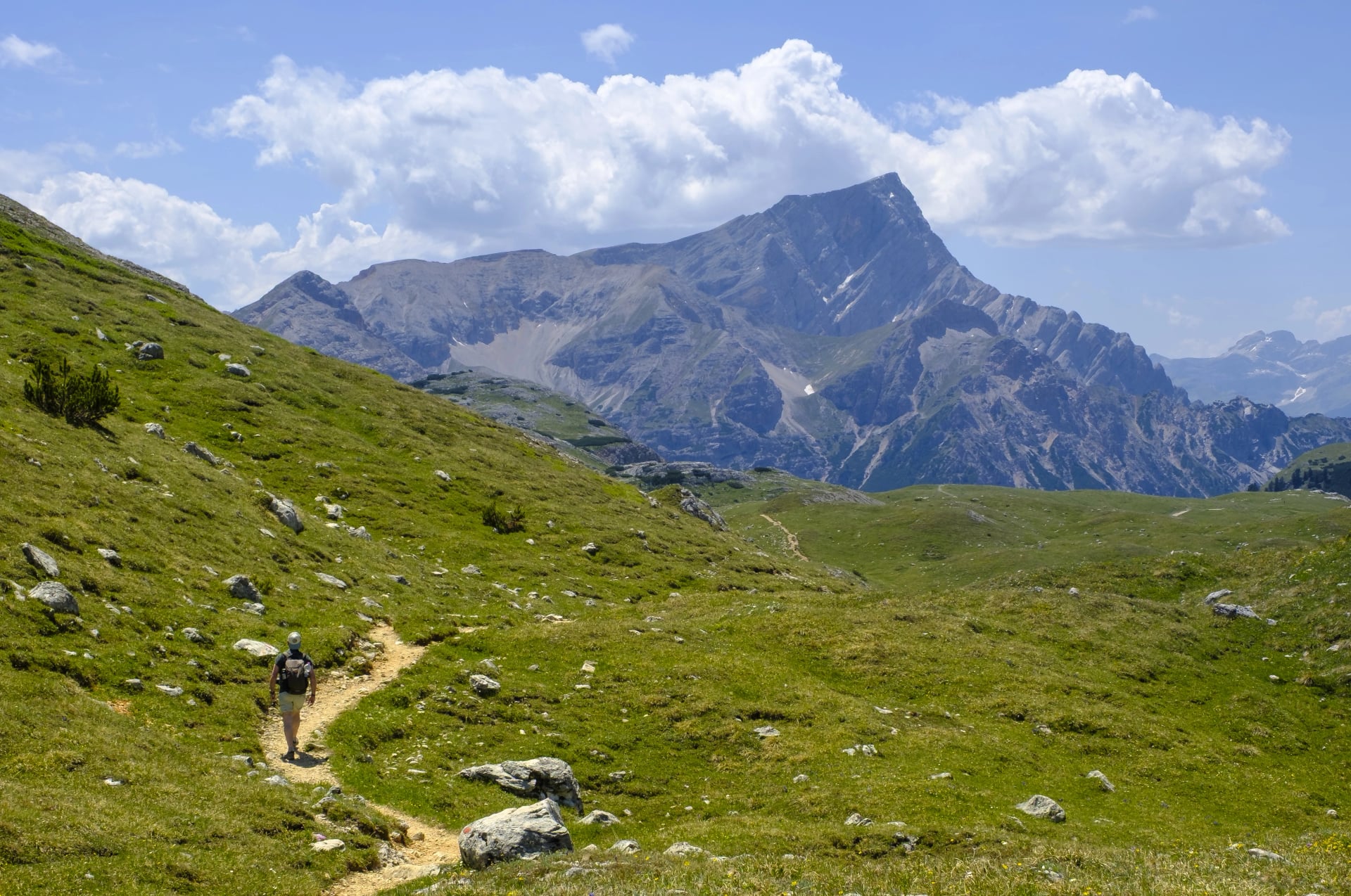
Quick Facts
Distance: 120 km
Duration: 8–12 days
Difficulty: Moderate (sustained daily elevation, but technically non-demanding)
Best For: Hikers seeking the quintessential Dolomites trek with unforgettable rifugio stays
Highlights
The iconic Lago di Braies trailhead
Panoramic traverses beneath Tofane, Croda da Lago, and Civetta
Cozy rifugios offering warm meals and mountain charm
Quiet sections through high-altitude meadows and pristine valleys
Why This Hike?
Alta Via 1 offers the perfect balance of accessibility, dramatic scenery, and well-marked trekking routes, making it ideal for first-time long-distance hikers in the Dolomites. The trail avoids technical climbing but still delivers high-mountain excitement.
Still deciding? Need more info? Get the most out of this tour with our ultimate Alta Via 1 guide.
Pro Tip: Best Rifugio Map
When on the Alta Via 1- consider staying in one of these huts.
2. Seiser Alm Highlights
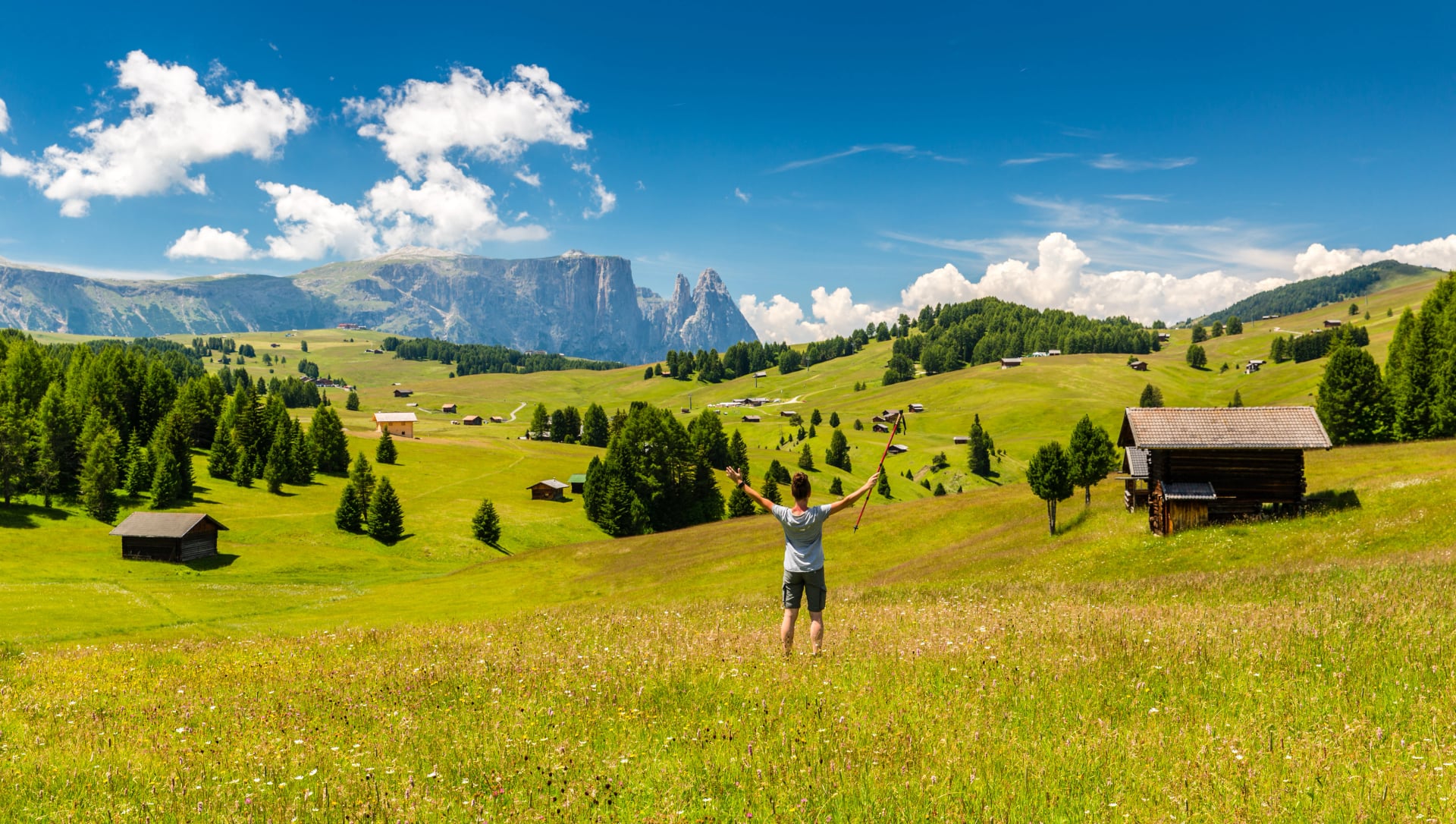
Quick Facts
Distance: ~120km in total (depending on hut selection)
Time Needed: 10-12 days
Difficulty: Easy–Moderate
Style: Multi-day hut-to-hut trek across meadows, ridges & alpine passes
Highlights
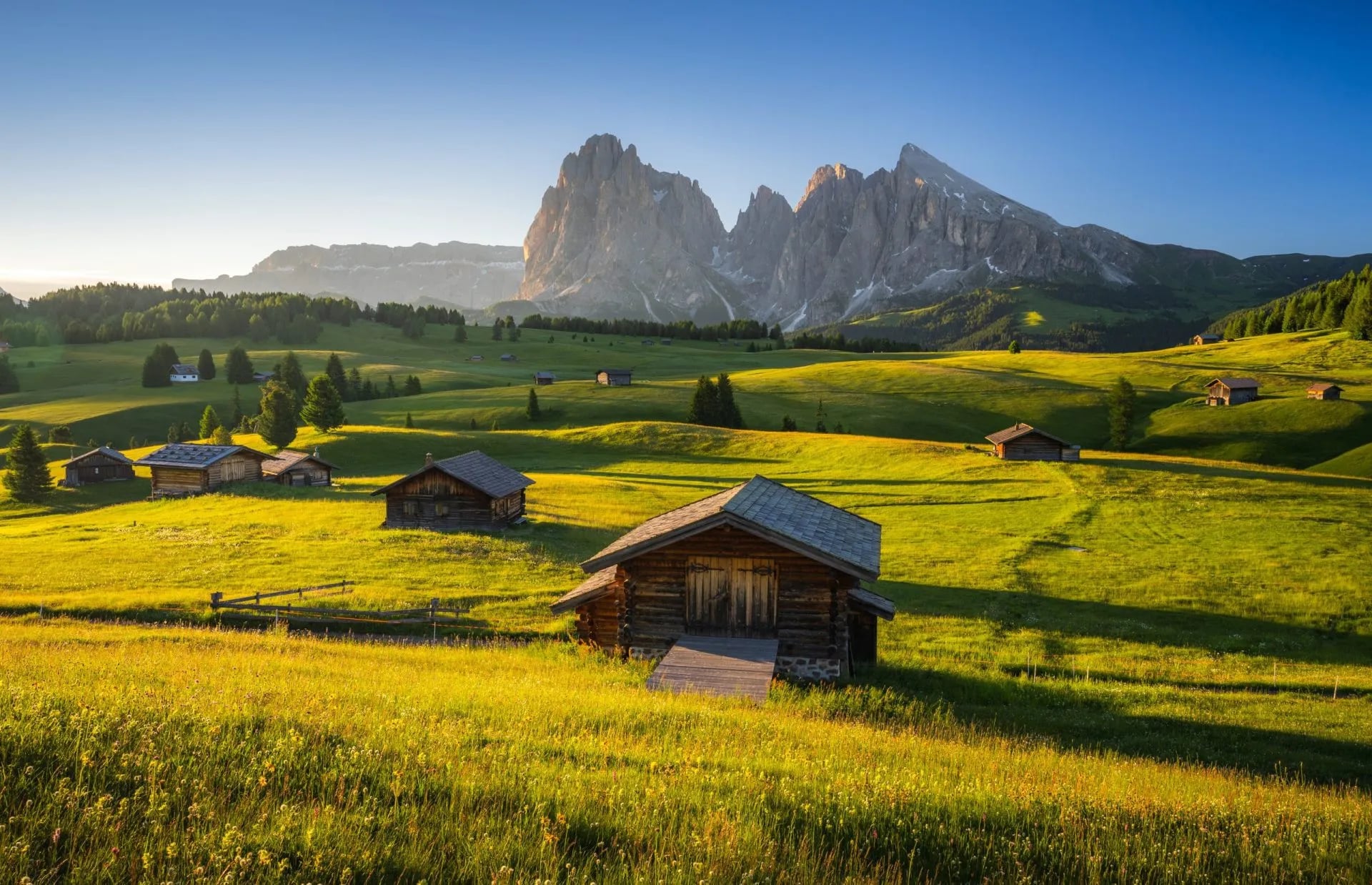
Panoramic crossings of the Alpe di Siusi, the largest high-alpine meadow in Europe
Dramatic views of Sassolungo, Sciliar, Catinaccio/Rosengarten
Varied terrain: gentle pasture paths, balcony trails, rocky ascents
Atmospheric rifugios with excellent food and sunrise views
Option to extend into the full Schlern–Rosengarten traverse
Why This Hike?
This trek is ideal for hikers who want a multi-day Dolomites route that combines easy access with world-class alpine scenery. It features a perfect progression: soft meadow trails on day one, panoramic ridges on the following days, and increasingly dramatic landscapes as you move toward the Rosengarten. The well-connected hut system makes the logistics smooth, while the scenery delivers a highlight every single day.
3. Seiser Alm & Schlern-Rosengarten Hike
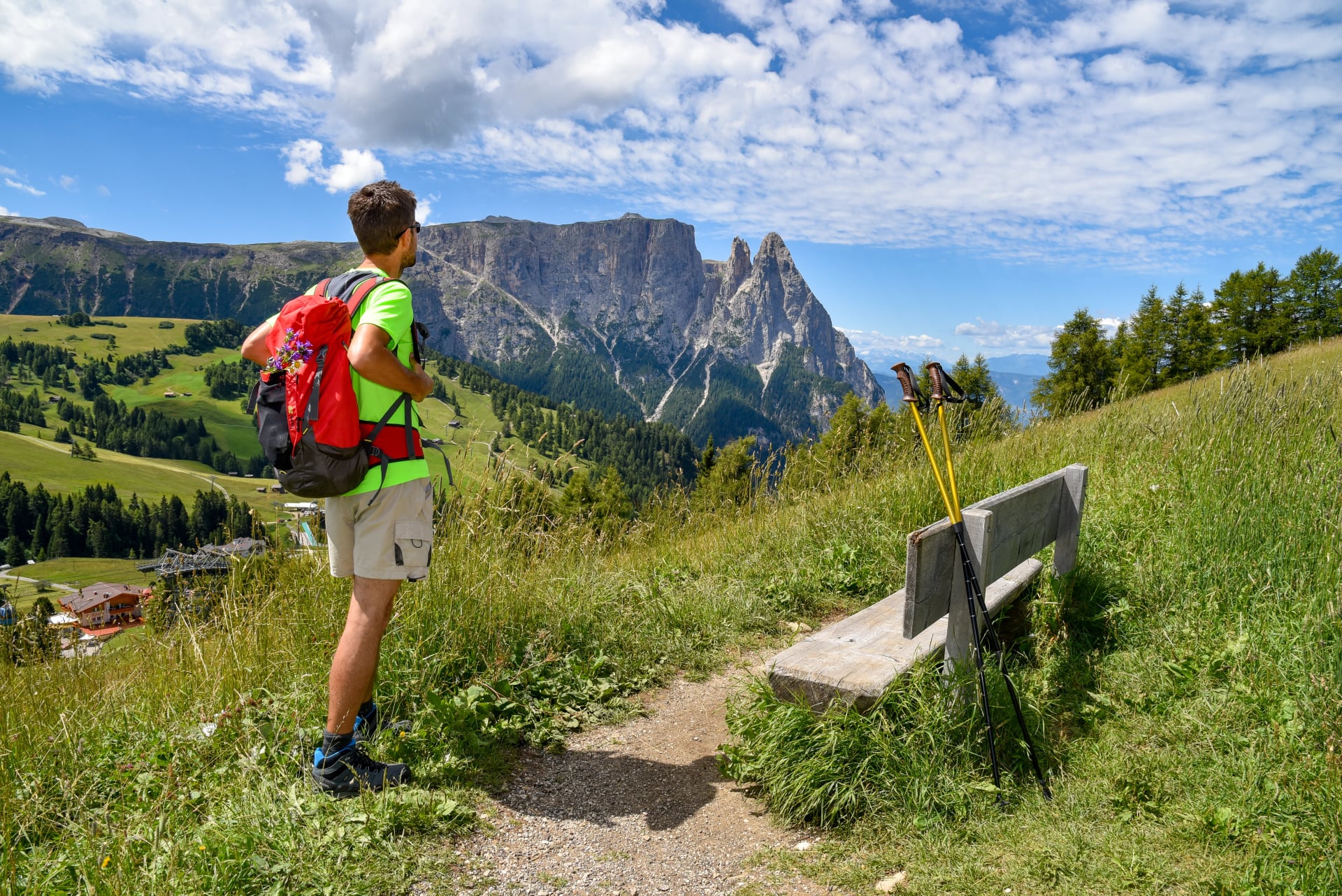
Quick Facts
Distance: ~45–55 km
Time Needed: 5–7 days
Difficulty: Moderate
Style: Scenic hut-to-hut traverse
Highlights
Wide-open alpine meadows of the Seiser Alm
Ascent onto the dramatic Schlern plateau
High-mountain terrain inside the Rosengarten / Catinaccio
Sunrise and sunset views from atmospheric rifugios
Why This Hike?
This trek offers a perfect blend of easy meadow walking and more dramatic mountain terrain. With reliable huts, clear trails, and varied scenery every day, it’s a rewarding multi-day Dolomites route without technical difficulty.
4. Pale di San Martino Traverse
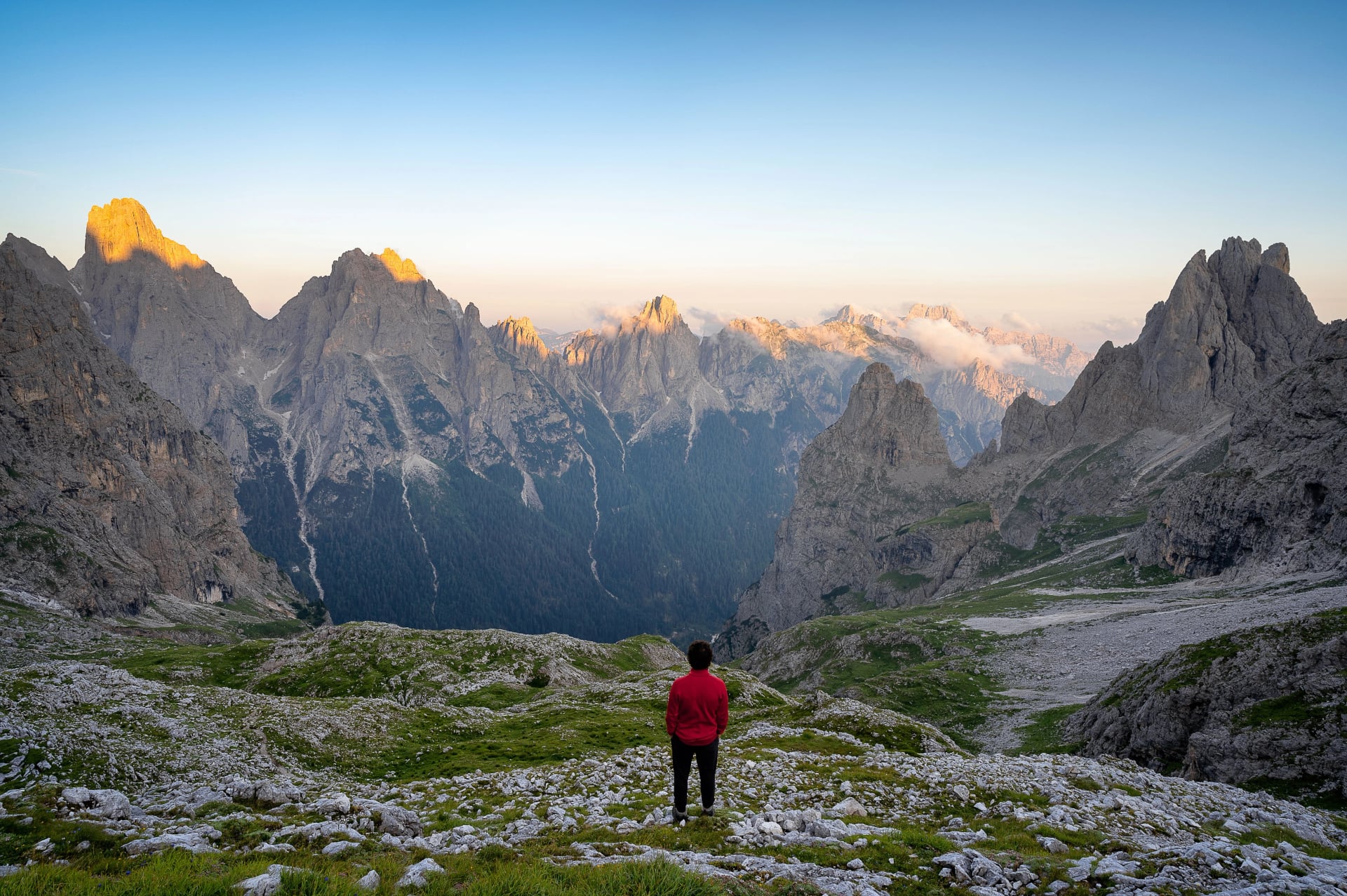
Quick Facts
Distance: ~40–55 km
Time Needed: 5–6 days
Difficulty: Moderate–Challenging
Style: High-altitude hut-to-hut traverse
Highlights
The otherworldly Altopiano delle Pale
Sharp rock spires and wide panoramic ridges
Quiet, less-traveled sections with dramatic scenery
Welcoming rifugios positioned at key viewpoints
Why This Hike?
This traverse delivers some of the most striking landscapes in the Dolomites, combining long, open plateaus with steep rocky terrain. It’s ideal for hikers who want a wilder, more remote atmosphere without needing technical climbing experience.
5. Dolomites National Park Inn-to-Inn Hiking Tour
Quick Facts
Distance: ~35–45 km (depending on route variation)
Time Needed: 7–8 days
Difficulty: Easy–Moderate
Style: Inn-to-inn / hut-to-hut trek
Highlights
Varied terrain — from wooded valleys to open alpine meadows and ridgelines
Relaxed daily stages, perfect for a balanced pace
Comfortable stays in mountain inns or rifugios
Ideal for hikers seeking both ease and alpine scenery
Why This Hike?
This tour is perfect for hikers who want a relaxed yet rewarding trekking experience, with comfortable accommodations and moderate daily effort. It offers a gentle introduction to Dolomites multi-day hiking without sacrificing variety in scenery or alpine atmosphere.
6. Adamello-Brenta Nature Park Hiking Tour
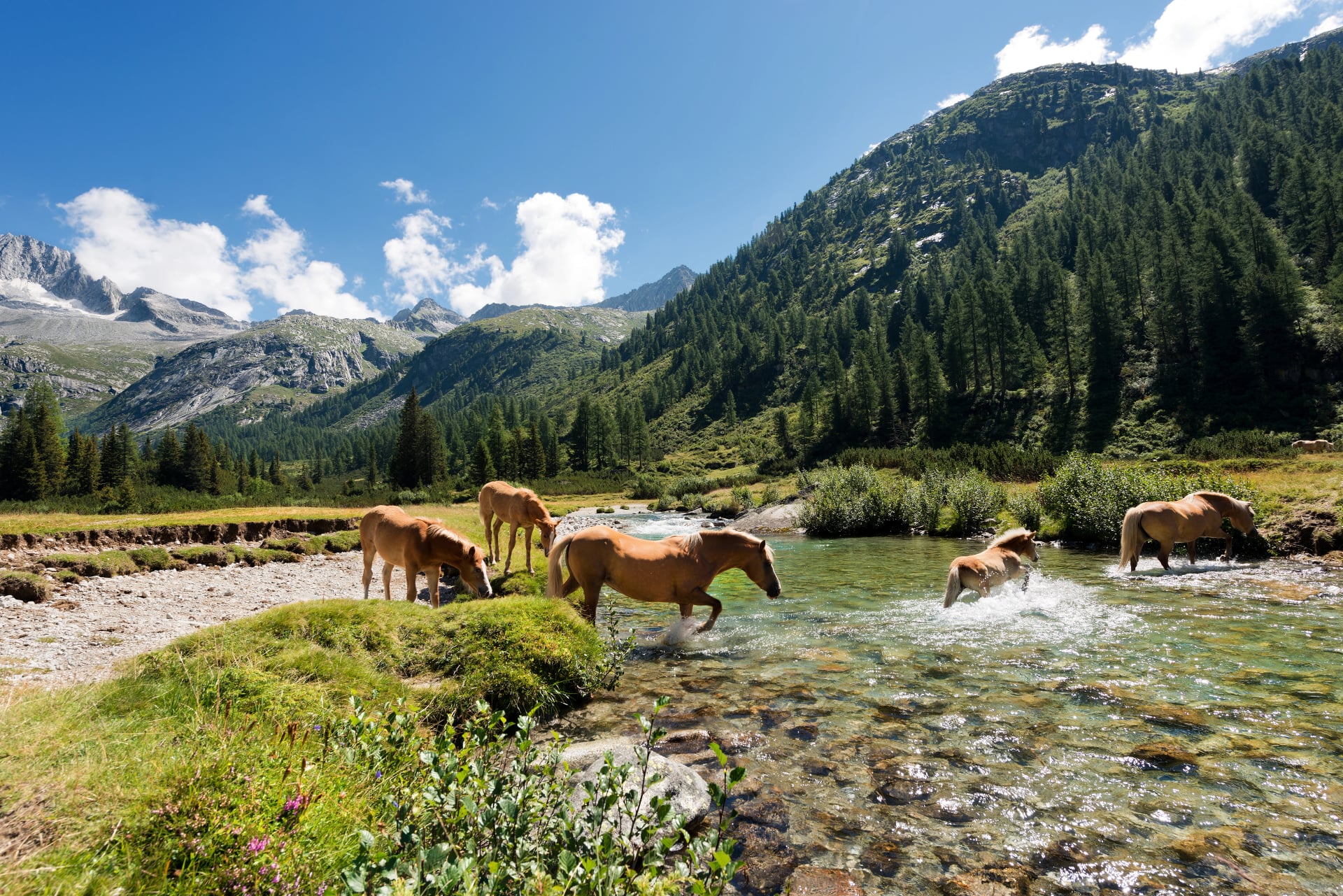
This multi-day trek in the Adamello‑Brenta Nature Park blends alpine lakes, forested valleys, and rugged mountain terrain — a wonderful mix of tranquil nature and classic mountain hiking. It’s a solid pick among the best Dolomites hikes (and nearby Alpine treks) for hikers wanting diverse scenery and well-managed logistics.
Quick Facts
Distance: ~40–50 km (depending on route variation)
Time Needed: 6-7 days
Difficulty: Moderate
Style: Hut-to-hut trek combining lakes, valleys and ridgelines
Highlights
Serene alpine lakes and forested valleys
Variety of landscapes — from gentle valley walks to mountain passes
Traditional huts offering warmth, local meals, and alpine hospitality
Balanced stages, making it suitable for hikers wanting moderate challenges with comfort
Why This Hike?
This tour delivers a diverse and accessible Alpine trekking experience with manageable effort and rich nature. Well-suited for those seeking a serene yet scenic hike, it combines comfort, natural beauty, and moderate challenge — ideal for both first-time hut-to-hut hikers and experienced trekkers looking for a relaxed pace.
Top 4 Trekking Routes in the Dolomites
These are the most iconic Dolomites trekking routes — longer, more committing, and perfect for hikers seeking classic multi-day scenery with a touch of alpine challenge.
1. Alta Via 2
Alta Via 2 is the more rugged counterpart to AV1, known for exposed sections, rocky passes, and dramatic wilderness. It’s one of the most demanding Dolomites treks, recommended for experienced hikers who want a challenge.
Quick Facts
Distance: ~160 km
Time Needed: 12–14 days
Difficulty: Challenging
Style: High-alpine hut-to-hut traverse
Why This Trek?
Steeper ascents, airy traverses, and long sections between huts make AV2 a serious undertaking — but the reward is unmatched high-mountain scenery and a strong sense of remoteness.
Experience this trek with us:
See more info about this path in our ultimate Alta Via 2 guide.
2. Alta Via 4
Alta Via 4 is a compact but adventurous trek connecting some of the most dramatic peaks in the eastern Dolomites. It includes via ferrata sections, making it ideal for confident hikers looking for something steeper than AV1 or AV2.
Quick Facts
Distance: ~85 km
Time Needed: 6–8 days
Difficulty: Challenging (via ferrata)
Style: Hut-to-hut trek with technical segments
Why This Trek?
A mix of short stages, sharp ridgelines, ladders, and cables makes AV4 an unforgettable, adrenaline-filled route. The scenery is outstanding throughout.
3. Palaronda Trek
The Palaronda Trek traverses the Pale di San Martino group via airy balconies, high plateaus, and rugged peaks. It’s a compact, scenic journey through the “Dolomites’ moon landscape.”
Quick Facts
Distance: ~50–60 km
Time Needed: 4–6 days
Difficulty: Moderate–Challenging
Style: Hut-to-hut alpine loop or point-to-point
Why This Trek?
The route’s unique mix of barren stone plateaus and towering spires creates some of the most dramatic scenery anywhere in the Dolomites.
Most of Palaronda Trek stages are included in one of our tours:
4. Rosengarten Traverse
The Rosengarten (Catinaccio) Traverse connects a sequence of panoramic passes beneath one of the Dolomites’ most photogenic massifs. Perfect for hikers wanting a moderate, scenic, 5-7 day adventure.
Quick Facts
Distance: ~35–45 km
Time Needed: 5-7 days
Difficulty: Moderate
Style: Hut-to-hut along balcony paths & alpine passes
Why This Trek?
Iconic towers, fiery alpenglow, varied terrain, and well-spaced rifugios make this one of the most accessible classic treks in the Dolomites.
Experience it in full on our curated tour:
Navigating the trails
The trails in the Dolomites are well-established and meticulously maintained, however, understanding how to navigate them is key to having a safe and enjoyable adventure. Trail markings are clear, consistent, and vital for guiding you through the various routes, from easy strolls to challenging mountain treks. The markings are easy to follow, but it’s essential to recognize them to stay on track.
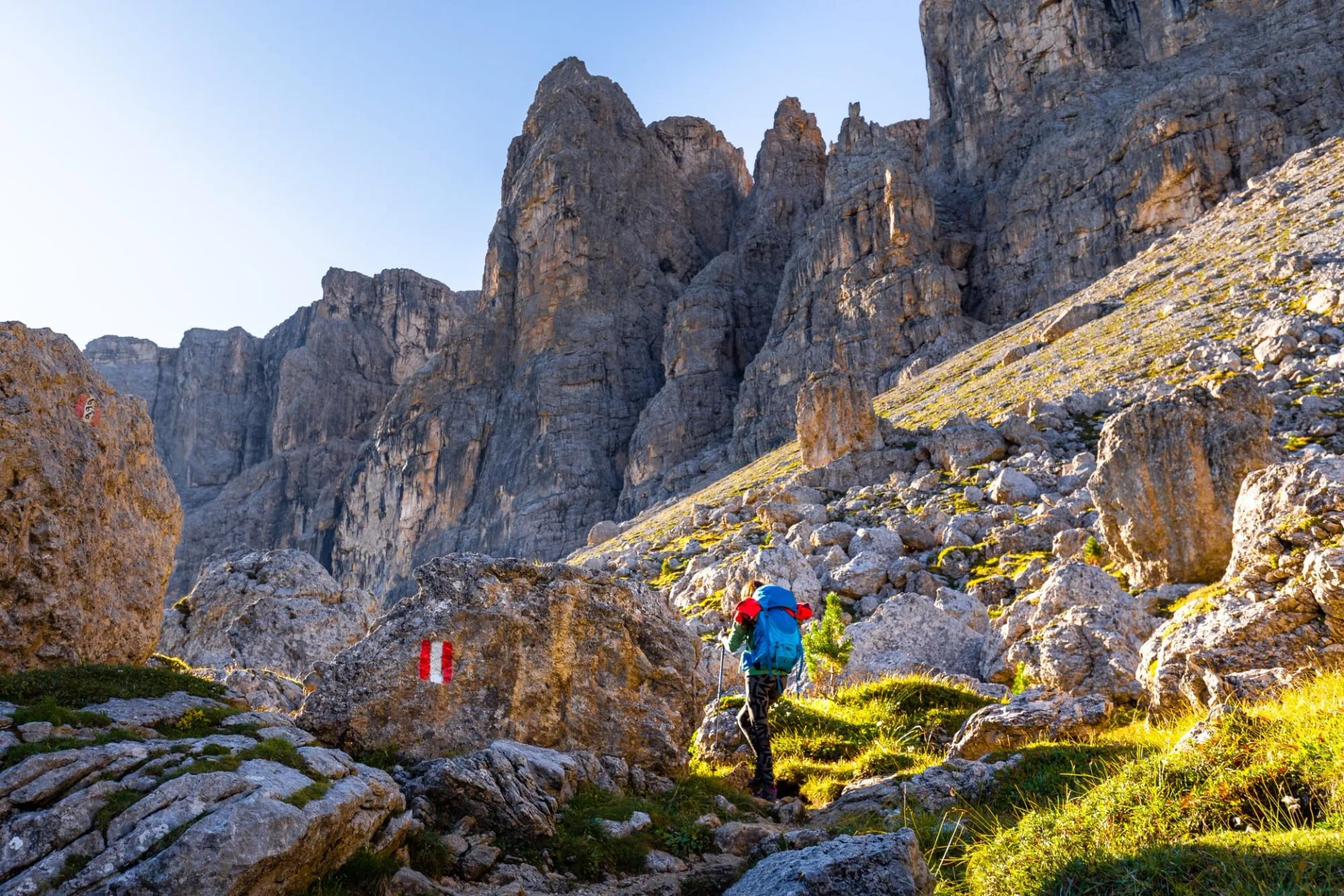
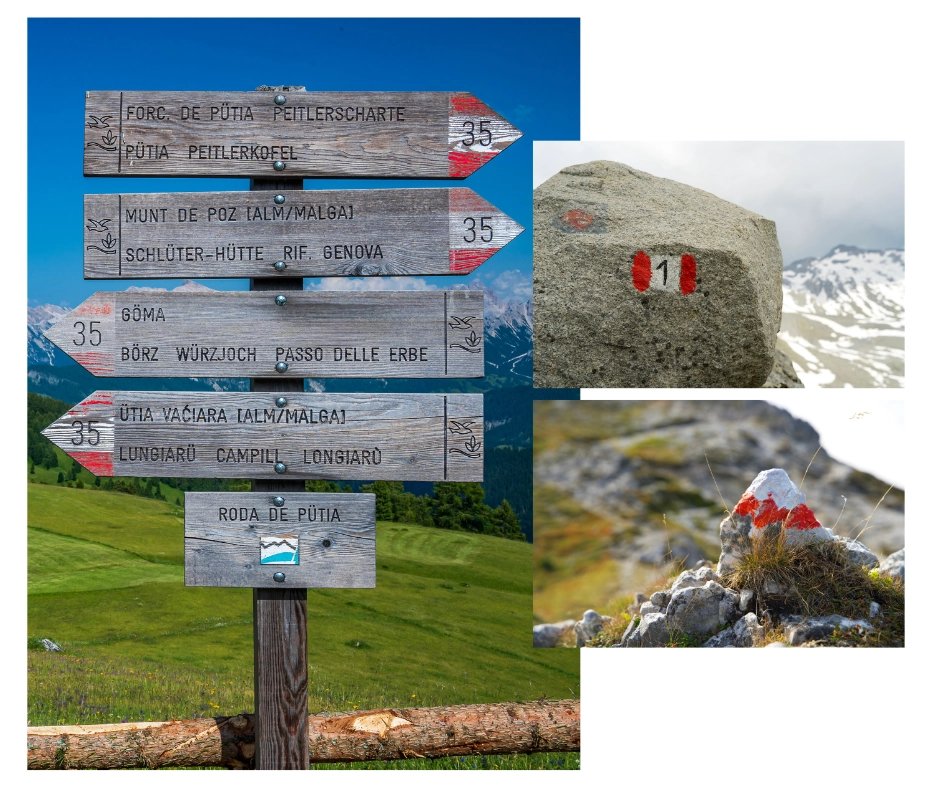
Red and White Markings: The most common trail marking is a red-and-white painted stripe, typically indicating a marked hiking path. These stripes are usually placed on rocks, trees, posts, or at trail junctions. They may also be accompanied by numbers (e.g., 1, 3, 7), indicating the specific trail route.
Trail Numbers: Trails are often numbered, such as Alta Via 1 (Trail 1) or Alta Via 2 (Trail 2). These numbers help you identify specific routes and follow the right path to your destination. You’ll typically find the trail number painted on the red-and-white stripes or shown on maps at intersections.
Trail Signs: At key intersections, look for wooden or metal signs with trail numbers and directions. These signs will guide you to the next stage of your hike, pointing to different mountain huts (rifugi), scenic viewpoints, or trailheads.
Always Stay on Marked Trails: While it’s tempting to stray off the path for a shortcut or a better view, always follow the marked trails for your safety. This ensures you’re on a trail that’s safe and intended for hikers.
Check Trail Conditions: Weather can affect trail conditions, especially in the high altitudes of the Dolomites. Before setting out, always check the weather forecast for the day and avoid hiking in storms or poor visibility.
Bring a Map or GPS: While the trail markings are good, bring along a map or GPS to help you track your location, especially in the more remote areas where trail signs may be sparse.
Use Hut-to-Hut Routes: When hiking in the Dolomites, it’s recommended to follow the hut-to-hut trails (like Alta Via 1). These routes are well-established, easy to follow, and connect popular refuges, providing safety and shelter along the way.
Safety Tips for Hiking the Dolomites
Hiking in the Dolomites is generally safe and well-organized, but the alpine environment requires awareness and preparation. Here are the key points every hiker should keep in mind.
1. Weather Changes Fast
The Dolomites are known for sudden shifts in weather, especially in midsummer.
Afternoon thunderstorms are common from July to August.
Temperatures drop quickly above 2,000–2,500 m.
Always check the local forecast (Arabba / Cortina / Val Gardena weather stations).
Carry a waterproof layer even on sunny days.
2. Snow Can Persist Into Early Summer
High passes can still hold snow until late June, especially above 2,400 m.
This affects:
Alta Via stages
Rosengarten and Pale di San Martino passes
Access to certain rifugios
If hiking in June → expect snowfields and possibly closed sections.
3. Be Honest About Difficulty
Many Dolomites routes are non-technical, but they often include:
Steep ascents and descents
Loose rock
Narrow balcony paths
Choose routes that match your fitness and comfort with exposure.
4. Trails Are Well-Marked — but Still Bring Navigation
The CAI red-and-white markers make navigation straightforward, but:
Fog can appear unexpectedly
Some junctions are easy to miss
Battery life on phones drains faster at altitude
Bring a paper map or offline GPX backup.
5. Rifugios Operate Seasonally
Most huts are open only from mid-June to late September.
Out of season:
No food
No water
No emergency shelter
Plan hut-to-hut trips within the operating window.
6. Via Ferrata Require Proper Gear
Some trekking routes include short cable sections or exposed ledges.
If you’re not experienced:
Avoid via ferrata routes
Book a guide for technical terrain
Stick to classic trekking routes (AV1, Seiser Alm, Rosengarten)
7. Emergency Services and Contacts
If you follow all of our tips descrbied in this guide- hiking in the dolomites should not pose any danger, however, if you do end up in a situation like this, it’s crucial to be aware of the emergency services available and how to behave. Here’s essential information to ensure your safety:
General Emergency Number: Dial 112 for all emergencies, including medical assistance, fire, and police. This is the standard emergency number across the European Union.
Mountain Rescue Service: For mountain-specific emergencies, you can contact the “Aiut Alpin Dolomites” directly at +39 0471 797171.
8. Do I Need a Guide?
A guide is useful if:
You have limited alpine experience
You’re hiking in June or early October
You want to include via ferrata sections
You prefer someone handling navigation and safety decisions
Guides are optional for most trails and tours, but can significantly reduce risk and stress. Feel free to reach out to us regarding any questions or concerns you might have.
Take a look at our guided tour offering.
Best Time to Hike
The Dolomites are a year-round destination, but the best time to hike really depends on what kind of experience you’re looking for. With its high-altitude terrain and varying weather conditions, the region offers something different depending on the season.
Peak Hiking Season: Summer (June to September)
This is the peak hiking season in the Dolomites, offering the most favorable conditions for hiking. The weather is typically warm and stable, and most of the trails and rifugi (mountain huts) are open. From June to September, the meadows are lush with wildflowers, and the higher peaks are accessible, making it the best time for long multi-day hikes, including hut-to-hut hiking routes.
Why Summer Is Ideal:
Warm temperatures, ranging from 15°C to 25°C (59°F to 77°F), with cooler nights at higher altitudes
Clear trails with well-maintained signage
All rifugi are open, offering meals and accommodations along popular trails
Perfect for both beginners and experienced hikers, with a wide variety of trails available
Autumn (September to October)
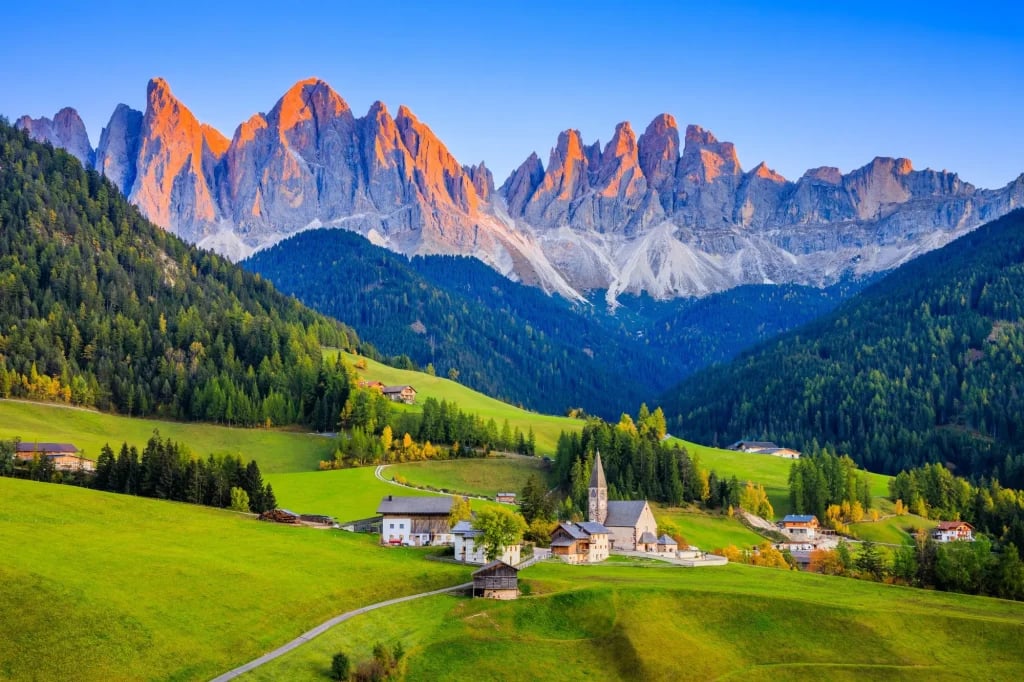
Autumn is a beautiful time to visit the Dolomites, as the weather is still mild but the crowds begin to thin. The fall colors transform the landscape, with forests of larch and pine turning gold and orange. The temperatures start to cool, but it’s still a great time for hiking.
Why Autumn Is Great:
Cooler temperatures, making it more comfortable for hikes at lower altitudes
Beautiful fall foliage for stunning photography
Fewer tourists, providing a more peaceful hiking experience
Some rifugi remain open in early autumn, but check ahead as many close in late September
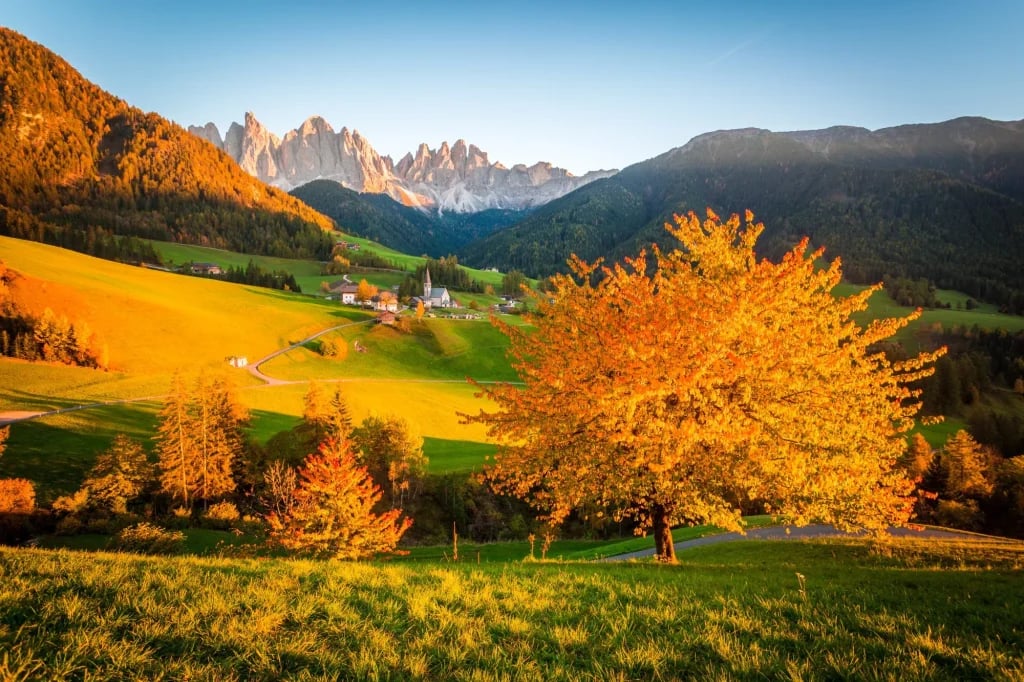
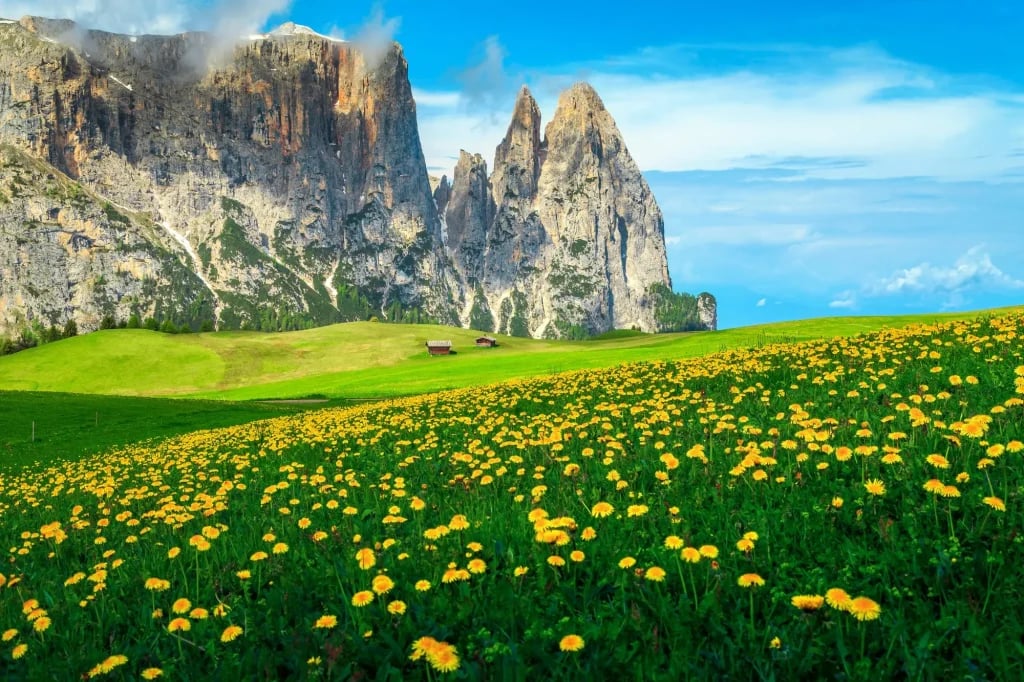
Spring (May to June)
Spring in the Dolomites is a quieter time to visit, with fewer tourists and the mountains just beginning to thaw. While the weather is unpredictable, this is when the wildflowers start blooming and the lower trails become accessible. However, higher-altitude routes are usually still be covered in snow until the end of June.
Why Spring Can Be Good:
Fewer crowds mean you can enjoy the mountains in solitude
Wildflowers start to bloom in valleys and lower regions
Great for those who prefer mild temperatures and don’t mind occasional snow at higher elevations
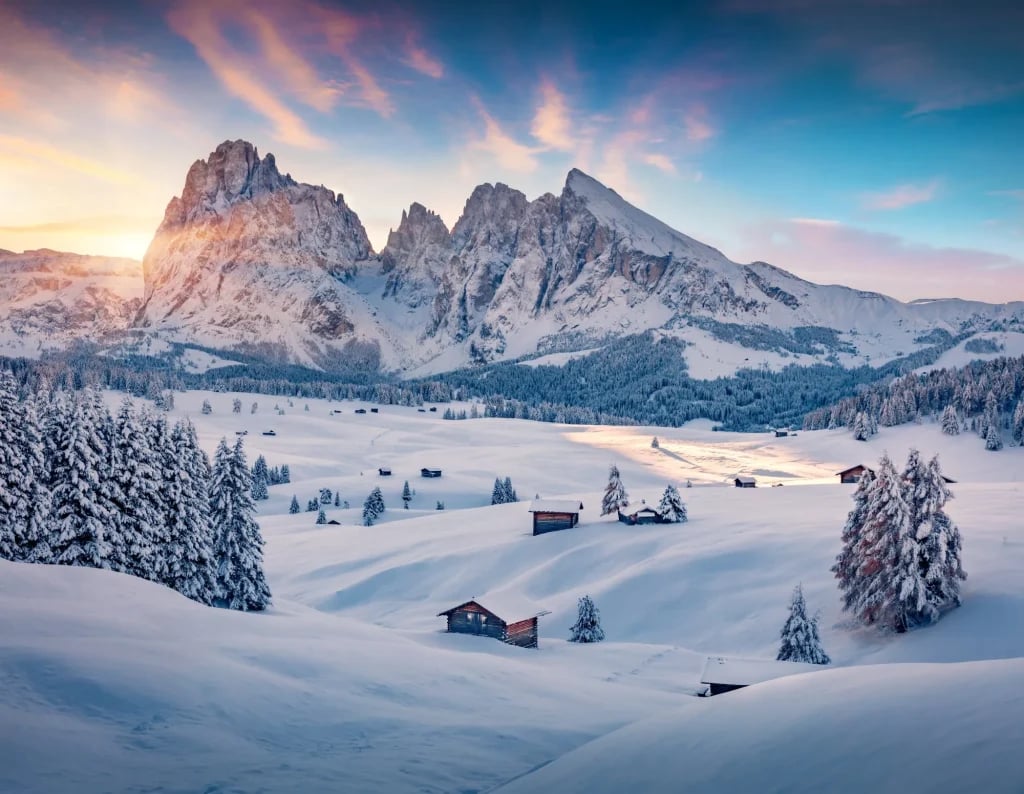
Winter (November to March)
Winter is not the most popular time for hiking, but it can be a magical experience for those seeking solitude and a different kind of adventure. With the snow-capped peaks and icy landscapes, winter transforms the Dolomites into a winter wonderland. Skiing and snowshoeing become the main activities, but some low-altitude trails remain open for experienced winter hikers.
Why Winter Is Worth Considering:
Stunning snowy landscapes for those seeking winter photography and remote adventures
Fewer hikers, giving a serene and quiet atmosphere to your trek
Ideal for snowshoeing or exploring the mountains in a different way
Reliable Weather Resources:
Weather is always something you need to check before starting your hiking day in the Alps. On a hot summer day, there’s always a chance of an afternoon storm, causing you to have a lousy day out or even putting you at unnecessary risk.
One of the more reliable forecasts for this region of the Dolomites is Weather South Tyrol (the official weather service of the Province of Bolzano – South Tyrol). You can also check out their specialized forecast for mountains in that region.
Mountain Huts
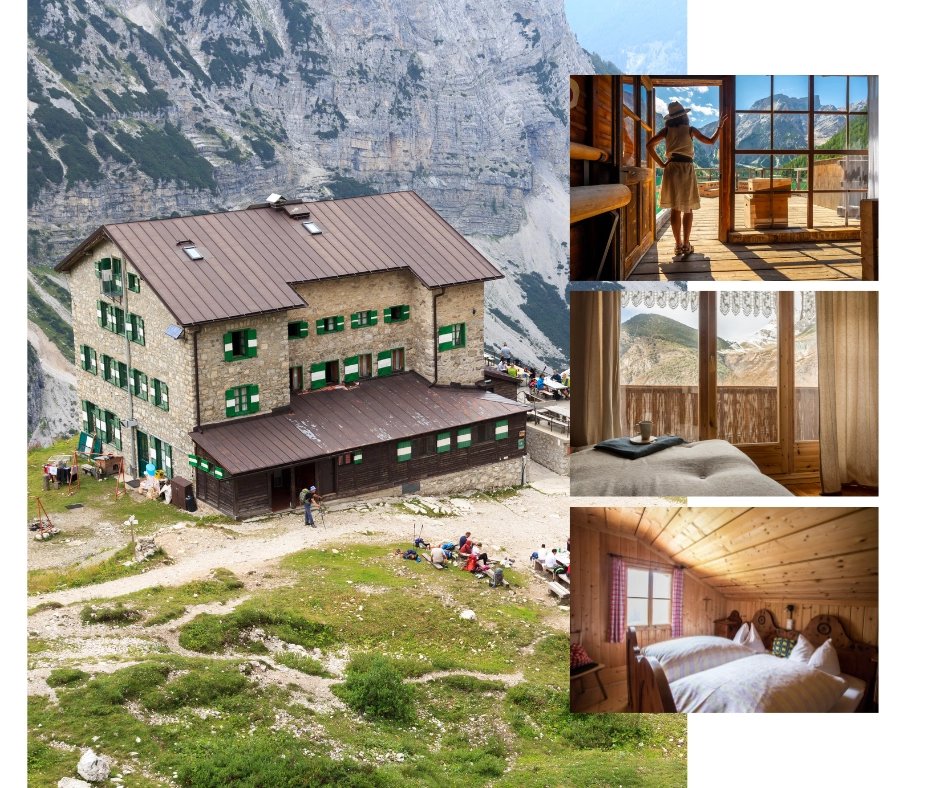
Mountain huts, or rifugi, are integral to the hiking experience in the Dolomites, offering a unique blend of rustic charm and alpine hospitality.
Accommodation and Facilities
Room Types: Expect a mix of dormitory-style rooms with shared facilities and smaller, private rooms, depending on the hut. Most places provide bedding, but it’s a good idea to bring a sleeping bag liner for extra comfort. It’s simple, but the warmth and charm of the place more than make up for it.
Shared Spaces: Common areas are central to the hut experience, where guests gather to relax, share stories, and enjoy meals together. These spaces often feature traditional alpine décor, creating a cozy and communal atmosphere.
Meals and Dining
Many huts offer a half-board option, which means you get both dinner and breakfast. Dinner is usually a multi-course affair featuring hearty local dishes, while breakfast includes bread, cheese, cold cuts, and plenty of coffee to fuel your day ahead. Just note: drinks, including water, are typically extra.
Payment: Payment methods vary; some huts accept credit cards, while others may require cash.
Pro tip: Always carry some cash with you just in case.

Amenities and Services
Showers and Toilets: Facilities vary by hut. ome huts offer showers for an extra fee (or none at all!), while others may skip them completely. Toilets are usually available, but they can be basic and shared, so just be prepared. It’s all part of the experience!
Charging Devices: While most huts do have electricity, outlets can be limited, and it’s best to keep your charging time short to let everyone have a turn.
Pro tip: For guaranteed power on the go, a portable power bank is a lifesaver
Wi-Fi and Mobile Service: Wi-Fi is generally not available in mountain huts, and mobile service can be unreliable due to the remote locations. Consider this a golden opportunity to unplug, relax, and truly immerse yourself in nature.
Cultural Experience
Local Cuisine: Staying in a mountain hut provides an opportunity to savor traditional alpine dishes, often prepared with locally sourced ingredients. Meals are a highlight, offering hearty and flavorful options to refuel after a day of hiking.
Community Atmosphere: Staying in a mountain hut is as much about the people as it is about the place. It’s a chance to meet fellow hikers from all over the world, exchange stories, and enjoy the warmth of shared experiences. The sense of community in these huts is one of the best parts of the whole adventure.
Safety and Etiquette
Arrival Time: Aim to arrive by mid-afternoon. It gives you time to settle in, enjoy your meal, and relax before nightfall. Arriving late could mean missing out on dinner or, worse, finding the hut full!
Noise and Behavior: Maintain a respectful noise level, especially during rest hours. Remember that mountain huts are communal living spaces, and considerate behavior enhances the experience for everyone.
So where to stay?
In our opinion, these are the best mountain huts in the Dolomites along Via Alpina 1 trail.
What to Pack for Hiking the Dolomites
Packing light and smart is key when hiking. The trail might be calling you, but unnecessary weight could slow you down. With rugged terrain, changing weather, and long days on the trail, having the right gear is not just important—it’s essential.
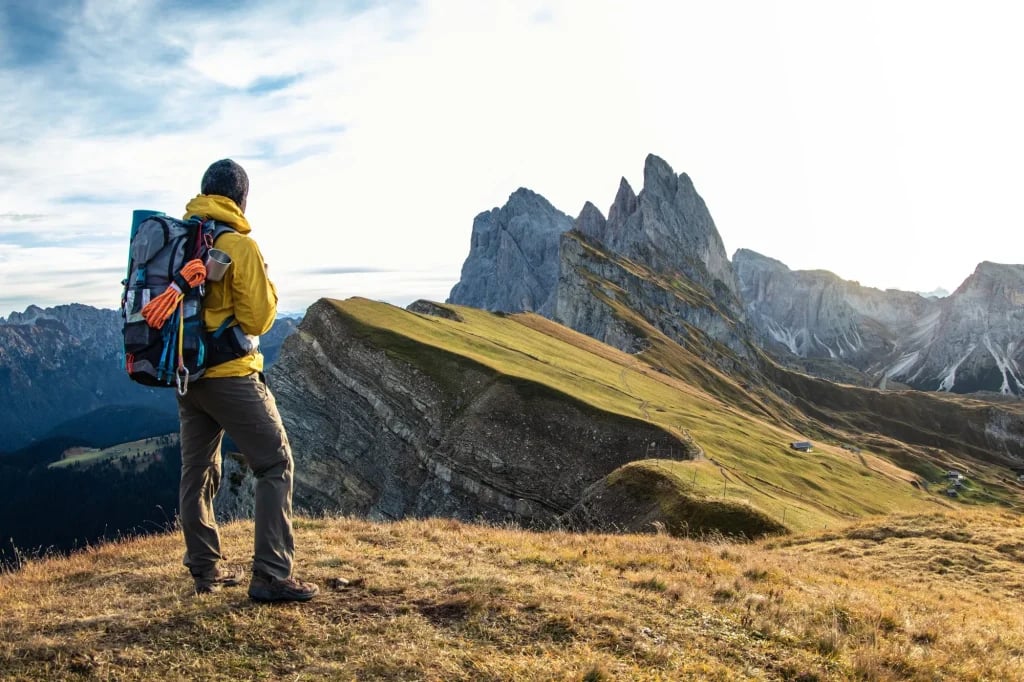
Here’s everything you’ll need:
Backpack
A 25 to 45-liter backpack is perfect for hut-to-hut hikes
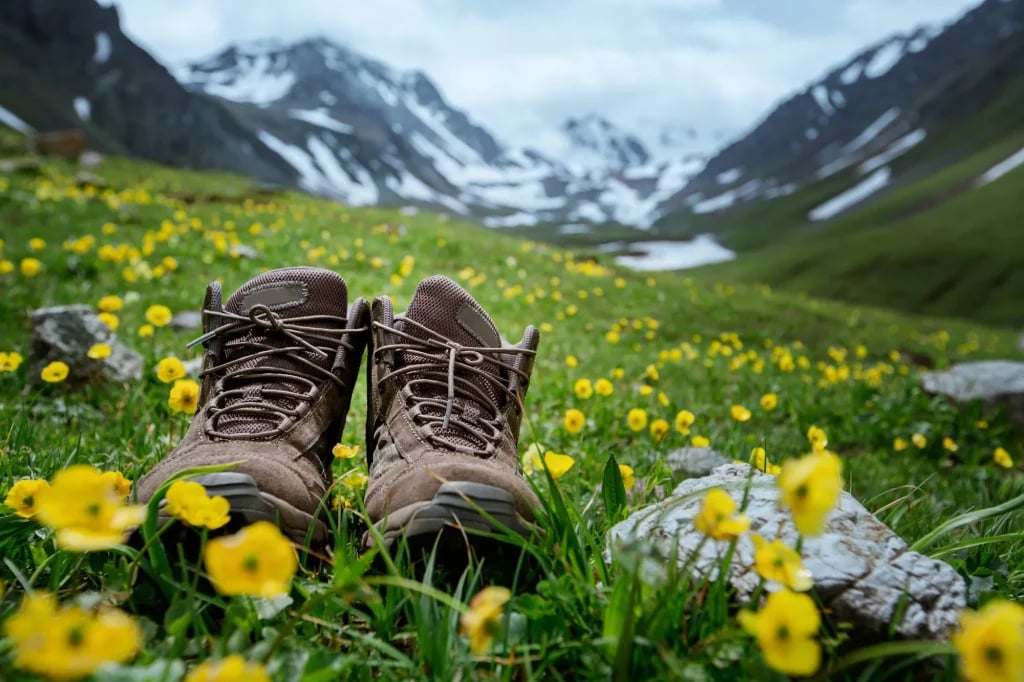
Footwear
Sturdy hiking boots with good ankle support
Clothing
Base Layer: A merino wool top is great for moisture-wicking
Mid-Layer: Pack a fleece or light jacket for warmth
Shorts & Pants: Lightweight shorts for warm days, and long pants for protection
Windproof & Waterproof Jacket/Pants: Essential for unexpected weather
Warm Jacket: A down jacket for chilly evenings or higher altitudes
Hat & Gloves: A sun cap and lightweight gloves will keep you comfy in various conditions
Hiking Socks: Moisture-wicking, and bring extras to stay blister-free
Other Essentials
Sunglasses & Sunscreen: Protect from the sun, even when cloudy
Small First Aid Kit: Include basic items like band-aids and blister plasters
Water Bottle: Stay hydrated, especially on long days
Toiletries: Basic items like toothbrush and toothpaste
ID & Cash: Carry ID and some cash for huts that don’t accept cards
Logistics
How to get to the Dolomites
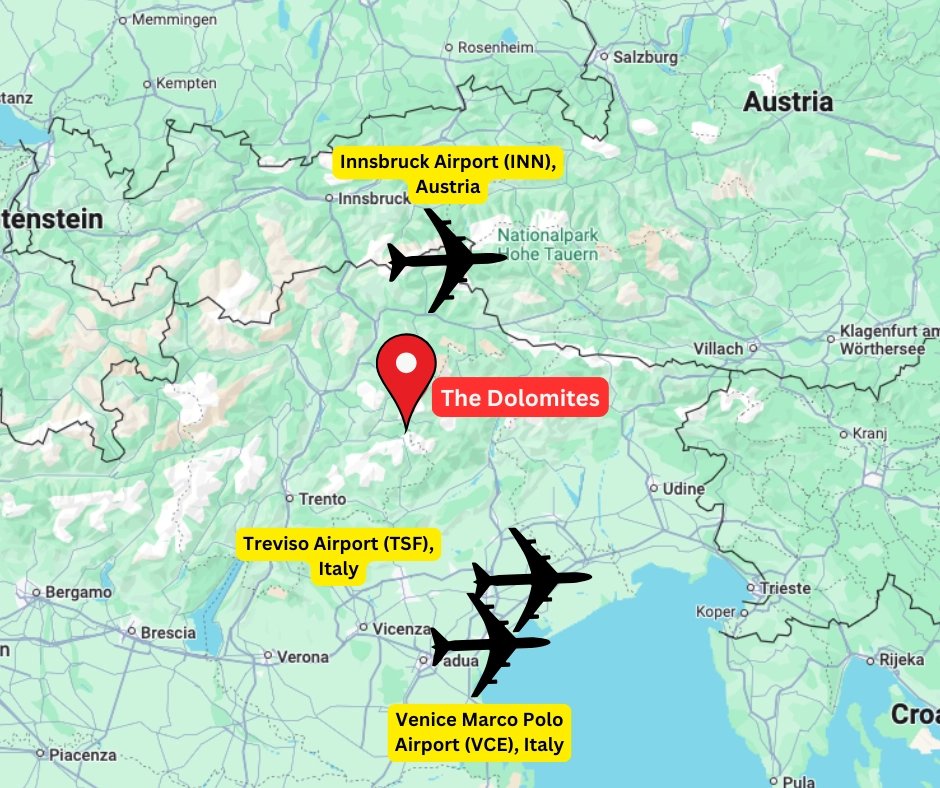
Reaching the Dolomites is convenient via several nearby airports, each offering various transportation options to the region.
Here’s an overview:
Innsbruck Airport (INN), Austria
Distance to Dolomites: Approximately 129 km
Drive Time: About 2.5 hours
Public Transport: Trains to Bolzano or Bressanone, followed by local buses.
Venice Marco Polo Airport (VCE), Italy
Distance to Dolomites: Approximately 179 km
Drive Time: Around 3 hours
Public Transport: Buses to Cortina d’Ampezzo or Bolzano, then local connections.
Treviso Airport (TSF), Italy
Distance to Dolomites: Approximately 168 km
Drive Time: Just under 3 hours
Public Transport: Buses to Cortina d’Ampezzo or Bolzano, then local connections.
Tickets: Tickets can often be purchased on board buses or at train stations. Some services may offer mobile ticketing options via their apps.
Public Transport
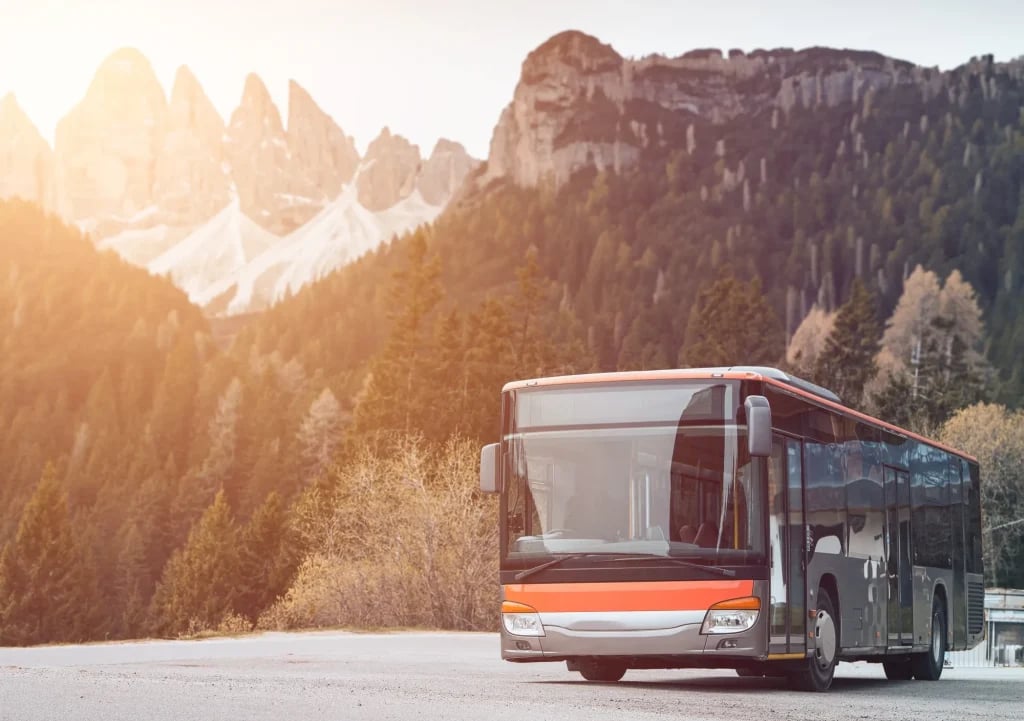
Exploring the Dolomites via public transport is convenient, eco-friendly, and a popular way to get around. The region has an extensive network of buses and trains connecting major towns, villages, and attractions.
What options are available?
Bus Services:
Südtirolmobil: This is the primary public transport network in South Tyrol, offering comprehensive bus and train services throughout the region. You can plan your journey, view timetables, and access live updates on their official website.
Dolomitibus: Operating in the Dolomites area, Dolomitibus provides bus services connecting towns like Cortina d’Ampezzo, Auronzo, and Arabba. Detailed timetables and routes are available on their website.
Train Services:
Trenitalia: For longer distances, Trenitalia operates train services connecting major cities to Bolzano and other towns in the Dolomites. Schedules and ticket information can be found on their official site.
Planning Your Hike
Planning a hike in the Dolomites can be both exciting and overwhelming, especially for first-timers.
With over 1,000 kilometers of trails, varying altitudes, and unpredictable weather, there’s a lot to consider: from choosing the right trail to organizing accommodation and ensuring you have the proper gear, the logistics can quickly become complex. Factors like trail difficulty, time of year, and the weather’s unpredictability all play a role in crafting the perfect itinerary. While the Dolomites offer an array of stunning routes, some can be quite challenging to navigate if you’re unfamiliar with the region’s terrain and infrastructure.
Need help planning?
We specialize in making hiking adventures seamless.
Our support includes:
Personalized Trail Guidance
Accommodation Booking
Travel Logistics
Detailed GPS Tracks
In-Depth Trail Information
On-Hike Support
You can choose from our selection of the best hiking tours in the Dolomites or if you are not sure where to start – book a FREE consultation and let’s talk!



Plan with a hiking expert
Free advice from a team that knows these routes inside out - real people, not a bot

Hassle-Free
We handle itineraries, accommodations, and anything else you prefer not to deal with, so you can enjoy a carefree hike.

Book with confidence
We are a financially protected company, fully bonded and insured, keeping your money safe and allowing you to travel with confidence.

Tried & Tested Adventures
Only the best hut to hut hikes in the Dolomites, cherry-picked by our local team with an in-depth knowledge of the region.

Unbeatable support
Our 24/7 customer support is where we show our passion, bringing you a better experience by making your well-being our number one priority.