Dolomites Rifugio Guide: How Mountain Huts Work and What to Expect
Learn how rifugios support Dolomites hikers with meals, beds, and community, plus practical insights on booking, etiquette, and planning Alta Via overnights.

Suzana
Published March 4, 2026
Edited May 18, 2026
14 min read
Quick links
Don't want to read all this?
We've planned 2,000+ hiking trips. Send your dates, fitness and group size — we'll map the route and book every night.



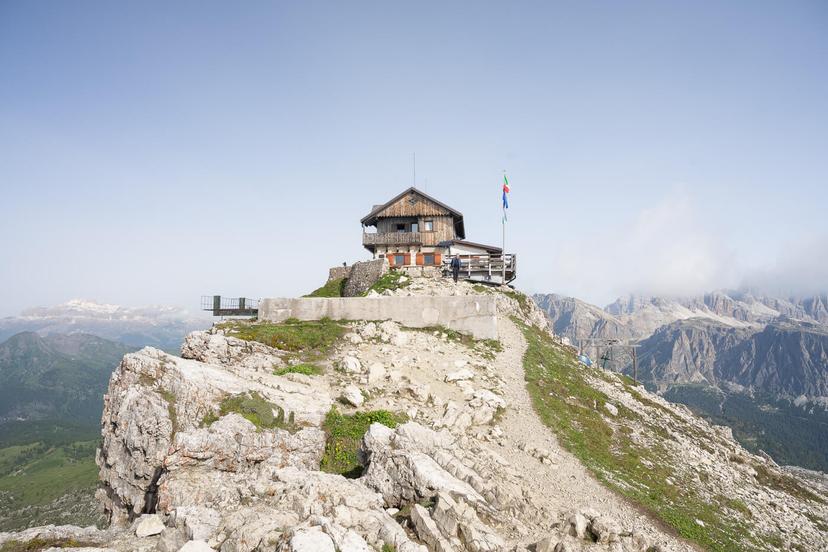
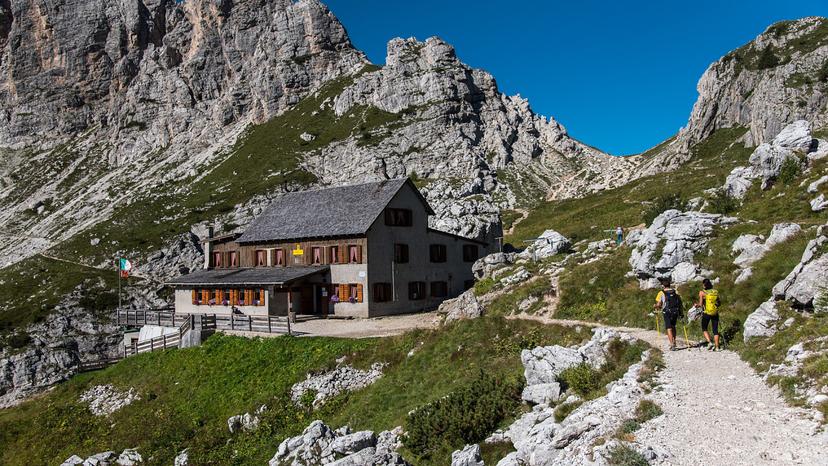
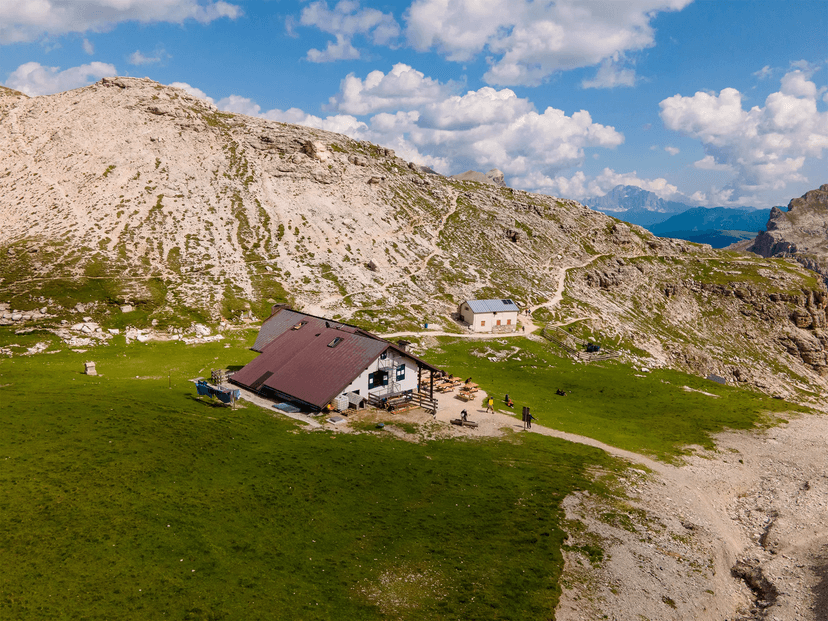
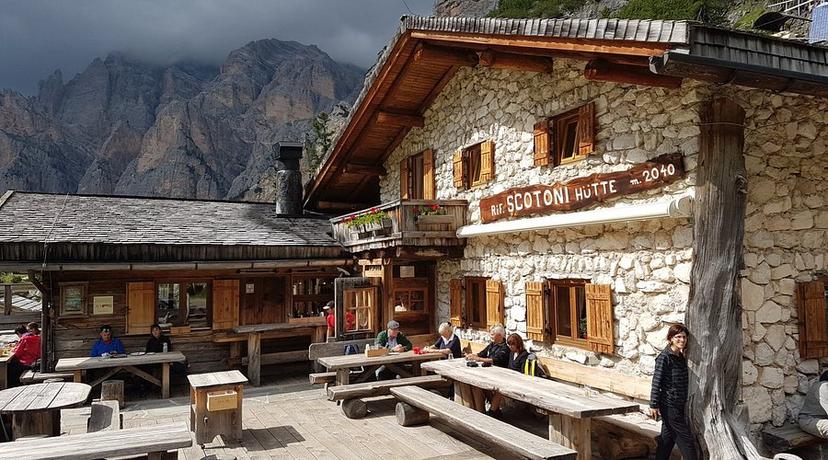
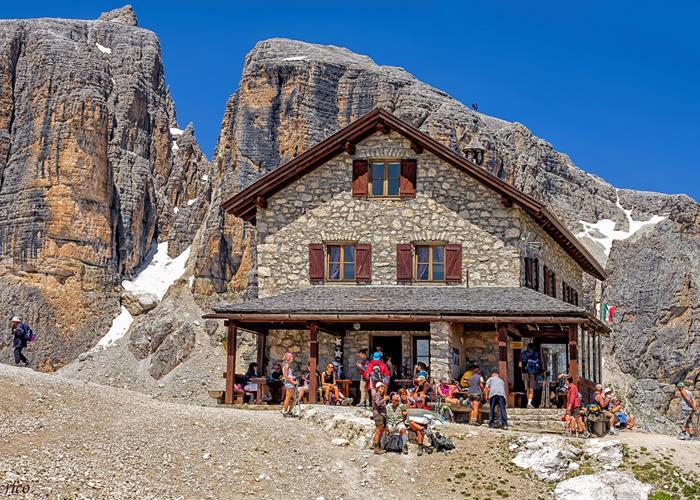
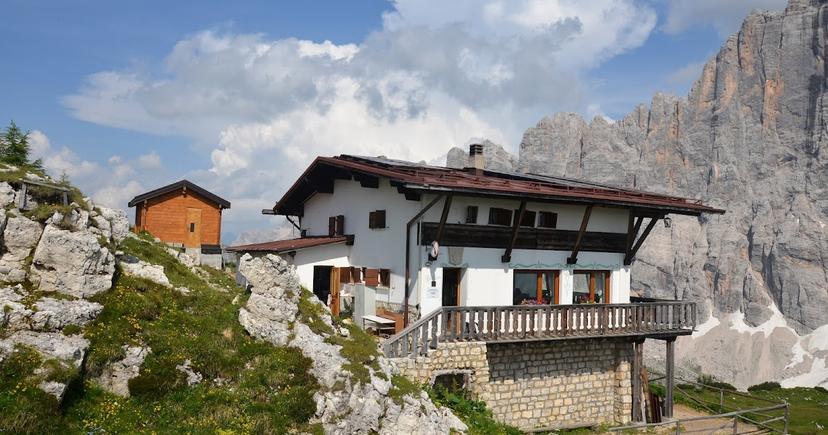
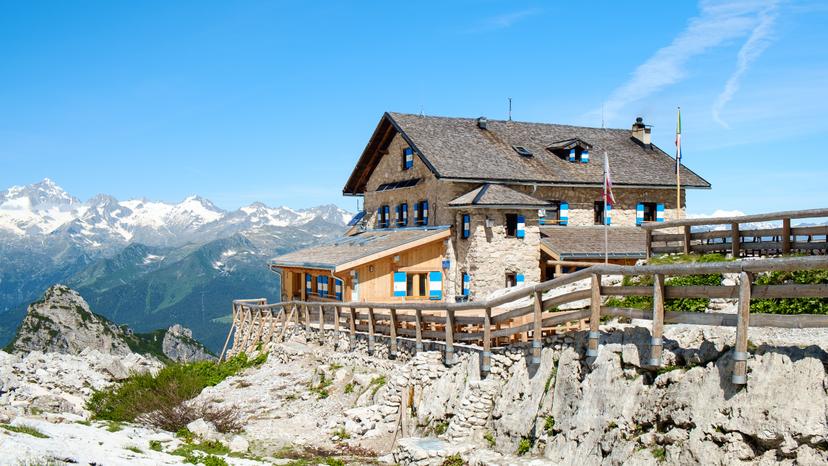
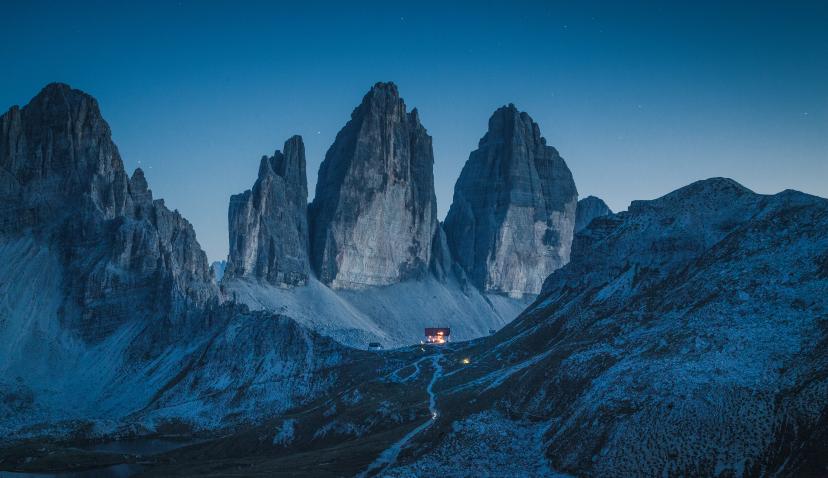
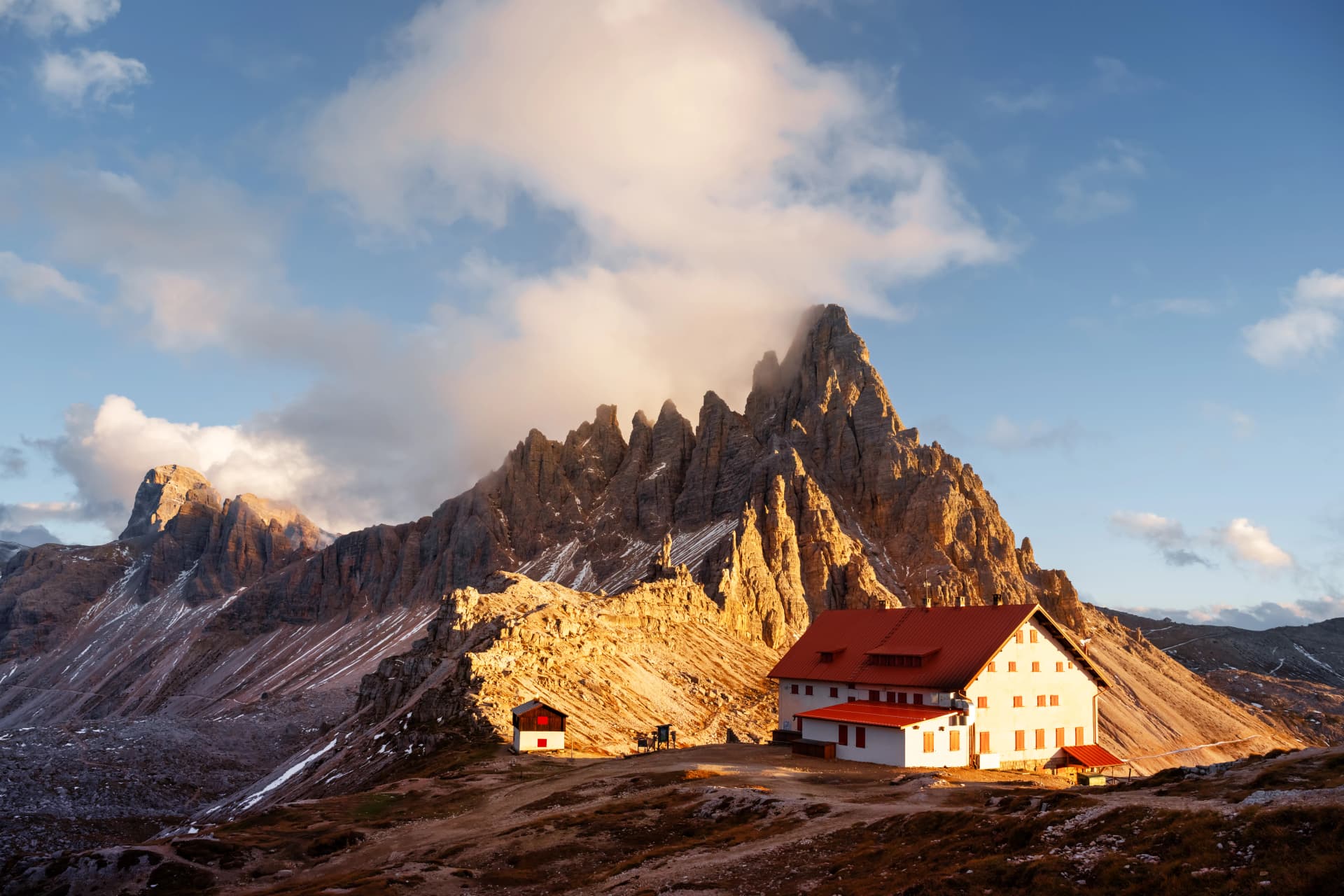
Picture this: You've been hiking for six hours through alpine meadows and rocky passes. Your legs are tired, and then—around a bend—you spot it. A stone or wooden building perched on a mountainside, smoke curling from its chimney, the Italian flag snapping in the wind. A rifugio.
Within an hour, you'll be sitting at a long wooden table with polenta and local wine, swapping trail stories with hikers from around the world. This is rifugio life in the Dolomites—and it's what makes multi-day hiking here so special.
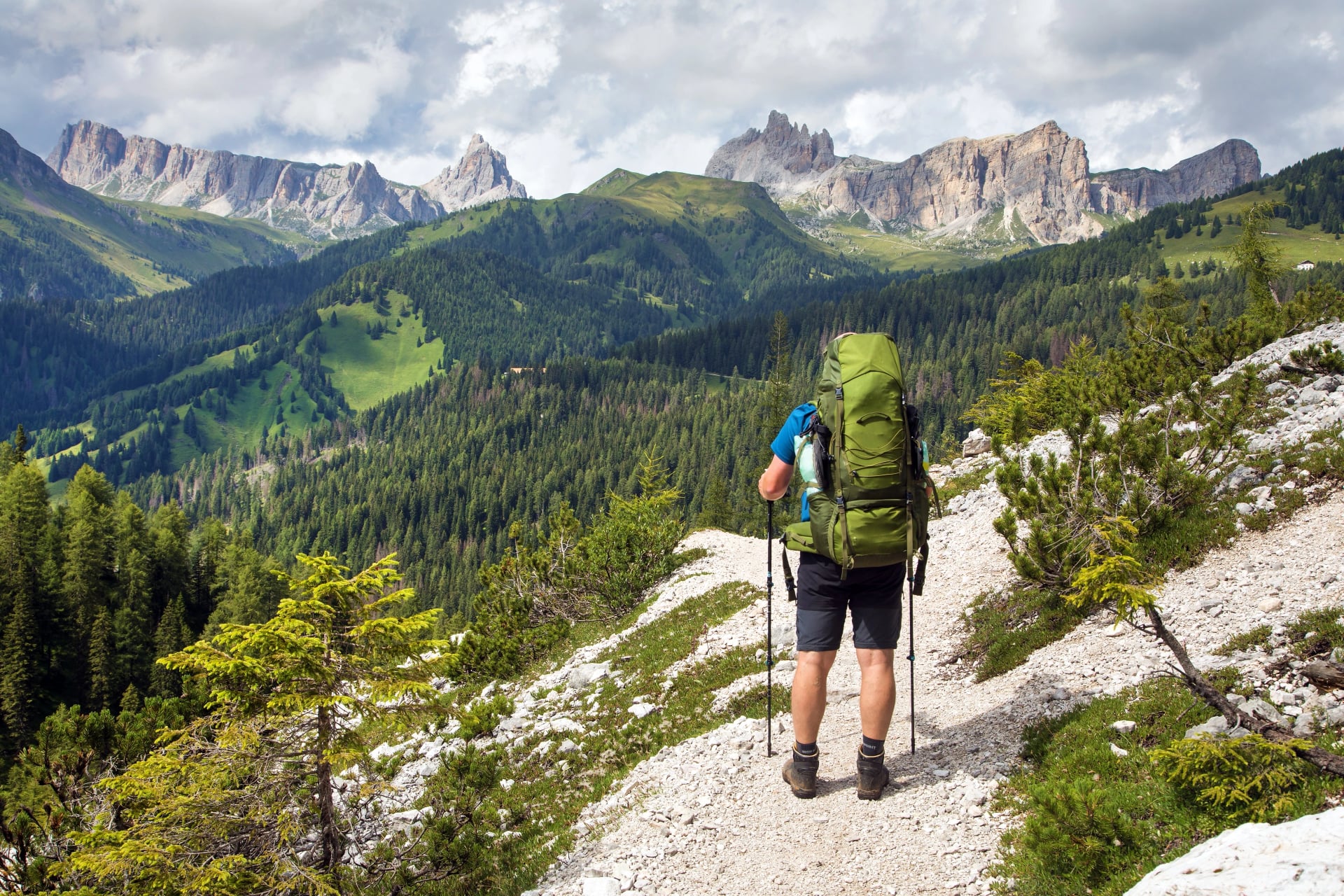
Rifugios aren't just places to sleep. They're mountain institutions with over a century of history, providing shelter and community. They're the reason you can hike the Alta Via routes without carrying a tent, sleeping bag, or cooking gear.
This guide covers rifugio basics, booking logistics, and the best huts in the Dolomites. Here's what you need to know about mountain hut life.
What Are Rifugios?
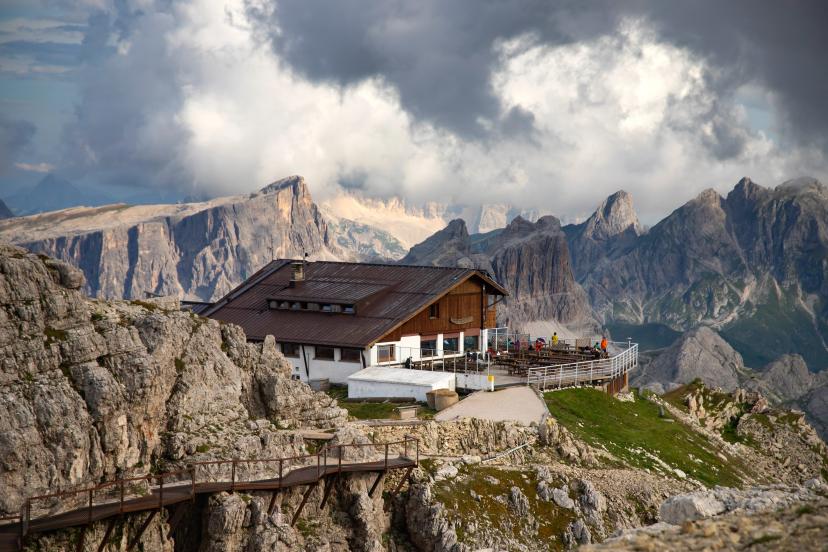
Rifugios (also called rifugi, the plural form in Italian) are mountain huts scattered throughout the Dolomites that provide food and accommodation for hikers, climbers, and mountaineers. Think of them as high-altitude guesthouses—rustic, communal, and strategically located along major hiking routes.
The rifugio system dates back over 100 years, originally built to support shepherds, alpine guides, and early mountaineers exploring the Dolomites. Today, there are over 150 rifugios across the range, most positioned 4-6 hours of hiking apart—the perfect distance for a day's stage on routes like the Alta Via 1.
What Rifugios Provide
Bunk beds with blankets and pillows
Dinner (multi-course Italian meals) and breakfast
Bathrooms and sometimes hot showers
Common rooms for relaxing and socializing
Emergency shelter and first aid if needed
Local knowledge and weather updates from hut staff
What Rifugios DON'T Provide
Private rooms in most cases (though some offer small rooms at premium prices)
Luxury amenities—these are mountain huts, not hotels
Absolute silence—dormitory sleeping means some snoring is inevitable
Guaranteed Wi-Fi or extensive charging stations
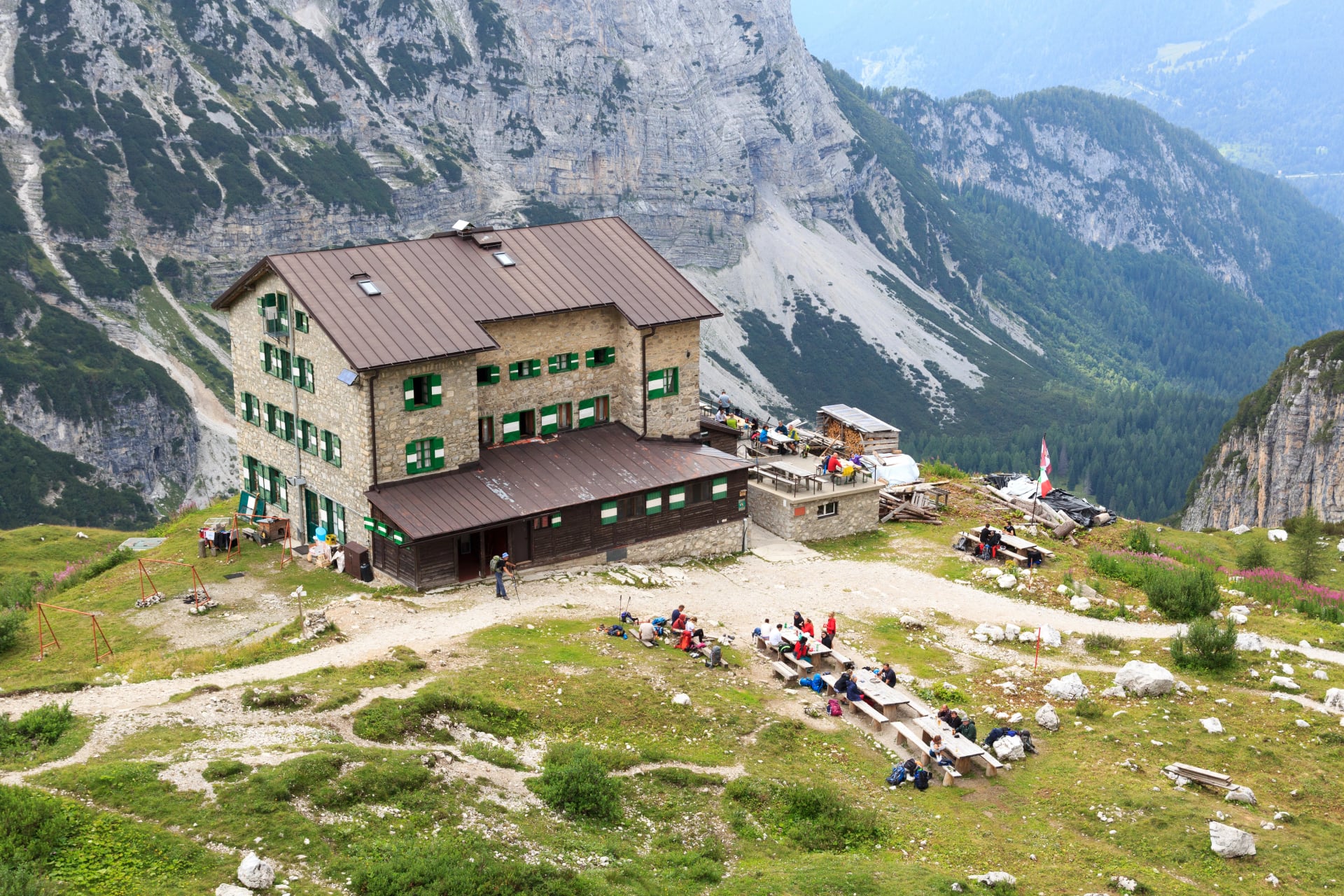
The real magic of rifugios isn't just the practical shelter they provide. It's the social atmosphere. Dinner is served family-style at long communal tables. You'll meet hikers from all around Europe and beyond.
Trail advice flows freely. Friendships form over shared bottles of wine. By the time you've hiked your third or fourth day, you'll start recognizing familiar faces at different huts—the Alta Via community reveals itself.
What to Expect at a Dolomites Mountain Hut
Accommodation Style
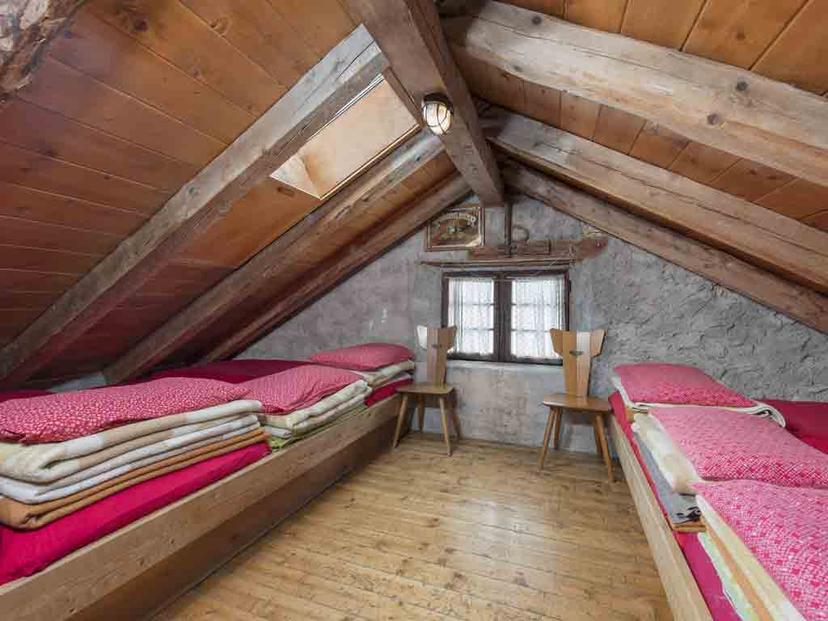
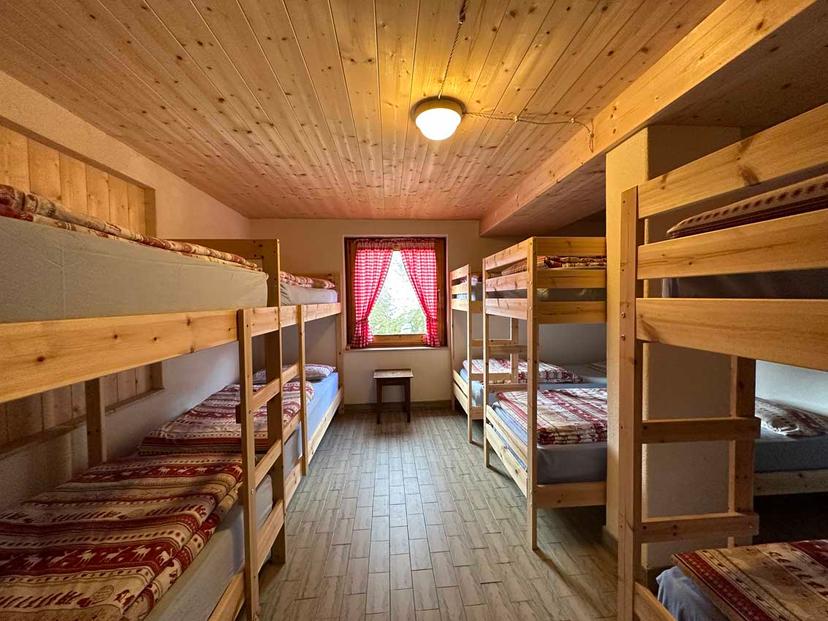
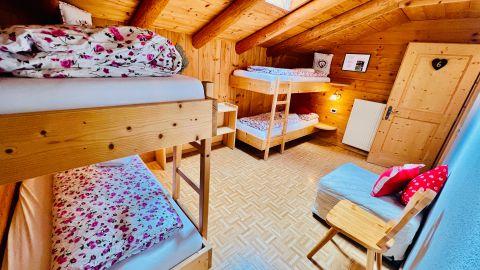
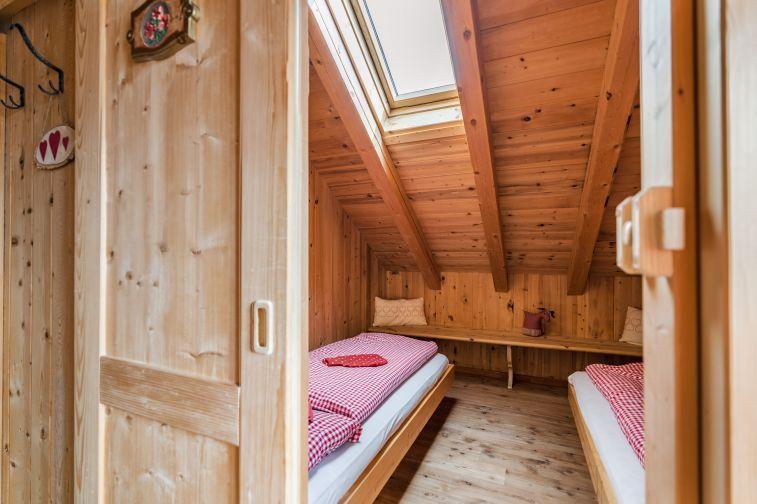
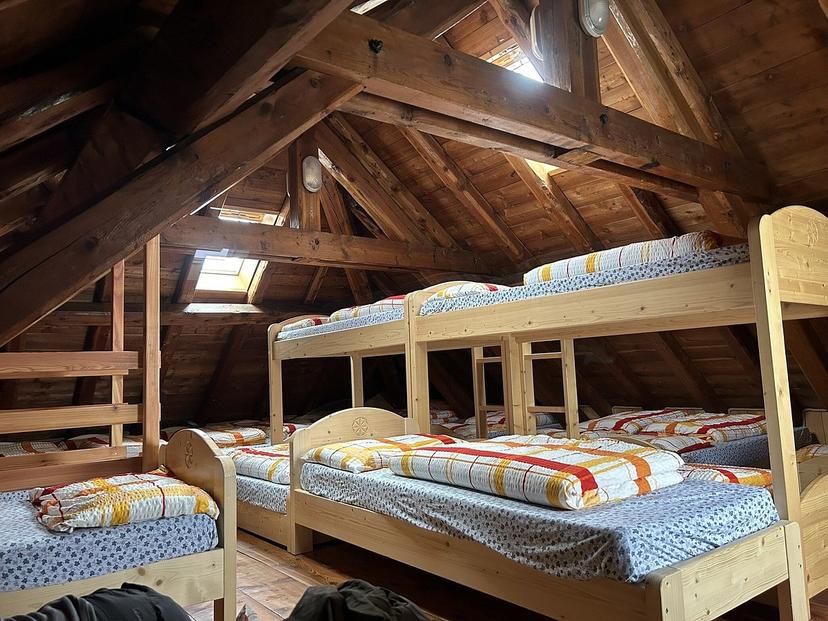
Most rifugios operate on a dormitory system. You'll sleep in a lager (dormitory room) with anywhere from 4 to 20+ bunk beds, depending on the hut's size and layout. Beds are usually arranged in rows, and you'll be sleeping with strangers—part of the experience.
What's provided: Mattresses, pillows, and heavy wool blankets or duvets. The bedding is warm and adequate for mountain temperatures.
What you need to bring: A sleep sheet or sleeping bag liner is mandatory at most rifugios for hygiene reasons. You can rent one at many huts, but bringing your own lightweight liner (silk or cotton) is cheaper and more hygienic.
Bathroom facilities: Shared toilets and sinks are standard. Some rifugios offer hot showers (usually coin-operated, €2-5), while others have cold water only or no showers at all. Don't count on a shower—bring wet wipes and embrace the mountain grit.
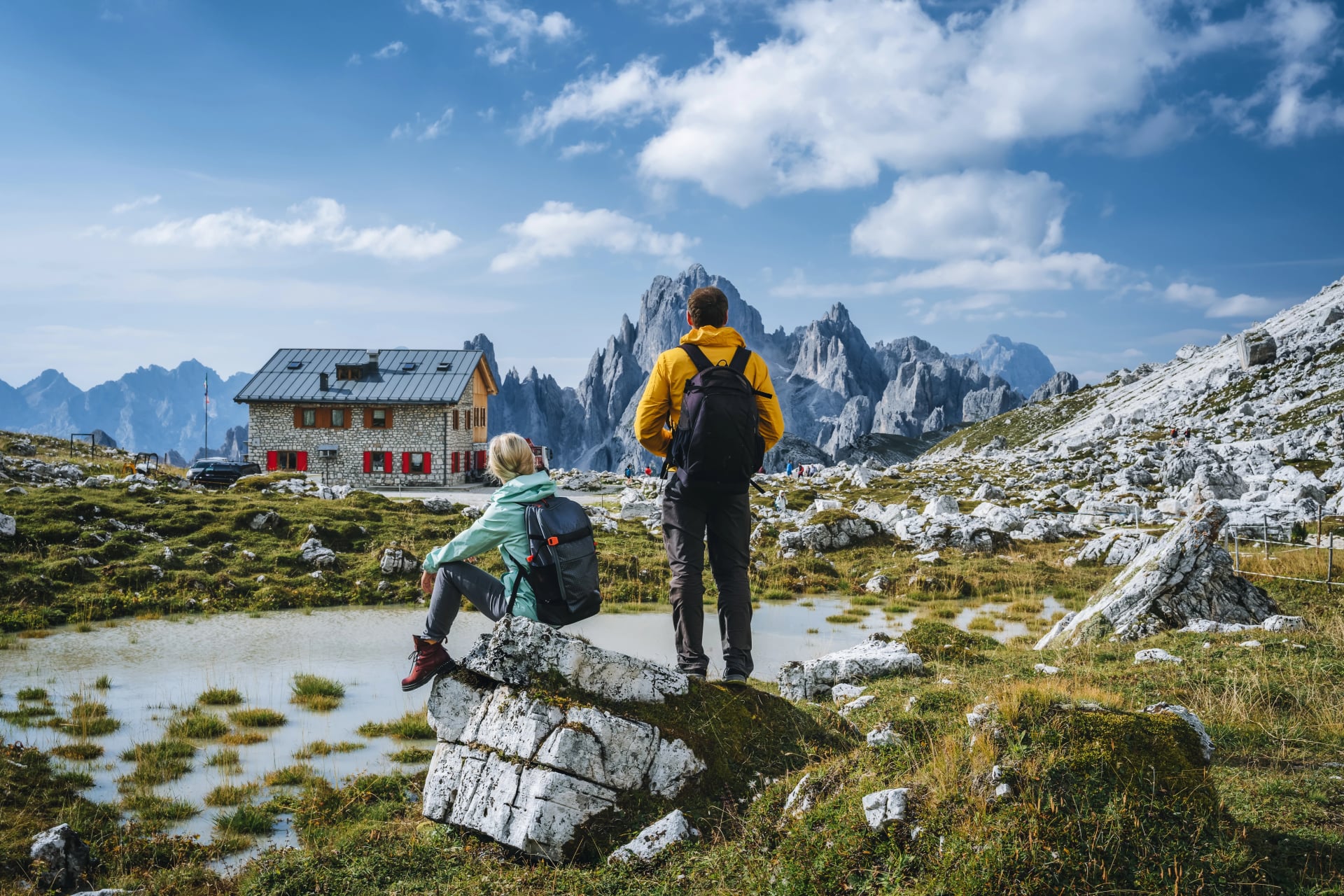
A handful of rifugios offer small private rooms (usually 2-4 beds) at a premium price. These book out months in advance, especially on popular routes like Alta Via 1. If privacy matters to you, inquire early and expect to pay 50-100% more than a dormitory bed.
Meals & Dining
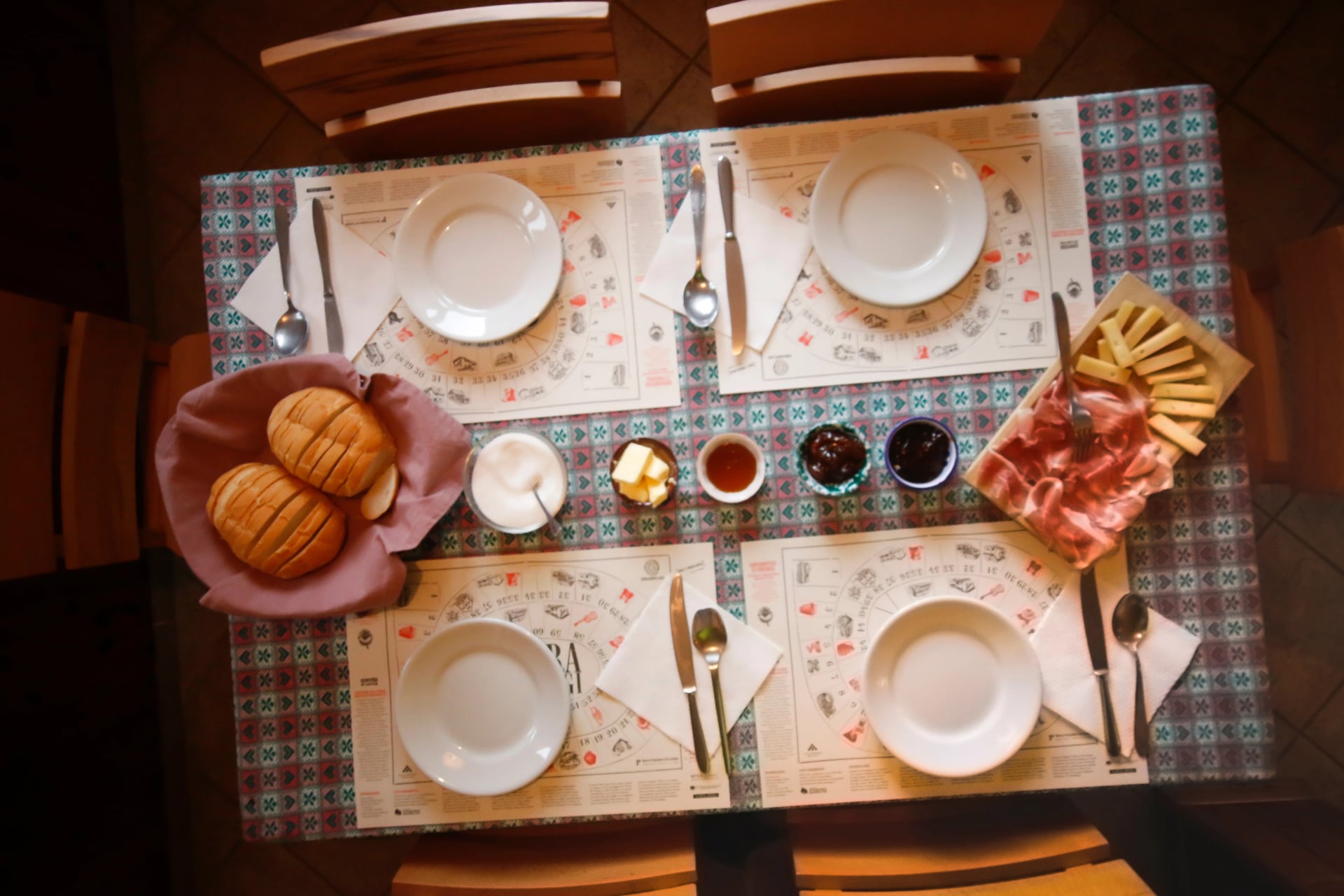
Rifugios operate on a half-board system: dinner and breakfast are usually included in your overnight rate. This is the standard across the Dolomites, and it's one of the best parts of the experience.
Dinner is served at a fixed time—usually between 6:30 PM and 7:30 PM. Don't be late. The kitchen won't wait, and you'll miss the meal you've already paid for. Dinner is typically a multi-course affair: soup or antipasto, a pasta or polenta course, a meat or vegetable main, salad, and dessert (often apple strudel or similar). Portions are hearty—you've been hiking all day, and rifugio cooks know it.
Breakfast is simpler but sufficient: bread, jam, cheese, cold cuts, yogurt, and coffee or tea. It's fuel for the trail, not a gourmet experience. Eat well—you'll need the energy.
Packed lunches can be ordered the night before at most rifugios (for an additional fee). Otherwise, stock up on snacks, energy bars, and trail mix in towns before you start hiking. Some huts sell sandwiches, but don't count on it.
Drinks are not included in half-board rates. Wine, beer, grappa, and coffee are available for purchase—and after a long day in the mountains, that glass of local red wine hits differently. Prices are higher than in the valleys (everything is helicoptered or hauled up), but it's worth it.
Dietary restrictions: Most rifugios can accommodate vegetarian requests if you notify them upfront. Vegan, gluten-free, or other specialized diets are trickier—communicate clearly in advance and bring backup snacks just in case.
Daily Routine
Here's what a typical day at a rifugio looks like:
2:00-5:00 PM
Check-in window. Arrive, get your bunk assignment, stash your pack, and swap your hiking boots for sandals or rifugio shoes (boot rooms are mandatory—no one wears dirty boots inside).
Afternoon
Relax. Read a book. Stretch. Take photos. Order a beer and sit outside watching the light change on the peaks. This downtime is part of the rhythm of hut-to-hut hiking—savor it.
6:30-7:30 PM
Dinner service. Find your seat, meet your tablemates, and enjoy the meal. Conversations range from trail conditions to politics to gear recommendations. It's communal, warm, and authentically social.
Evening
Some hikers retreat to bunks early (especially those starting at dawn). Others linger over drinks and conversation in the common room. The choice is yours.
10:00 PM
Quiet hours begin. Lights out. Respect this—people are tired.
6:00-7:00 AM
Wake-up and eat breakfast. The early risers are already gone. Eat, pack up, settle your bill for any extras (drinks, snacks, showers), and hit the trail by 8:00-9:00 AM, but the earlier the better.
The 10 Best Rifugios in the Dolomites
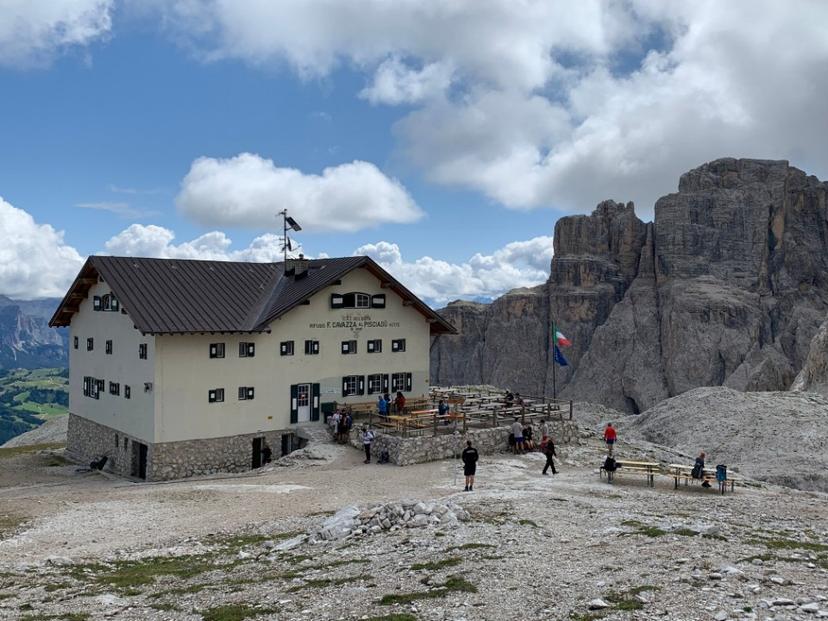
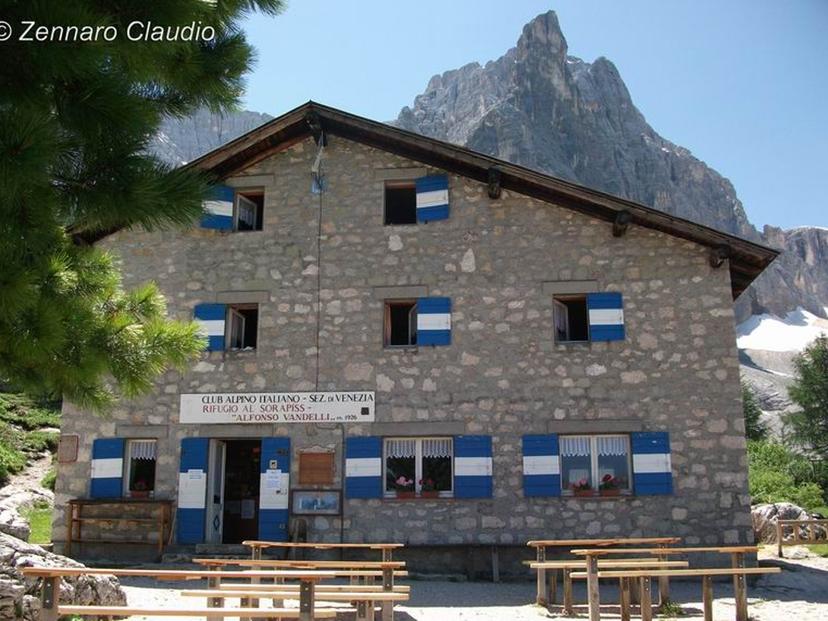
With over 150 rifugios spread across the Dolomites, choosing the "best" is subjective—it depends on your route, your priorities, and what you value in a mountain hut. But after years of guiding hikers through these mountains, we've identified the rifugios that consistently deliver exceptional locations, memorable atmospheres, or iconic mountain experiences.
Here are the top 10 rifugios in the Dolomites that are worth planning your trek around:
These rifugios represent the best combination of location, atmosphere, and mountain experience the Dolomites have to offer. Whether you're after iconic views, historic character, or peaceful solitude, these huts deliver.
Top 5 Rifugios on Alta Via 1
Alta Via 1 is the most popular long-distance trail in the Dolomites, and not all rifugios on the route are created equal. Some are simply places to sleep, while others are highlights in their own right—worth building your itinerary around.
Here are the five best rifugios on Alta Via 1, the ones that elevate the experience from "great hike" to "unforgettable journey":
These five rifugios are the highlights of the Alta Via 1 experience—the nights you'll remember long after your boots are back in the closet. For a full day-by-day breakdown of the route and which huts you'll stay at, see our Alta Via 1 itinerary guide.
All Rifugios On Alta Via 1 Map
How to Book Rifugios in the Dolomites
Booking rifugios isn't difficult, but it does require planning—especially if you're hiking in July or August when demand is highest. Here's everything you need to know:
Booking Timeline
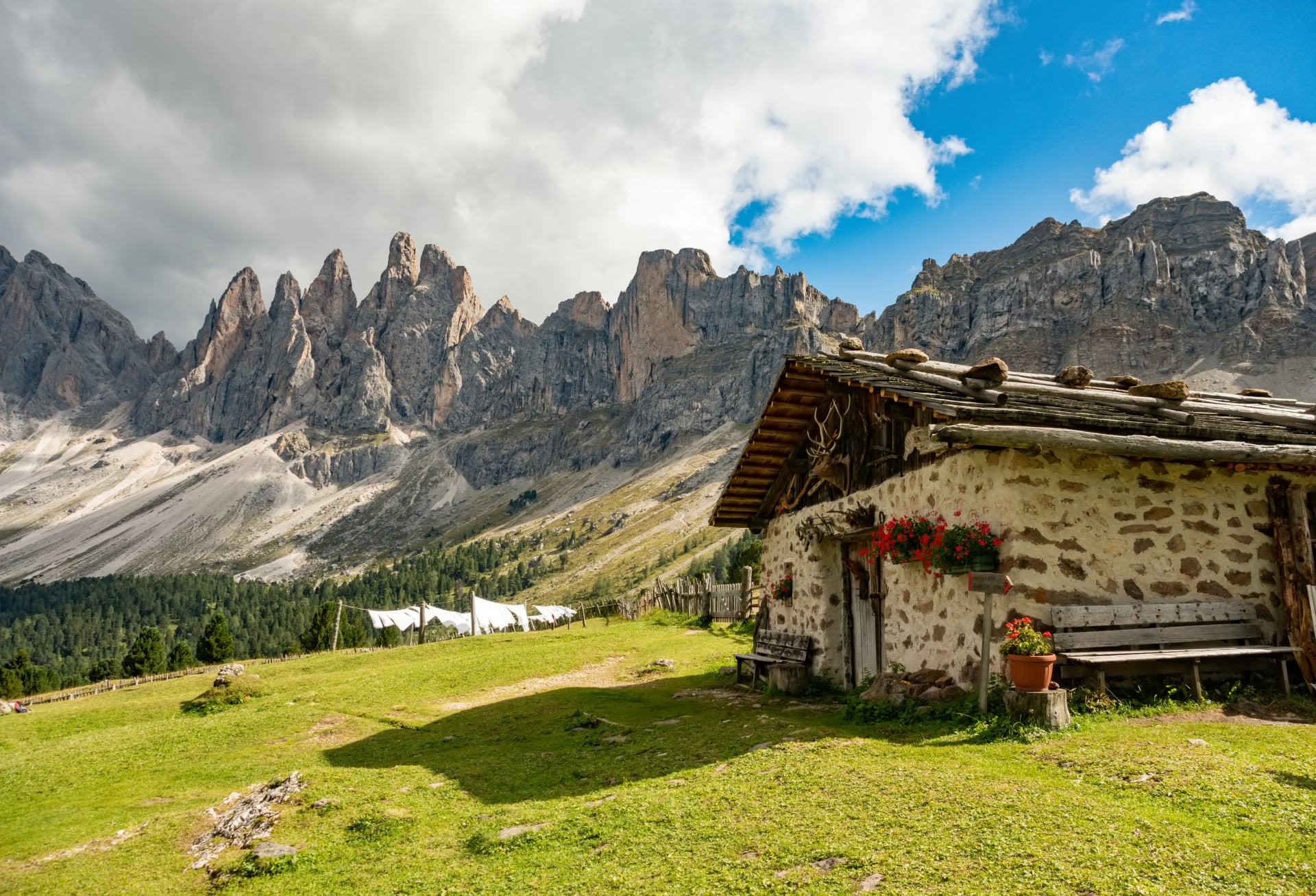
Peak season (July-August): Book 3-6 months in advance, especially for popular huts on Alta Via 1. Rifugios like Lagazuoi, Nuvolau, and Coldai fill up fast. Weekends book even earlier.
Shoulder season (late June, September): You can often book 1-3 months ahead and still find availability. September is less crowded and offers more flexibility, though some rifugios close by mid-September.
Remote routes (Alta Via 3, 7, 10): More flexibility here—bookings 4-8 weeks out are usually fine, though it's still smart to secure your plan early.
The golden rule: Don't wait. Rifugio bookings are first-come, first-served, and popular huts sell out. If you're planning an Alta Via trek, start booking as soon as your dates are confirmed.
Booking Methods
1. Direct booking: Email or call the rifugio directly (many don't have online systems)
Most rifugios operate via email or phone reservations. You'll need to contact each hut individually, provide your arrival date, number of guests, and dietary restrictions (if any). Some huts respond quickly; others take days or weeks. Patience is required.
2. Challenges: Language barriers, slow responses, keeping track of multiple confirmations
Here's the reality: booking 10+ rifugios independently for a full Alta Via trek means juggling 10+ email threads, often in Italian or broken English. You'll need to keep track of confirmations, payments (some require deposits), and dietary notes. It's doable, but it's tedious and time-consuming.
3. Our tour packages: We handle all rifugio bookings, confirmations, and coordination
That's where we come in. When you book one of our Alta Via tours—whether self-guided or guided—we handle all rifugio reservations, confirmations, and coordination. You tell us your dates and preferences, and we secure your accommodations across the entire route. No language barriers. No tracking spreadsheets. No stress.
We've been doing this for years. We know which huts to prioritize, which have the best availability, and how to navigate booking complexities. You just show up and hike.
Explore our tours: Self-Guided Tours | Guided Tours. And when you are ready- contact us!
Booking Tips
Whether you're booking independently or with us, here are the key strategies:
Book your entire route at once. Don't leave gaps or "figure it out later" stages. A multi-day trek only works if you have accommodation locked in for every night.
Request written confirmation. Email confirmations are essential—rifugios occasionally lose reservations or double-book. Having a paper trail protects you.
Communicate dietary restrictions clearly. If you're vegetarian, vegan, or have allergies, state this explicitly when booking and confirm again upon arrival.
Have backup plans. If your first-choice rifugio is fully booked, know which alternative huts are nearby or if you can adjust your stages.
Weekdays over weekends. If your schedule allows, start your trek on a weekday. Weekend arrivals at rifugios mean more crowds and less availability.
Pro tip: Booking rifugios independently for a 10-day trek means coordinating with 10+ different huts, often in Italian. Our tours handle this entirely—you just show up and hike.
Rifugio Etiquette & Practical Tips
Rifugios have their own culture and unwritten rules. Respect them, and you'll have a smoother, more enjoyable experience.
Essential Etiquette
Remove your hiking boots at the entrance. Every rifugio has a boot room or designated area for muddy footwear. Bring lightweight sandals, Crocs, or camp shoes for indoor use—your feet will thank you, and so will the hut staff.
Respect quiet hours. Most rifugios enforce quiet time from 10 PM to 6 AM. People are exhausted from hiking all day. Keep conversations low, avoid rustling through your pack, and be considerate.
Bring earplugs. Dormitory sleeping means snoring, coughing, people getting up for midnight bathroom trips, and early risers packing at 5:30 AM. Earplugs are non-negotiable if you value sleep.
Bring a headlamp. Midnight bathroom trips in a dark dormitory require a headlamp. Use the red light setting to avoid blinding your bunkmates.
Cash is king. Many rifugios don't accept credit cards, especially for extras like drinks, showers, or packed lunches. Bring enough euros to cover your entire trek, plus a buffer.
Charge devices strategically. Rifugios have limited electrical outlets, and they're often shared among 20+ guests. Charge your phone and power bank during the afternoon or evening—don't hog the outlet.
Be social, but respect boundaries. Rifugio dining is communal and friendly, but not everyone wants to chat. Read the room. Some hikers prefer quiet evenings.
Pack out all trash. Leave no trace principles apply in the mountains. Don't leave wrappers, toiletries, or anything else behind. Rifugio staff work hard to keep these huts functional—help them out.
Sleep Sheet Requirements
At most rifugios, bringing a sleep sheet or sleeping bag liner is mandatory. It's a hygiene regulation—blankets and pillows are reused, so you're required to sleep inside your own liner.
Options:
Lightweight silk liner (packs tiny, dries fast)
Cotton liner (slightly heavier but breathable)
Thin sleeping bag liner (warmer if you run cold)
You can rent a sheet at many rifugios for €5-10, but bringing your own is cheaper and hygienic. For a full gear checklist, see our Alta Via packing guide.
Rifugios vs Camping in the Dolomites
If you've backpacked in other mountain ranges, you might wonder: why not just camp?
Here's why rifugios are the smarter choice for the Dolomites:
No tent weight. Eliminate 2-3 kg from your pack (tent, sleeping bag, sleeping pad). That's a massive difference when climbing 1,000+ meters daily.
Hot meals. Multi-course Italian dinners and hearty breakfasts beat dehydrated camping food every time. Plus, you don't have to carry a stove, fuel, or cookware.
Real beds and roofs. Mountain weather in the Dolomites is unpredictable. Afternoon thunderstorms are common, and temperatures can drop fast at altitude. A warm rifugio beats a wet tent.
Social experience. Meeting fellow hikers from around the world, sharing trail stories, and learning from others' experiences is part of what makes Alta Via treks memorable.
Strategic locations. Rifugios are positioned exactly where you need them—at mountain passes, scenic viewpoints, and natural stopping points. Camping requires finding legal, level ground, which isn't always easy.
Emergency support. If you get injured, sick, or caught in a storm, rifugios provide shelter, first aid, and communication to call for help if needed.
When Camping Makes Sense
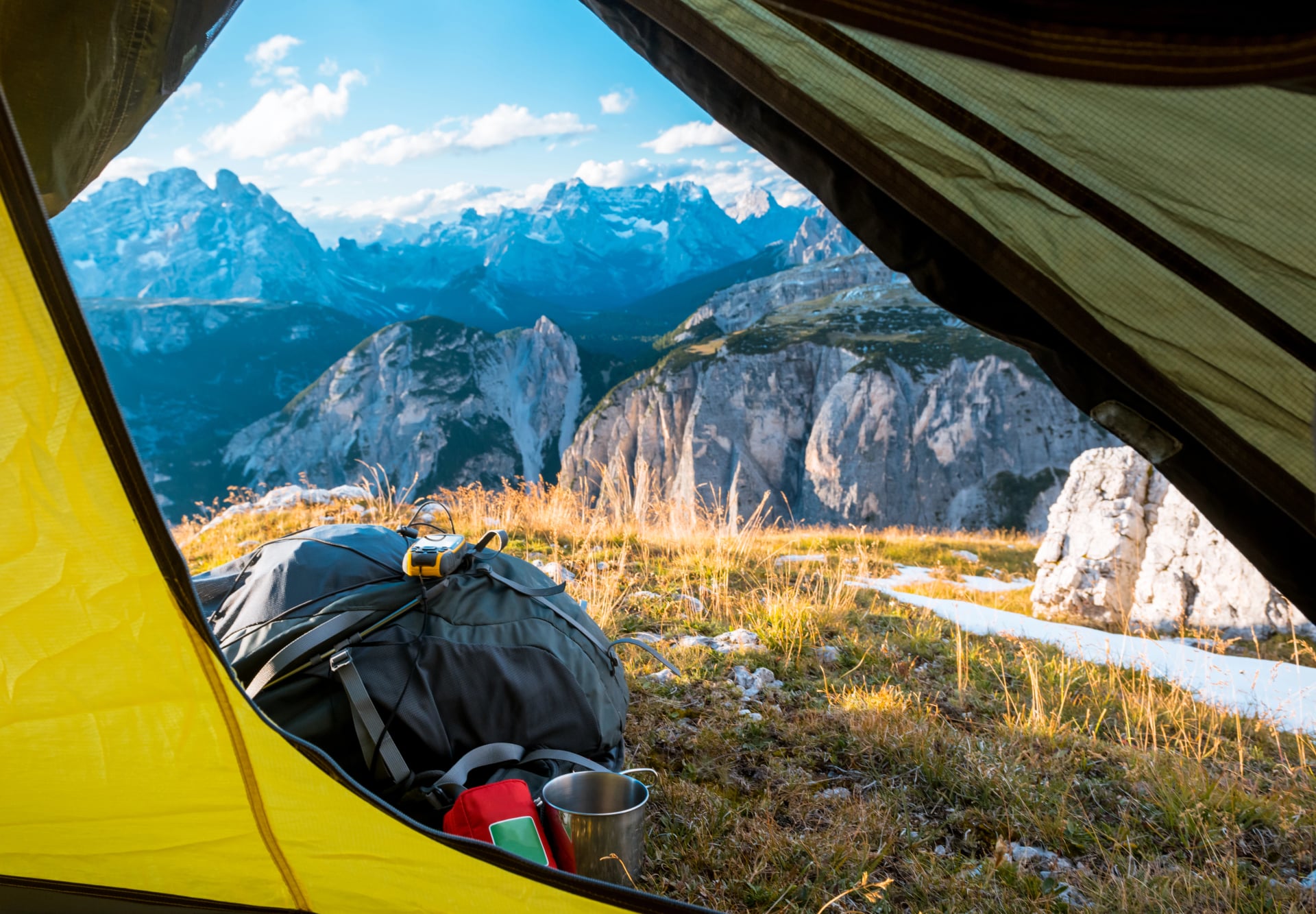
Wild camping (bivouacking) is allowed above 2,500 meters in some areas of the Dolomites, but it's restricted below that elevation to protect fragile ecosystems and private land. Even where legal, camping requires carrying full gear, which defeats the lightweight advantage of hut-to-hut hiking.
The bottom line: most Alta Via hikers choose rifugios for very good reasons. The system is efficient, sustainable, and makes multi-day mountain treks accessible to more people.
In this article you will find all the information for legally camping while on Alta Via trail.
Making the Most of Rifugio Life
Rifugios aren't just accommodation—they're an integral part of the Dolomites experience. The communal dinners, the shared stories over local wine, the stunning mountain locations—these moments are what make hut-to-hut hiking unforgettable.
The rifugio system makes multi-day treks accessible without heavy camping gear, connecting you with fellow hikers and delivering authentic alpine experiences you won't find anywhere else.
Need help planning your Dolomites adventure? Book a meeting with us and we'll guide you through the options, where we handle all the rifugio bookings and logistics—you just show up and hike.

About this author
Suzana is our travel advisor and a hiker who believes the best trails aren't just about the summits. She loves spotting alpine plants, watching wildlife, and the laughs, chats, and snack breaks that make every trail worth walking.