How to Choose Where to Stay in the Dolomites: Hotels, Rifugios & Hiking Bases
From family-friendly hotel stays to rifugio treks, this guide explains where hikers should base themselves and how accommodation choices affect the journey.

Anja
Published March 27, 2026
Edited May 18, 2026
12 min read
Quick links
Don't want to read all this?
We've planned 2,000+ hiking trips. Send your dates, fitness and group size — we'll map the route and book every night.



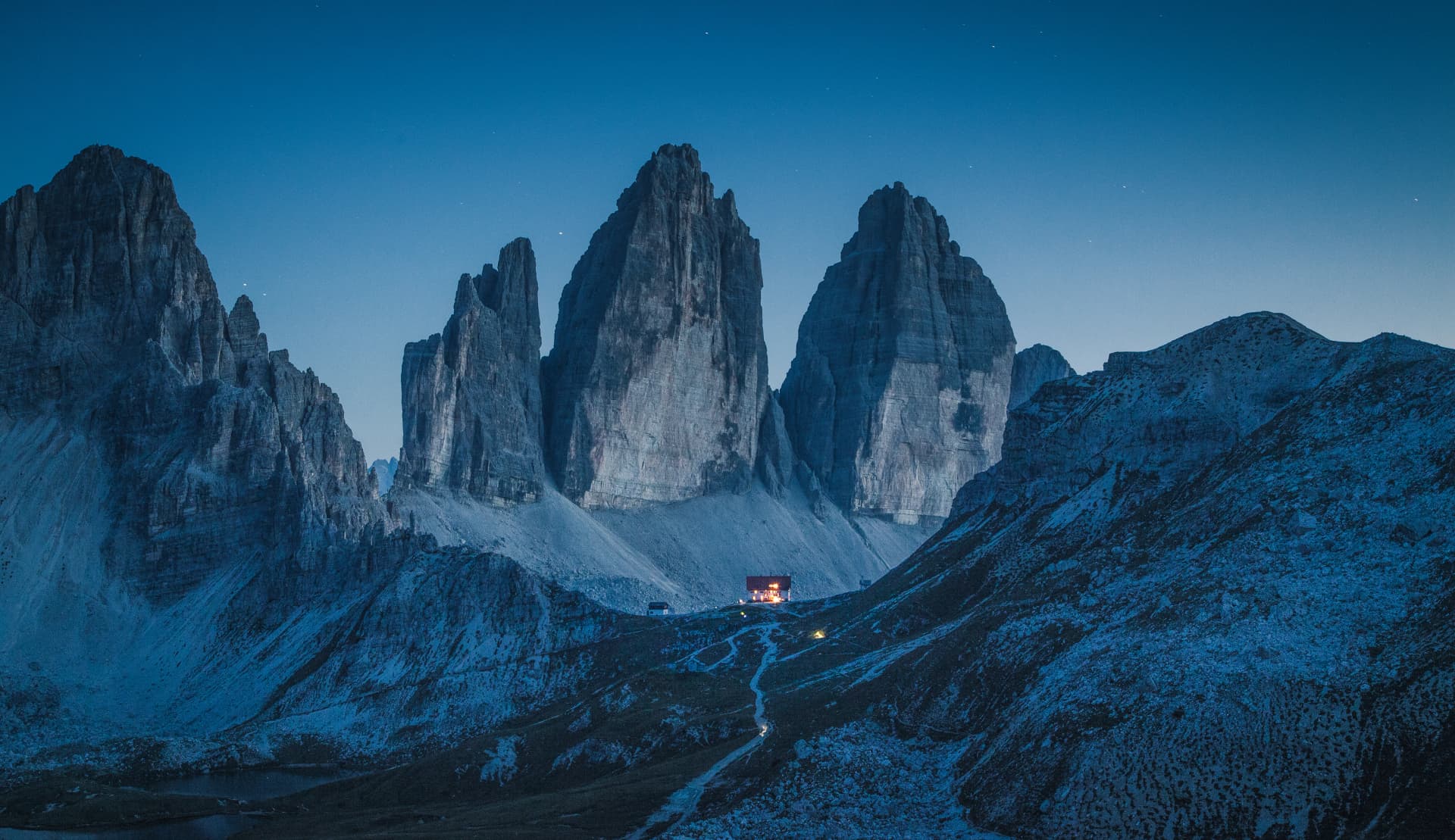
Where you stay shapes your entire Dolomites experience. The right accommodation choice—valley hotel versus mountain rifugio, which region to base yourself in, what type of hiking you're planning—makes the difference between a good trip and an unforgettable one.
You have two main accommodation approaches: stay in comfortable valley hotels and take day hikes, or go hut-to-hut staying in mountain rifugios each night. Many hikers combine both.
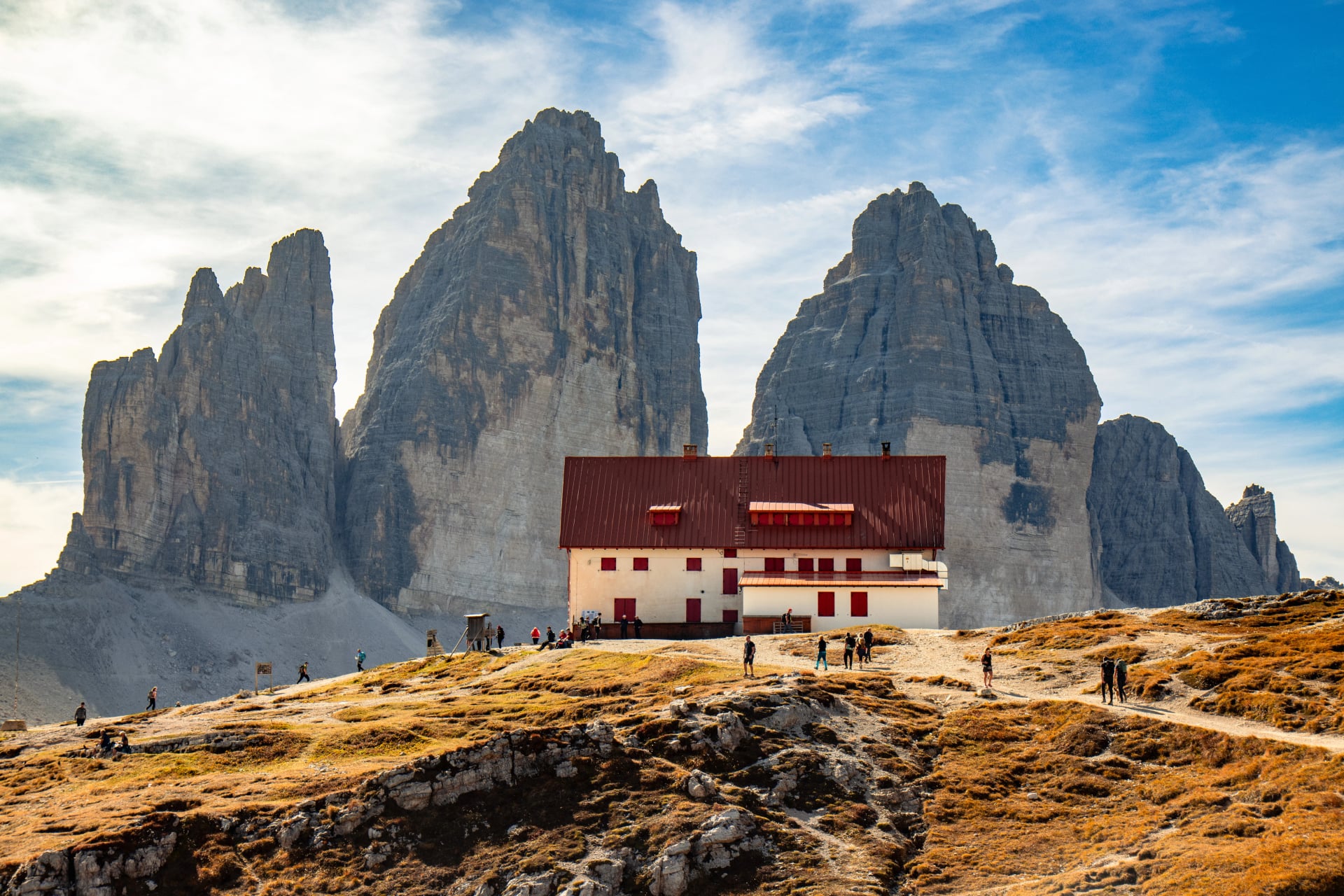
This guide covers everything: accommodation types, which regions offer the best hiking, and how to choose where to stay based on your goals and preferences.
Two Ways to Stay in the Dolomites
1. Valley-Based Hotel/Inn Hiking
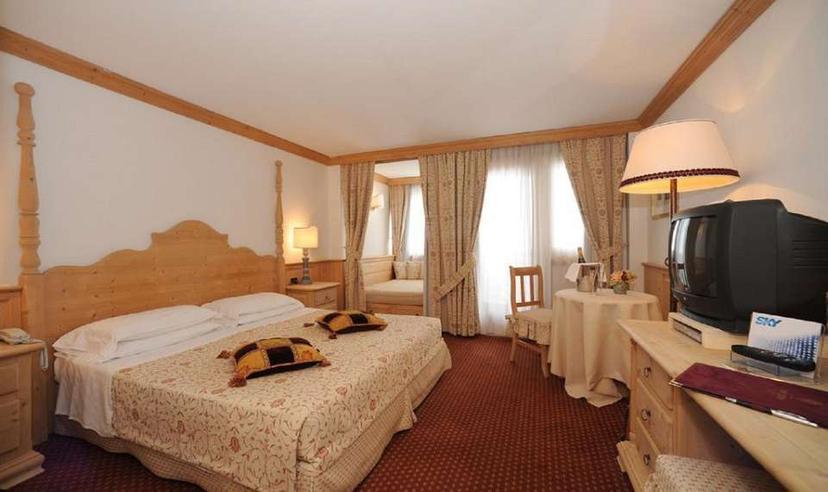
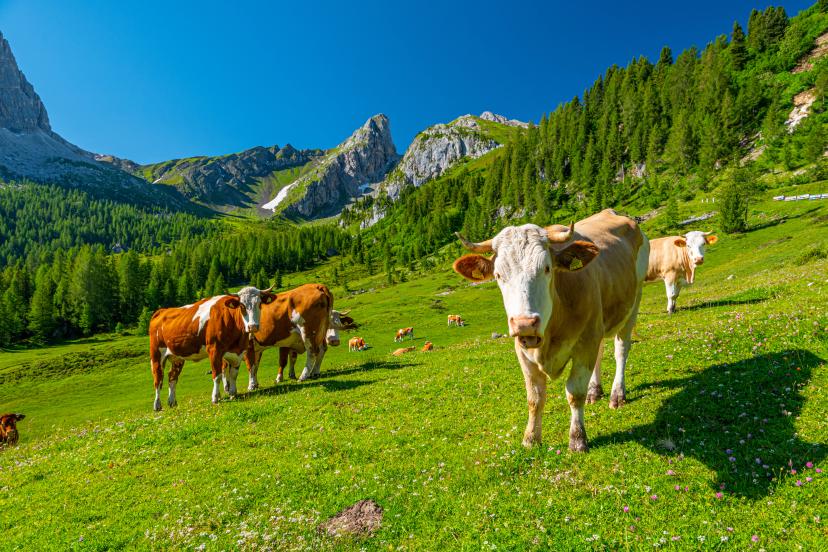
Stay in the same comfortable hotel or guesthouse for 3-7 nights, taking different day hikes each day via bus, cable car, or direct trail access from town. You return to the same bed, hot shower, and restaurant every evening. Your base stays constant while your daily adventures vary—one day you hike to a high pass, the next you explore a valley loop, the third you take a cable car up and hike across a plateau.
Best for:
Families with children
First-time Dolomites visitors
Those prioritizing comfort and flexibility
Hikers who want variety without multi-day trek commitment
Anyone who values private rooms and hot showers
2. Hut-to-Hut (Rifugio) Trekking
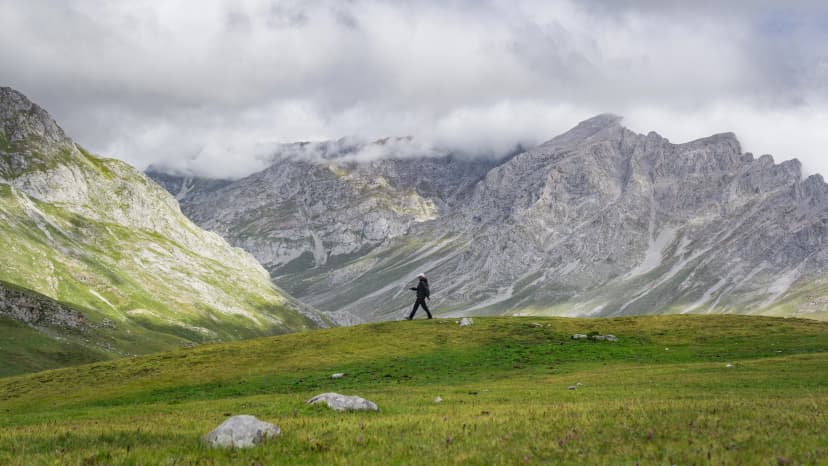
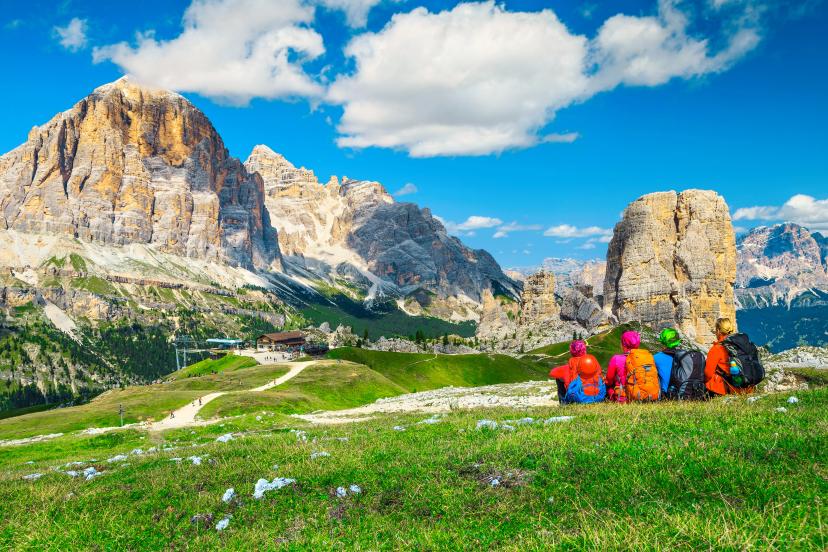
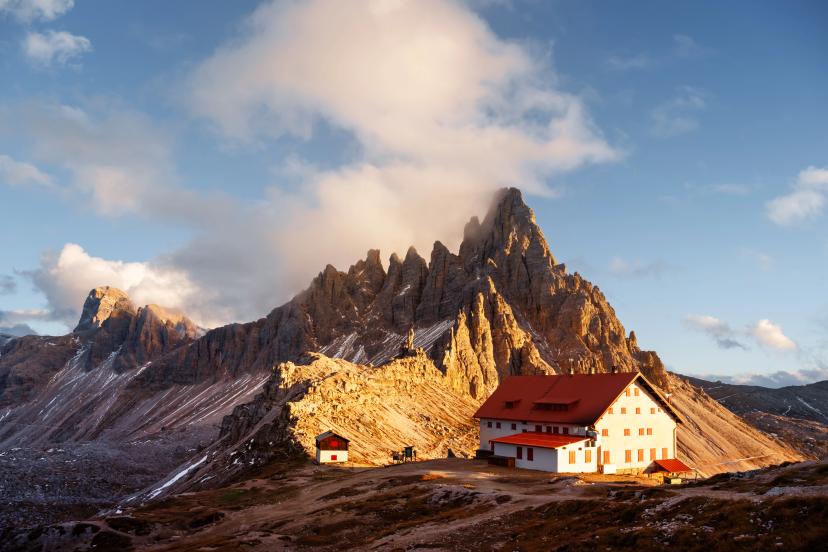
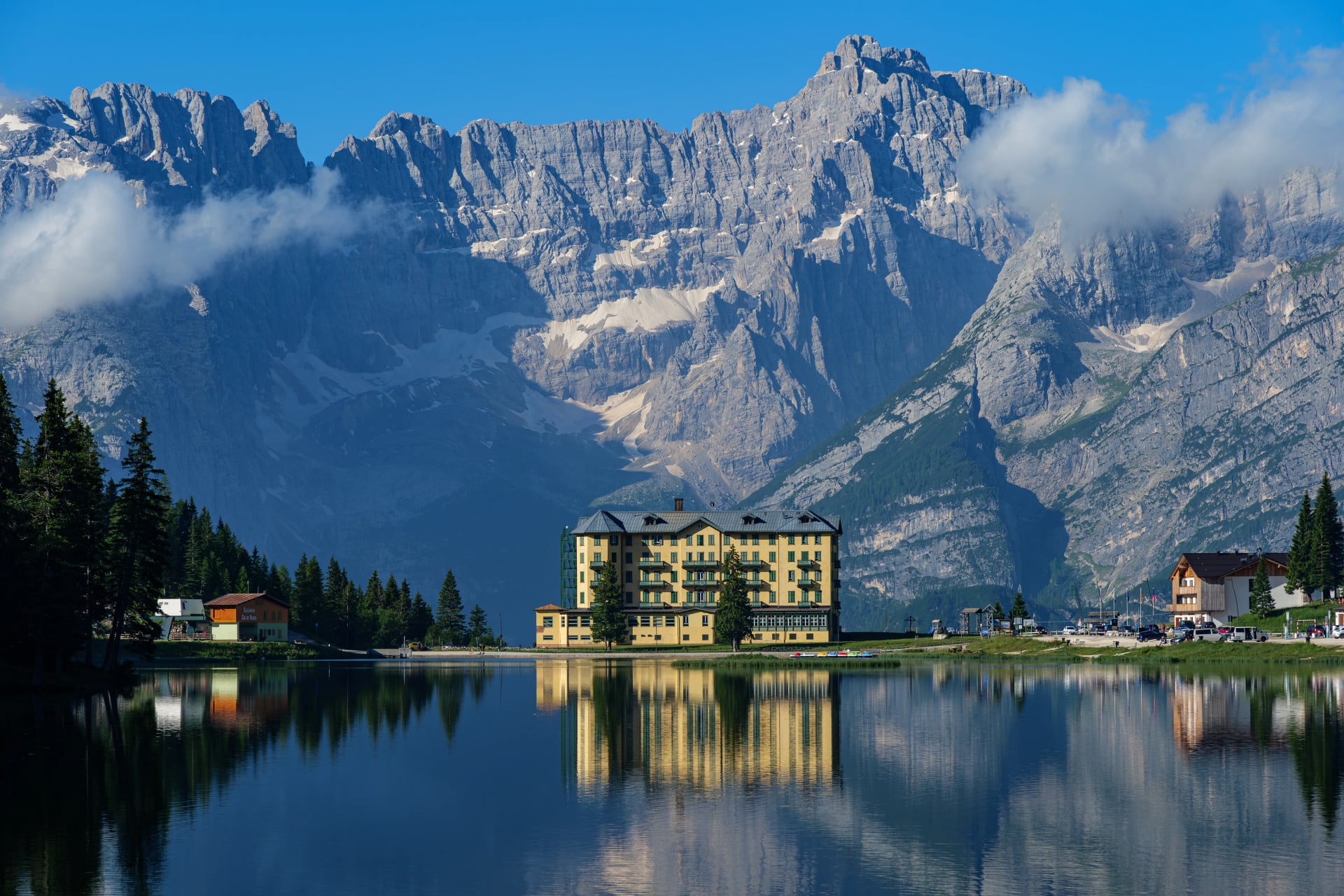
Move to a different mountain rifugio each night on multi-day routes like Alta Via 1 or Alta Via 2. You carry only a backpack (no tent, sleeping bag, or cooking gear needed—rifugios provide beds, blankets, and meals), hike 5-8 hours daily through high mountain terrain, and sleep in dormitory bunks alongside fellow hikers from around the world. Each morning you wake up already in the mountains, already on the trail.
Best for:
Adventure seekers wanting immersive mountain experiences
Alta Via trekkers
Those comfortable with dormitory sleeping and basic facilities
Hikers seeking the social atmosphere of communal rifugio dinners
Trail camaraderie enthusiasts
If you pick this option, this packing guide will help you pack properly.
The Hybrid Approach
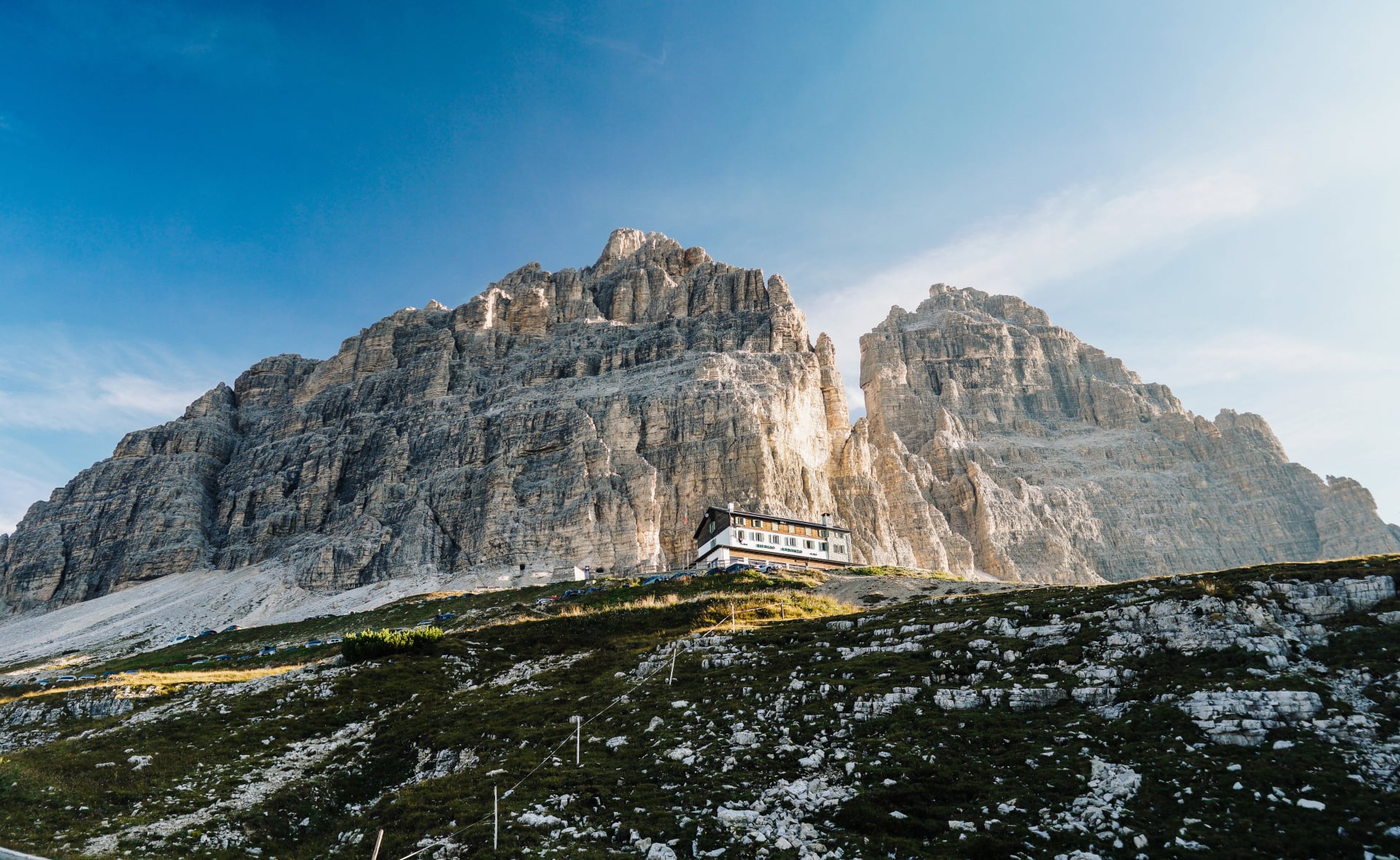
Most experienced hikers combine both styles. A typical itinerary:
2-3 nights in a comfortable hotel to acclimatize, explore the area, and prepare
Then 4-7 nights of rifugio trekking on an Alta Via route
Then 1-2 nights back at a hotel to shower, do laundry, and celebrate your accomplishment over a restaurant meal with wine
The key is matching your accommodation style to your goals, fitness level, and comfort preferences. There's no "right" answer—only what works for you.
Which Part of the Dolomites is Best?
The Dolomites cover a massive area—roughly 3,000 square kilometers spanning multiple valleys, mountain groups, and distinct regions. Where you stay depends entirely on which landscapes you want to prioritize and which routes interest you most.
Here's how the main regions compare:
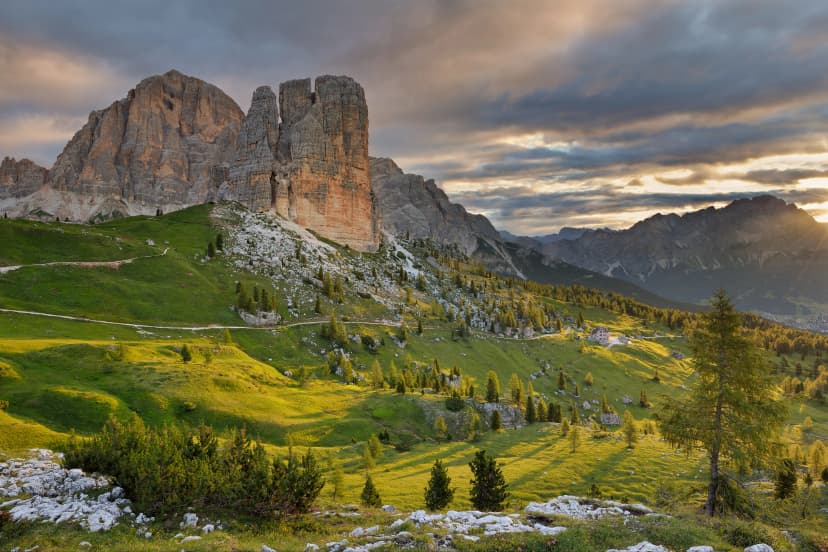
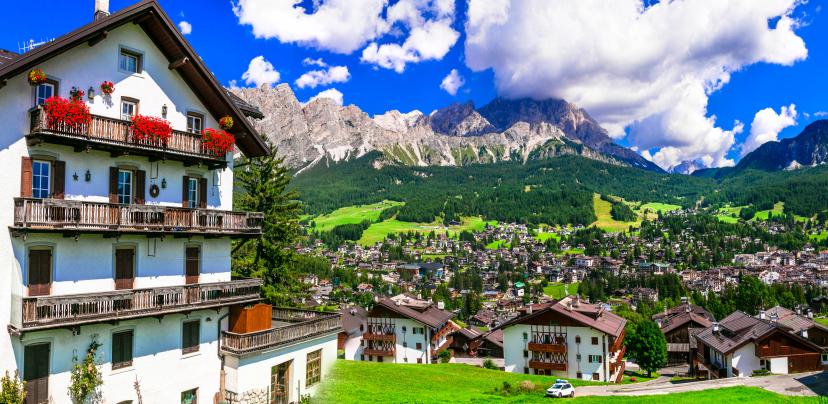
Eastern Dolomites (Cortina Area)
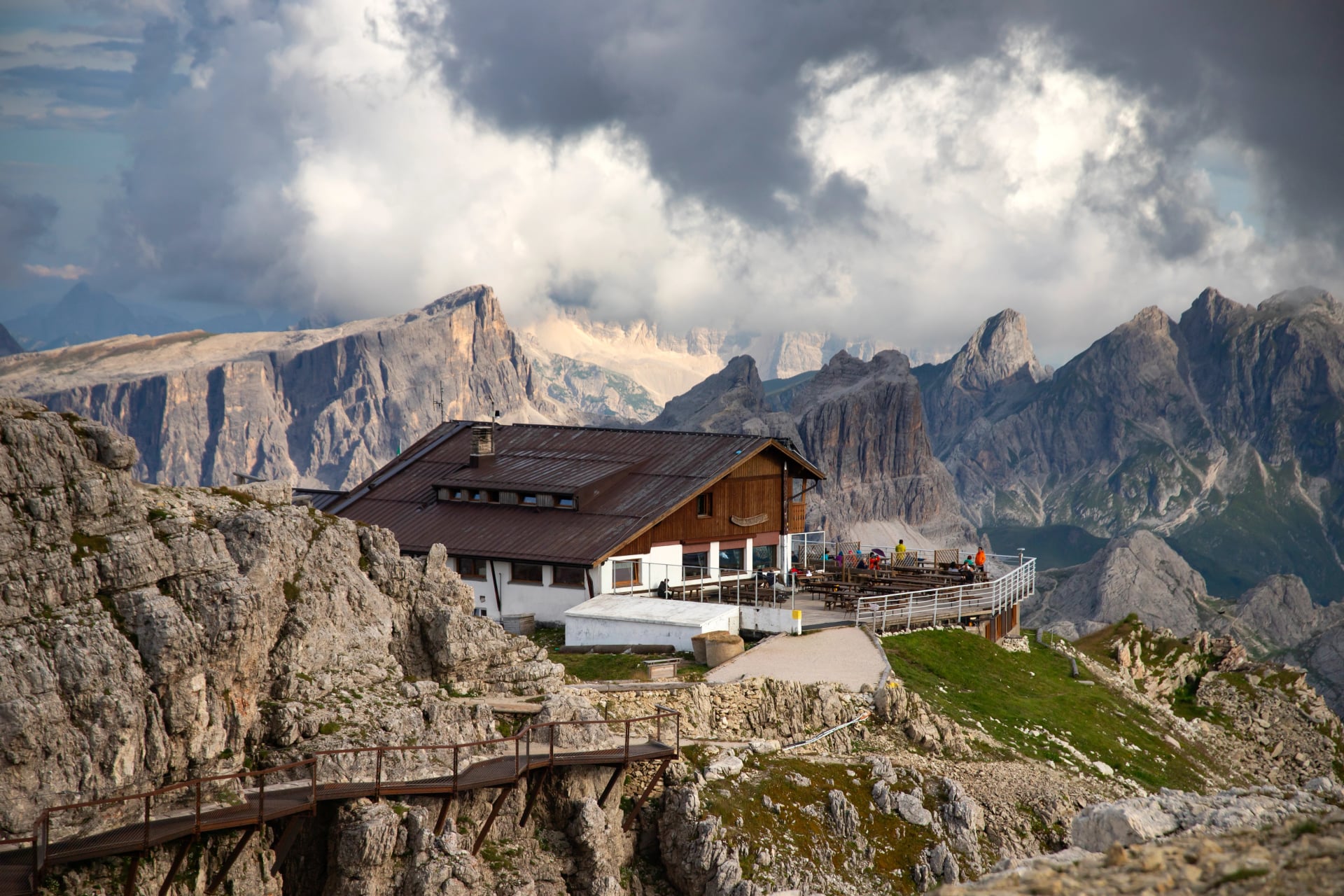
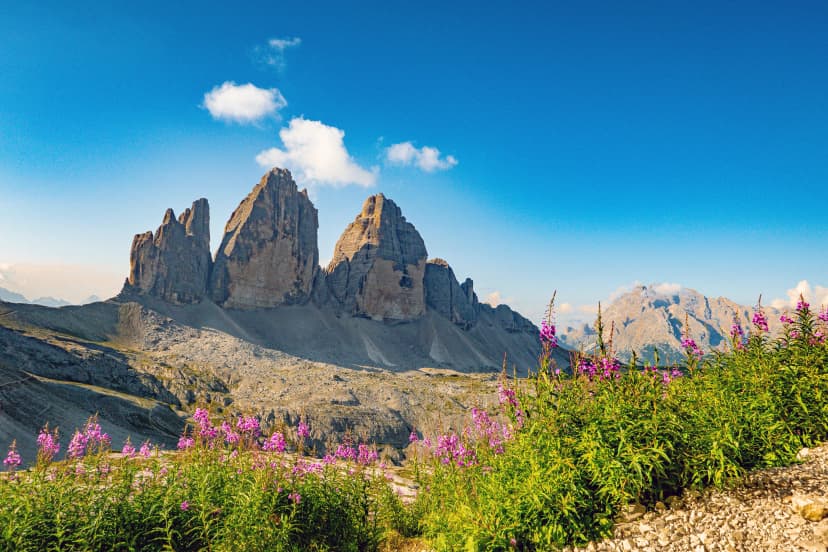
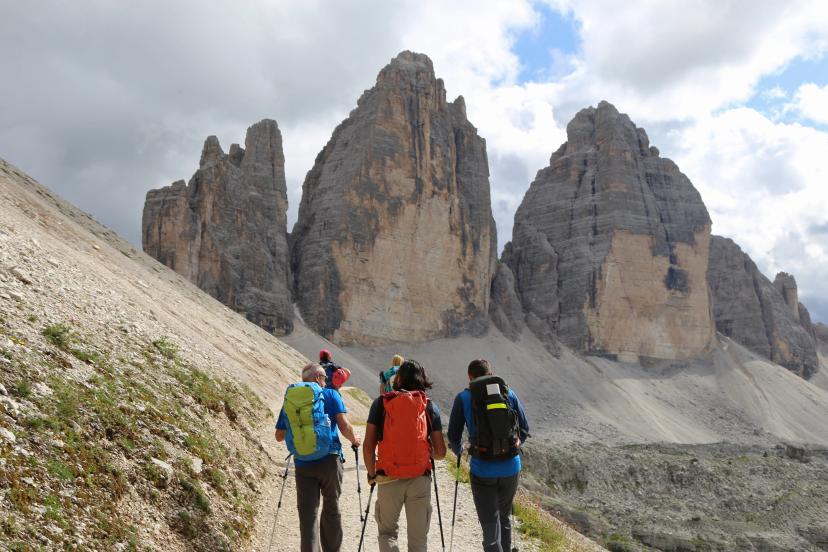
Best for: Alta Via 1 access, Tre Cime di Lavaredo, Lago di Braies, dramatic iconic peaks, classic Dolomites photography
Base towns: Cortina d'Ampezzo, San Vito di Cadore, Auronzo, Dobbiaco
Character: Famous, postcard-perfect landscapes that appear in every Dolomites guidebook.
Excellent infrastructure with abundant hotels, restaurants, gear shops, and transport connections. Busier in summer—you'll share trails and rifugios with many other hikers, especially in July-August.
Recommended If:
You want the "classic" Dolomites experience with guaranteed stunning scenery and don't mind summer crowds. This is the most accessible region with the most resources for visitors.
Central Dolomites
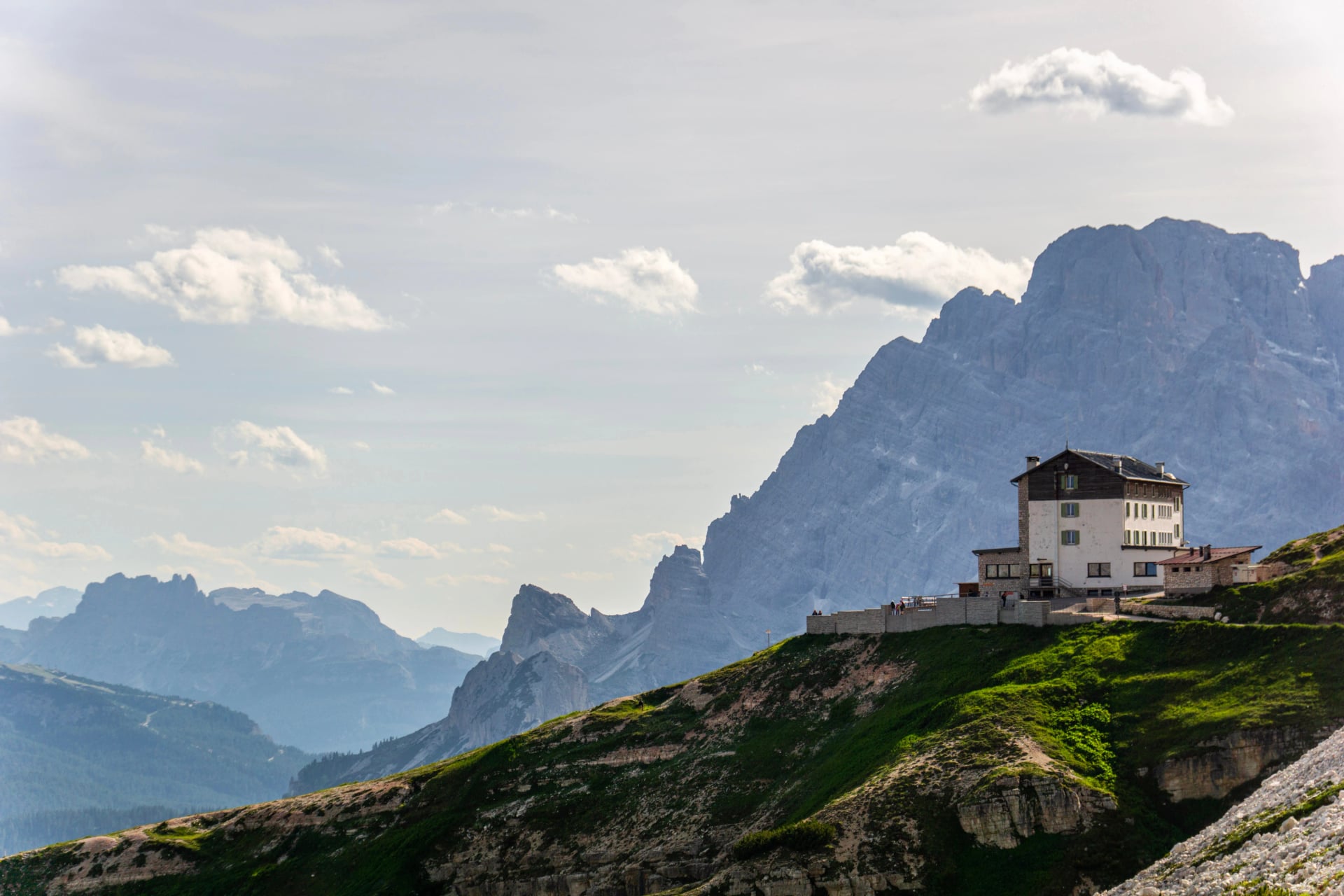
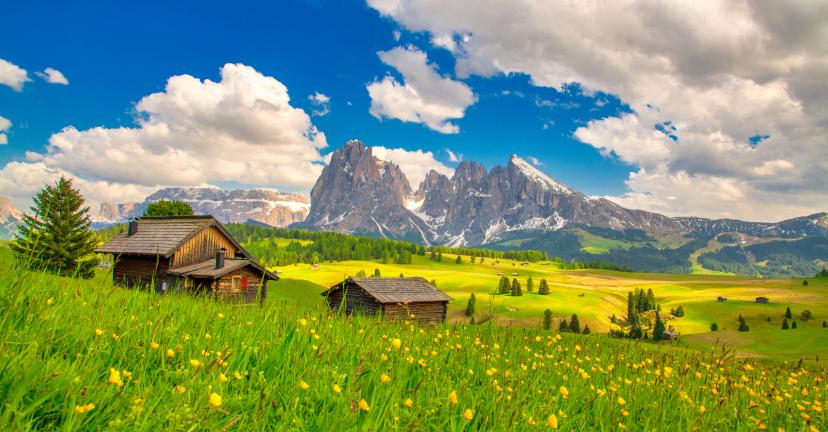
Best for: Seiser Alm plateau, Sella Group, gentler valley hikes, South Tyrolean culture and cuisine, accessible terrain for all fitness levels
Base towns: Ortisei, Kastelruth (Castelrotto), Selva di Val Gardena, Compatsch
Character: Rolling alpine meadows, expansive plateau hiking with less extreme elevation gain, excellent food and wine scene, strong Germanic/Ladin cultural influence. Less "dramatic peaks" than the eastern region, more "sweeping mountain panoramas." Family-friendly with options for all abilities.
Recommended If:
You want beautiful scenery without extreme technical difficulty
You're interested in cultural experiences beyond hiking
You value excellent food and hospitality
You're hiking with mixed-ability groups
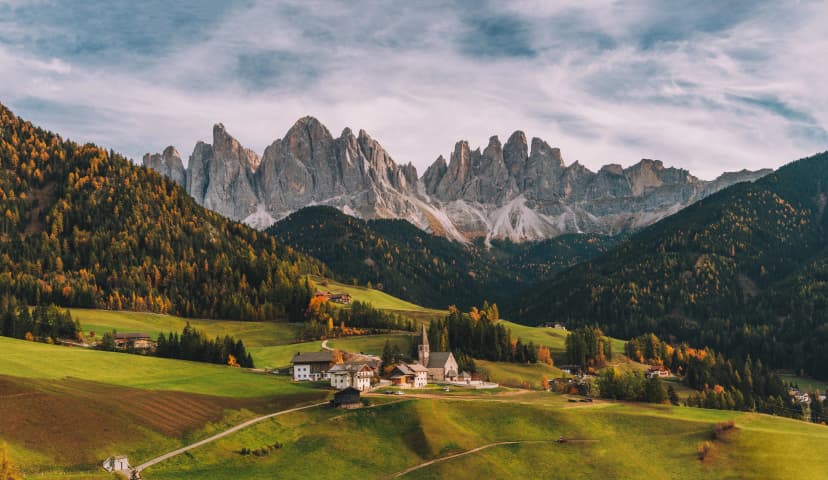
Northern Dolomites
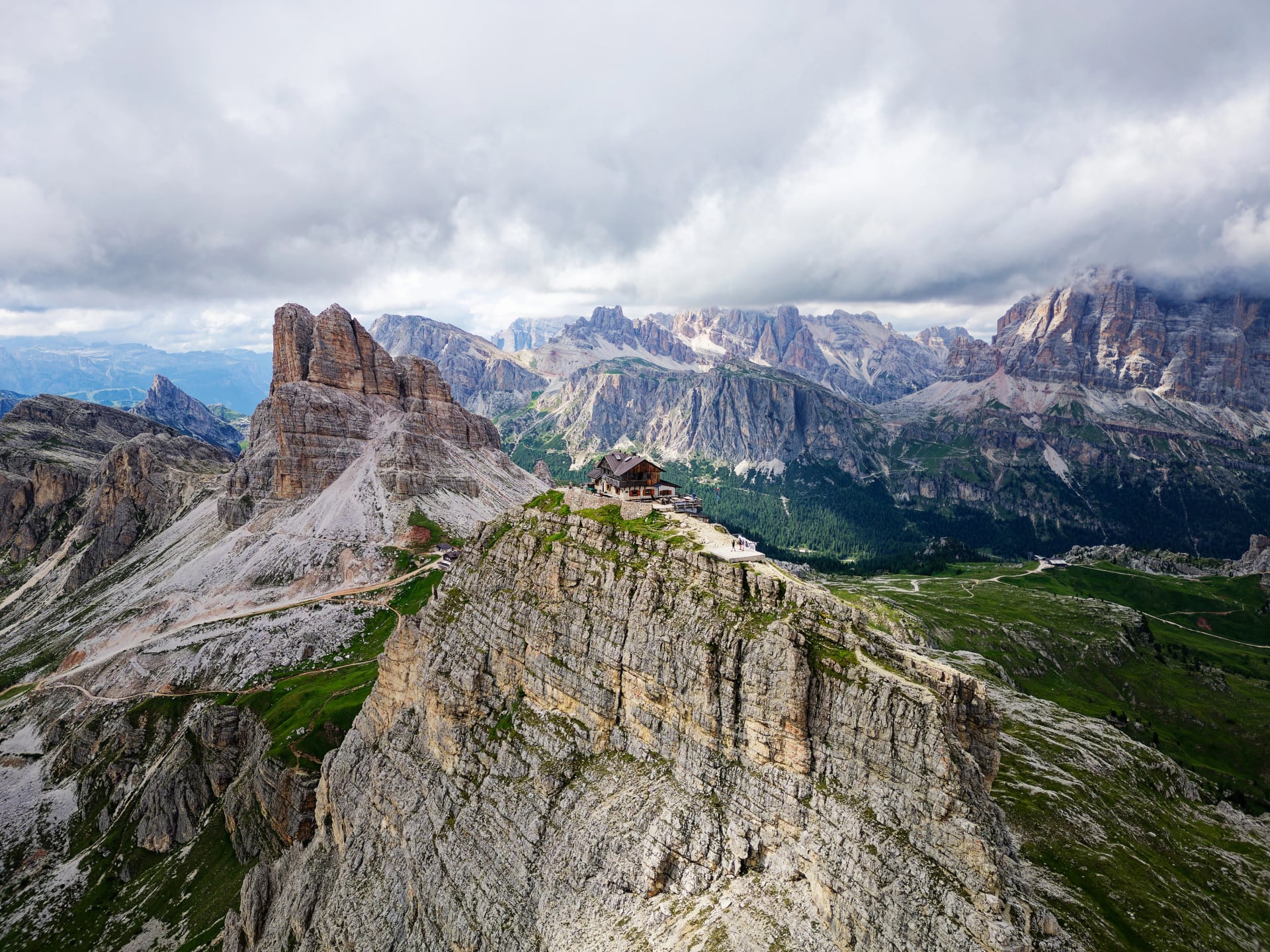
Best for: Dramatic Odle (Geisler) peaks, quieter trails with fewer tourists, wildflower meadows, landscape photography, authentic mountain villages
Base towns: Bressanone (Brixen), St. Magdalena in Val di Funes, Santa Maddalena
Character: Quieter and more remote feeling than Cortina or Val Gardena. Stunning scenery—the Odle peaks are among the most dramatic in the range—but less extensive infrastructure. Fewer dining and shopping options, more emphasis on nature and solitude.
Recommended If:
You're seeking peace and don't mind limited services
You value authentic experiences over convenience
You're comfortable with fewer English-speaking locals and more basic accommodations
Western/Southern Dolomites
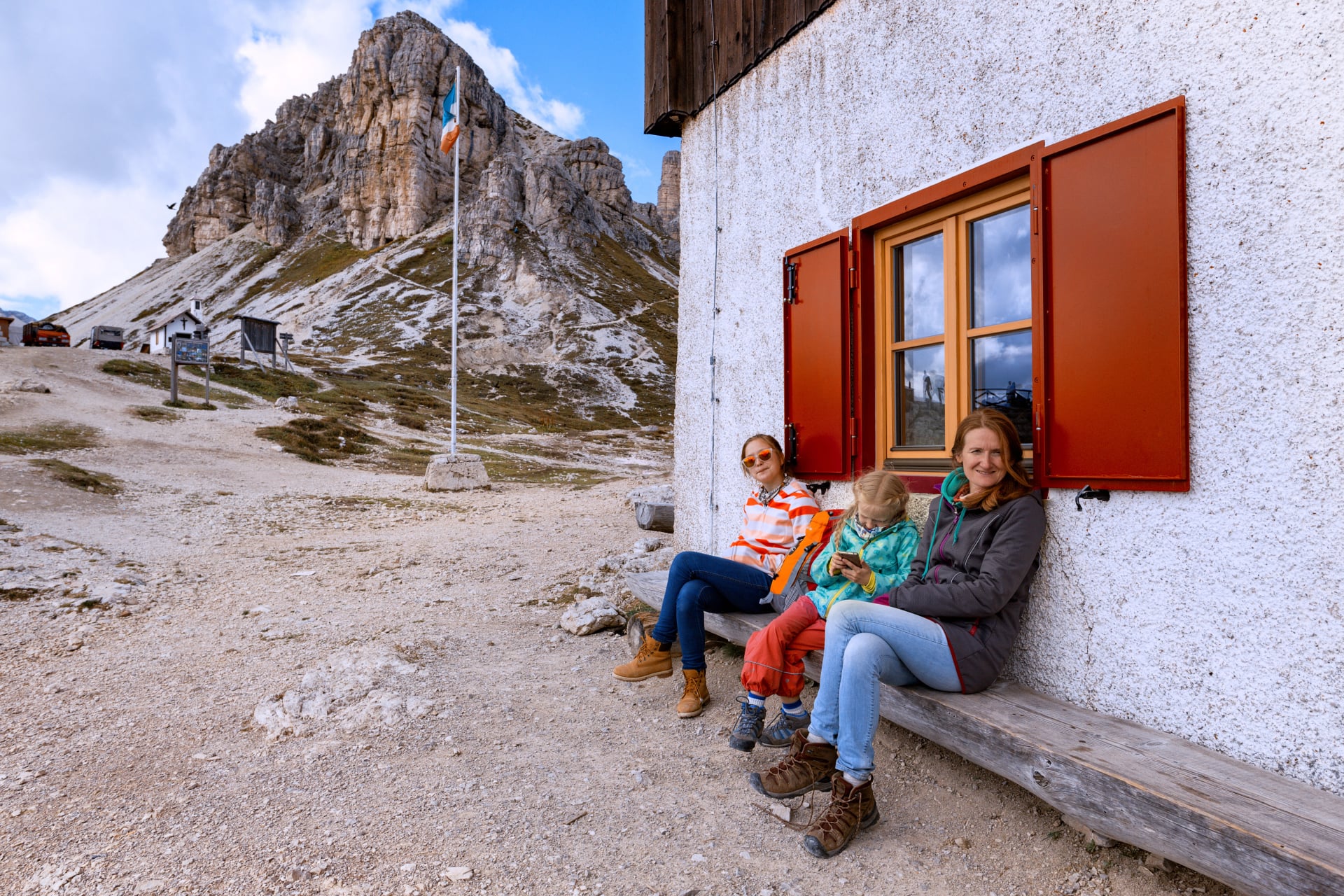
Best for: Remote hiking, Alta Via 1 southern sections, avoiding crowds entirely, wilderness experiences, exploring lesser-known peaks
Base towns: San Martino di Castrozza, Agordo, Alleghe, Belluno
Character: The wildest, least-touristed areas of the Dolomites. Spectacular mountain scenery—Civetta's northwest face is one of the biggest walls in the Alps—but requires more planning and self-sufficiency. Fewer English-language resources, more Italian-focused services.
Recommended If:
You're an experienced hiker comfortable navigating with less support
You actively want to avoid tourist crowds
You value wilderness and authenticity over convenience
You're specifically hiking southern Alta Via 1 stages
Our Recommendation for First-Timers
Start in the Central Dolomites (Val Gardena/Alpe di Siusi area) or Eastern Dolomites (Cortina area). Both offer:
Excellent infrastructure
Stunning scenery
Abundant accommodation options
Enough variety to fill a week without changing base locations
You genuinely can't go wrong with either region.
If you're still unsure which region suits you best, or you want to understand trail difficulty levels across different areas, see our Ultimate Guide to Hiking in the Dolomites for complete route breakdowns and planning advice.
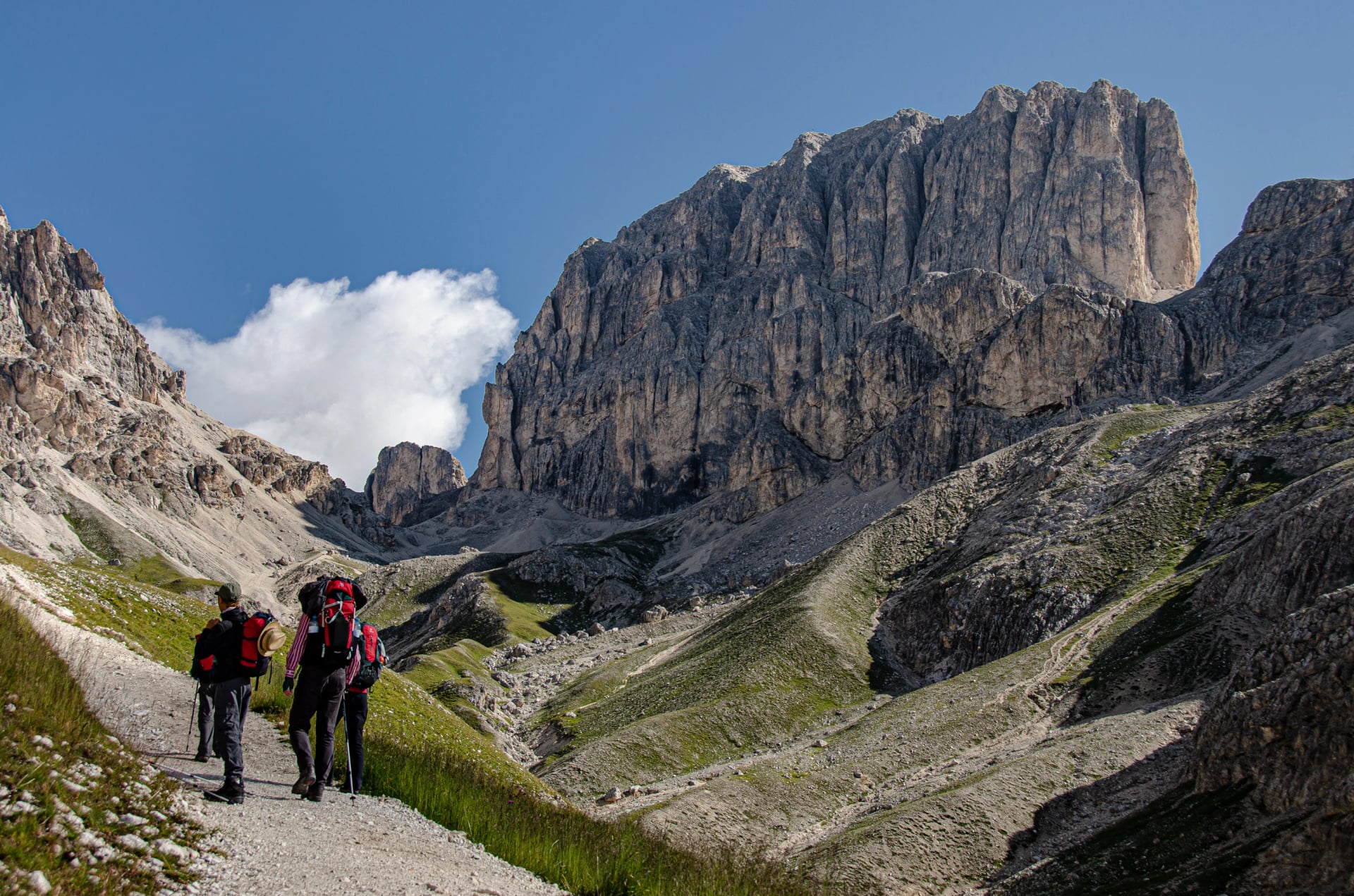
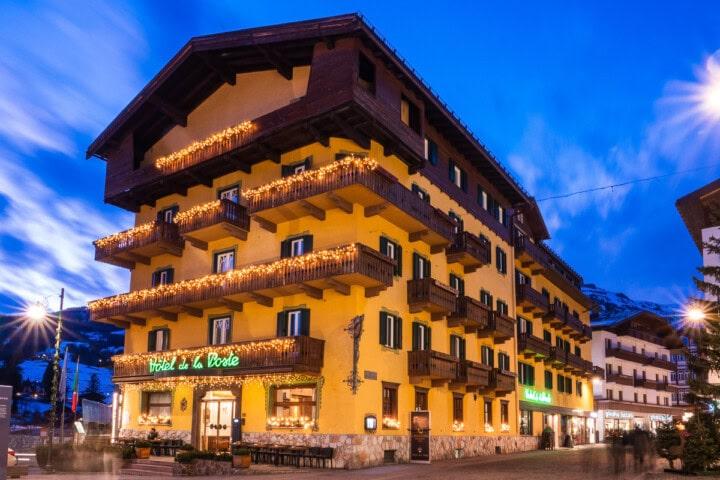
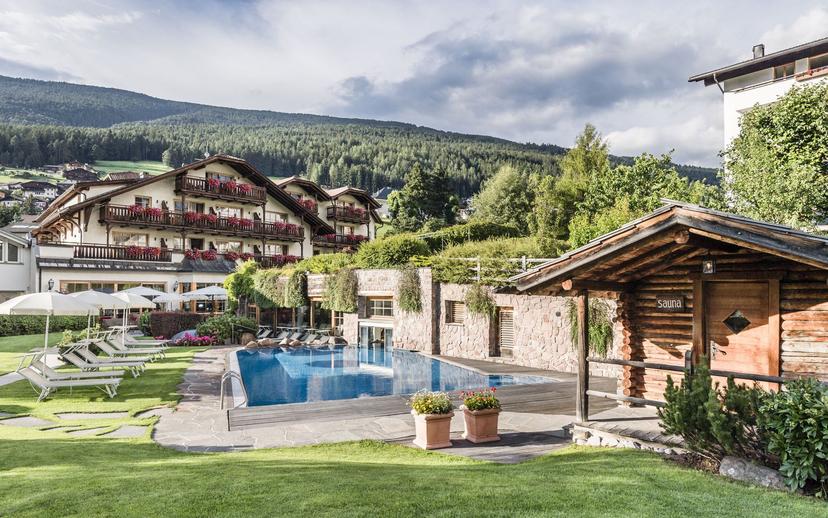
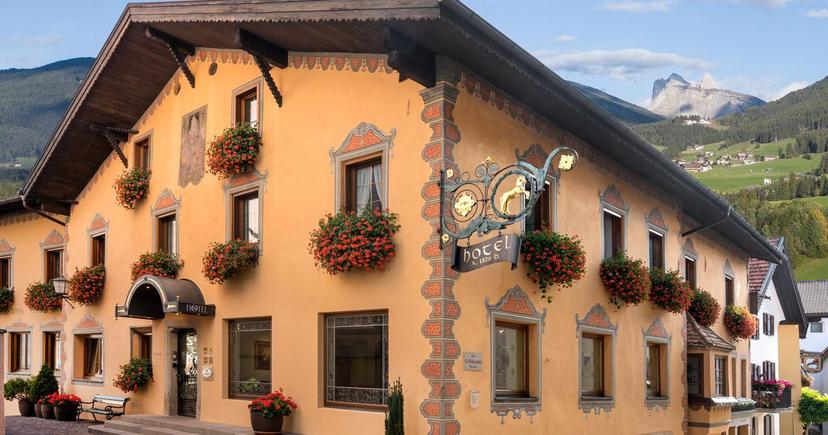
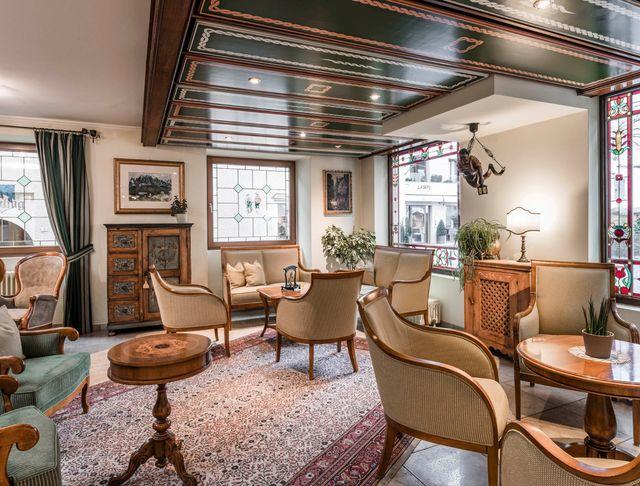
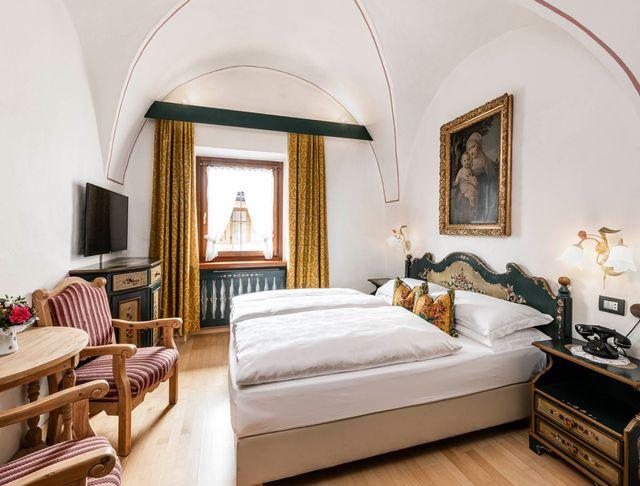
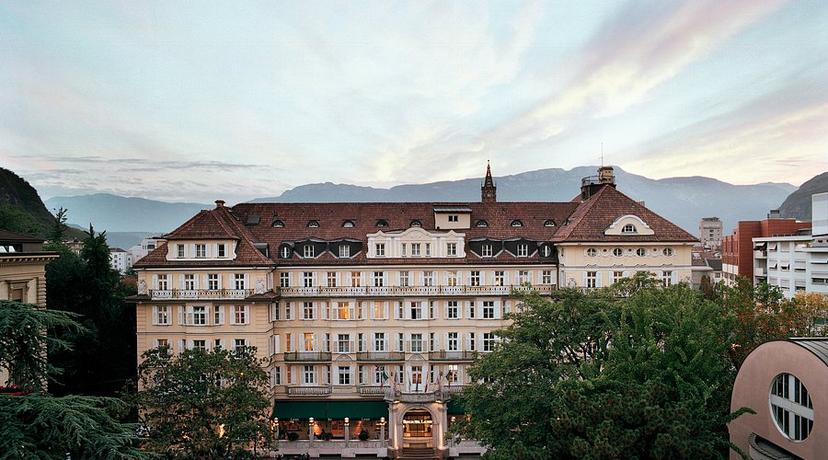
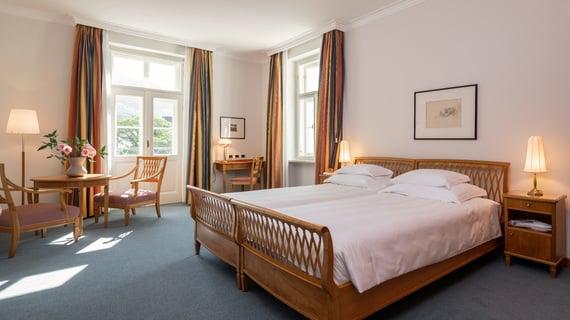
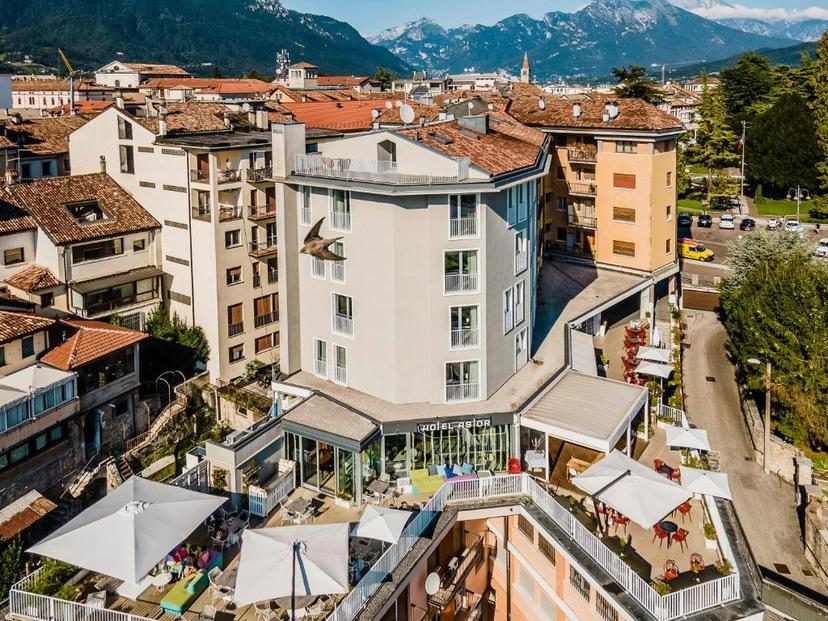
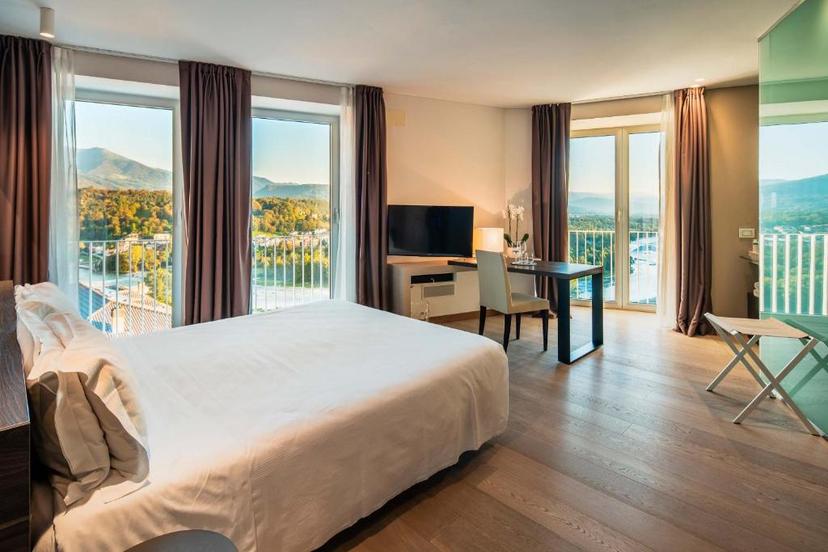
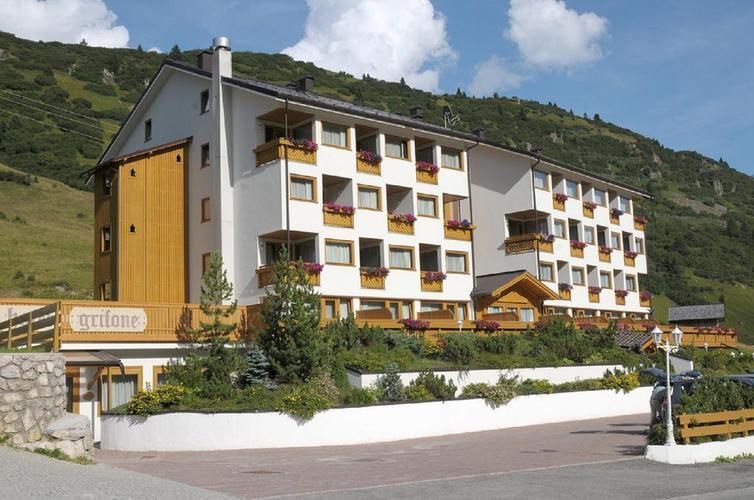
Top 10 Hotels & Inns When Hiking
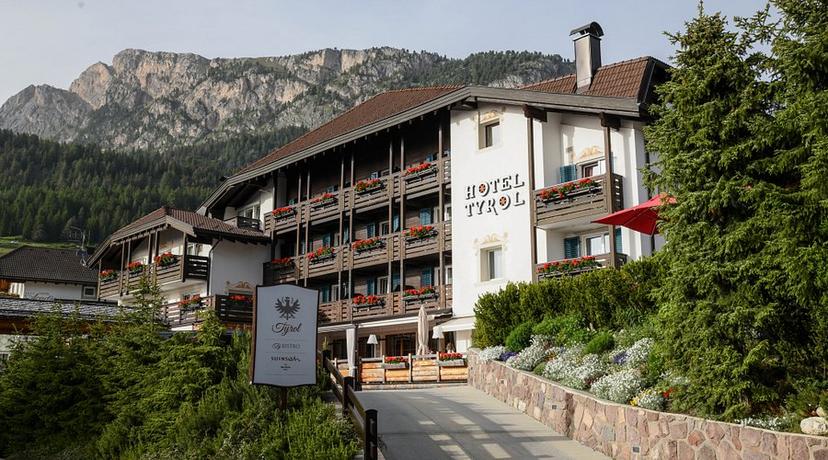
If you're staying valley-based and planning day hikes, choosing the right town and accommodation makes all the difference. These hotels and inns offer the best combination of location, comfort, and access to trailheads.
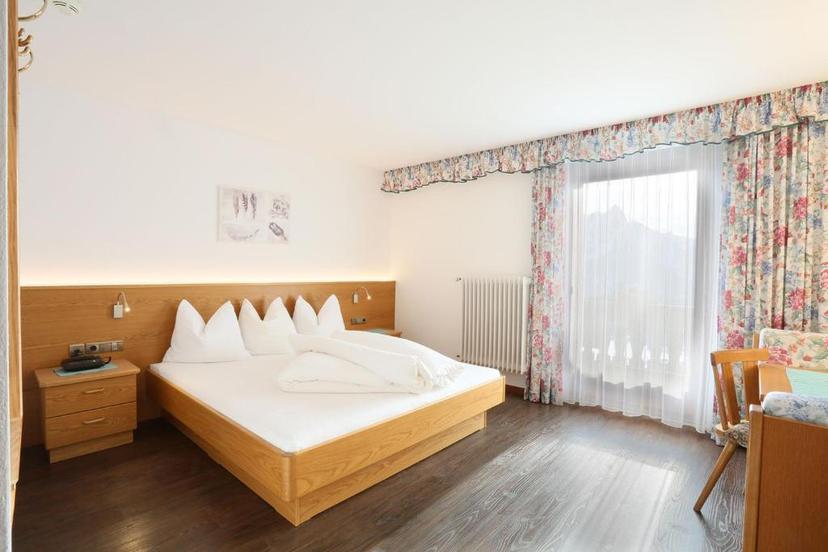
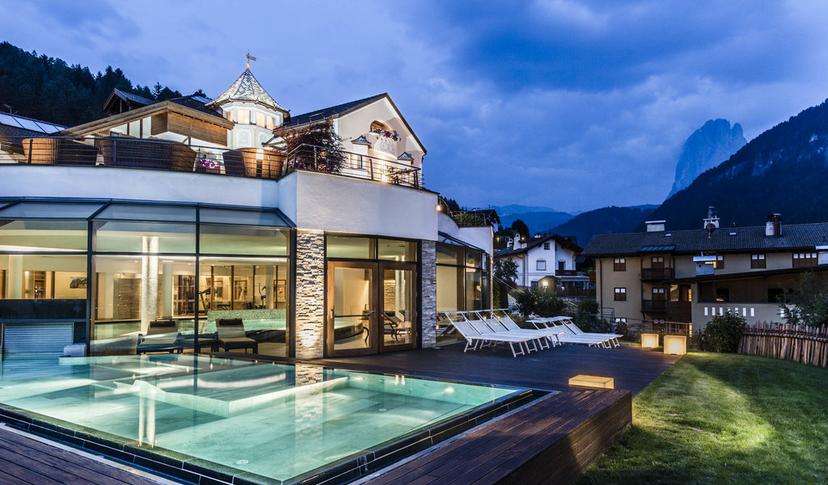
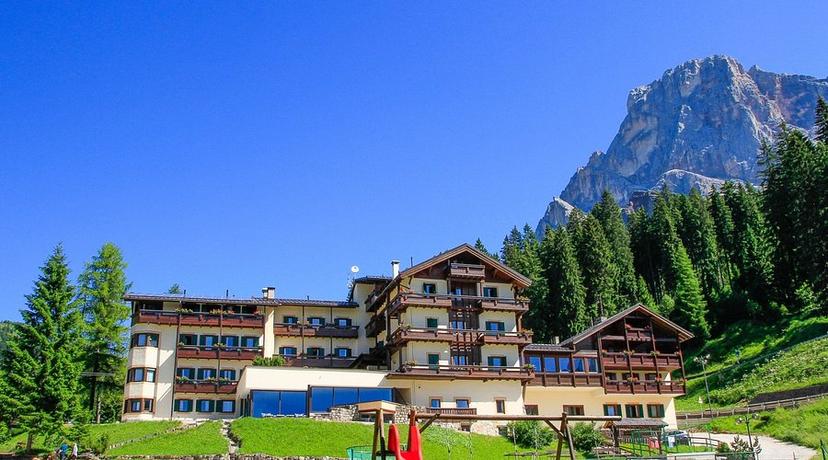
Here are the best accommodations for hikers—all located in towns with excellent public transport connections and close proximity to major trailheads:
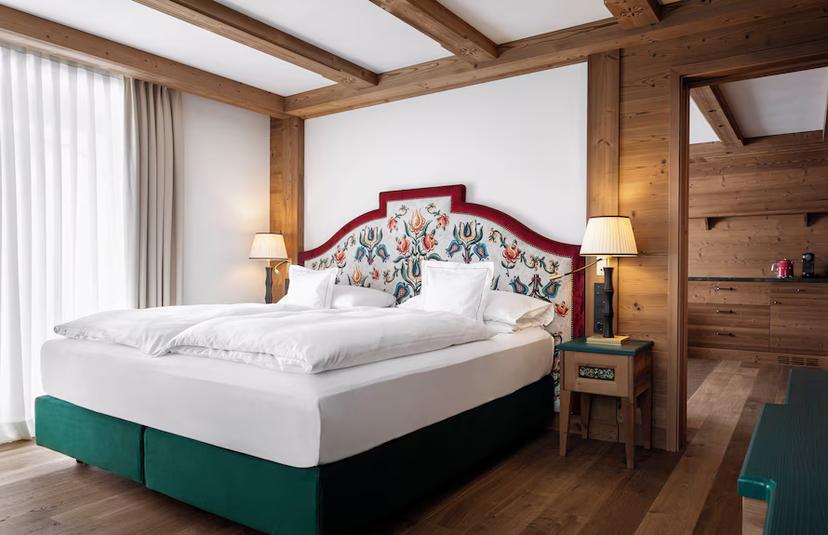
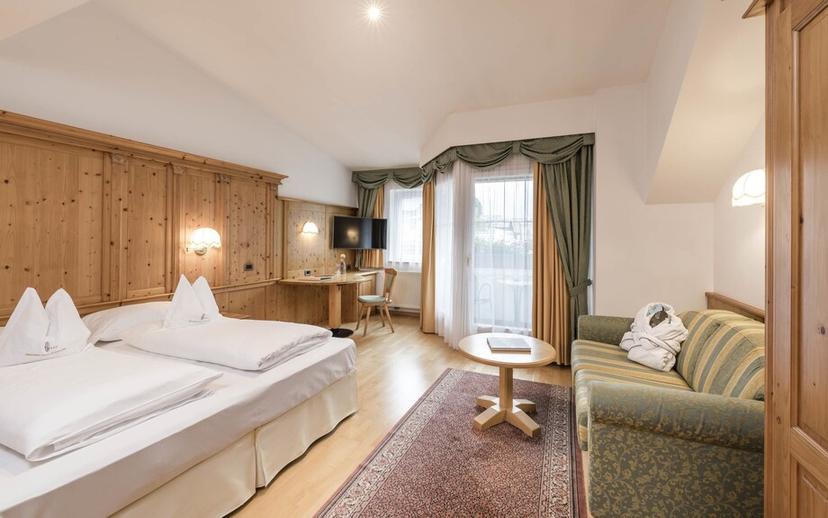
Our tours already include all the best 3* hotels (or alternative of similar value) that are en route. However we can easily tailor the stays according to your needs and liking, including upgrades to 4* and 5* hotels. Inquire about the possibilities.
Why They Work
All these towns have:
Excellent bus connections during summer hiking season
Close proximity to major trailheads
Multiple hiking options within easy reach
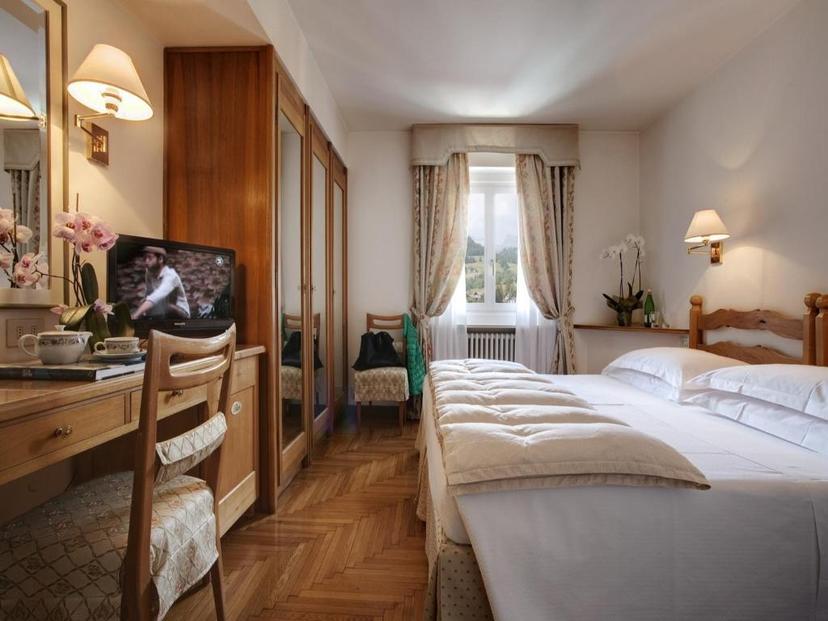
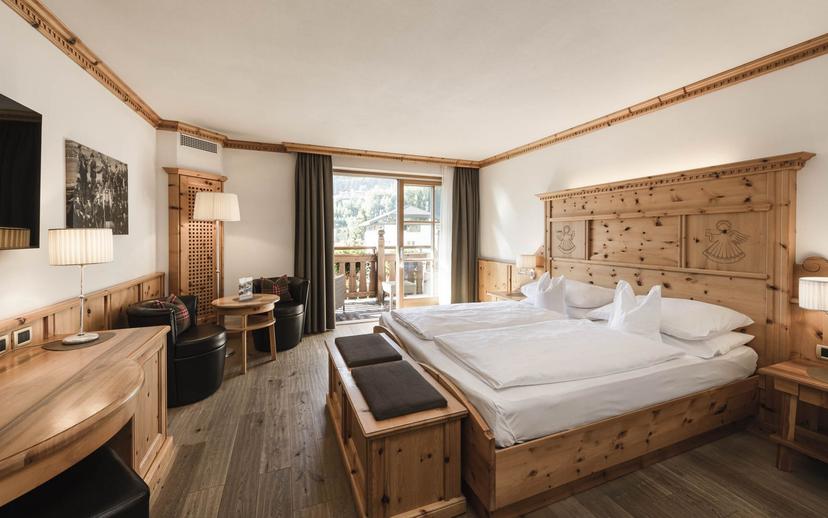
You can stay in one place for an entire week and never repeat the same hike. Most hotels include breakfast, offer comfortable rooms with private bathrooms, and provide that essential post-hike hot shower.
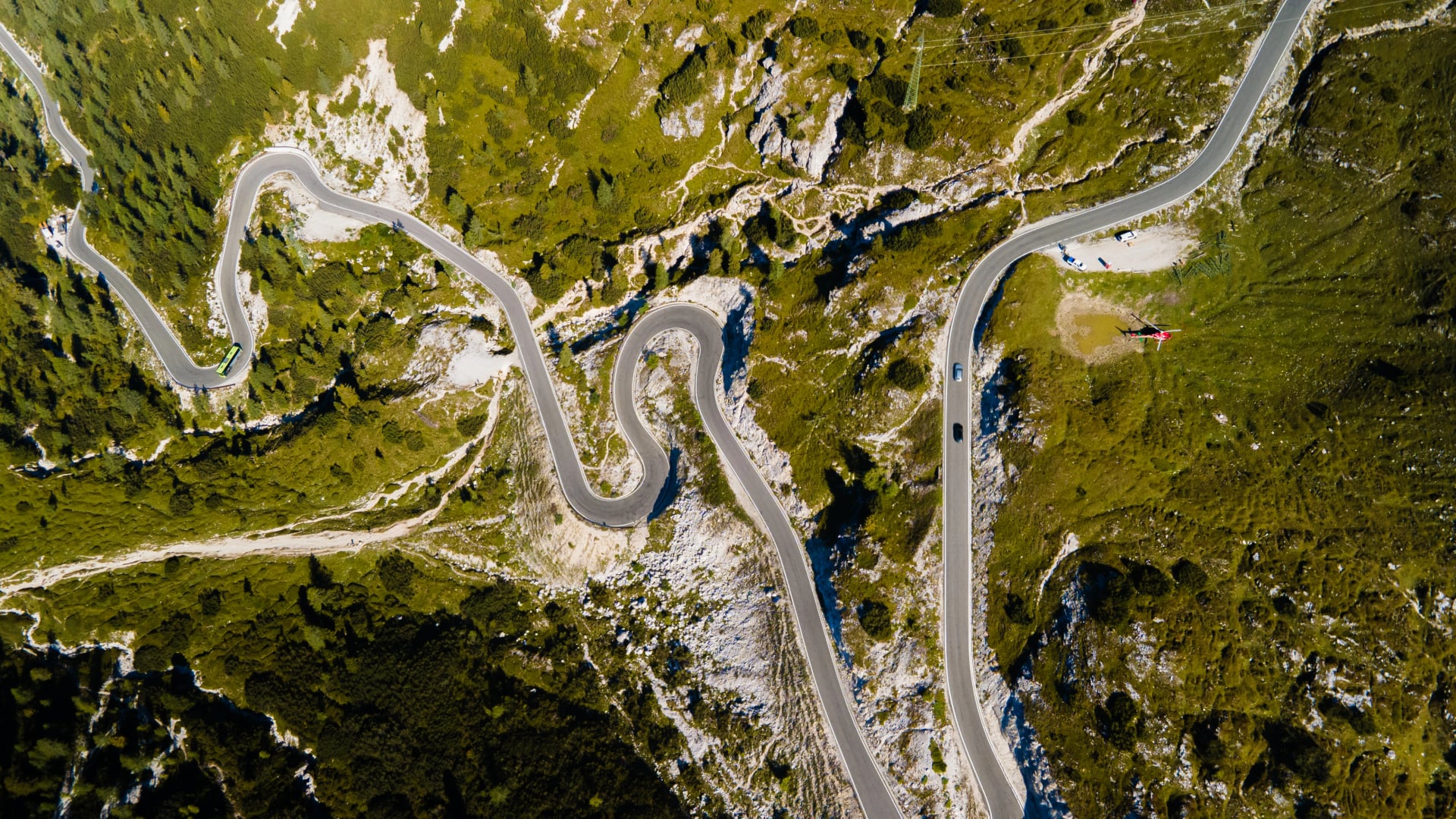
Booking Tips For Summer
Reserve 3-4 months ahead for July-August when peak season fills up completely. June and September offer significantly better availability and lower prices while still delivering excellent hiking conditions.
Always confirm breakfast is included (it usually is, but verify when booking), and ask about packed lunch options if you're planning long day hikes that won't return by lunchtime.
For complete details on reaching these towns by train and bus, including specific transport routes and schedules, see our guide to getting to the Dolomites.
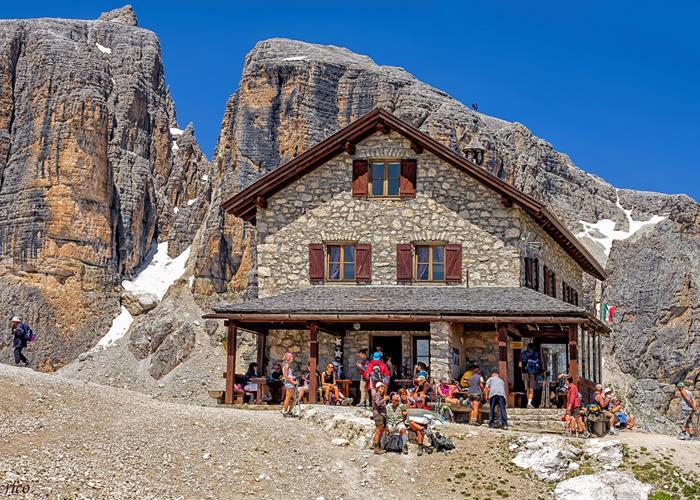
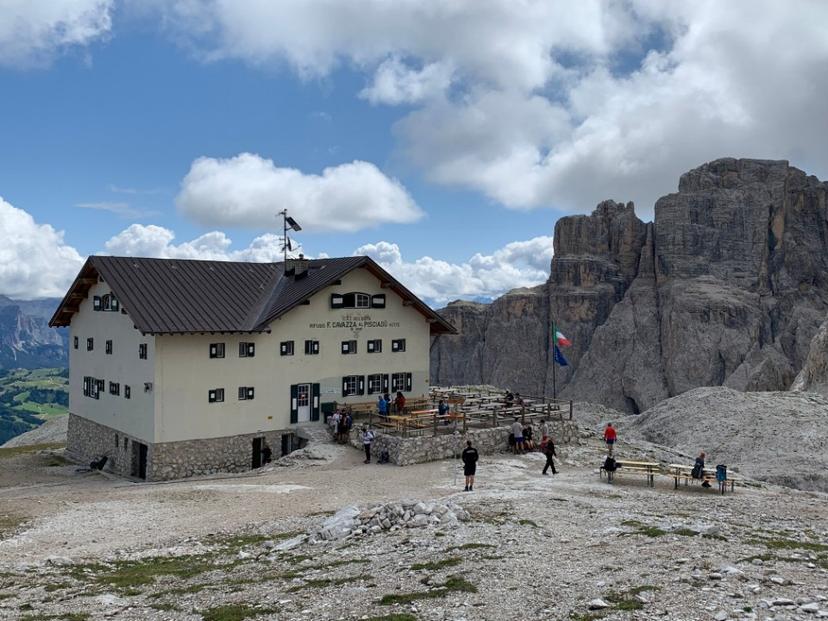
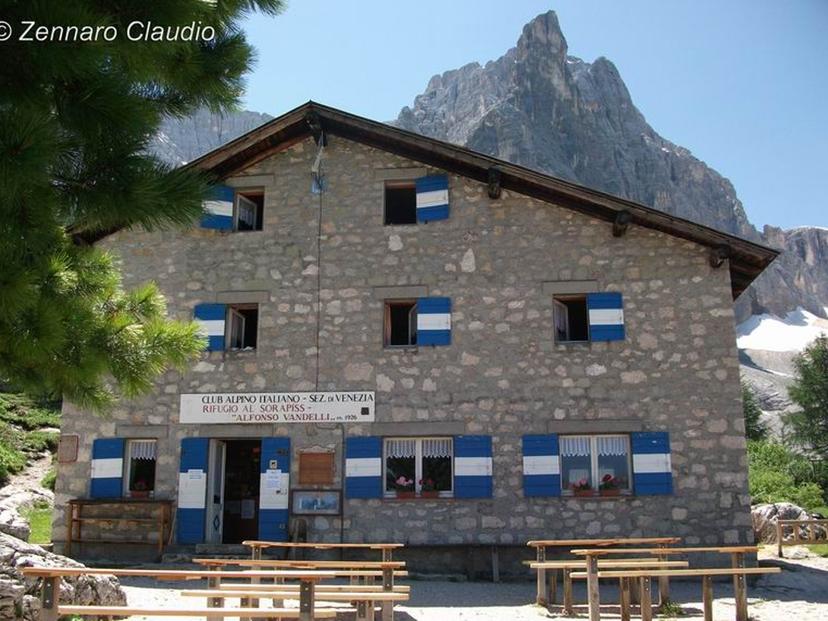
The 10 Best Rifugios in the Dolomites
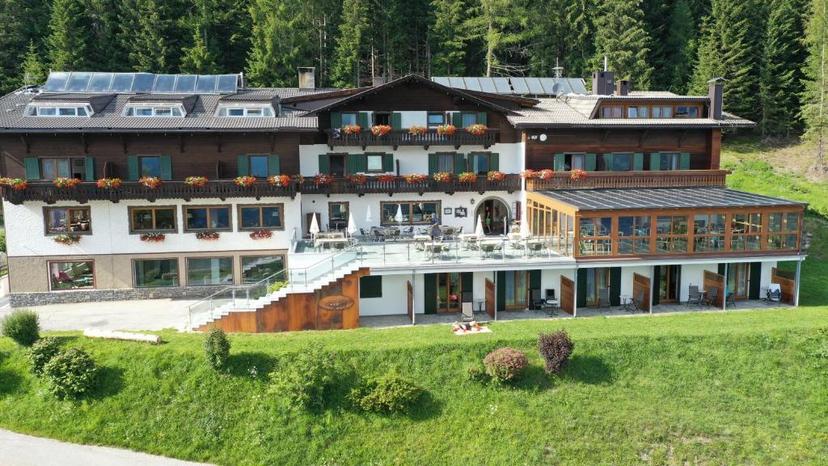
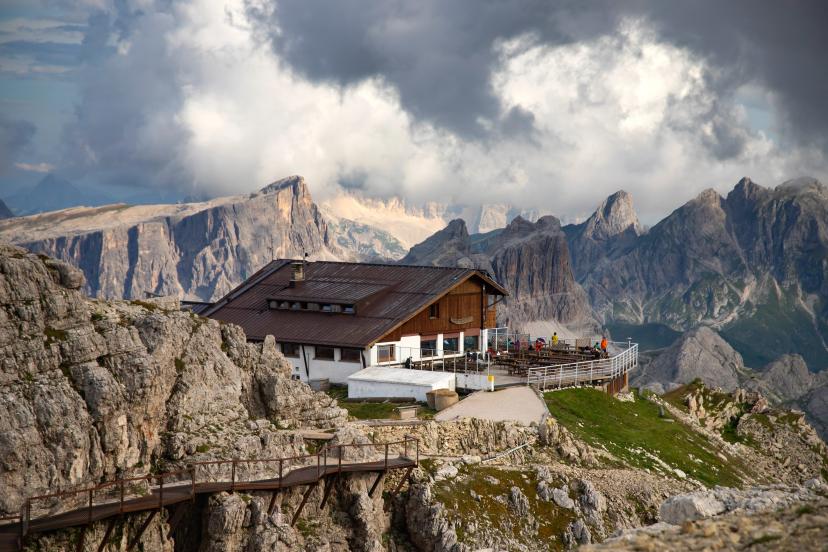
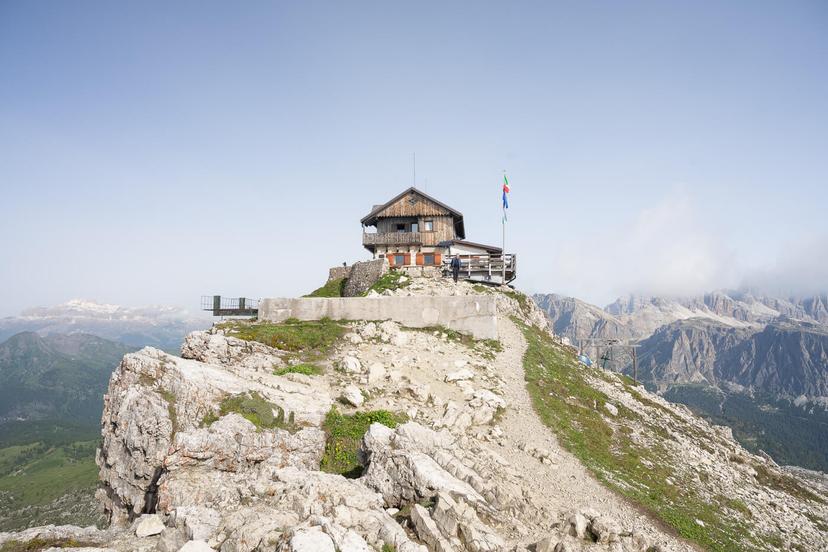
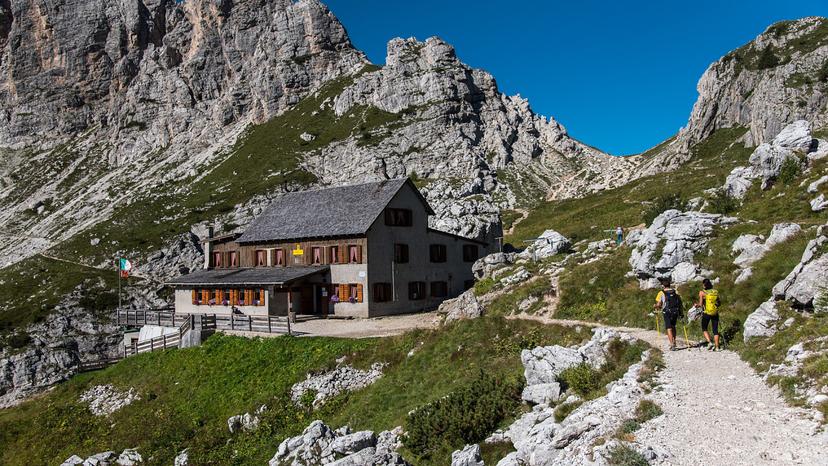
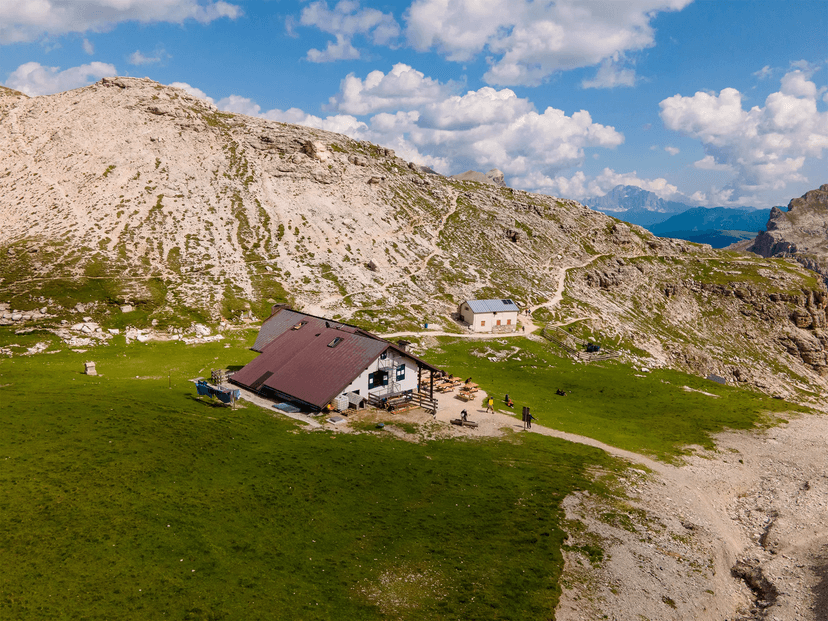
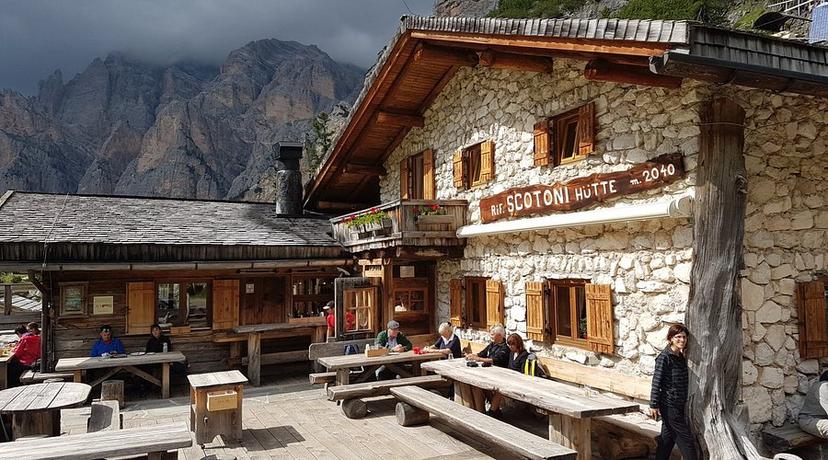
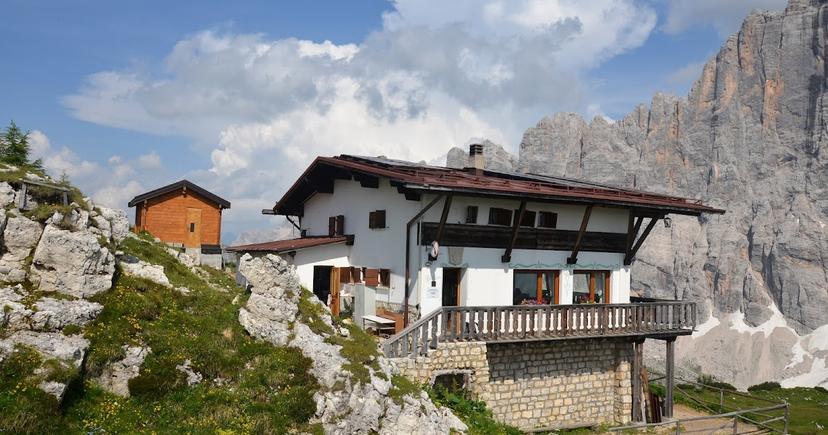
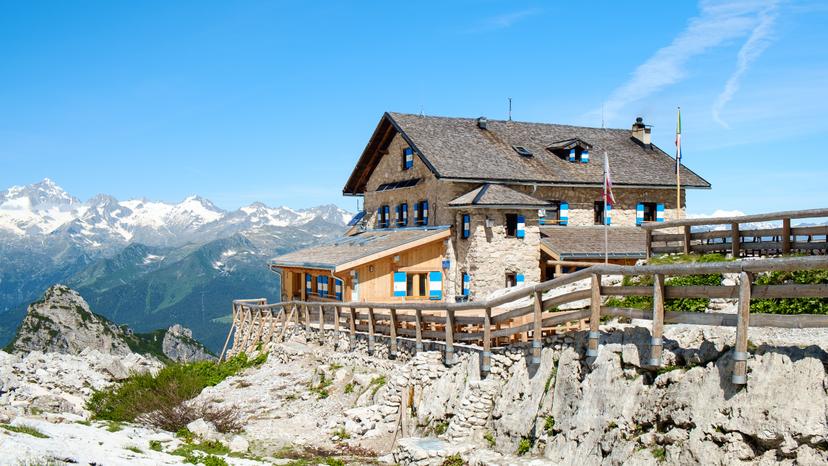
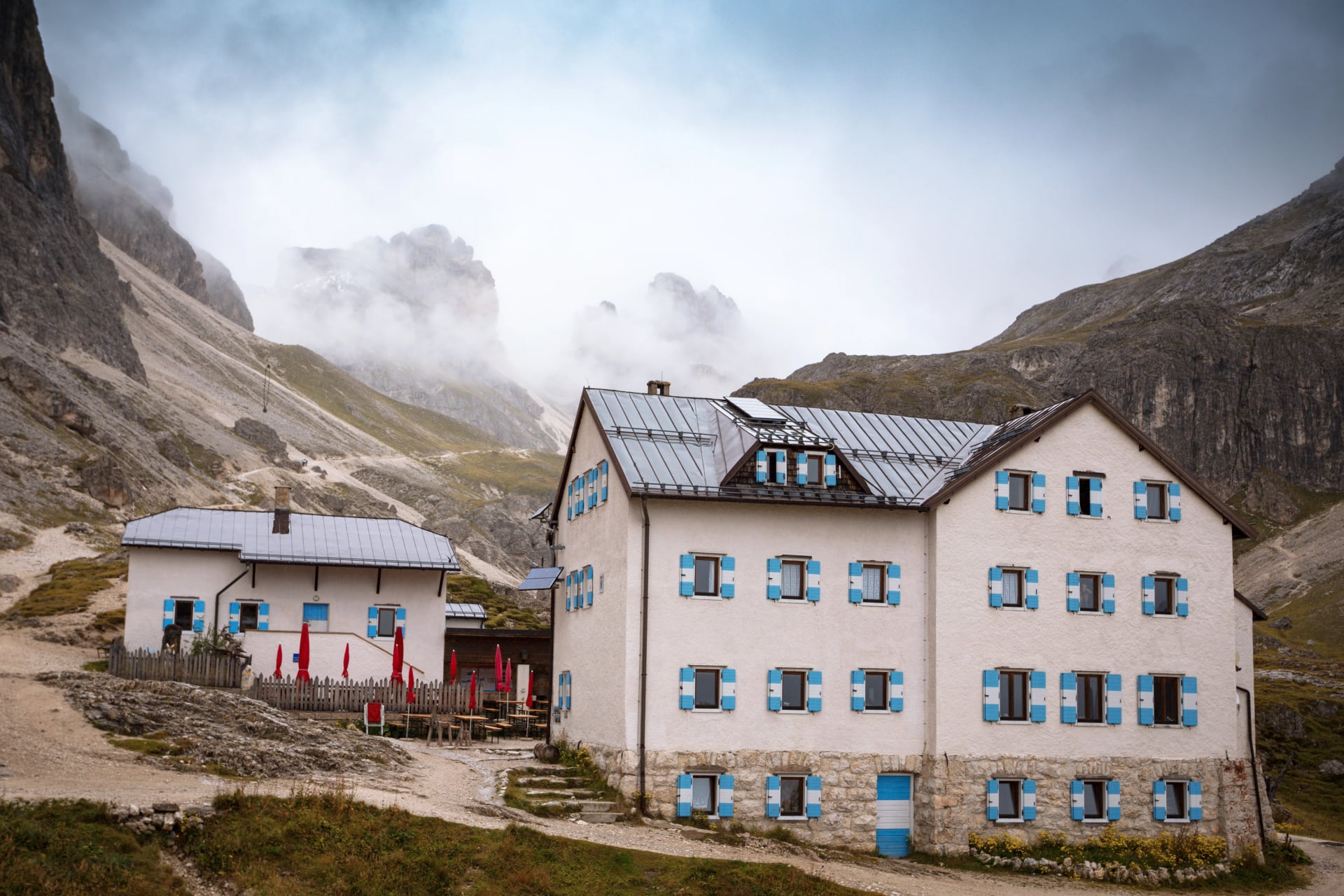
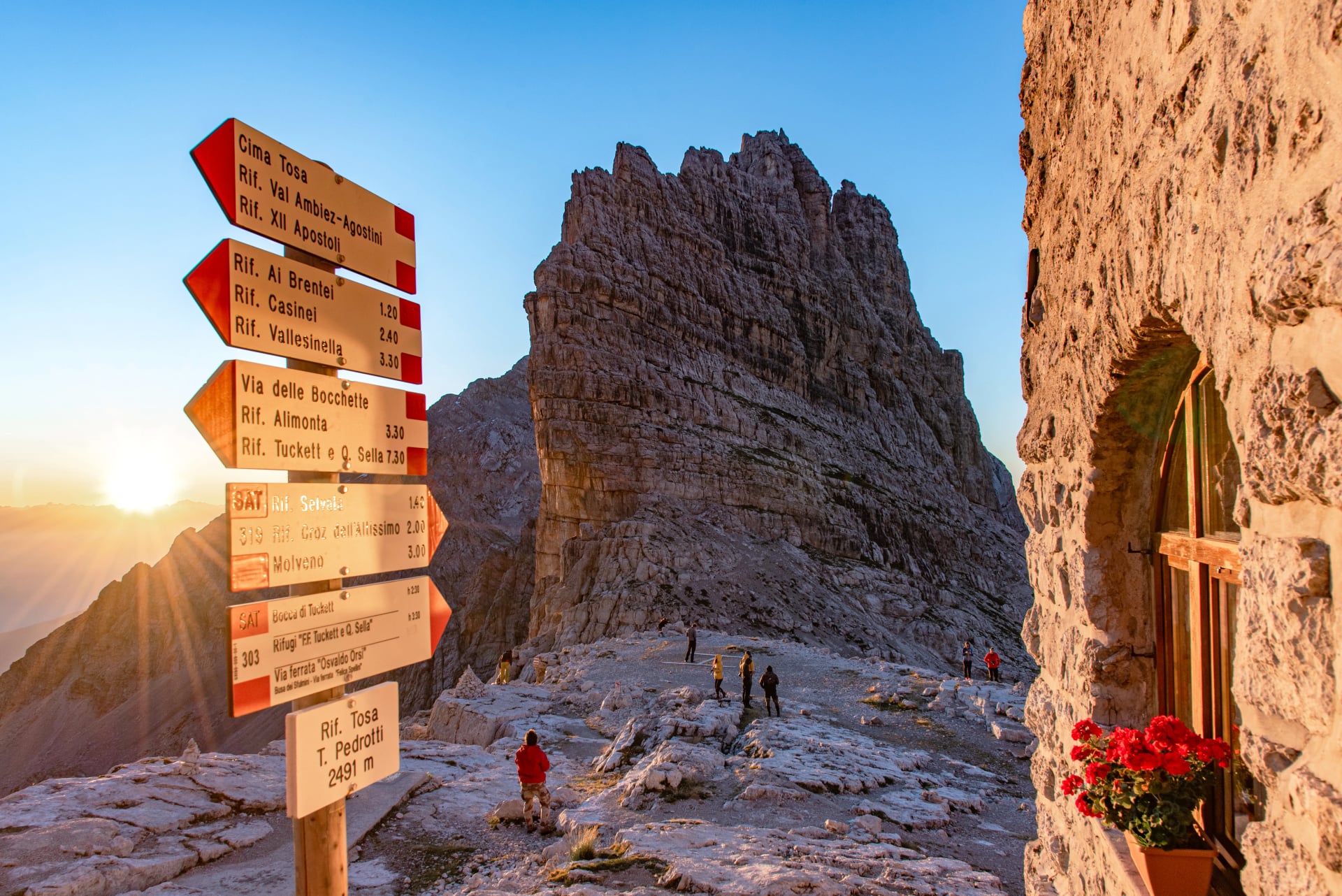
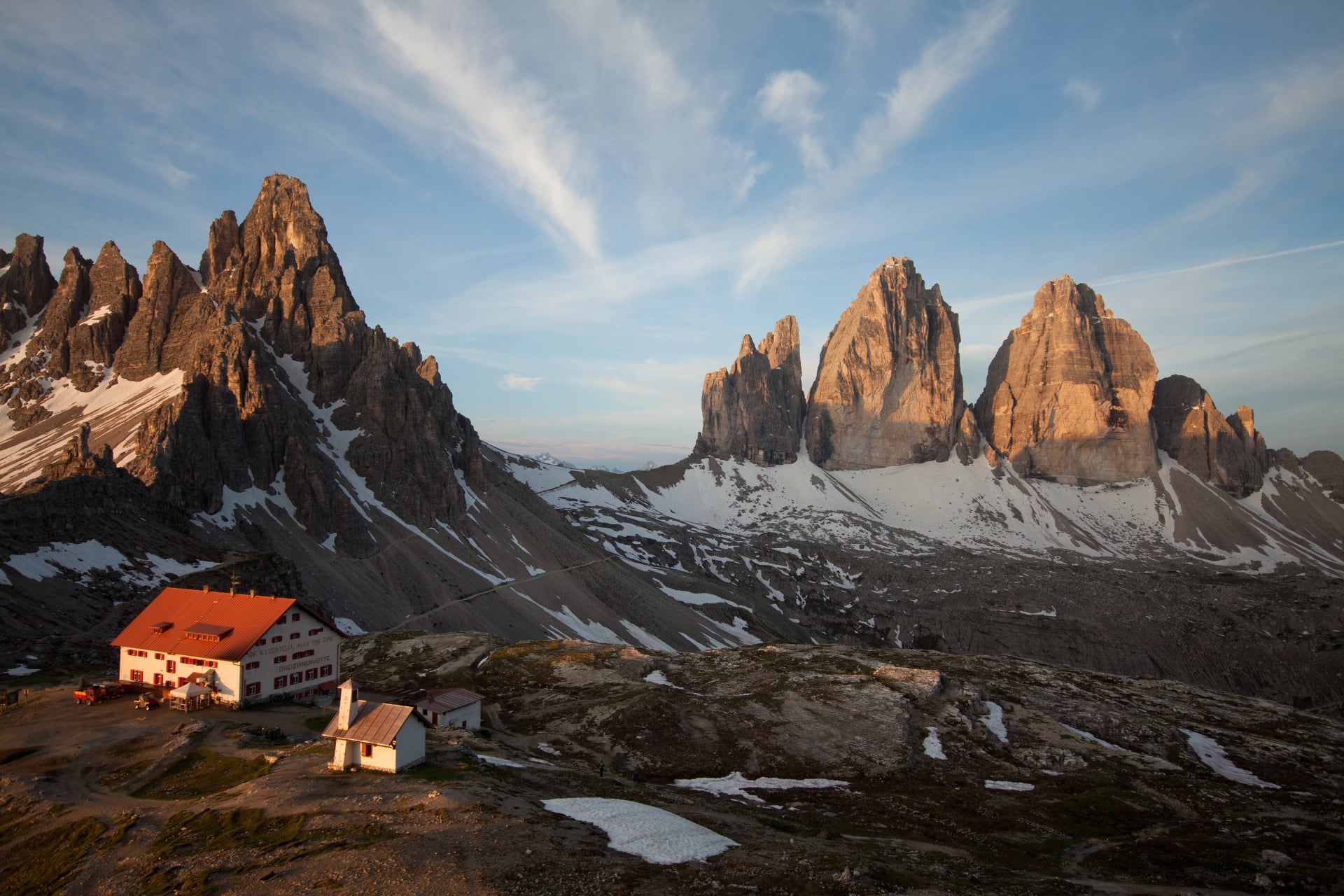
If you're planning hut-to-hut trekking—especially on Alta Via routes—you'll stay in mountain rifugios rather than valley hotels. These high-altitude huts sit directly on the trail, providing everything you need: dormitory accommodation, hot meals, and locations you simply can't reach any other way.
With over 150 rifugios spread across the Dolomites, these stand out for their exceptional locations, memorable atmospheres, and the experiences they offer:
These rifugios represent the best combination of location, atmosphere, and mountain experience the Dolomites offer. Whether you're after summit panoramas, historic character, or peaceful solitude away from crowds, these huts consistently deliver unforgettable nights in the mountains.
What to Expect
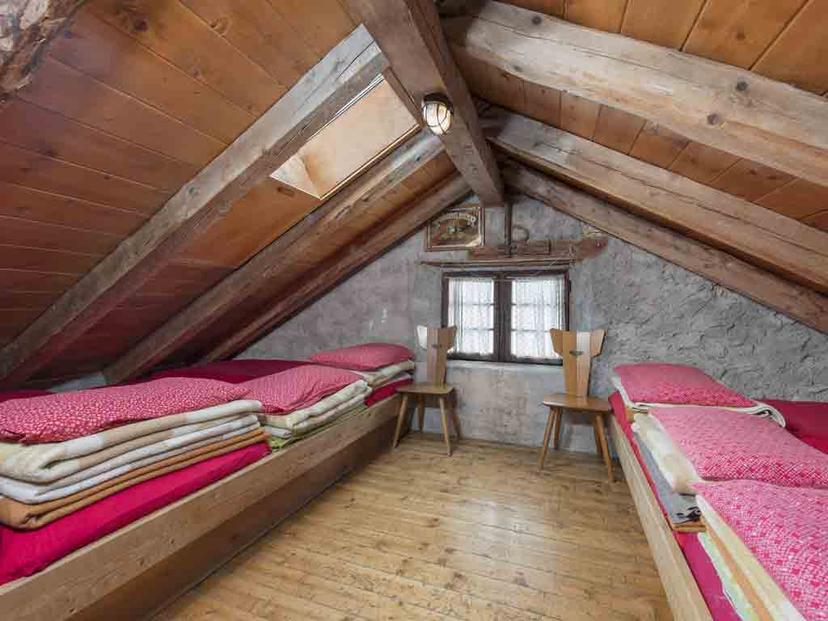
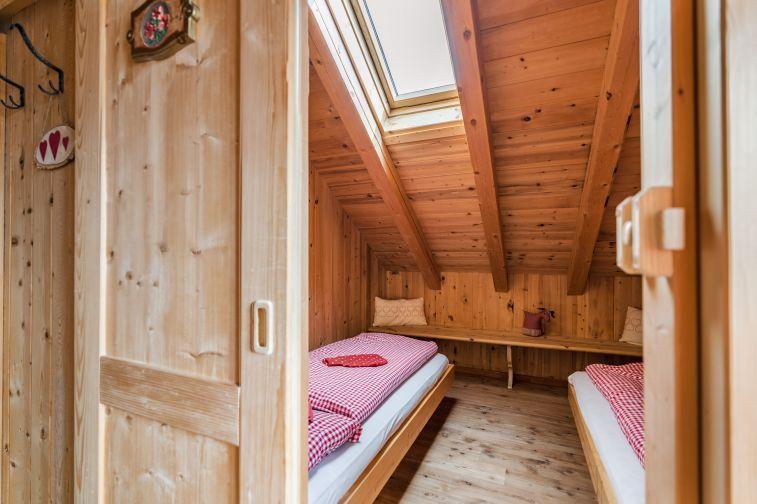
Accommodation:
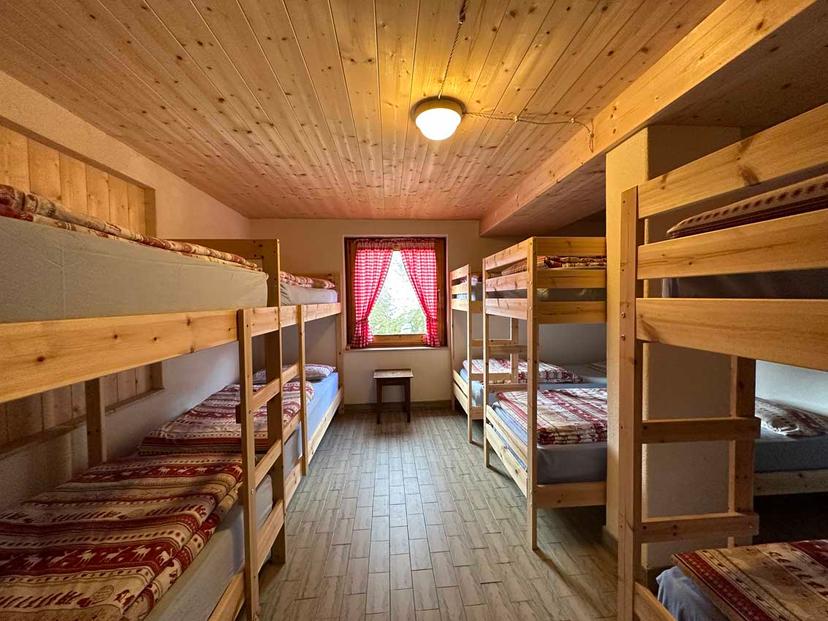
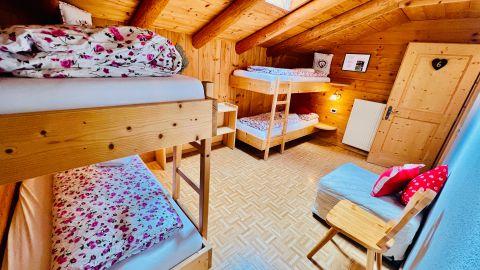
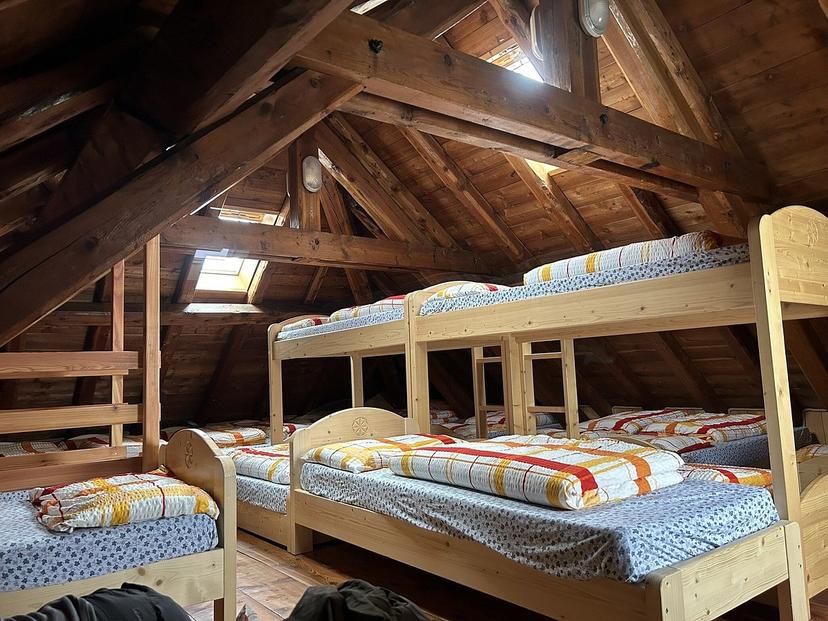
Dormitory-style sleeping in rooms with 4-20+ beds
You'll share space with other hikers
Blankets and pillows provided
Mandatory sleep sheet or sleeping bag liner for hygiene
Meals:
Half-board is standard (dinner + breakfast included in overnight rate)
Multi-course dinners—substantial mountain meals
Hearty breakfasts to fuel your hiking day
Most rifugios prefer cash for extras like drinks, snacks, or packed lunches

Facilities:
Shared bathrooms
Showers limited or nonexistent at many huts (bring wet wipes)
Charging stations often limited
Atmosphere:
Social and communal
Dinner happens family-style at long tables
You'll meet hikers from Germany, Italy, the Netherlands, Slovenia, and beyond
Trail advice flows freely
By your third or fourth night, you'll start recognizing familiar faces at different rifugios
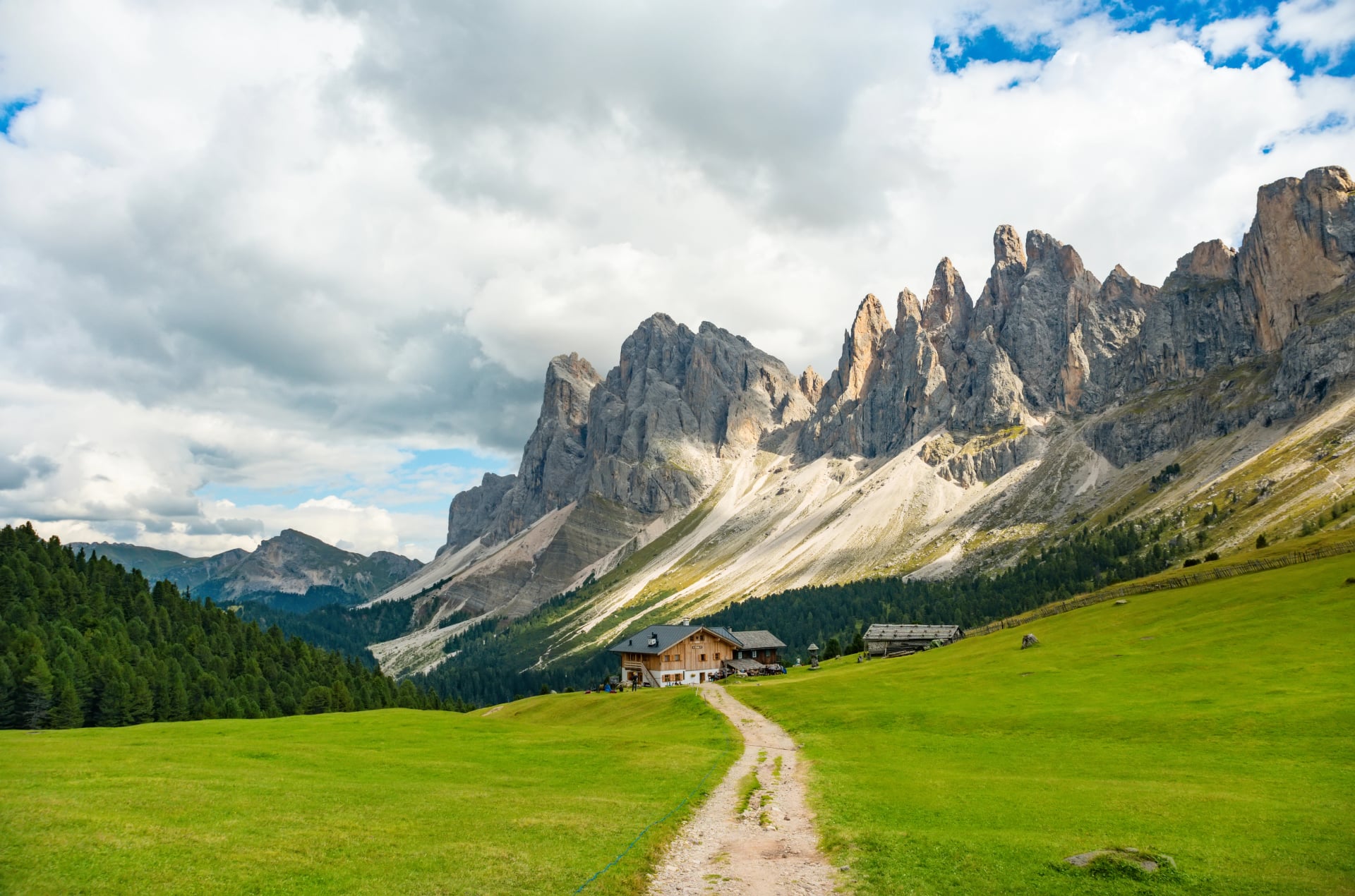
For Multi-Day Treks
For routes like Alta Via 1, you need to book all rifugios well in advance—typically 3-6 months ahead for July-August peak season. Booking means:
Contacting each rifugio individually (often in Italian)
Tracking confirmations across 10+ huts
Coordinating dates precisely
Making deposits
It's doable but time-consuming.
Our complete rifugio guide covers everything: when to book, what's included, dormitory etiquette, what to pack, and how to navigate the entire booking process successfully.
Can't face booking 10+ rifugios independently in Italian? Our tours handle all rifugio reservations, provide detailed GPS files, and coordinate all logistics—you just show up ready to hike. See best 3-day hikes in the Dolomites for shorter options or browse all our tours for complete multi-day itineraries.
Summer Accommodation Tips
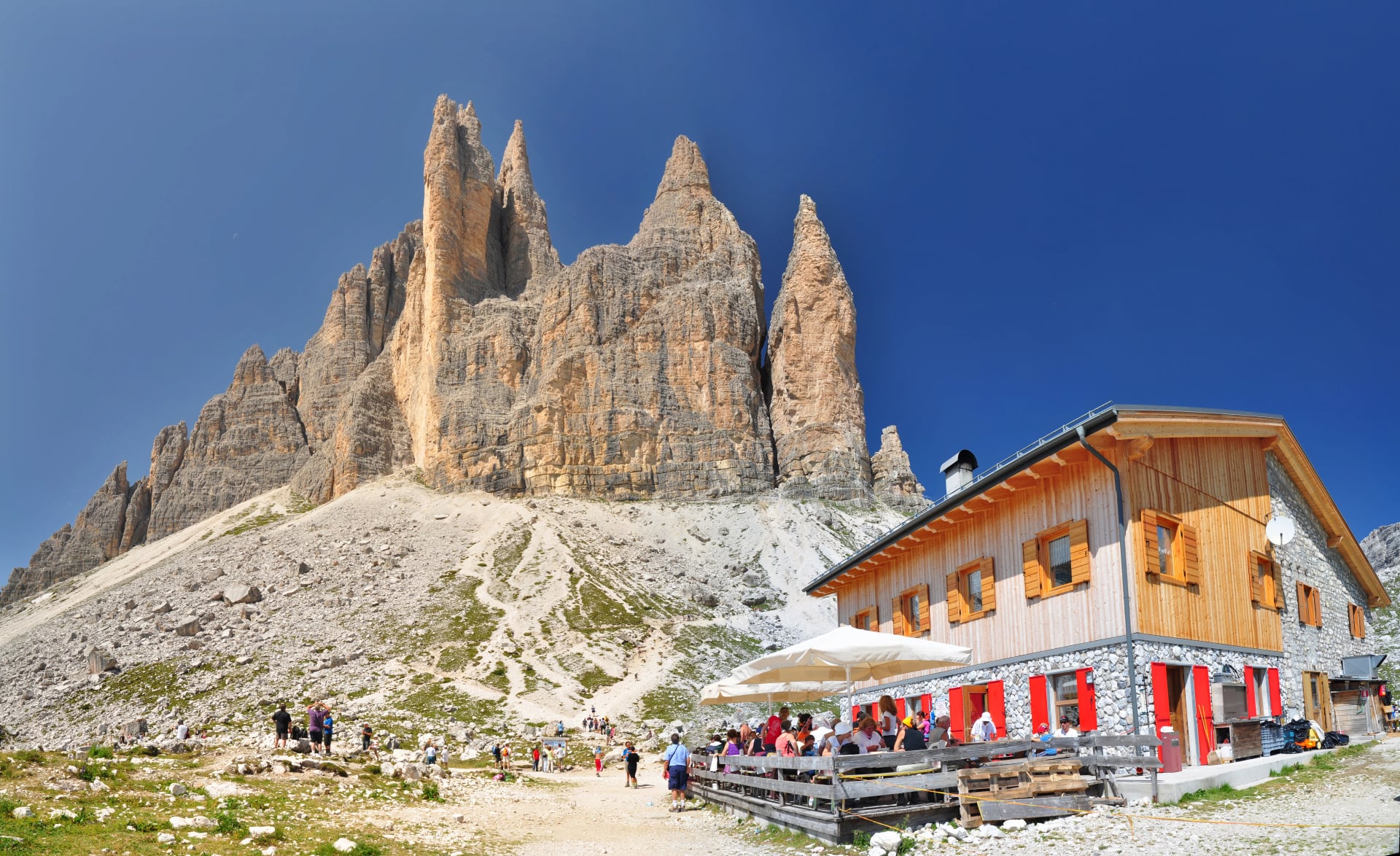
Peak Season (July-August)
Booking timeline: Reserve accommodations 3-6 months in advance, especially for rifugios on popular routes like Alta Via 1.
Pricing: Expect higher prices across the board—hotels, rifugios, and even restaurant meals cost 20-30% more than shoulder season.
Capacity: Accommodations fill completely, meaning dormitory rooms at rifugios will be packed and potentially noisy.
Weekends: Busiest days—if you have flexibility, plan midweek arrivals to avoid the weekend rush.
Shoulder Season (June, September)
Booking timeline: Reserve 6-8 weeks ahead and you'll still find good availability at most locations.
Pricing: Prices drop significantly—sometimes 30-40% lower than peak season for the same accommodations.
Crowds: Trails feel noticeably less crowded, and rifugios have more relaxed atmospheres when they're not operating at maximum capacity.
Weather: Often more stable than peak summer, though nights are colder (bring warmer layers).
Important note: Some rifugios close after mid-September, so verify opening dates before planning late-season treks.
Budget Considerations
Valley hotels: Expect €70-150 per person per night including breakfast
Budget guesthouses and family-run inns: €70-90
Nicer hotels in popular towns (Cortina, Ortisei): €100-150
Rifugios: Approximately €60-90 per person per night for half-board (dinner and breakfast included)
The price covers your bed, both meals, and often includes heating and facilities
Multi-day rifugio treks often cost less per day than hotel-based hiking because meals are included—you're not paying for restaurants, packed lunches, or drinks at cafes. A 7-day rifugio trek might run €500-650 total for all accommodation and meals.
The Hybrid Approach
2-3 nights in a comfortable valley hotel to acclimatize, explore the area, and make final preparations
Then 4-7 nights of rifugio trekking on an Alta Via route experiencing the full mountain immersion
Finally, 1-2 nights back at a hotel to recover, shower properly, do laundry, and celebrate your accomplishment over a restaurant meal with wine
This combination gives you comfort and flexibility before and after the trek while delivering the authentic hut-to-hut mountain experience in the middle. It's the best of both worlds.
For logistics on actually reaching trailheads from valley towns and navigating the bus system, see our guide to reaching the Alta Via.
How to Choose Where to Stay
Choose Valley Hotels if:
You prioritize comfort, hot showers, and variety in your daily hiking routes
You're traveling with family or strongly prefer private rooms over dormitories
You want flexibility to skip hiking on days when weather turns bad or you're feeling tired
You're planning primarily day hikes rather than committing to multi-day point-to-point treks
You value being able to explore different valleys and regions without moving accommodations
Choose Rifugio Hut-to-Hut Trekking if:
You want fully immersive mountain experiences where you wake up already in the high country
You're specifically tackling Alta Via 1, Alta Via 2, or other established multi-day routes
You're comfortable with dormitory sleeping, shared facilities, and basic mountain hut conditions
You want the social aspect of communal rifugio dinners and meeting international hikers
You're seeking adventure and willing to trade comfort for authentic mountain experiences
Combine Both Approaches if:
You have 7-10+ days total and want the complete Dolomites experience
You want comfort and flexibility at the beginning and end of your trip with adventure and challenge in the middle
You're unsure about committing to full hut-to-hut trekking and want to test it with a shorter 3-4 day section first
You're planning to explore multiple regions and need strategic hotel bases between trekking sections
Still unsure which approach fits your style, fitness level, and goals? Get in touch and we'll help you plan the perfect itinerary based on your specific situation and preferences.
Find Your Perfect Base
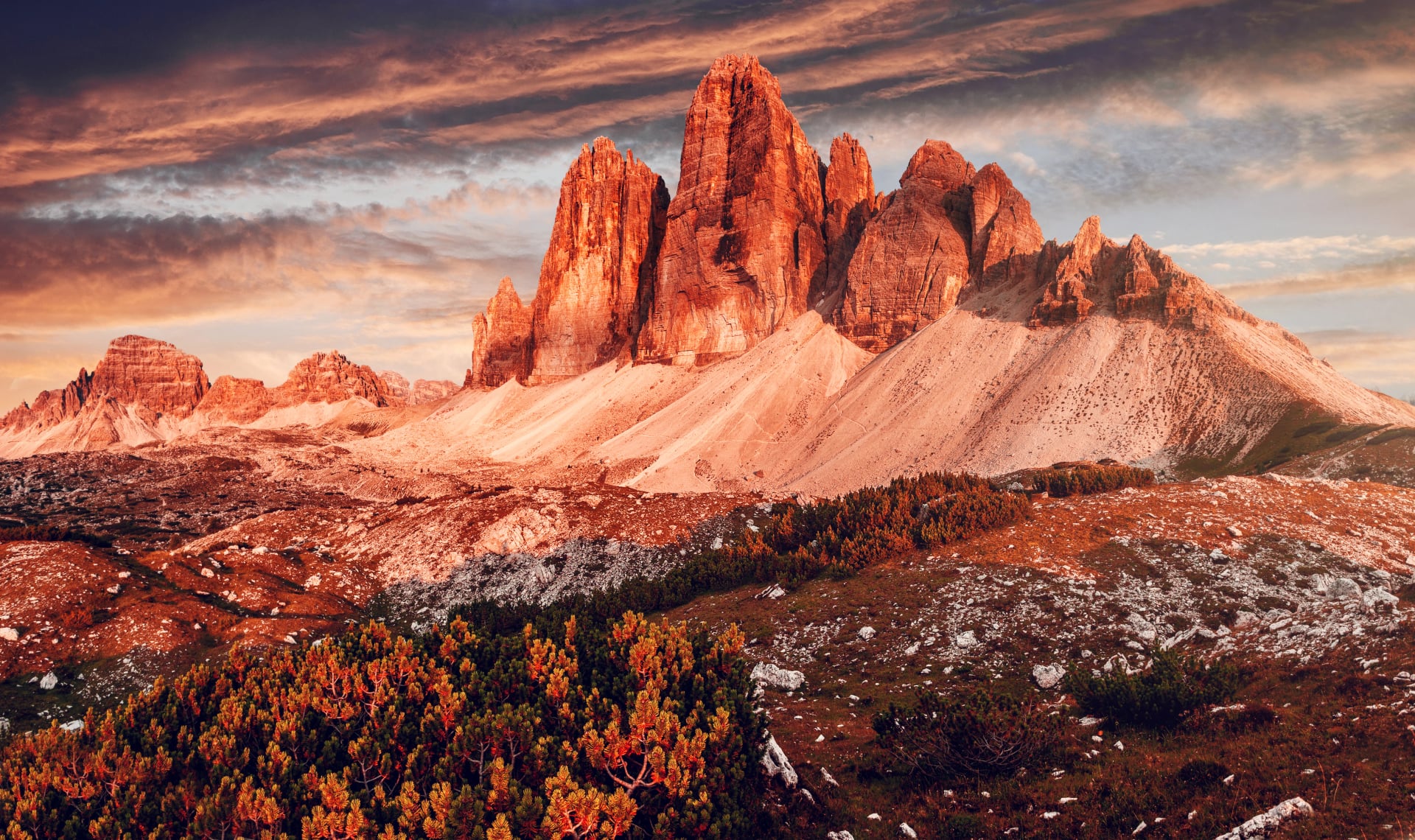
Where you stay fundamentally shapes your Dolomites experience—from which peaks you'll see to whether you're relaxing in a hotel or sharing stories with hikers in a mountain rifugio. Our Ultimate Guide to Hiking in the Dolomites covers everything from route selection to difficulty levels.
If you are ready, book a meeting with us and we will turn your dream Dolomite adventure into a reality!

About this author
Anja is our lead travel advisor and a lifelong hiker who has planned countless adventures across Europe. She prefers sunsets to sunrises — unless coffee is involved — and, ever since her first rock-climbing course, joins friends on climbing trips whenever she can.