Dolomites in June: A Complete Guide to Weather, Trails & Early Summer Hiking
From alpine wildflowers to longer daylight and improving trail access, this guide breaks down what hikers can realistically expect in the Dolomites in June.

Ajda
Published March 27, 2026
Edited April 17, 2026
9 min read
Quick links
Don't want to read all this?
We've planned 2,000+ hiking trips. Send your dates, fitness and group size — we'll map the route and book every night.



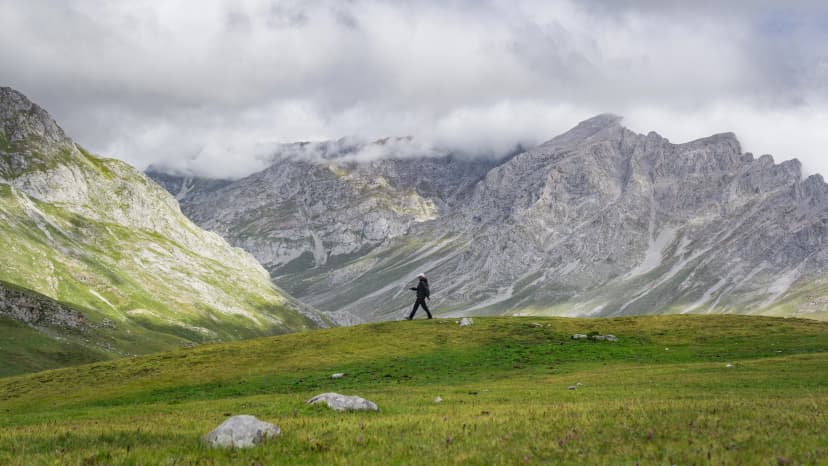
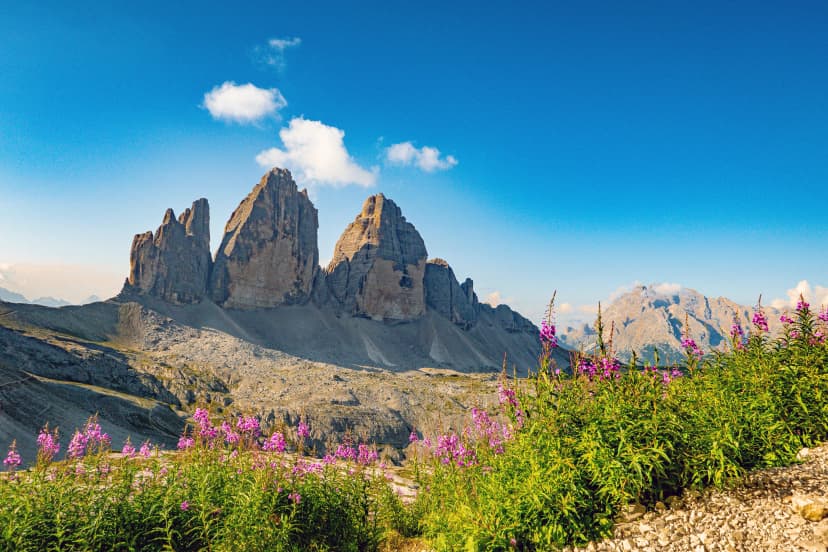
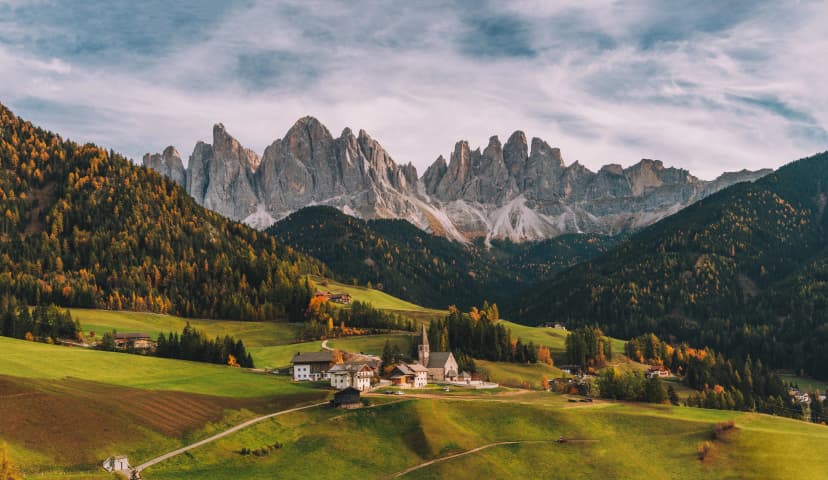
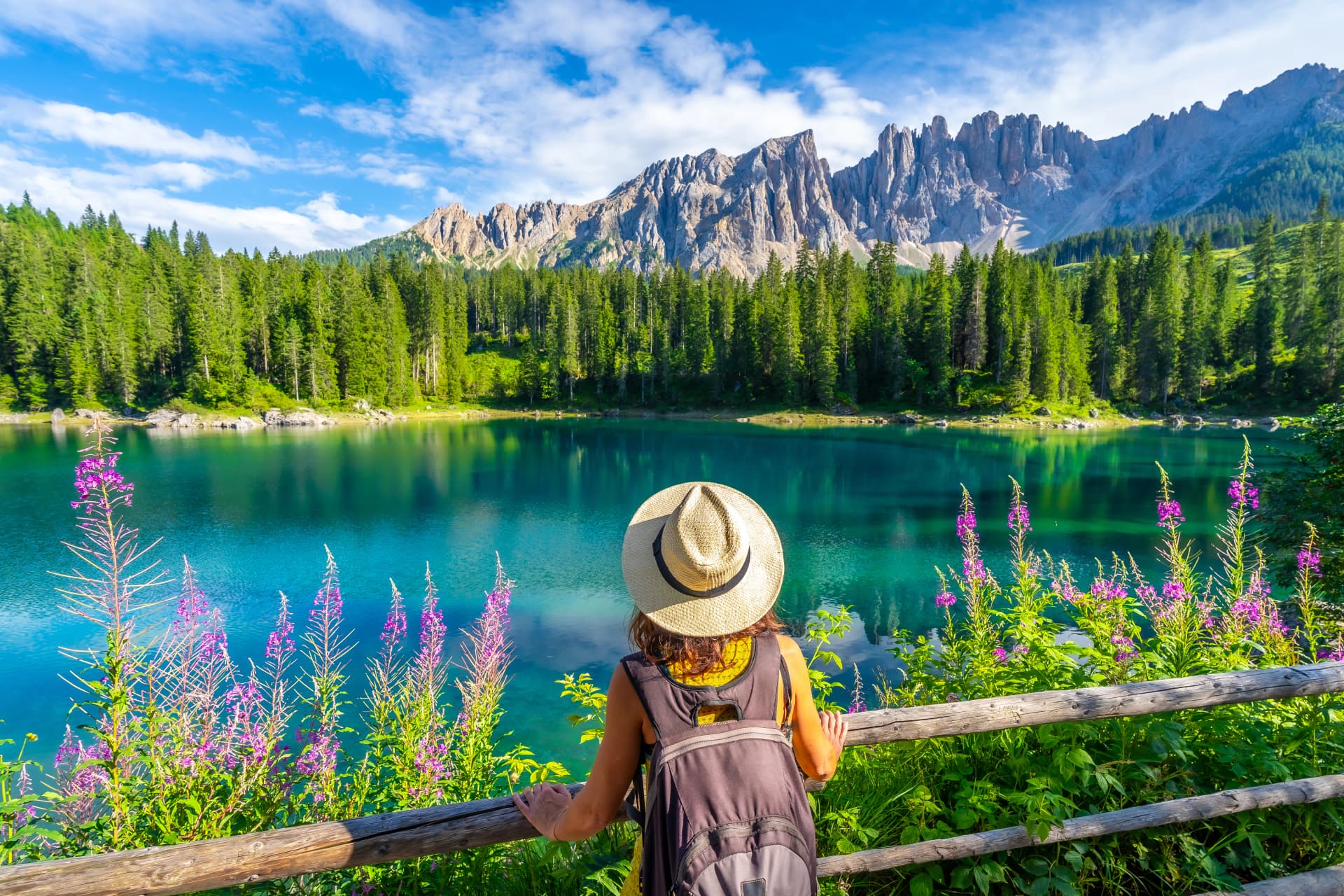
June in the Dolomites is magical—wildflowers explode across alpine meadows, waterfalls thunder with snowmelt, and trails awaken after winter's sleep. High-altitude routes begin opening, rifugios welcome their first guests, and you'll experience the mountains without July-August crowds.
If you're thinking about visiting the Dolomites in June, here's what you need to know: expect stunning wildflower displays, increasingly stable weather as the month progresses, and the best value of the entire season. For those who can travel in June, you'll discover why experienced hikers consider it one of the finest months in the Dolomites.
Temperature ranges: Valley floors (1,200-1,500m elevation) see daytime highs of 15-22°C (59-72°F), with comfortable nights around 8-12°C. Higher elevations remain cooler—expect 10-15°C at 2,000-2,500m—but conditions improve dramatically through the month.
Weather patterns: Early June can be variable with occasional afternoon storms and lingering instability from spring. But by mid-to-late June, weather typically settles into reliable summer patterns. You'll still get afternoon thunderstorms (standard in the Dolomites), but they're predictable—mornings are almost always clear.
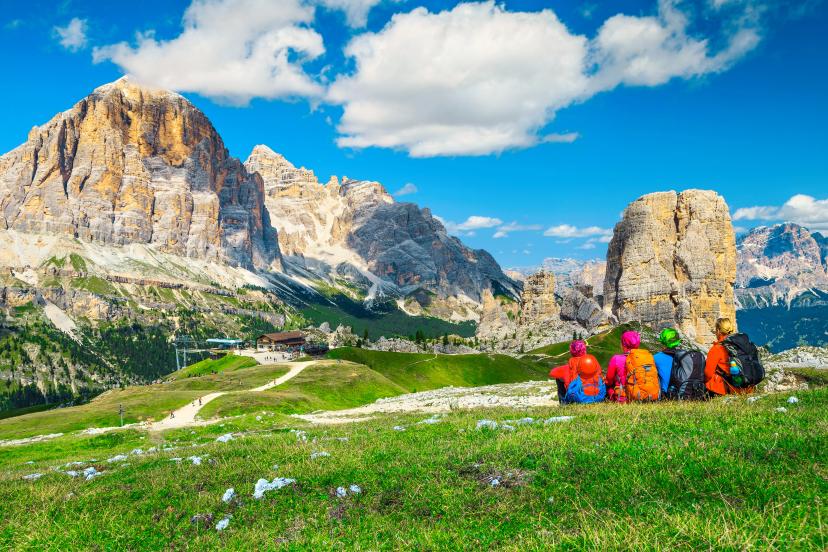
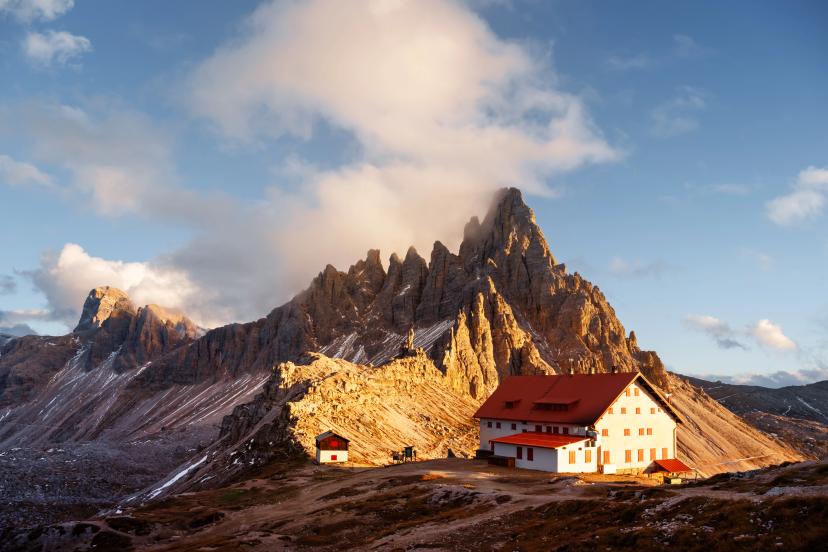
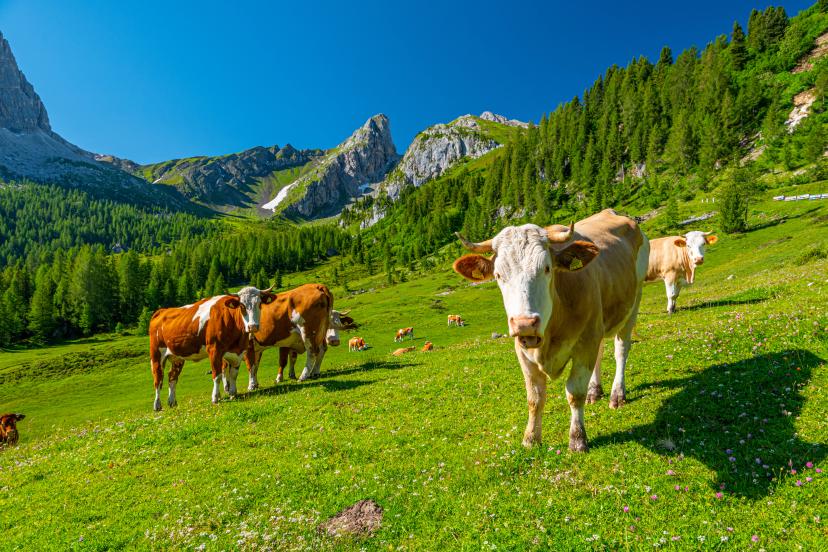
What you'll see: Peak wildflower season—this is THE month for alpine flora. By mid-June, meadows burst with color: gentians, alpine roses, edelweiss, primroses, and dozens of other species carpeting valleys and slopes. Waterfalls are at maximum flow from snowmelt. Everything feels fresh, green, and vibrantly alive.
Daylight hours: June offers some of the longest days of the year—up to 15+ hours of daylight. Perfect for ambitious hiking days, extended photography sessions, or simply soaking in long mountain evenings.
The reality: June is the transition from spring to full summer. Early June still has spring characteristics (possible snow on highest passes, some rifugios still closed), but late June delivers full summer conditions with far fewer crowds than July-August.
Trail Conditions & What's Open in June
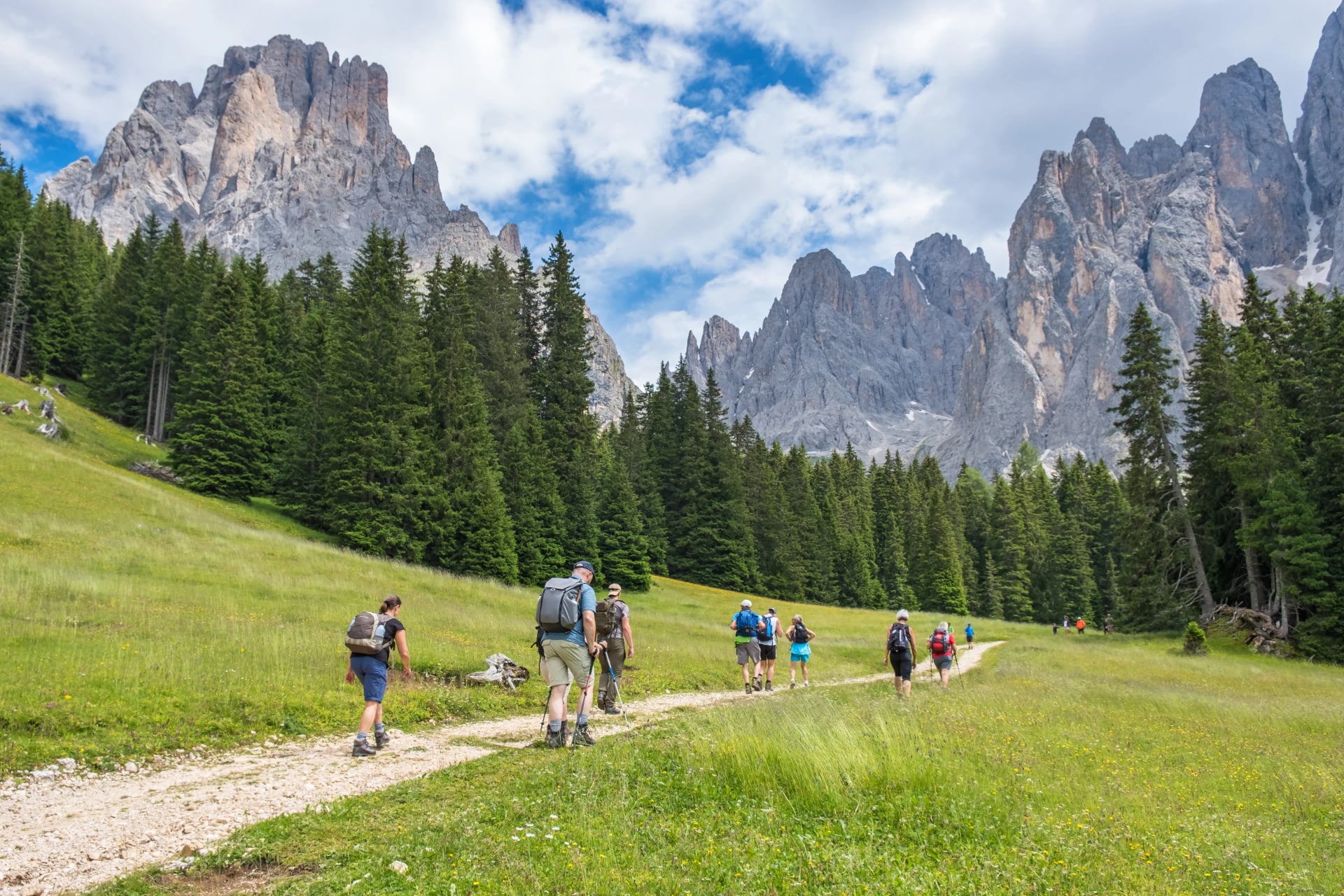
Most mountain rifugios open throughout June. Popular huts on routes like Alta Via 1 typically open mid-June, with nearly all rifugios operational by the final week of June. Always verify specific opening dates when planning your itinerary.
For complete details on rifugio seasons and booking, see our complete rifugios guide.
Trail Accessibility Breakdown
Accessible (by Mid-late June)
Most valley trails and mid-elevation routes (1,200-2,200m) are fully snow-free by mid-June
Classic Alta Via 1 stages are accessible
Popular day hikes and rifugio approaches clear early in the month
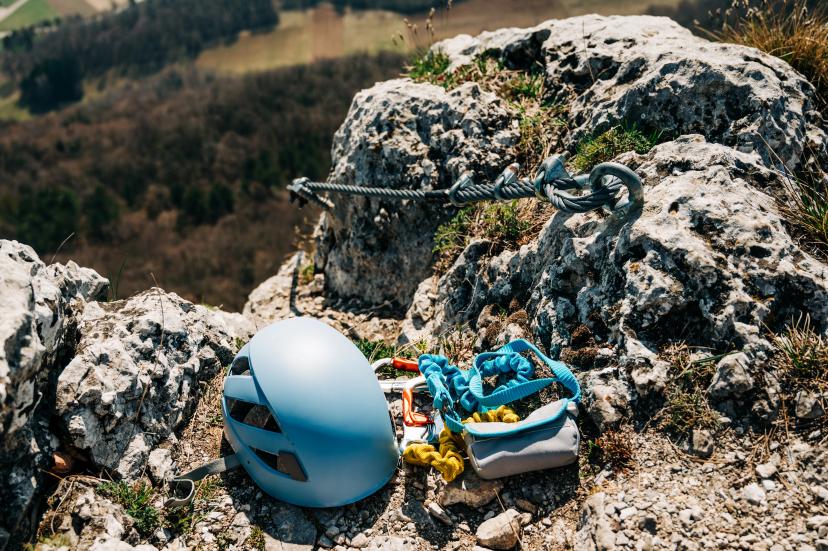
Lower via ferrata routes are dry and safe
Occasionally Challenging (Early June)
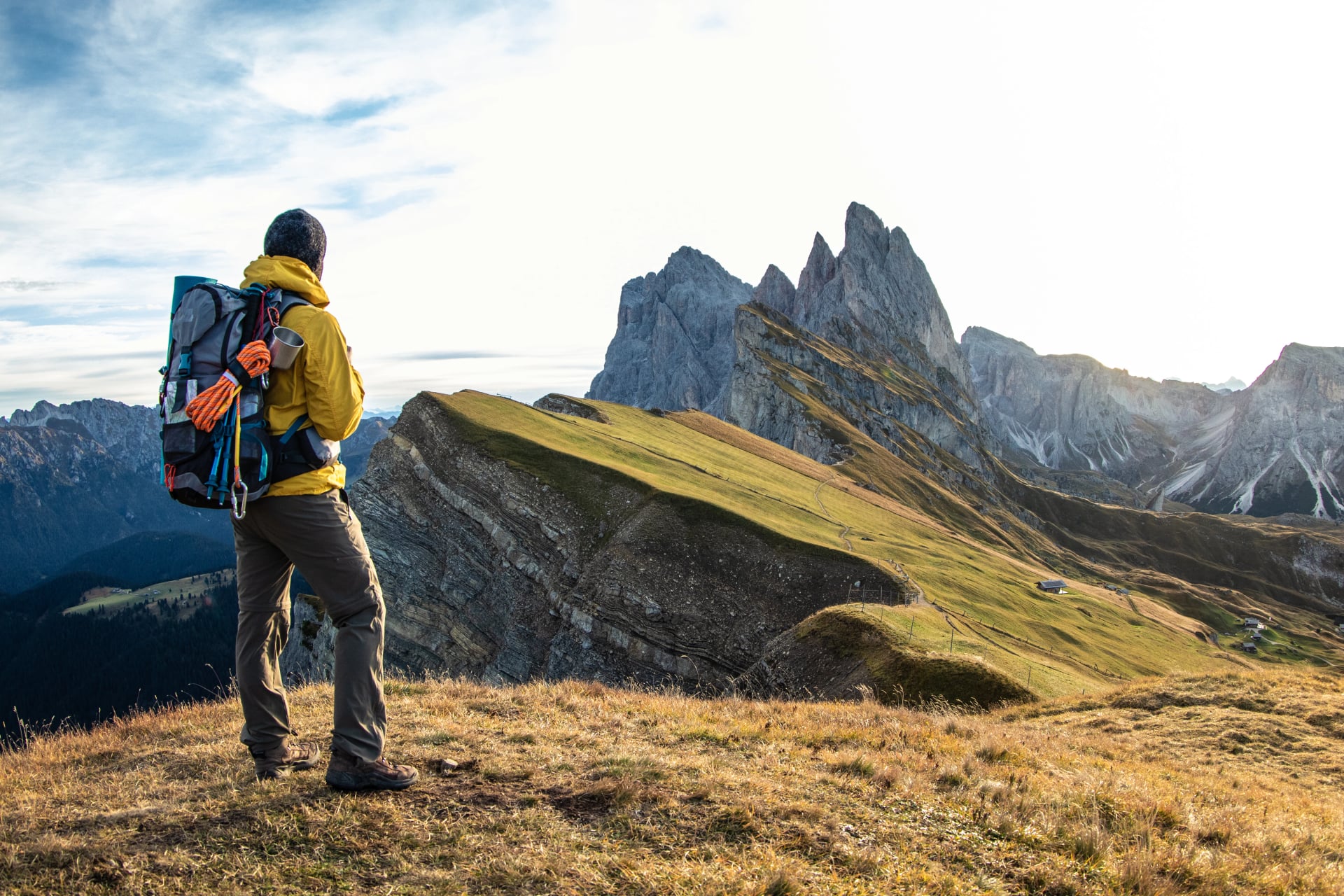
High passes above 2,500m may still have snow patches in the first two weeks
North-facing slopes can retain snow longer
Some technical via ferrata routes may still be icy
A few remote rifugios haven't opened yet
Generally Clear (Late June)
By the final 10 days of June, nearly all trails are accessible
Snow is limited to permanent glaciers and highest peaks
Full rifugio services available
Trail conditions match July-August quality
Snow Conditions
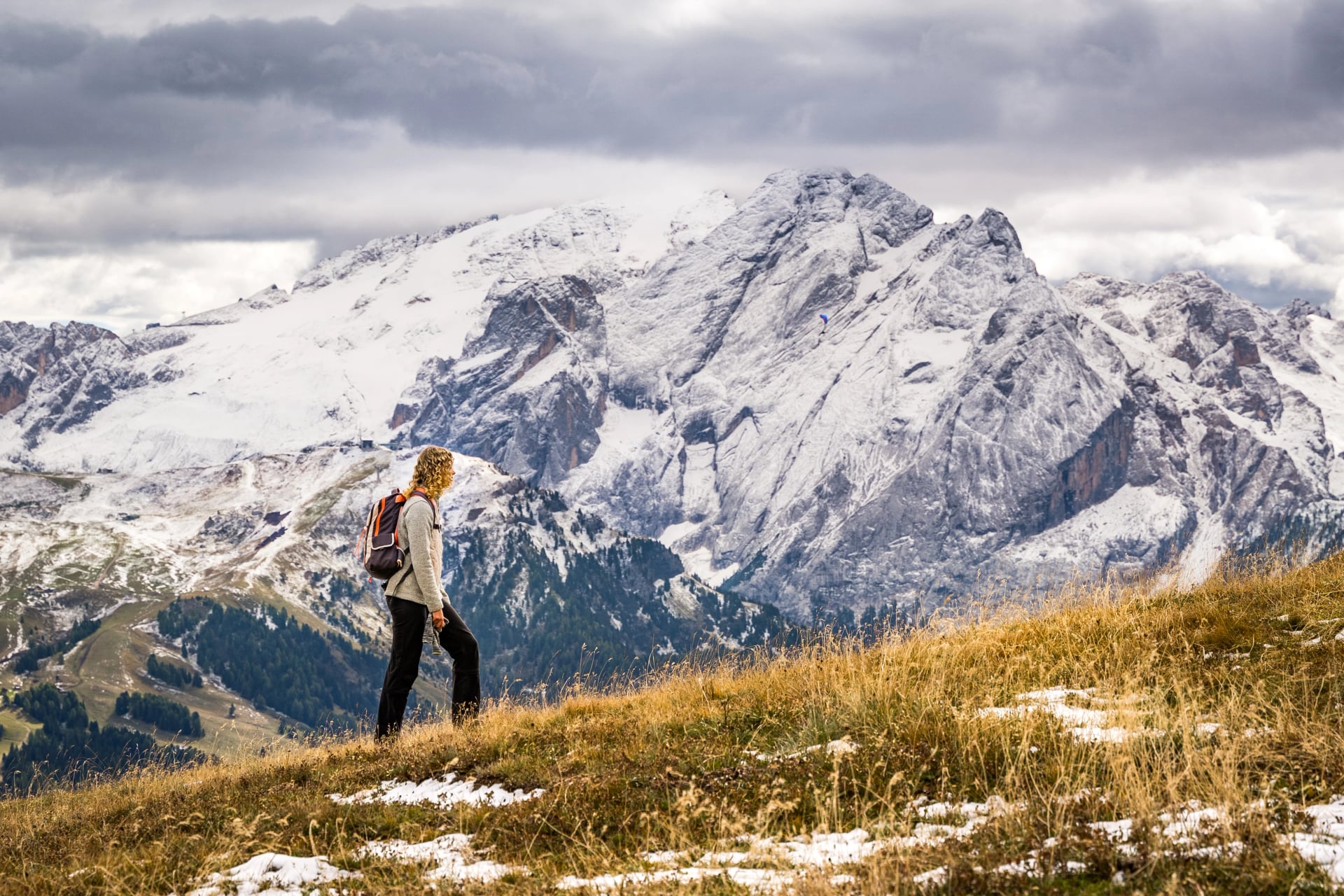
Early June can have lingering snowfields on the highest passes, particularly north-facing aspects. By late June, snow is minimal except on glaciers. Check specific route conditions if hiking in the first half of the month.
Bottom line: Late June (roughly June 20-30) is the sweet spot—nearly all rifugios open, trails fully accessible, wildflowers at peak bloom, but crowds haven't arrived yet. It's genuinely one of the best times of the entire year to hike the Dolomites.
How to get to the trails? We have made a detailed instruction on arriving to the Dolomite hiking trails.
Best Tours for the Dolomites in June
June opens up the full range of Dolomites hiking experiences. From classic Alta Via routes to gentler valley hikes, here are three excellent options for June adventures:
1. Alta Via 1 Self-Guided Hike
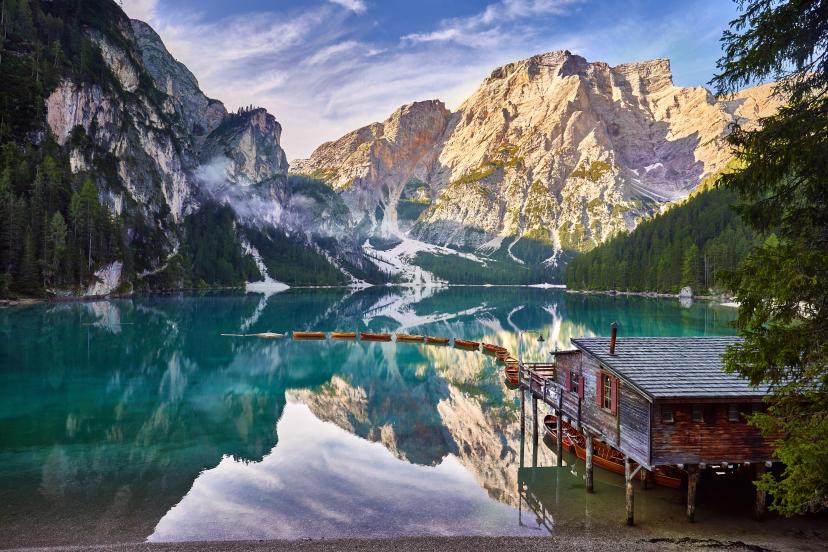
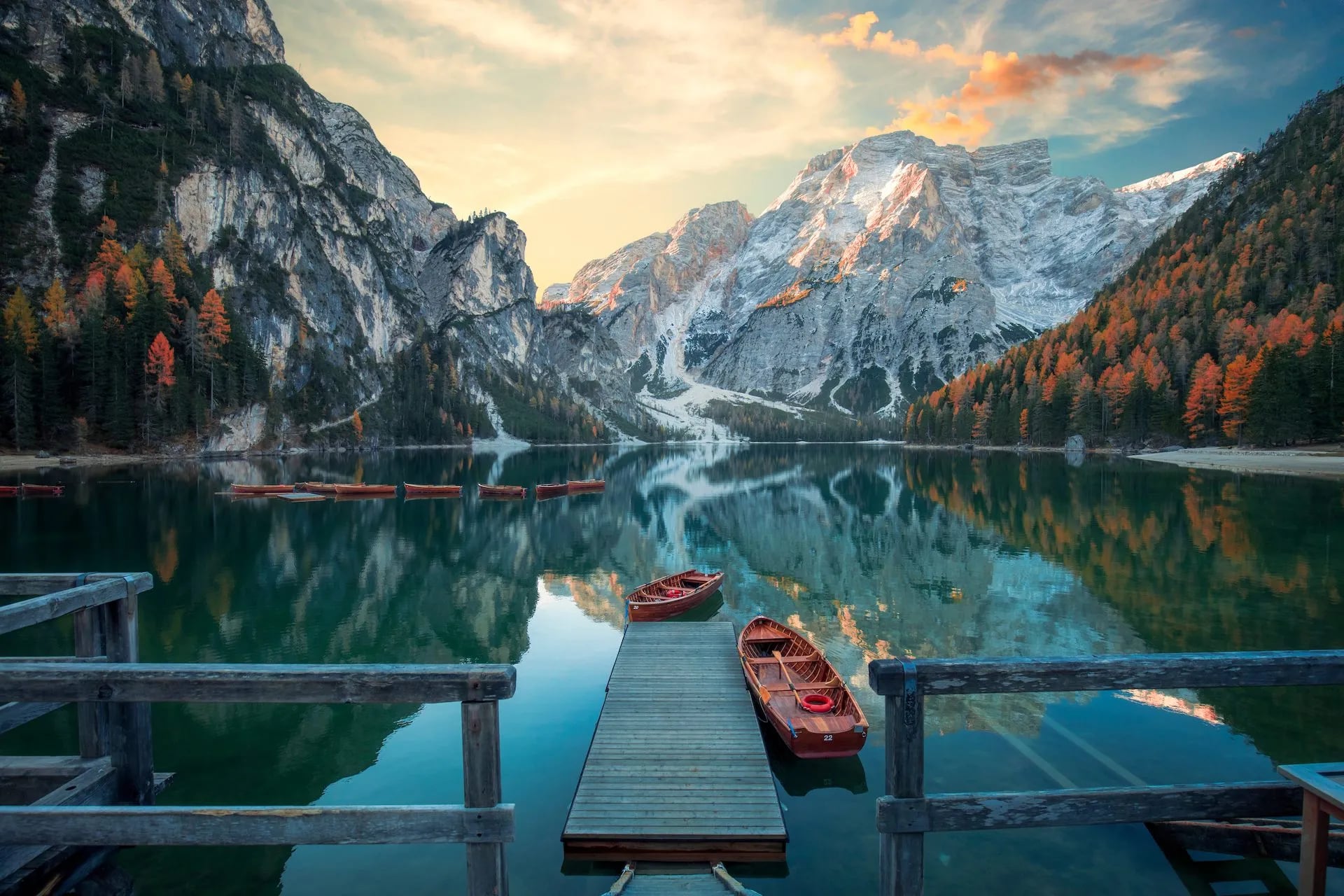
The complete north-to-south traverse of Alta Via 1 from Lago di Braies to Belluno—the quintessential Dolomites adventure. June is an excellent time to tackle this iconic route: you'll have the trails largely to yourself (especially early-mid June), rifugios are less crowded, and wildflower displays along the route are spectacular.
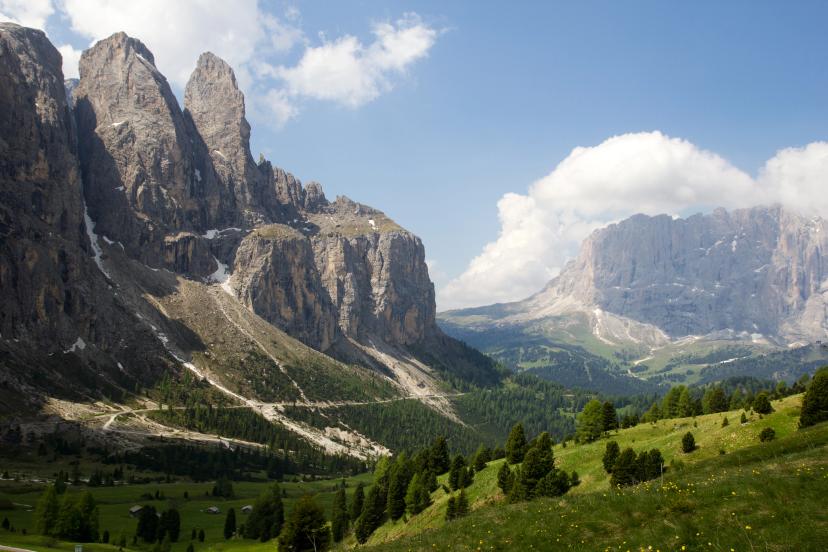
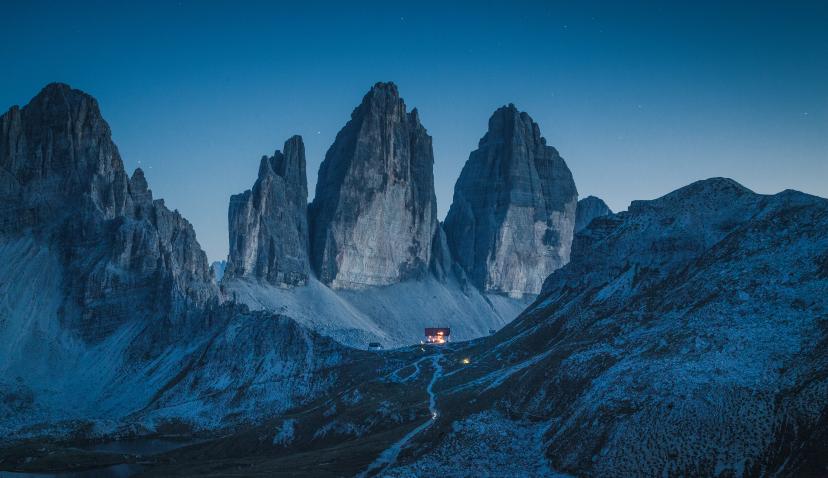
Running approximately 120 kilometers through the heart of the Dolomites, Alta Via 1 passes beneath the range's most famous peaks—Lagazuoi, Nuvolau, Civetta, and Pelmo. Daily stages range from 5-7 hours of hiking, and you'll stay in mountain rifugios each night with dinner and breakfast included.
Duration: 10 days
Technical: 3/5
Fitness: 3/5
Why it works in June: Full route accessible by mid-month, fewer crowds than July-August, wildflowers at peak, comfortable temperatures for long days
Highlights to see:
Experience the complete Alta Via 1:
2. Alta Via 1 Highlights
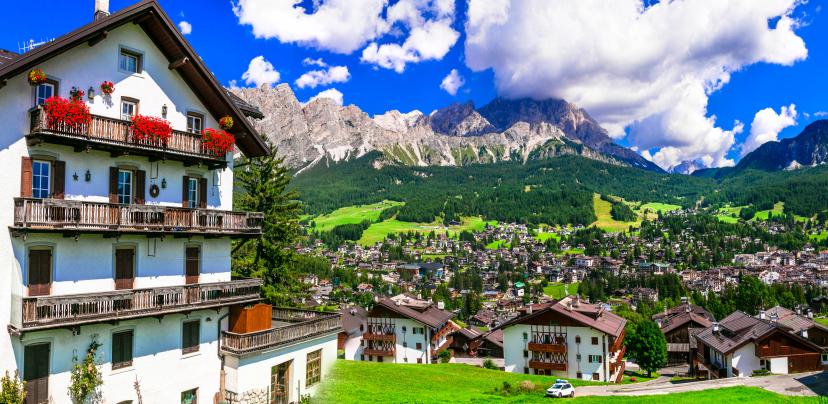
The best of Alta Via 1's northern section condensed into 4 hiking days from Lago di Braies to Cortina d'Ampezzo. Perfect if you don't have time for the full 10-day route but want to experience the iconic scenery, rifugio culture, and high-altitude hiking that makes the Dolomites famous.
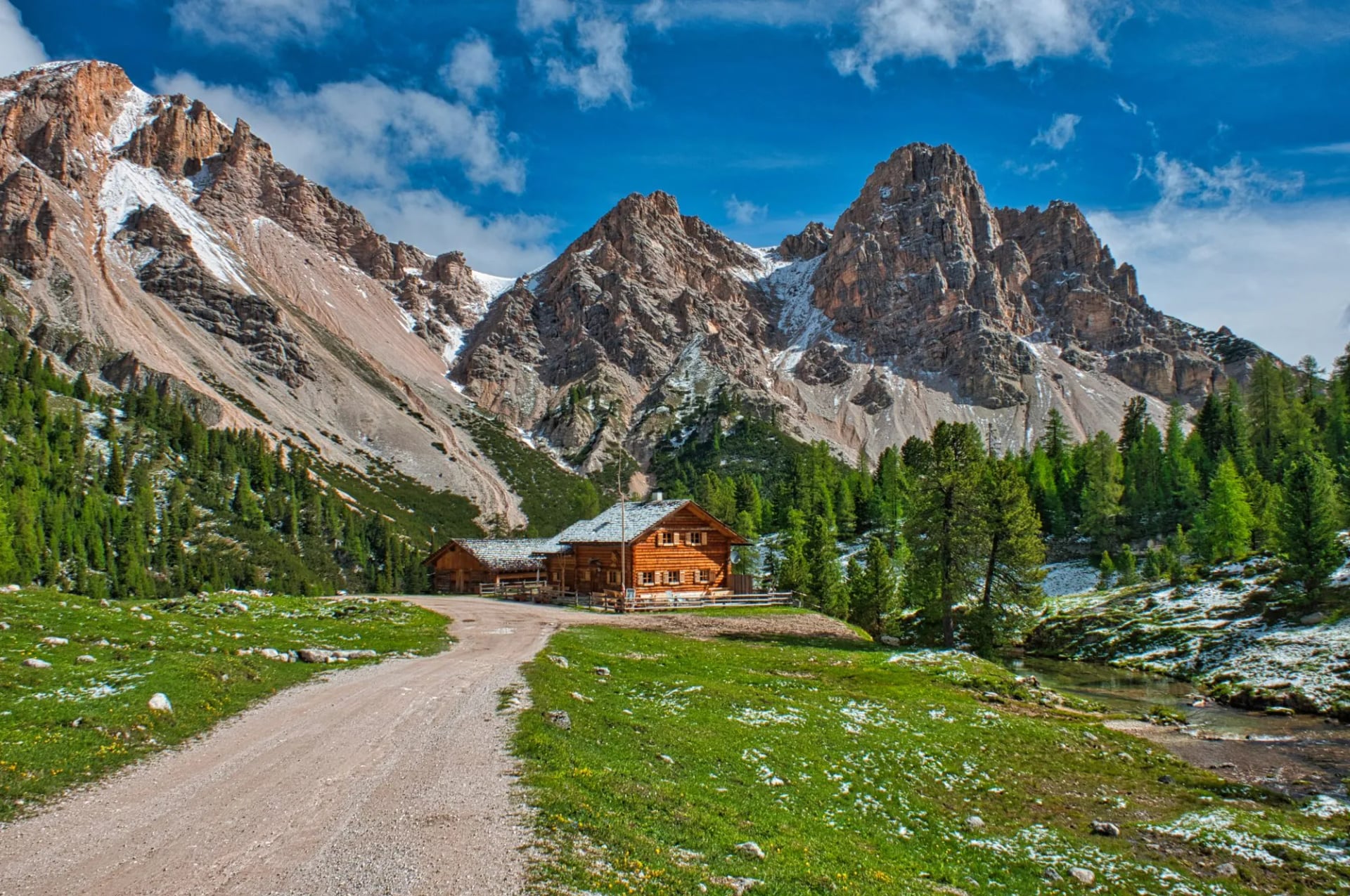
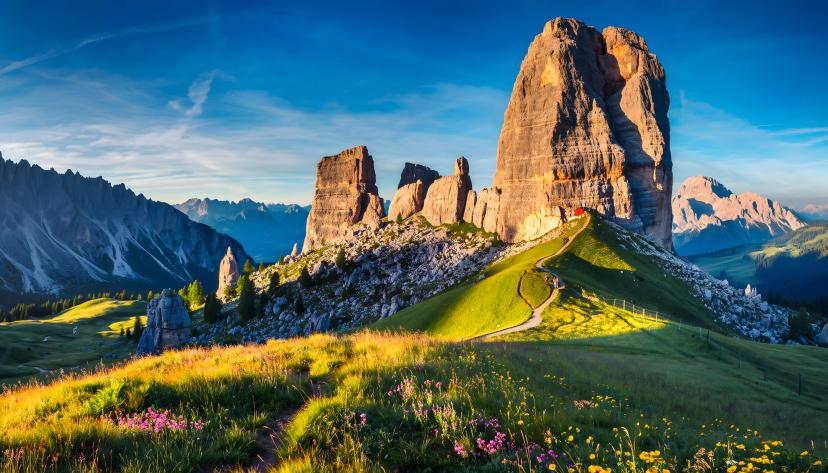
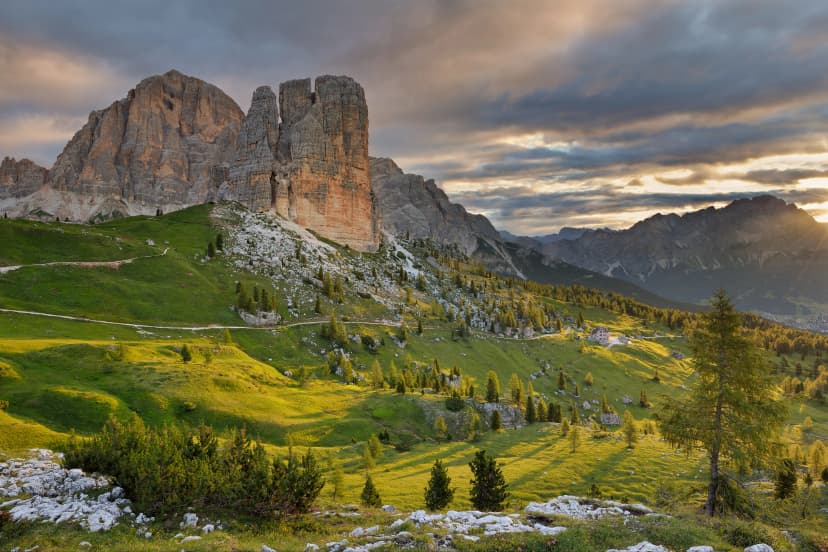
This shortened route covers approximately 50 kilometers and includes the most dramatic northern stages: Fanes plateau, the climb to Lagazuoi, and the stunning Cinque Torri (Five Towers) area. June is ideal because you'll experience these popular sections without the peak-season crowds, and early summer wildflowers transform the Fanes plateau into a botanical wonderland.
Duration: 4 days
Technical: 3/5
Fitness: 3/5
Why it works in June: Iconic northern scenery, peak wildflowers, manageable timeframe, excellent rifugio availability
Highlights on the way:
Explore this shortened classic:
3. Alpe di Siusi Inn to Inn Hiking Dolomites
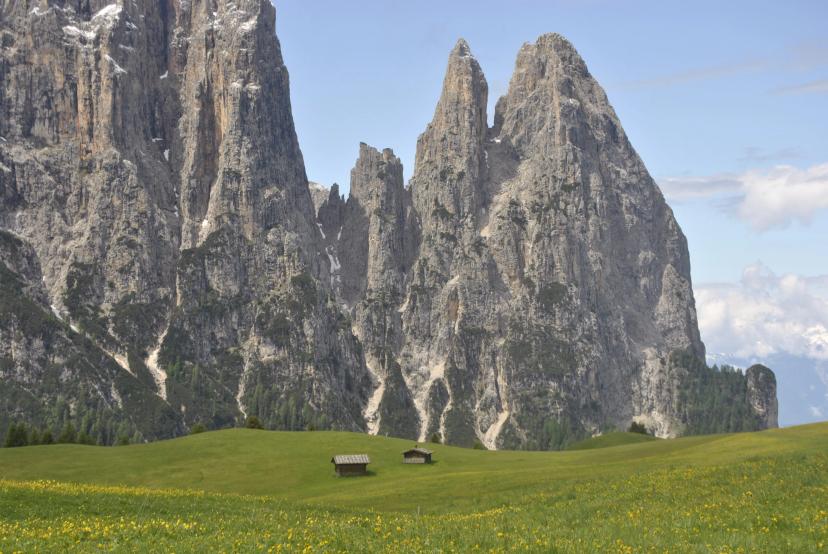
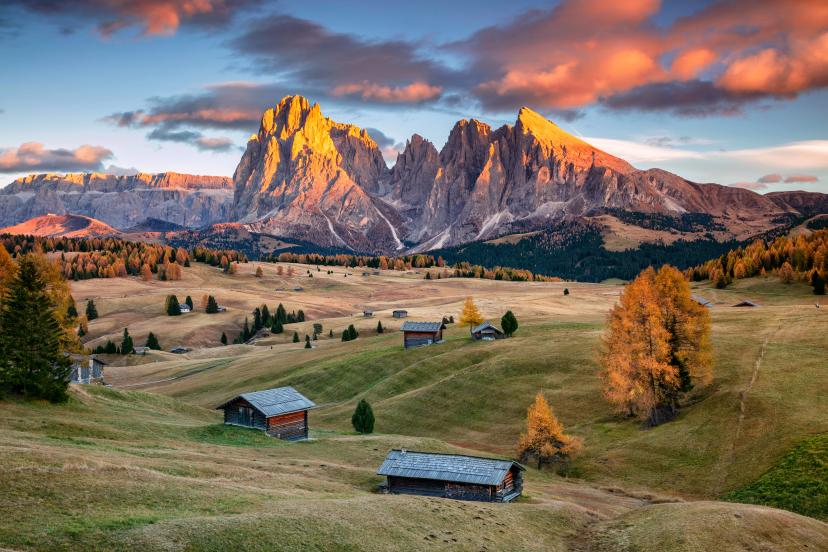
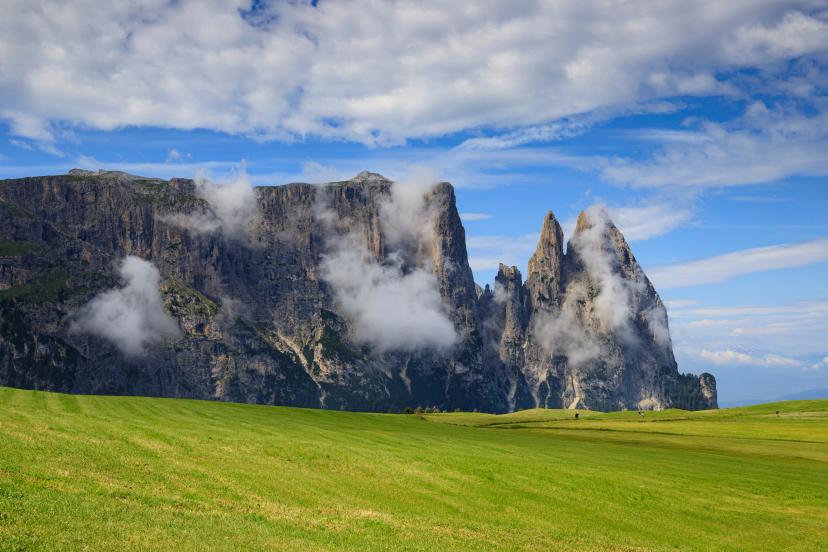
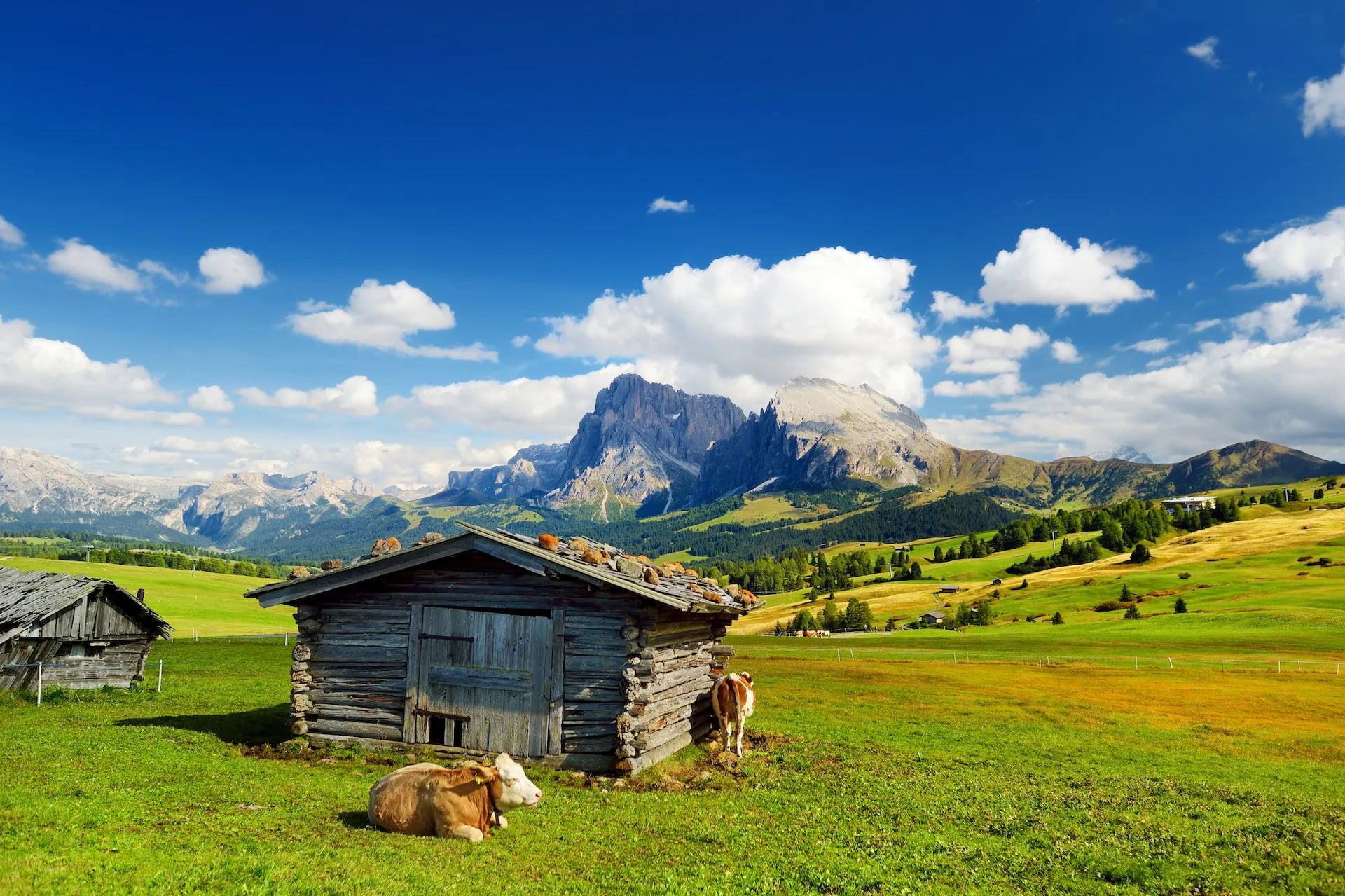
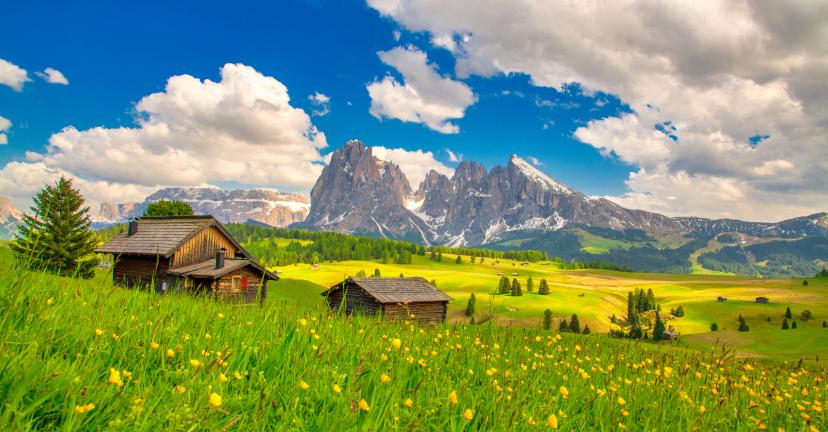
Europe's largest high-alpine meadow at approximately 1,800m elevation is absolutely stunning in June. The Seiser Alm plateau comes alive with wildflowers—vast expanses of blooming meadows set against the dramatic backdrop of the Sassolungo, Sella, and Sciliar massifs.
This tour focuses on gentle, rolling terrain perfect for hikers wanting spectacular scenery without extreme difficulty. Daily stages range 4-6 hours, and you'll stay in traditional mountain inns and guesthouses around the plateau perimeter, experiencing authentic South Tyrolean hospitality, cuisine, and culture.
Duration: 7 days
Technical: 2/5
Fitness: 2/5
Why it works in June: Peak wildflower season on the plateau, comfortable temperatures for gentle hiking, family-friendly terrain, excellent food and wine
Highlights you can experience:
Experience plateau paradise:
Important note: For early June departures (first 10 days), verify that all rifugios on your chosen route have opened. We monitor opening schedules and adjust itineraries as needed to ensure seamless experiences.
What to Pack for June in the Dolomites
June requires true three-season mountain gear—warmer than May, but still variable with cool mornings and potential weather changes.
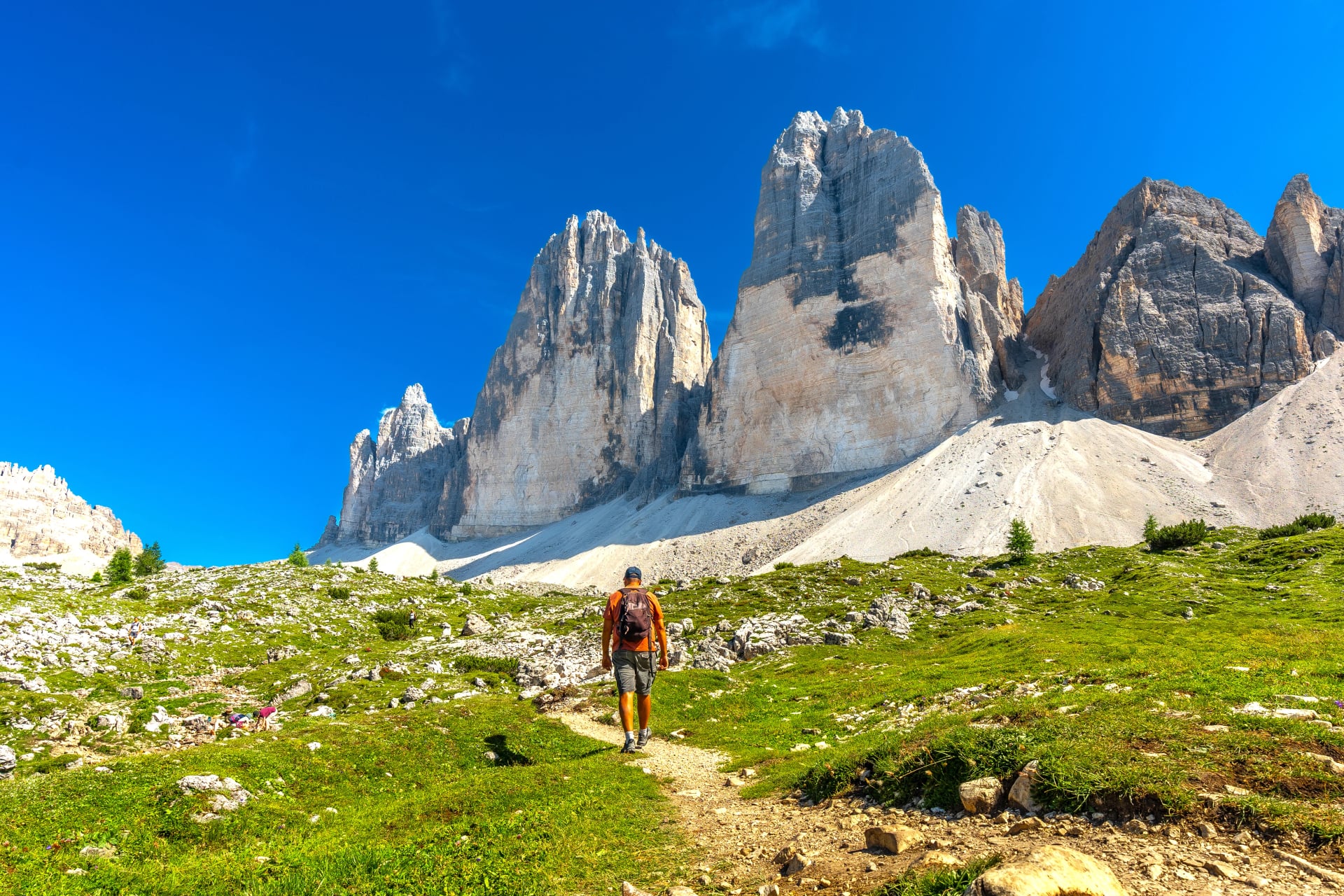
Essential Clothing Layers
Mid-weight insulating layer (fleece or lightweight down—mornings and evenings are cool)
Waterproof, breathable rain jacket and rain pants (afternoon storms happen regularly)
Base layers that wick moisture (merino wool or synthetic)
Hiking pants and shorts (shorts work for valley hiking, pants needed for higher elevations)
Warm hat and lightweight gloves (for early starts and high passes)
Sun hat with brim (June sun is strong at altitude)
Footwear
Sturdy hiking boots with ankle support (trails can still be muddy from snowmelt early in the month)
Lightweight sandals for rifugio evenings
Gaiters (optional, helpful if you encounter late-season snow patches)
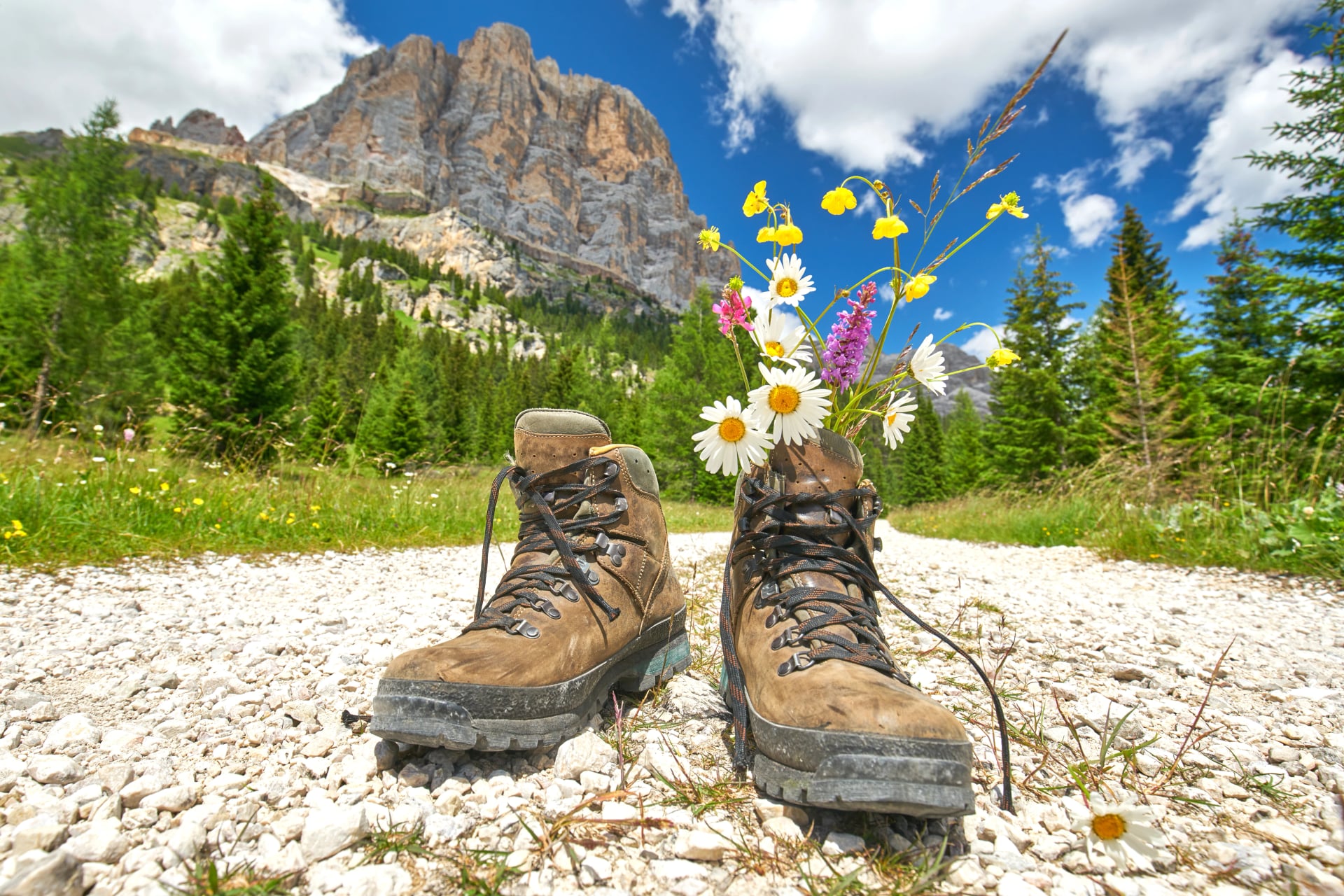
Gear
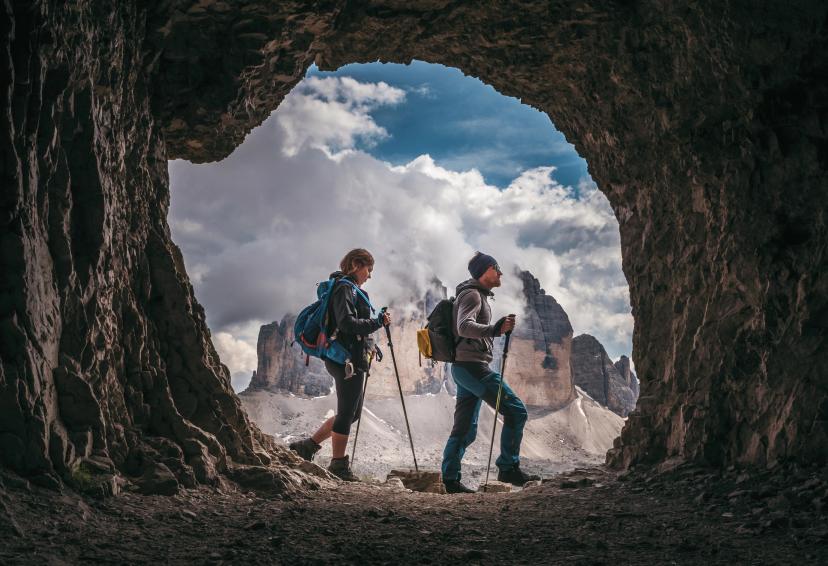
Trekking poles (highly recommended for descents and uneven terrain)
Sunglasses and high-SPF sunscreen (UV exposure increases with altitude)
Insect repellent (minimal in the Dolomites, but useful in forested valleys)
Camera with extra batteries (wildflower photography opportunities are exceptional)
What to Leave Behind
Heavy winter layers (you don't need full winter gear)
Cotton clothing (dries slowly—stick with technical fabrics)
For complete packing guidance, including specific gear recommendations and packing strategies, see our ultimate guide for hiking in the Dolomites.
Should You Visit the Dolomites in June?
Visit the Dolomites in June if:
You want to experience peak wildflower season (this is THE month)
You prefer fewer crowds while still having excellent trail access
You value better pricing than July-August (accommodations cost 20-30% less)
You're flexible with early June weather variability
You want long daylight hours (15+ hours) for extended hiking days
You appreciate fresh, vibrant landscapes awakening after winter
Skip June if:
You need absolute weather certainty (early June can be variable)
You're uncomfortable with possible snow on highest passes (early June only)
You require all rifugios to be open from Day 1 (some open mid-month)
You can only travel late June and want even better weather (July might suit you better)
Our recommendation:
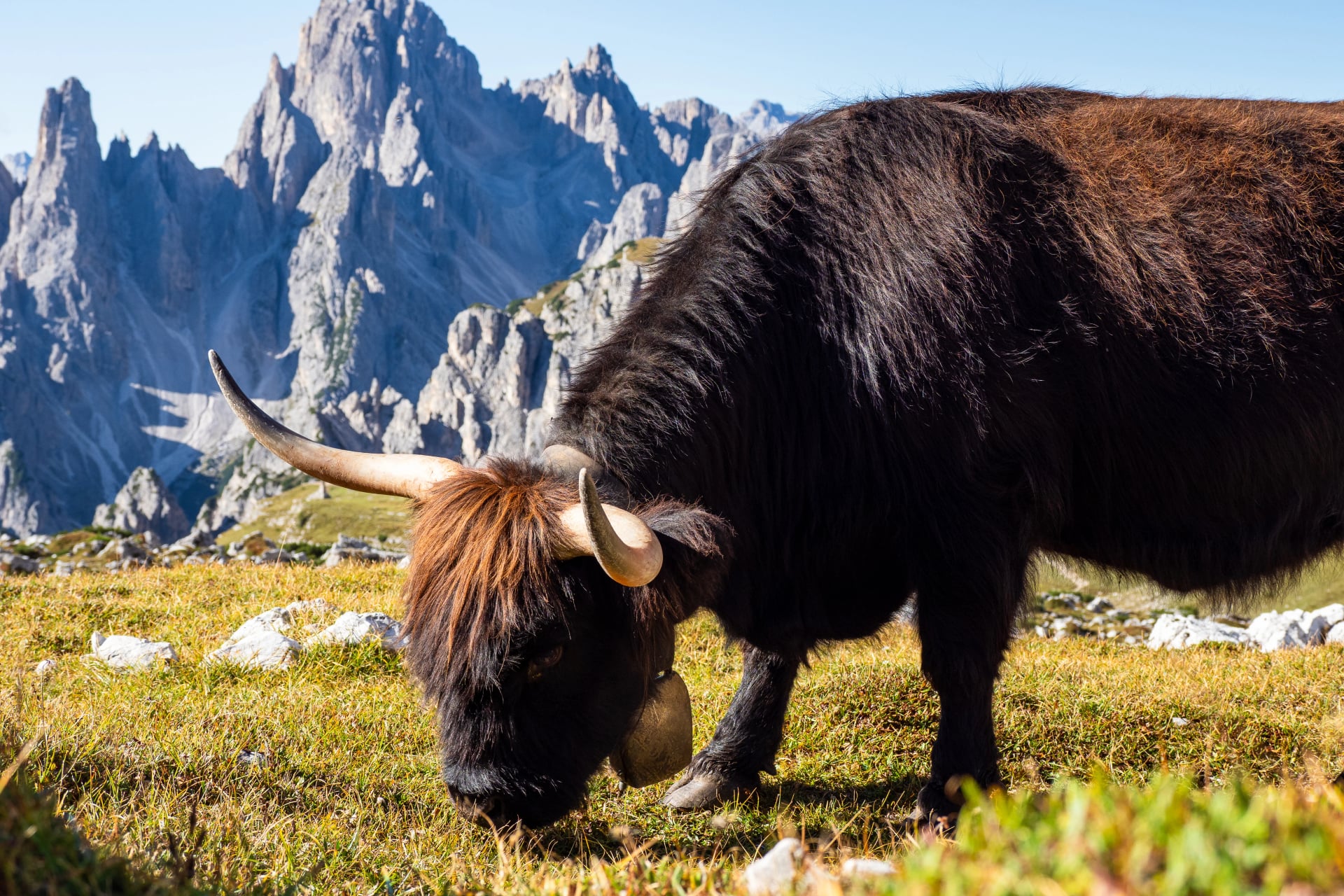
June—especially late June—is one of the absolute best months to hike the Dolomites. You get summer-quality conditions with spring's wildflower displays and without peak season crowds or prices. The final 10 days of June (June 20-30) offer the sweet spot: nearly all rifugios open, trails fully clear, wildflowers still spectacular, and noticeably fewer hikers than July.
For comprehensive guidance on the best time to visit based on your specific priorities, weather preferences, and hiking goals, see our complete month-by-month weather guides for other months of the hiking season:
Start Your Summer in the Dolomites!
June offers some of the finest hiking conditions of the entire year—wildflower meadows at peak bloom, comfortable temperatures, long daylight hours, and trails without July-August crowds. Whether you're tackling the full Alta Via 1, exploring the Seiser Alm plateau, or hiking the northern highlights, June delivers an exceptional Dolomites experience.
Ready to plan your June adventure? Explore our complete tour collection where we handle rifugio bookings, GPS files, and all logistics, or get in touch to discuss the perfect June itinerary for your goals and experience level.
Andiamo!

About this author
Ajda is our travel advisor, raised in a village surrounded by mountain peaks. Hiking entered her life early on and remains her favorite way to reconnect with nature.