What to Pack for the Alta Via: The Complete Dolomites Gear Guide
From footwear to weather layers, this Alta Via packing checklist explains exactly what to bring for a smooth, lightweight, and stress-free trek across the Dolomites.

Suzana
Published January 14, 2026
Edited January 19, 2026
8 min read
Quick links
Don't want to read all this?
We've planned 2,000+ hiking trips. Send your dates, fitness and group size — we'll map the route and book every night.



Packing for an Alta Via trek isn't like packing for a typical multi-day hike. You're not carrying a tent, sleeping bag, or cooking gear—rifugios provide beds, blankets, and hot meals at the end of each day. That's the good news.
The challenge? Mountain weather changes fast, trails can be steep and technical, and you'll be carrying everything on your back for 6-8 hours a day. Pack too much and you'll suffer on the climbs. Pack too little and you'll freeze on a ridge or get soaked in an afternoon storm.
This guide cuts through the confusion—what you actually need versus what you can leave behind. Whether you're tackling the beginner-friendly Alta Via 1 or the technical Alta Via 2, here's how to pack smart and hike comfortably.
Keep It Light, But Don't Skip the Essentials
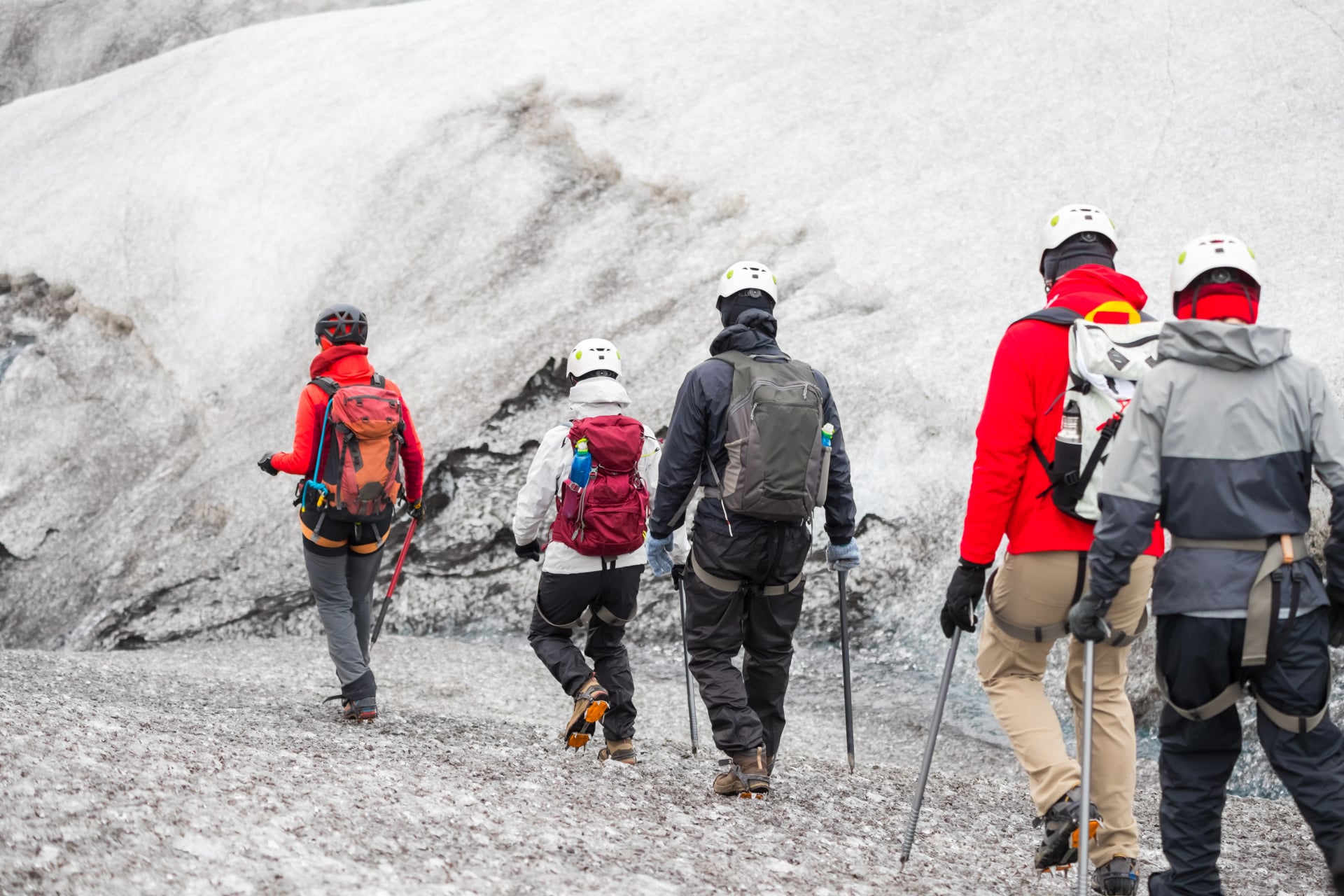
Here's the fundamental difference: you're moving hut-to-hut, not camping. That alone eliminates 5-7 kg from your pack compared to traditional backpacking. No tent, no sleeping bag, no stove, limited food supplies.
Your target weight? 8-10 kg maximum (excluding water). Sounds light, but when you're climbing 1,000+ meters in a day or navigating via ferrata sections with a pack on, every kilogram matters.
The golden rule: If you haven't used something in three days on the trail, you didn't need it.
Pack for function and layering, not fashion or "just in case" scenarios. The Dolomites reward the light and prepared, not the over-prepared and heavy.
The Non-Negotiables
What You MUST Bring
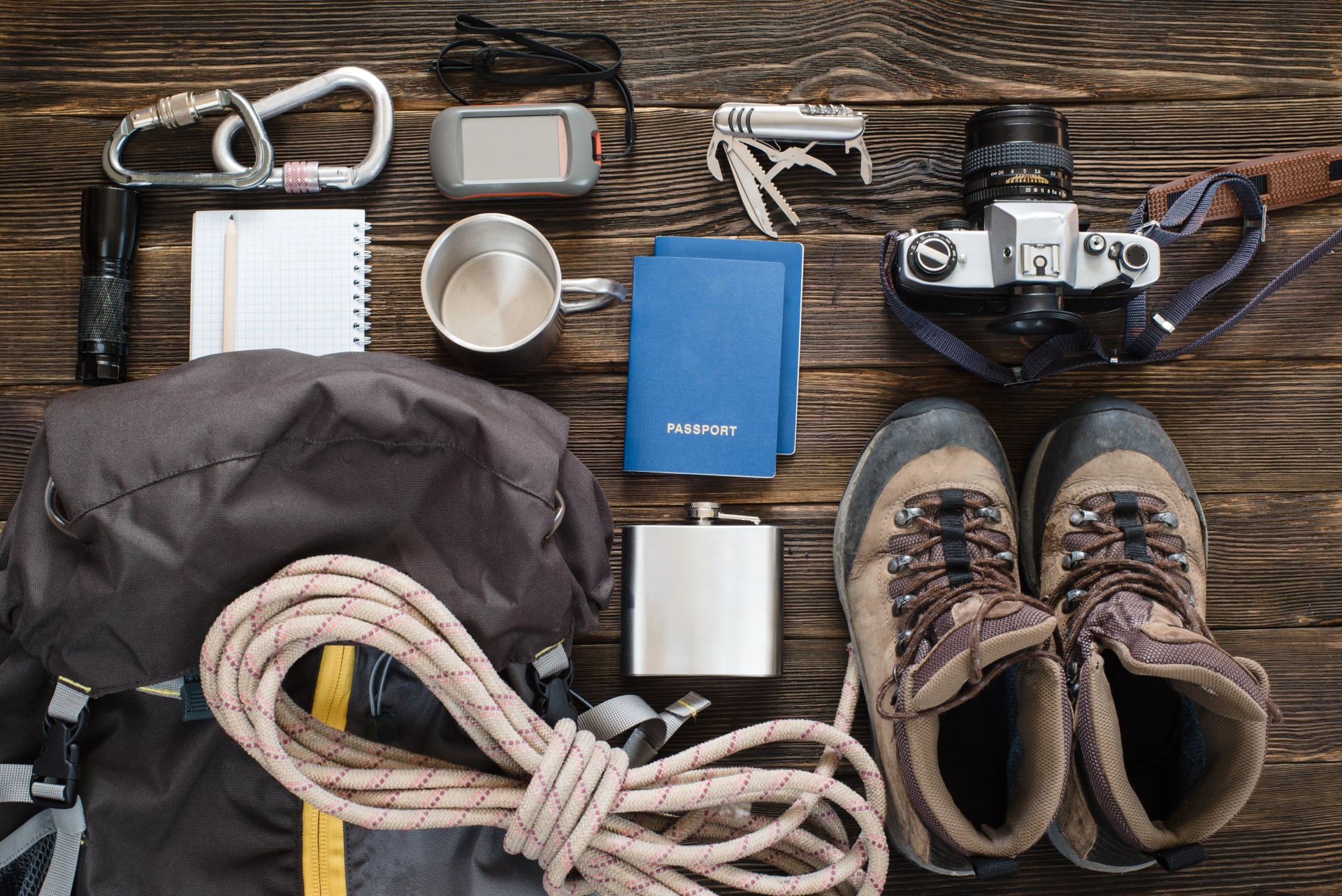
These items aren't optional—they're essential for safety, comfort, and peace of mind.
Documents & Money
Passport (valid for at least 3 months beyond your trip)
Travel insurance details (keep a photo on your phone)
Cash in euros—rifugios often prefer it, and mountain ATMs are rare
Credit or debit card as backup
Navigation & Communication
Smartphone + charging cable + power bank
Offline maps downloaded (our tours include pre-loaded GPX files)
EU plug adapter (Type C or F)
Emergency contact numbers saved offline
Safety Essentials
First aid kit with blister treatment, pain relief, and medical tape
Sunscreen SPF 50+ (altitude intensifies UV exposure)
Sunglasses rated Category 3 or 4 for high-altitude glare
Headlamp or flashlight with extra batteries
Whistle (international distress signal: six blasts)
These basics keep you safe, legal, and connected—skip any of them at your own risk.
Clothing Strategy for Mountain Weather
The Three-Layer System
Mountain weather in the Dolomites is famously unpredictable. You might start in sunshine, hike through afternoon clouds, and finish in a cold wind. Layering is your survival strategy.
Base Layer (Moisture-Wicking)
2-3 technical t-shirts or merino wool tops
1-2 pairs of hiking underwear (avoid cotton)
2 pairs of hiking socks (wool or synthetic blend—bring extras for blister prevention)
Mid Layer (Insulation)
Lightweight fleece or insulated jacket
Long-sleeve shirt for sun protection or cool mornings
Outer Layer (Weather Protection)
Waterproof, breathable jacket—this is non-negotiable
Waterproof pants or rain trousers (even in summer)
Windproof layer if you tend to run cold
Additional Clothing
Hiking pants (quick-dry, comfortable for all-day wear)
Hiking shorts (optional but appreciated on hot valley sections)
Warm hat for cold mornings and sun hat for exposed ridges
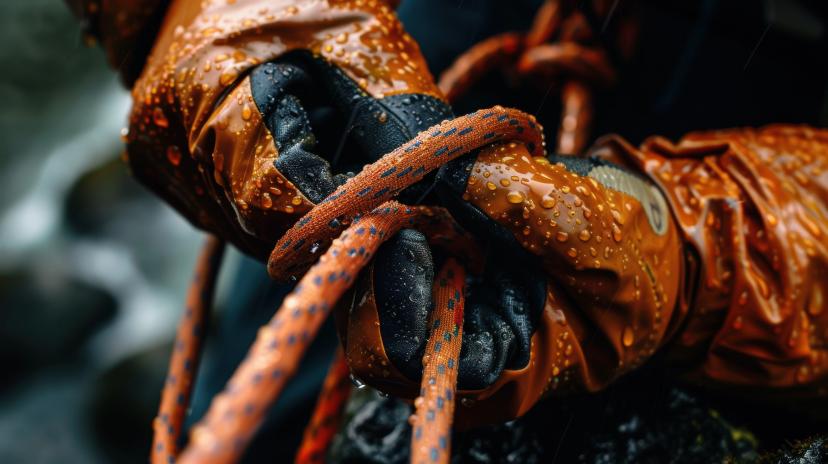
Lightweight gloves for early starts or via ferrata cable work
Casual evening wear for rifugio dinners (nothing fancy—just clean and comfortable)
Footwear
Hiking boots: Well broken-in, ankle support, waterproof. This is your most important gear choice.
Lightweight sandals or camp shoes for rifugio evenings (your feet will thank you)
Gaiters (optional, but useful on AV2 or scree sections)
Pro Tip: Break in your boots with at least 100 km of hiking before your trip. Blisters on Day 1 can ruin an entire Alta Via.
Gear & Equipment
What You Need in Your Pack
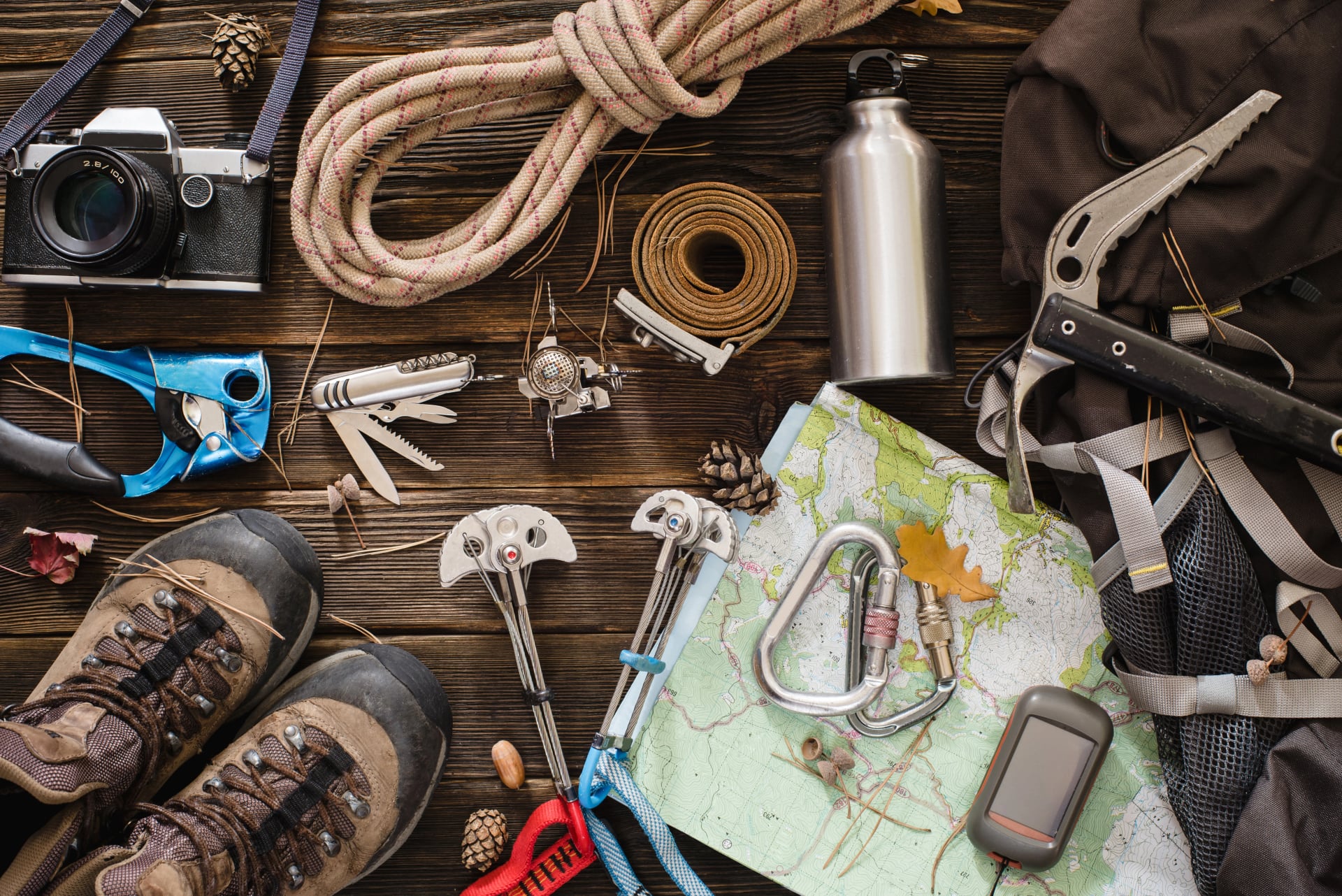
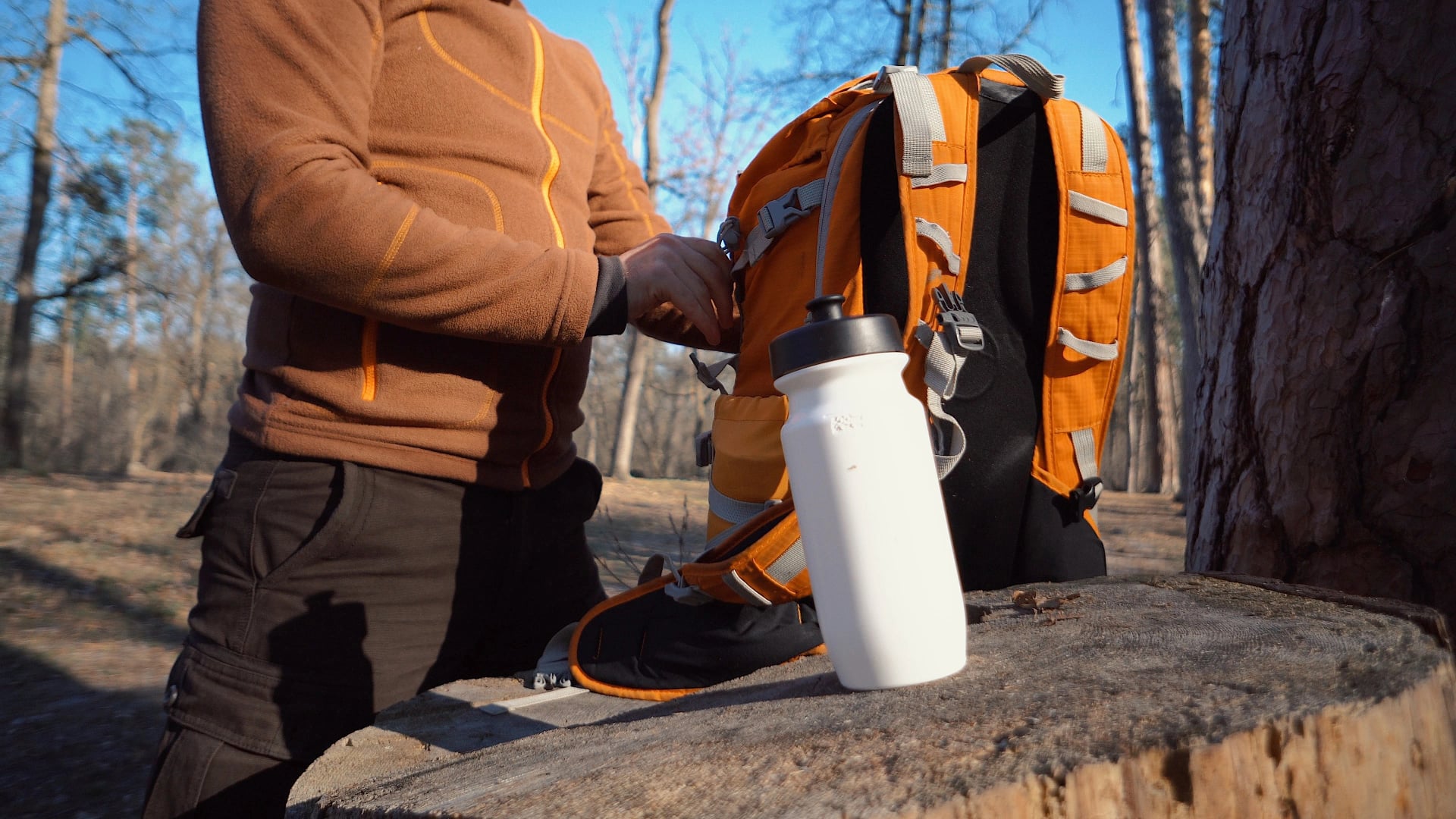
The Backpack Itself Choose a 35-45L capacity pack—the sweet spot for multi-day hut-to-hut hiking. Anything smaller won't fit your layers and safety gear; anything larger tempts you to overpack.
Make sure it has:
Rain cover or waterproof pack liner
Comfortable, padded hip belt (this carries most of the weight)
Adjustable shoulder straps and sternum strap
On the Trail
Trekking poles (highly recommended—save your knees on descents)
Water capacity: 1.5-2L (bottles or hydration bladder)
Snacks and energy bars for between-hut fuel
Lightweight stuff sack or packable daypack (optional, for summit detours without full pack)
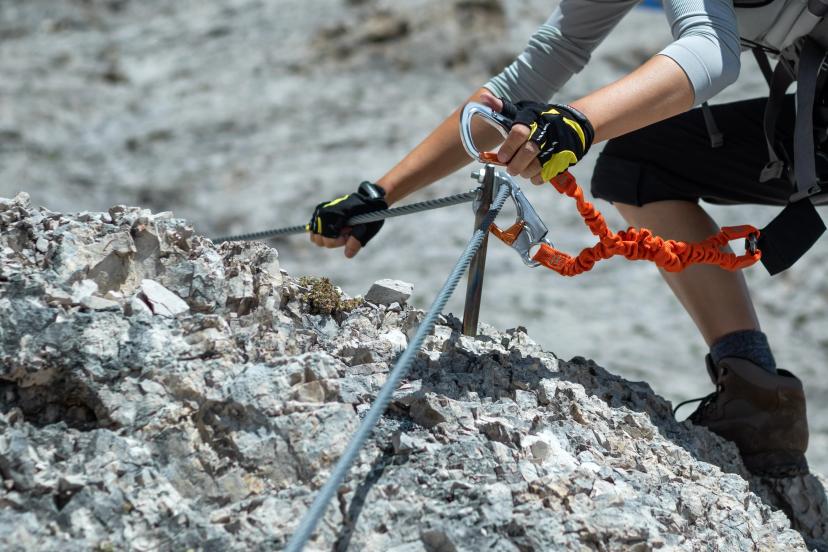
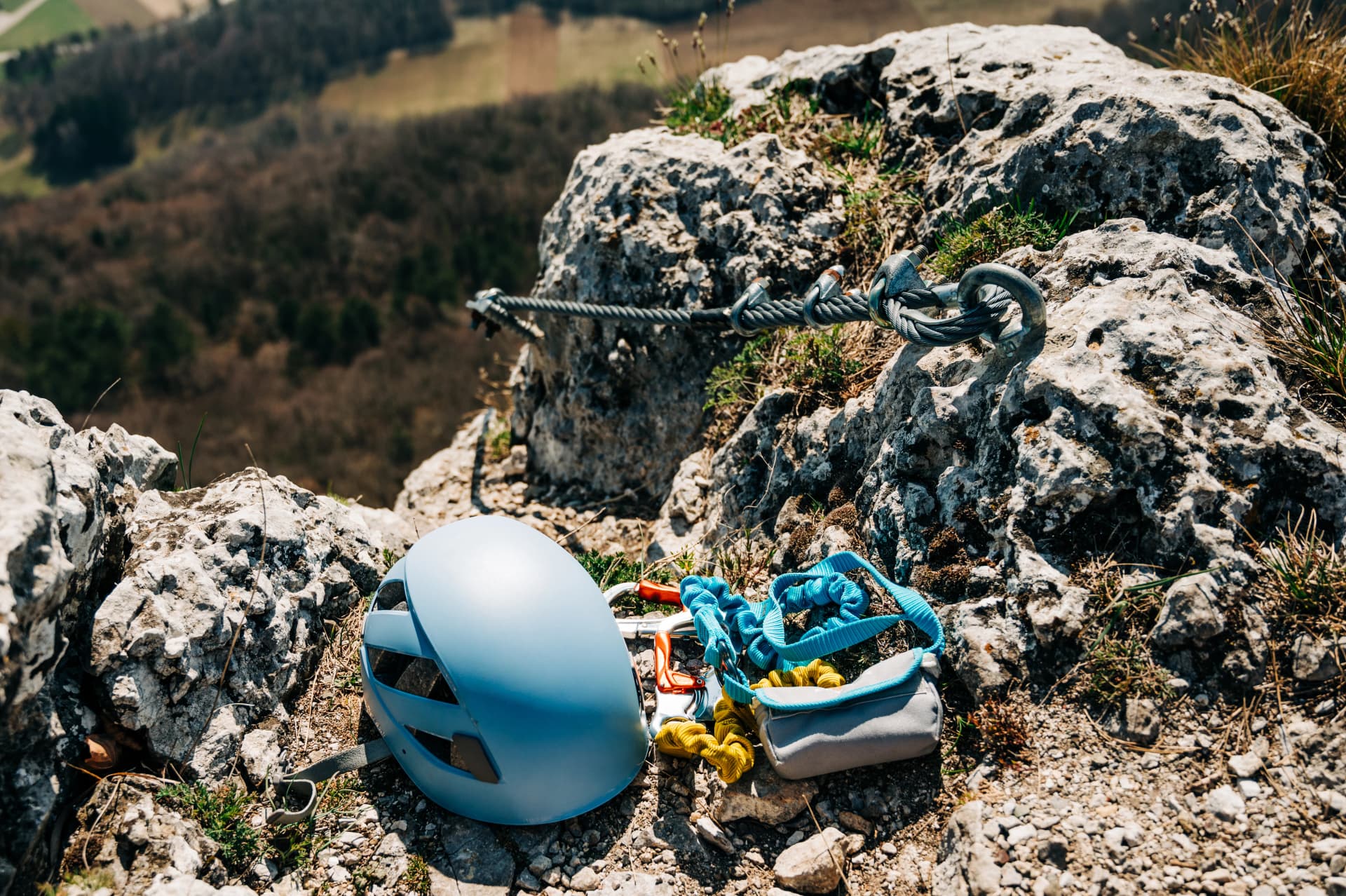
For Via Ferrata Sections If you're tackling Alta Via 2 or routes with technical sections, you'll need:
Note: Our team can provide via ferrata gear as part of the package—check with us before booking.
Personal & Comfort Items
Small Things That Make a Big Difference
Rifugios provide beds and meals, but personal comfort is up to you.
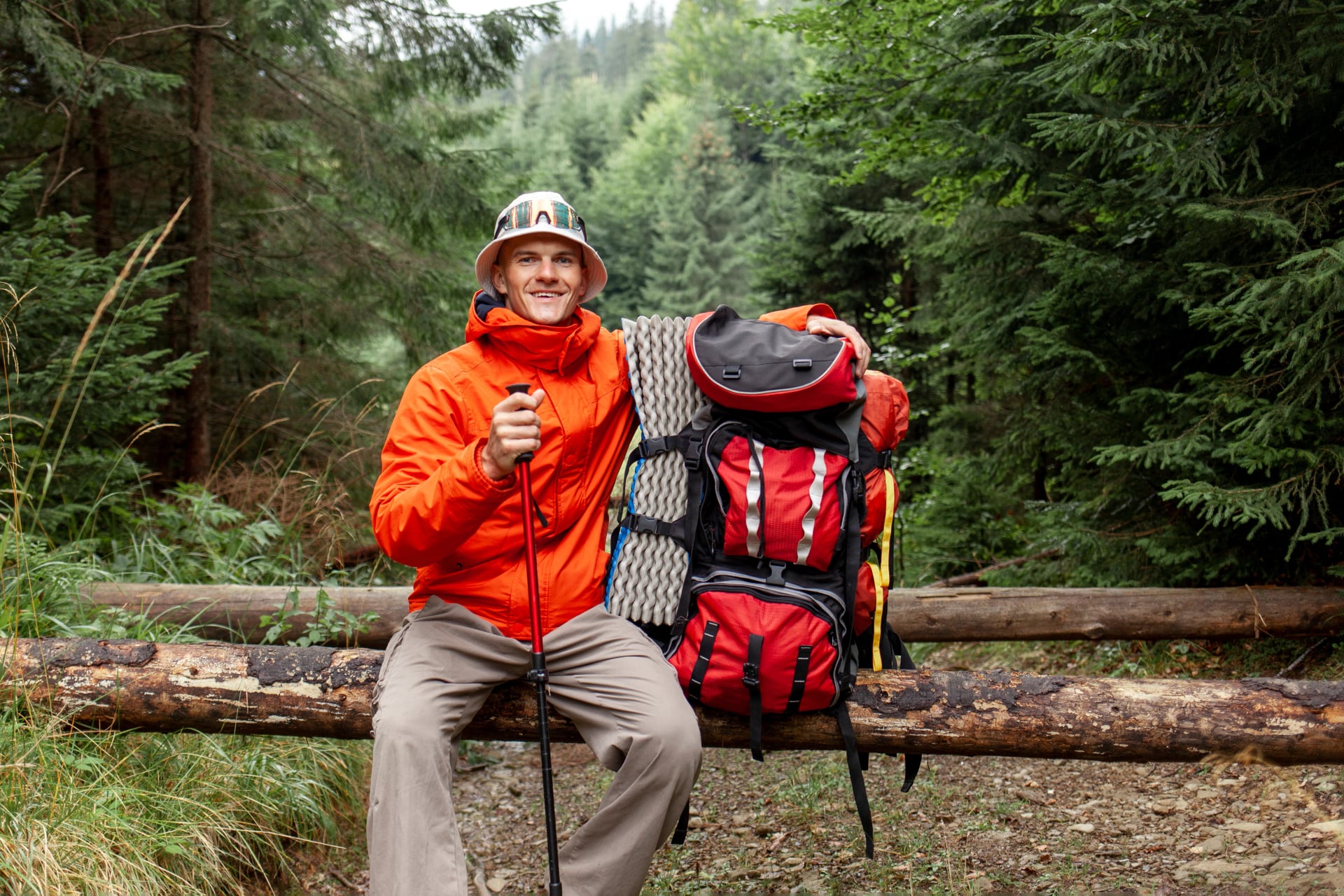
Essentials:
Toiletries (travel-size, ideally biodegradable)
Quick-dry towel (rifugios provide bedding, not always towels)
Earplugs and eye mask (dorm rooms can be noisy and bright)
Blister prevention supplies (tape, Compeed, moleskin)
Lip balm with SPF
Personal medications and prescriptions
Small zip-lock bags (for organizing, separating wet clothes, carrying trash)
Optional But Nice:
Lightweight camera (though phone cameras work great)
Book or e-reader for quiet rifugio evenings
Small hiking journal or notebook
Deck of cards (great for making friends in the common room)
Remember: rifugios are social places. An evening in the dining hall often means conversation, local wine, and shared stories with hikers from around the world.
What NOT to Pack
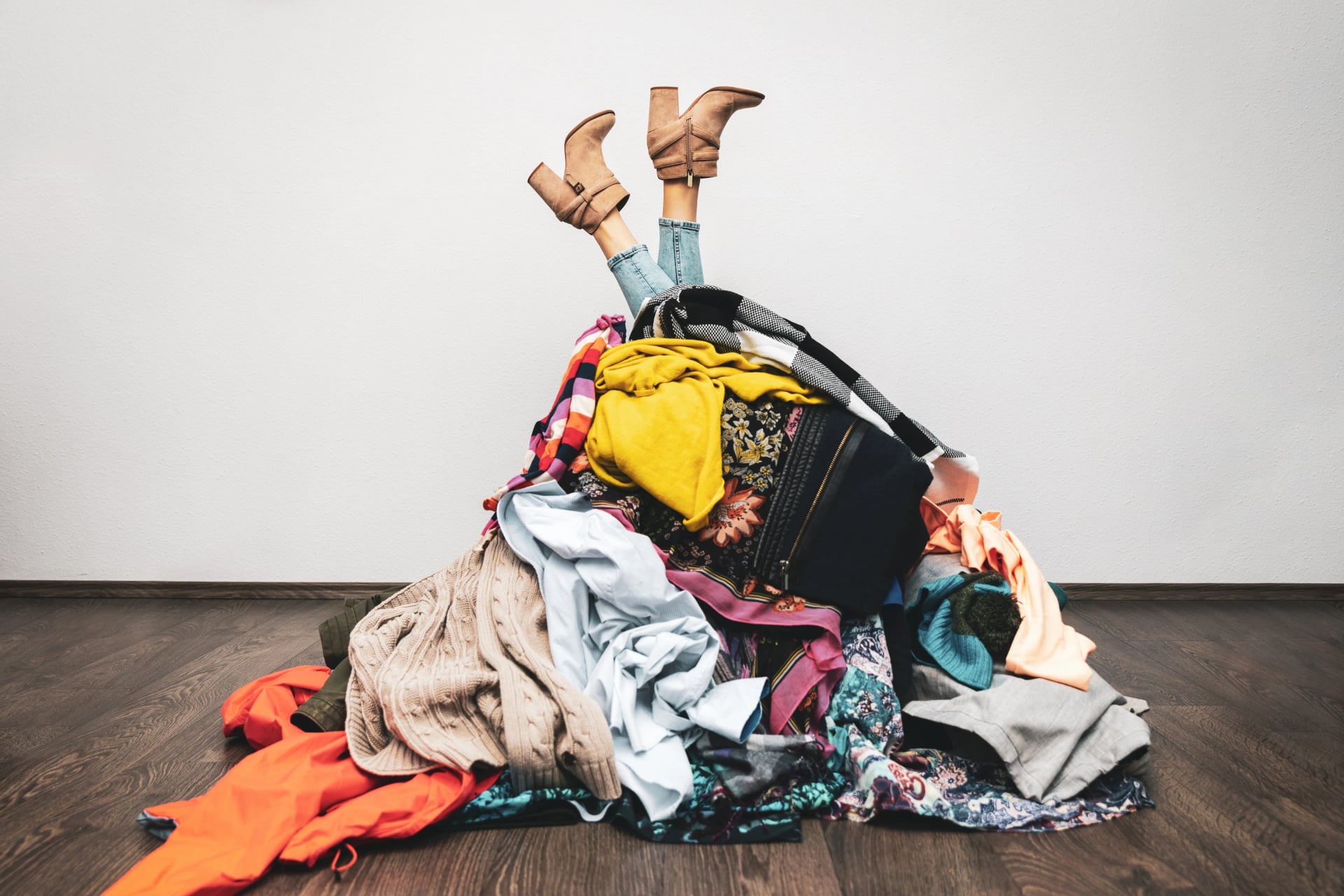
Leave These at Home
Resist the temptation to overpack. Here's what stays behind:
Full-size toiletries (buy travel-size or refill small bottles)
Cotton clothing (dries slowly, stays damp, makes you cold)
Heavy jeans or casual clothes (one pair of evening pants is enough)
Extra pairs of shoes (one hiking boot + one sandal = done)
Camping gear (tent, sleeping bag, stove—rifugios provide everything)
More than 3 days of clothing (you can hand-wash at huts)
"What if" items (that extra fleece, fourth pair of socks, backup of a backup)
Every extra gram adds up over 100+ kilometers. Be decisive about what makes the cut.
Seasonal Adjustments
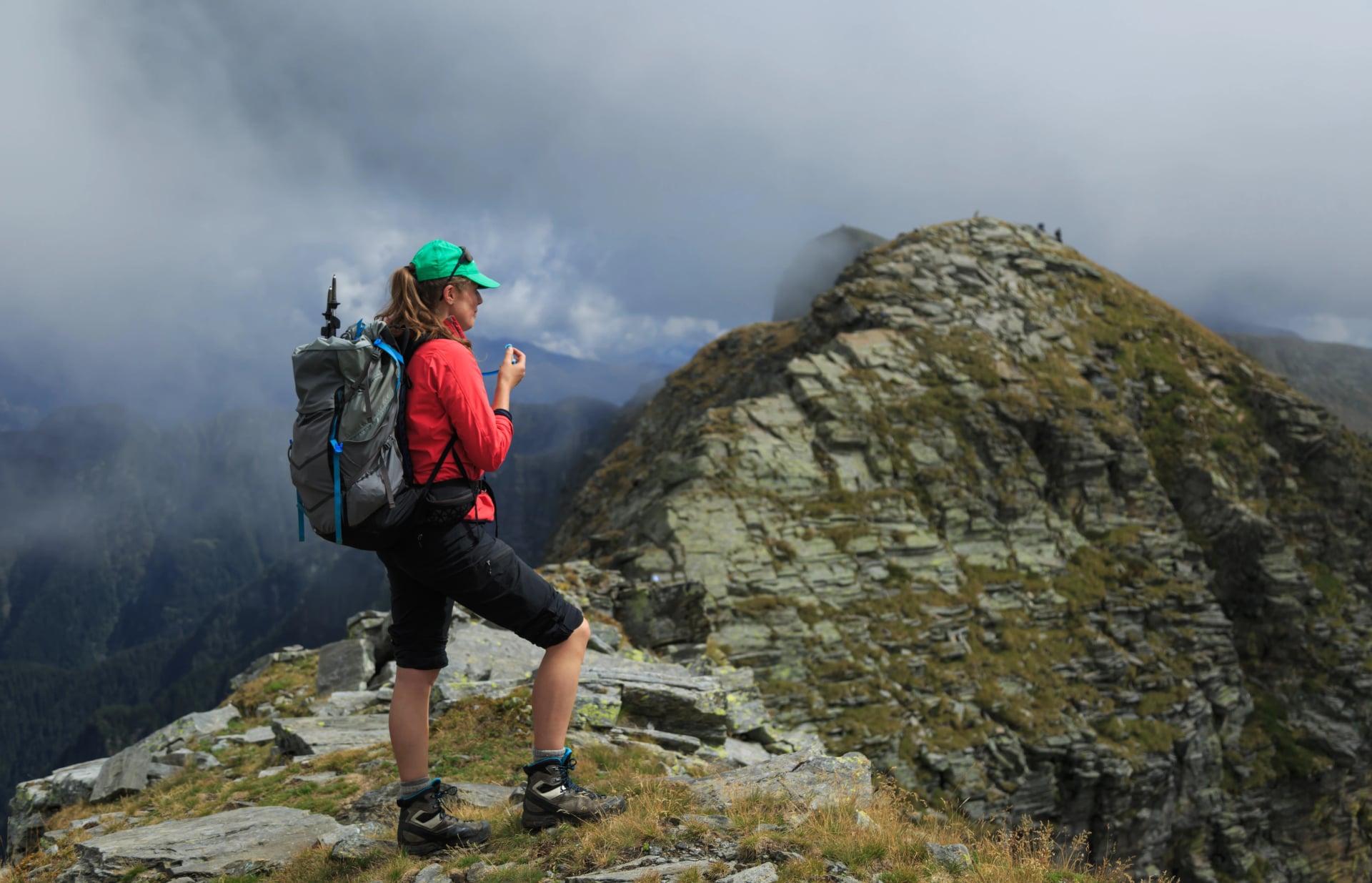
June-July (Early Season)
Extra warm layers (snow patches possible on high passes)
Microspikes or light crampons (especially for AV2 glacier sections)
Warmer sleeping bag liner or lightweight blanket
Expect more variable weather
August (Peak Season)
Lighter clothing layers work well
Extra sun protection (hat, sunscreen, lightweight long sleeves)
Insect repellent (though bugs aren't usually a major issue in the Dolomites)
September (Late Season)
Warmer insulated jacket (evenings drop significantly)
Extra batteries or power bank (cold drains electronics faster)
Be prepared for sudden weather shifts and early snowfall at altitude
For more detailed seasonal planning, see our guide on when to hike in the Dolomites.
Packing Smart
Having the right gear is one thing—packing it efficiently is another.
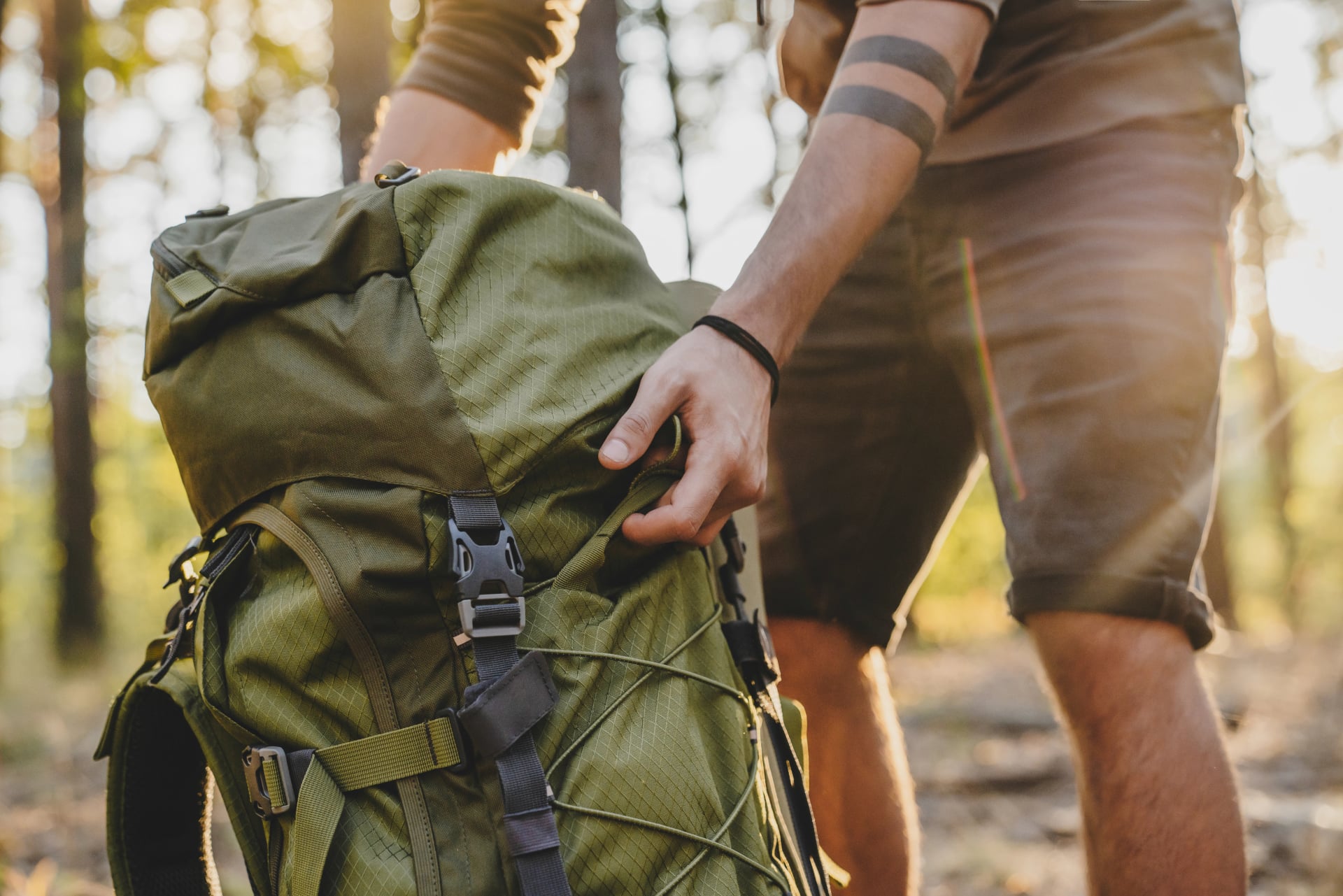
Packing Technique:
Roll, don't fold: Saves space and reduces wrinkles
Use stuff sacks or packing cubes: Keeps things organized and compressed
Heavy items close to your back: Improves balance and reduces strain
Keep rain gear accessible: Weather changes fast—don't bury your jacket at the bottom
Wear your heaviest items on travel days: Boots and jacket don't count toward pack weight if you're wearing them
Pre-Trip Checklist:
Break in boots with 100+ km of hiking
Test all gear at home (practice with via ferrata set, try layering system)
Check weather forecast 3 days before departure
Download offline maps and GPX files
Charge all electronics and power banks
Confirm that you have all documentation with you
Pack Light, Hike Happy
The perfect Alta Via pack is one you barely notice on your back—light enough to move freely, complete enough to handle anything the mountains throw at you.
Thanks to rifugio infrastructure, multi-day Dolomite treks are accessible without the burden of full camping gear. That's what makes the Alta Via experience so special—serious mountain hiking with the comfort of warm meals and real beds each night.
With this checklist, you're ready. The trails, the peaks, and the rifugios are waiting.
Ready to hike? Our tours include detailed, route-specific packing lists tailored to your season and difficulty level. Browse our Alta Via tours or book a consultation with us with any questions about what to bring—we're here to help you pack smart and hike confidently.

About this author
Suzana is our travel advisor and a hiker who believes the best trails aren't just about the summits. She loves spotting alpine plants, watching wildlife, and the laughs, chats, and snack breaks that make every trail worth walking.