How to Get to the Dolomites: A Complete Logistics Guide
From flight choices to direct shuttles and regional trains, this guide breaks down the most efficient ways to enter the Dolomites and reach the key hiking hubs.

Anja
Published March 10, 2026
Edited March 17, 2026
10 min read
Quick links
Don't want to read all this?
We've planned 2,000+ hiking trips. Send your dates, fitness and group size — we'll map the route and book every night.



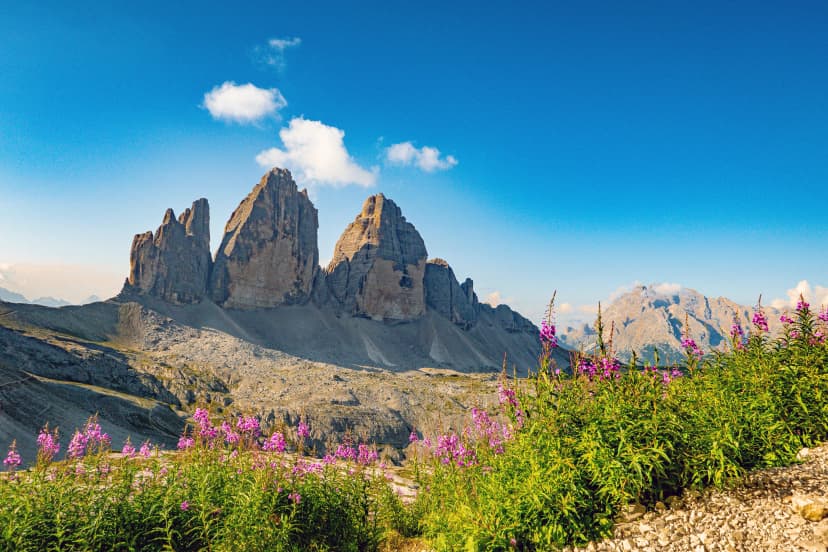
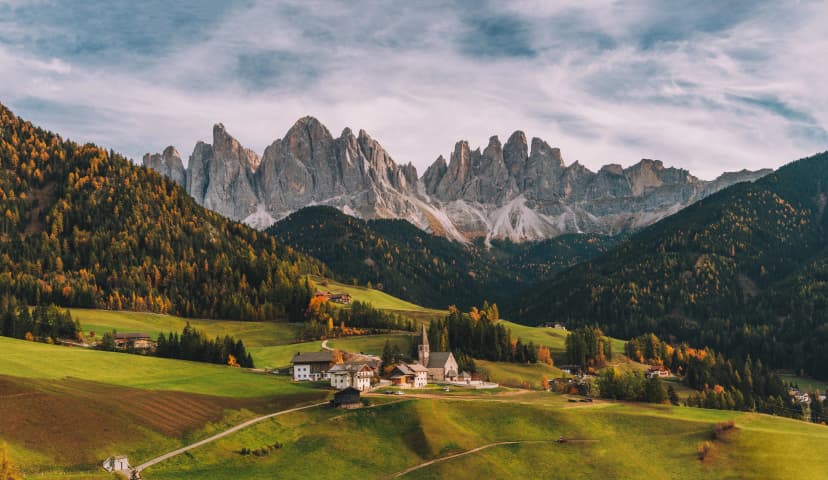
Getting to the Dolomites is easier than most people think. Despite their dramatic appearance, these UNESCO-protected peaks in northern Italy are exceptionally well-connected by air, train, and bus. Within 2-4 hours of landing, you can be standing in a mountain village with iconic limestone towers rising above you.
Before planning transport, check out our Ultimate Guide to Hiking in the Dolomites to understand which trails and routes suit you best.
In this guide, you will find out which airports to fly into, how to reach the mountains from each one, and practical tips to make your journey smooth and stress-free.
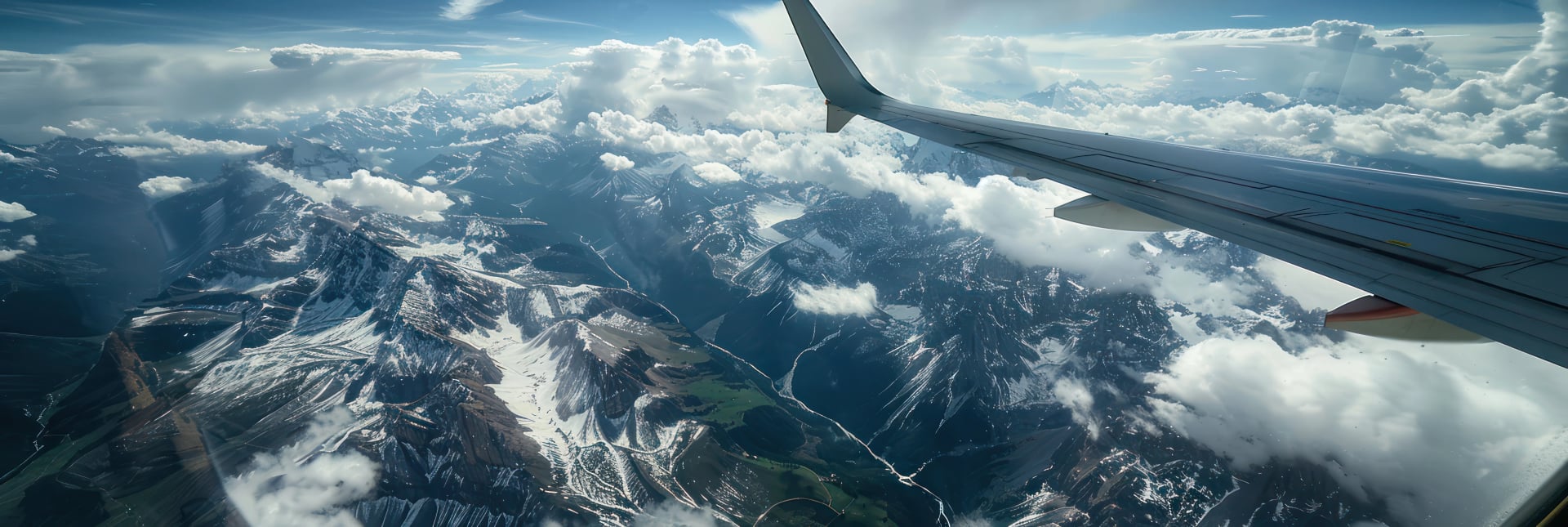
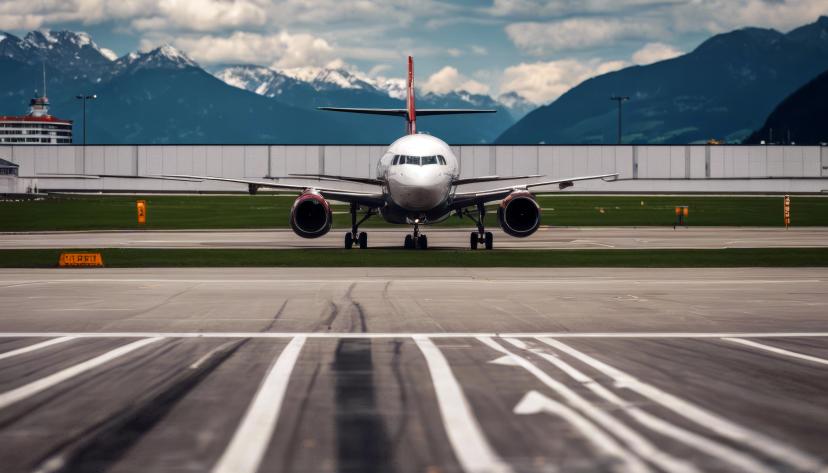
Which Airport Should You Fly Into for the Dolomites?
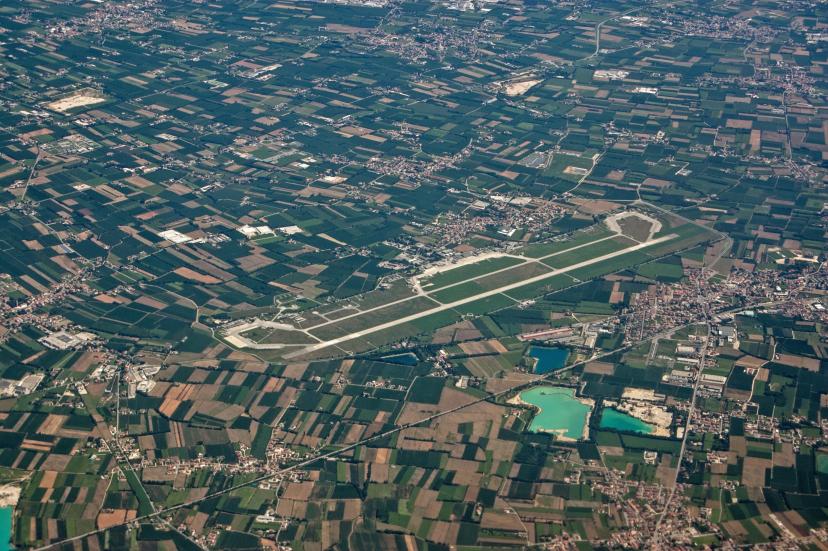
Three main airports serve the Dolomites, and your best choice depends on which part of the range you're visiting, your flight options, and your budget. Here's how they compare:
1. Venice Marco Polo Airport (VCE)
Distance to Dolomites: 2.5-3.5 hours to Cortina d'Ampezzo, Belluno, or eastern valleys
Why choose it: Venice is the most popular gateway for good reason—it offers the widest selection of international flights, the most airline options, and excellent connections to the eastern and central Dolomites. If you're flying from North America, Asia, or most of Europe, Venice likely has the best flight availability and prices.
Best for: First-time visitors, those prioritizing flight convenience, hikers heading to Cortina d'Ampezzo, Belluno, Alta Via 1 starting points, or the eastern Dolomites
Transport options: Direct buses (Cortina Express in summer), trains to Belluno or Calalzo followed by local buses, or rental cars
Main gateways from VCE: Cortina d'Ampezzo, Belluno, Pieve di Cadore, Auronzo, San Vito di Cadore
The major advantage of Venice is flexibility—plenty of flights, plenty of onward transport options, and you're never far from a bus or train connection.
2. Innsbruck Airport (INN) - Austria
Distance to Dolomites: 1.5-2.5 hours to Val Gardena, Val di Funes, or northern valleys
Why choose it: Innsbruck is geographically the closest airport to the northern Dolomites and offers stunning Alpine scenery on your approach to Italy. The train journey from Innsbruck through the Brenner Pass into South Tyrol is spectacular—you're already in the mountains before you even reach your destination.
Best for: Access to Val Gardena, Val di Funes, Alta Badia, Ortisei, Puez-Odle Nature Park, and the northern Dolomite valleys with strong Germanic/Austrian cultural influences
Transport options: Train to Fortezza (Franzensfeste) or Bressanone (Brixen), then SAD buses to mountain villages; or rental car across the Brenner Pass
Main gateways from INN: Ortisei, Val Gardena, Brixen, Corvara, Alta Badia
Innsbruck has fewer international flights than Venice, and you'll need to cross an international border (though as EU members, it's seamless). But if you're visiting the northern valleys, it's hard to beat for convenience.
3. Verona Airport (VRN)
Distance to Dolomites: 2.5-3.5 hours to western valleys and Brenta Dolomites
Why choose it: Verona attracts budget airlines like Ryanair and Wizz Air, making it the most economical option for many European travelers. It's also the best gateway for the western Dolomites and Brenta range, which are often overlooked but equally spectacular.
Best for: Budget-conscious travelers, those exploring the Brenta Dolomites, hikers heading to Trento or Bolzano, and anyone who wants to combine Dolomites hiking with exploring Verona itself (a beautiful historic city worth a stopover)
Transport options: Train to Trento or Bolzano followed by Dolomiti Bus or SAD buses, or rental car north through the Adige Valley
Main gateways from VRN: Trento, Bolzano, Madonna di Campiglio, Brenta Dolomites, western valleys
Verona works best if you have flexibility in your itinerary and don't mind slightly longer travel times to reach the more famous eastern Dolomite destinations. It is also the cheapest airport to fly to.
Airport Comparison For Getting to The Dolomites
Airport | Distance to Mountains | Best For | Flight Options | Cost Level | Best If Flying From |
Venice (VCE) | 2.5-3.5 hours | Eastern Dolomites, Cortina, most versatile | Most international flights | Mid-range | US, Asia, most of Europe, UK |
Innsbruck (INN) | 1.5-2.5 hours | Northern valleys, Val Gardena, shortest travel time | Fewer international flights | Mid-high | Germany, Austria, Switzerland, Central Europe |
Verona (VRN) | 2.5-3.5 hours | Western Dolomites, Brenta, budget travelers | Budget airlines | Lowest | UK, Western Europe (budget carriers) |
When to Book Flights for the Best Prices?

Cheapest months to fly: June (early) and September are significantly cheaper than July-August peak season. You'll save 30-50% on flights while still enjoying excellent hiking conditions and open rifugios. Late May can also offer deals, though some high-altitude trails may still have snow.
Cheapest days to fly: Tuesday, Wednesday, and Saturday flights typically cost 20-40% less than Friday and Sunday departures. Avoid flying out on Friday or returning on Sunday if you're budget-conscious.
When to book: For summer Dolomites trips (June-September), book flights 2-4 months in advance for the best balance of price and selection. Booking too early (6+ months) doesn't always save money, and waiting until the last minute means limited availability and high prices. Set up price alerts on Google Flights or Skyscanner to track fare changes.
Midweek arrivals also help with accommodation—rifugios and hotels are less crowded Monday-Thursday compared to weekends when local Italian hikers flood the mountains.
How to Get from the Airport to the Dolomites
Once you've landed, you have four main options for reaching the mountains. Most travelers combine trains and buses—it's affordable, reliable, and gives you a chance to watch the landscape transform from plains to foothills to towering peaks.
By Train + Bus (Most Popular)
Italy's train network (Trenitalia) connects all three airports to gateway towns in or near the Dolomites. From there, regional bus companies complete the journey to mountain villages.
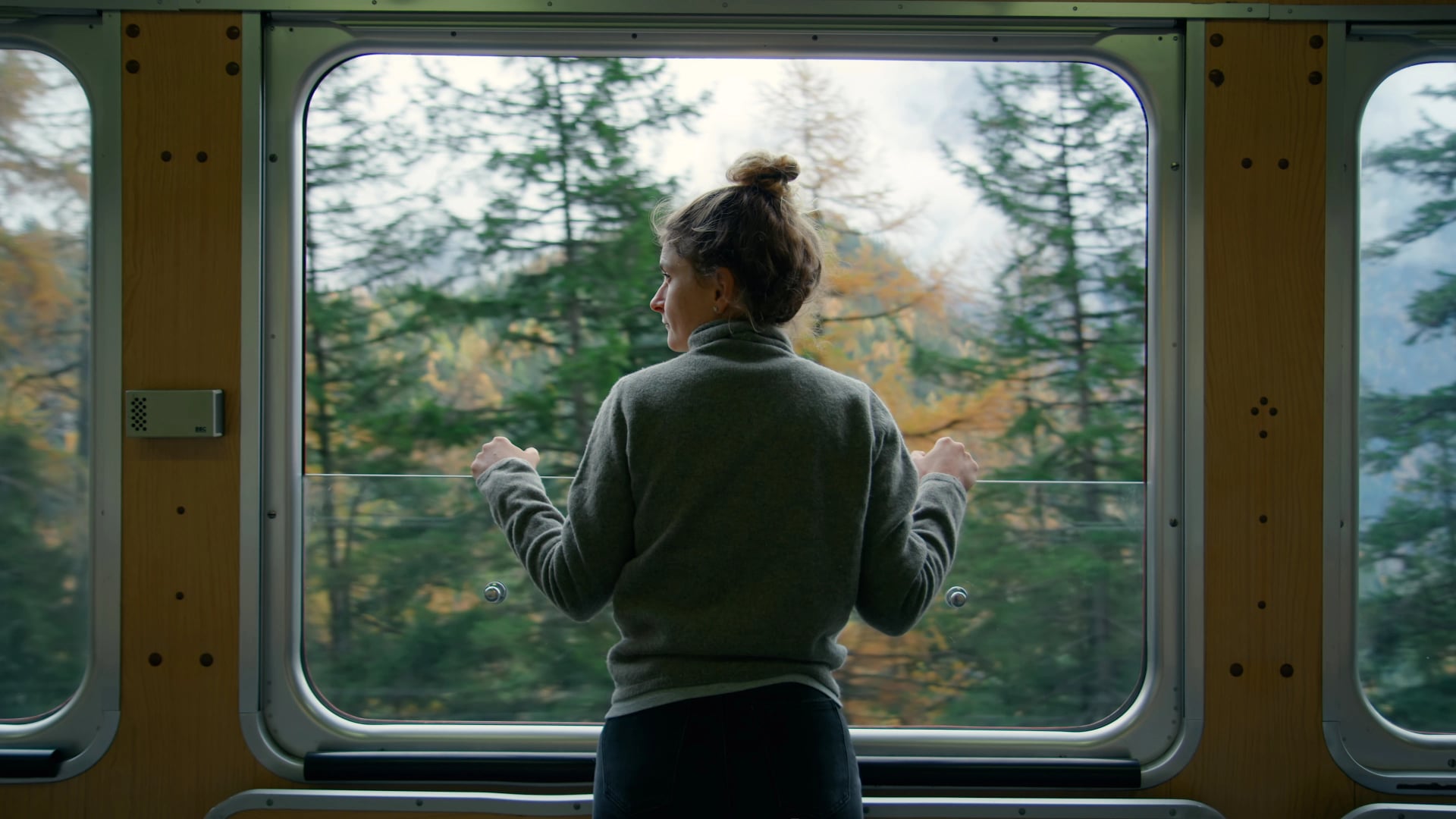
From Venice Marco Polo (VCE):
Take the ATVO bus or train from the airport to Venice Mestre station (15-30 minutes)
Train to Belluno or Calalzo di Cadore (2-2.5 hours)
Local Dolomiti Bus to Cortina, San Vito, or other destinations (1-1.5 hours)
Total time: 3.5-4.5 hours
From Innsbruck (INN):
Train from Innsbruck Hauptbahnhof to Fortezza (Franzensfeste) or Bressanone/Brixen (1-1.5 hours)
SAD Südtirol buses to Val Gardena, Val di Funes, or other northern valleys (45 minutes - 1.5 hours)
Total time: 2.5-3.5 hours
From Verona (VRN):
Train from Verona Porta Nuova to Trento or Bolzano (1-1.5 hours)
Dolomiti Bus or SAD buses to mountain destinations (1-2 hours)
Total time: 3-4.5 hours
Pro tip: Book train tickets 1-2 months in advance for the best prices. Regional buses often can't be booked online—you buy tickets from the driver or at bus stations.
By Direct Bus
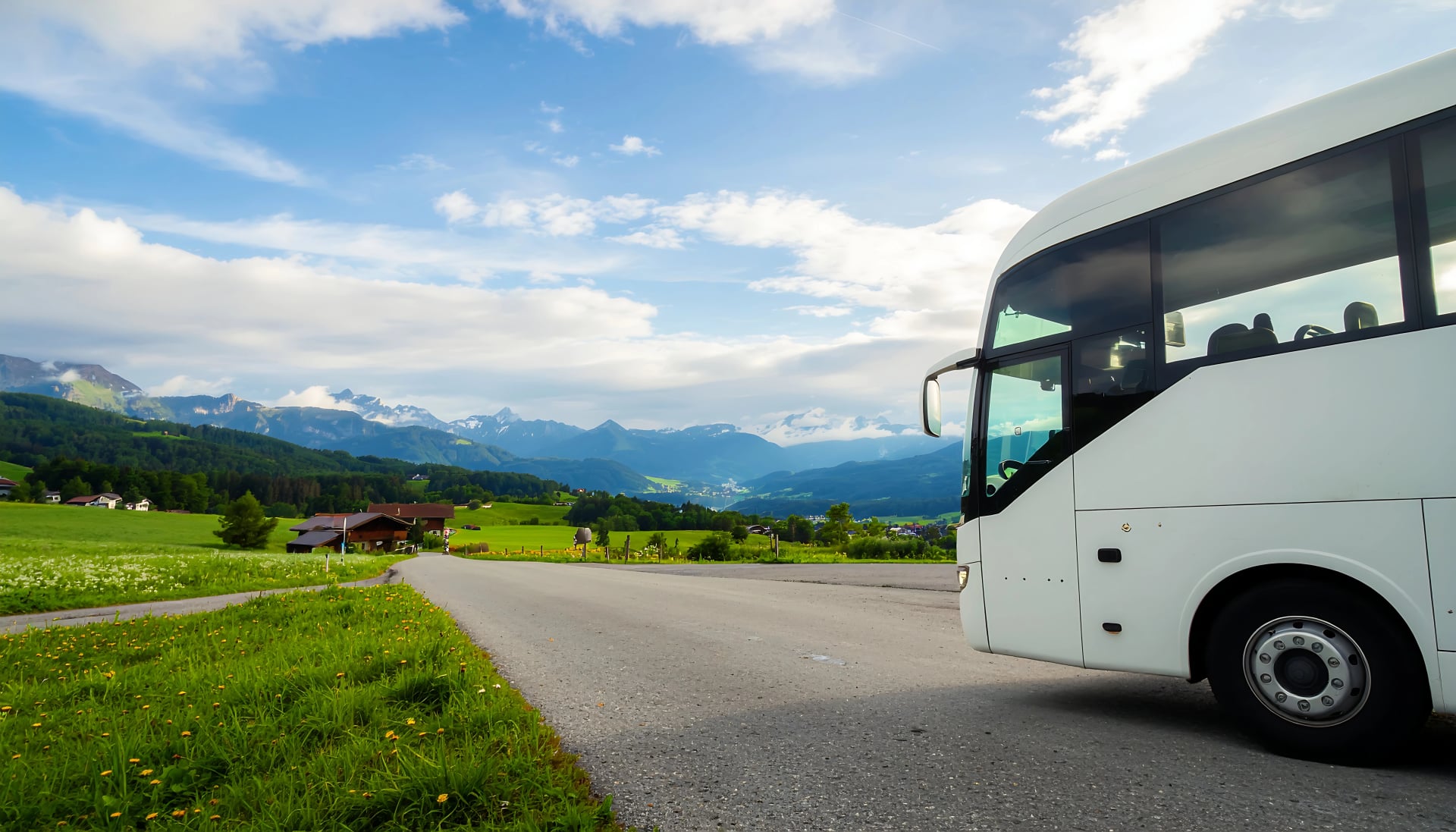
Several direct bus services run from airports to popular Dolomite destinations, especially in summer:
Cortina Express: Runs from Venice Airport directly to Cortina d'Ampezzo (summer season, roughly June-September). This is the easiest option if Cortina is your destination—no transfers, no hassle. Book online in advance.
FlixBus: Offers routes from major cities and some airports to Dolomite gateway towns like Bolzano and Trento. Less frequent than trains but often more direct.
Direct buses are convenient but less flexible than trains—you're locked into specific departure times, and if you miss your bus, you might wait hours for the next one.
By Rental Car
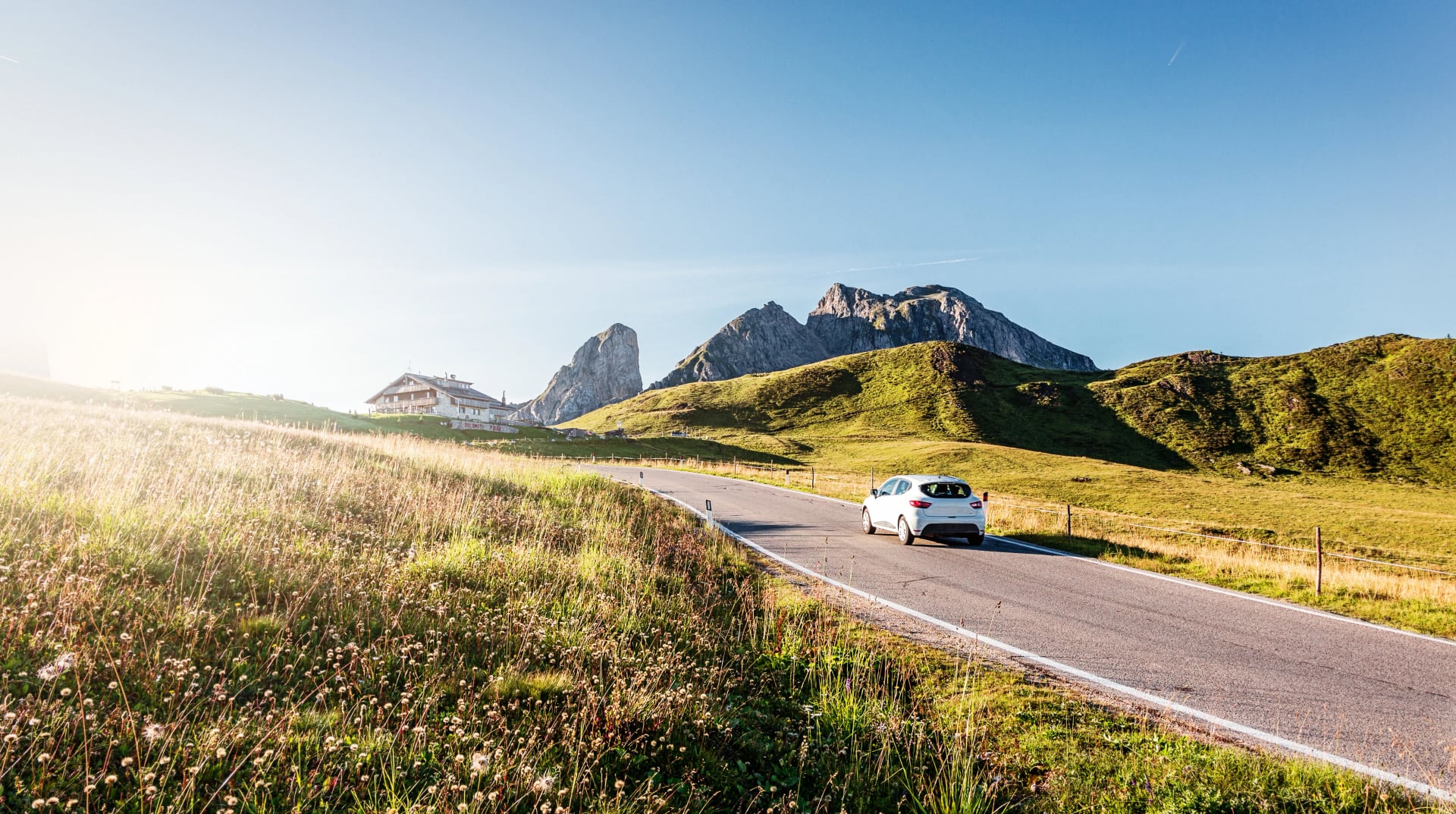
Renting a car gives you maximum flexibility, especially if you're planning to access remote trailheads or explore multiple valleys.
Advantages: Total flexibility, ability to reach remote areas, convenient for families or groups, can stop for photos along the way
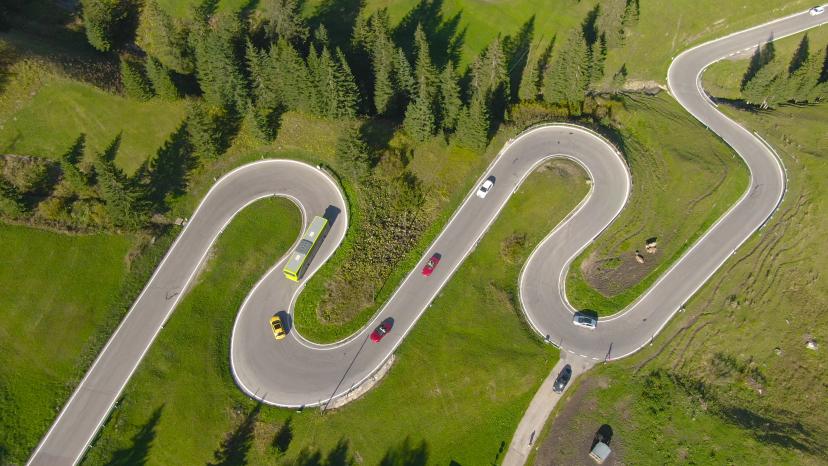
Disadvantages: Parking in popular villages like Cortina or Ortisei can be expensive (€10-20/day) or limited. Mountain roads are winding and slow. You'll pay for fuel, tolls, and rental costs.
Best for: Groups of 3-4 splitting costs, families with children, anyone wanting to explore beyond main hiking routes
Driving times:
Venice to Cortina: 2-2.5 hours
Innsbruck to Val Gardena: 1.5-2 hours
Verona to Bolzano: 2 hours
By Private Transfer
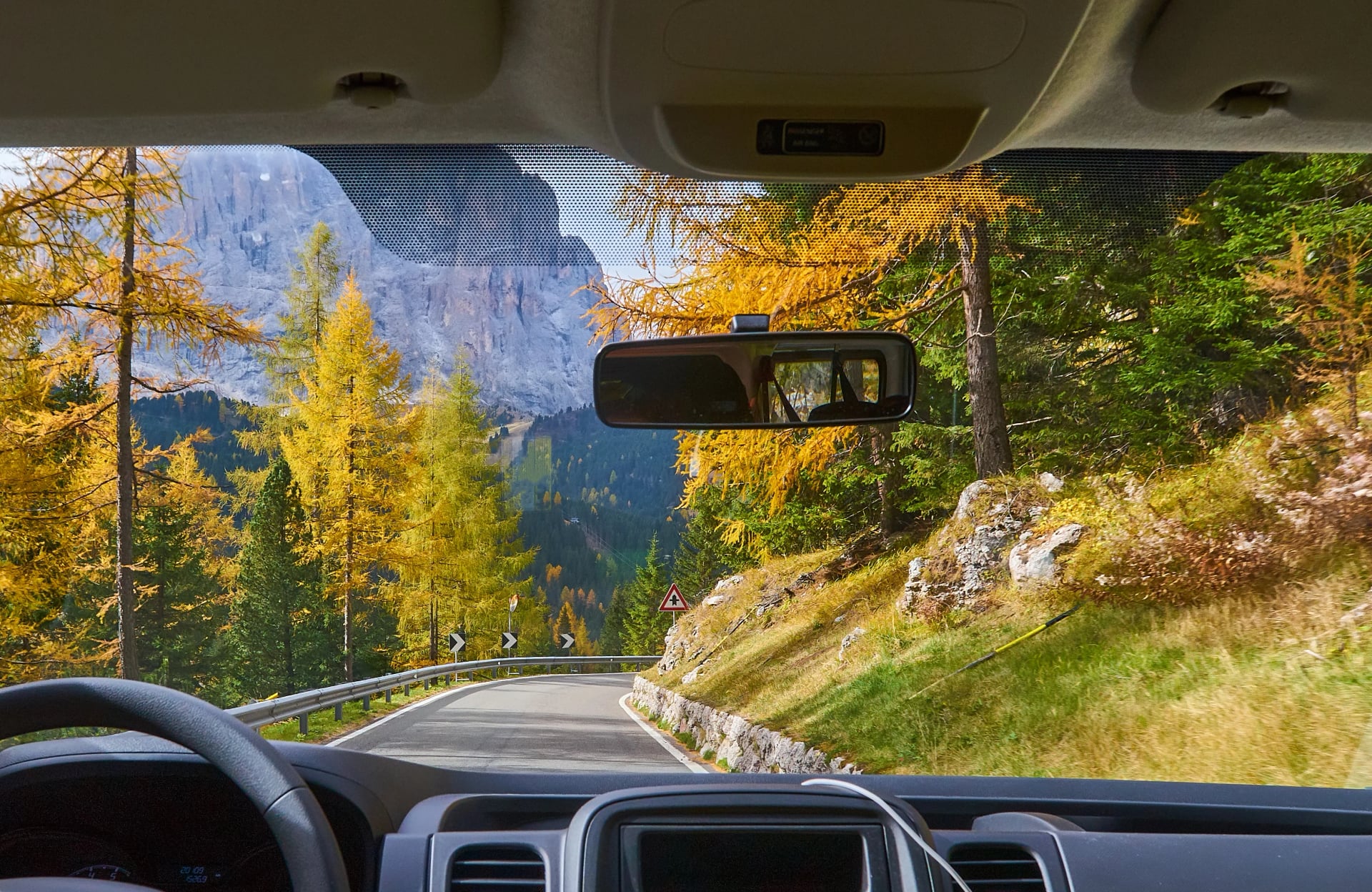
Pre-booked private shuttles and transfers are available from all three airports to any Dolomite destination. They're the most expensive option (typically €150-300+ depending on distance and group size) but offer door-to-door convenience.
When it makes sense: Large groups, travelers with mobility issues, those arriving very late or very early when public transport isn't running
Our team can arrange airport transfers if needed—just ask when booking.
Practical Tips for Getting to the Dolomites
Booking Resources
Here's where to book each leg of your journey:
Transport Type | Booking Platforms | Notes |
Flights | Google Flights, Skyscanner, Kayak | Compare all three airports for best price/schedule |
Trains | Trenitalia, TheTrainline, ÖBB | Book 1-2 months ahead for discounts |
Buses | CortinaExpress, DolomitiBus, SAD, FlixBus | Some routes require buying the ticket from the driver |
Rental Cars | Hertz, Sixt, Budget | Compare prices across agencies |
Money-Saving Tips
Fly midweek. Tuesday and Wednesday flights are often 20-40% cheaper than Friday-Sunday.
Book trains early. Italian train fares increase as departure dates approach. Early booking saves money.
Consider shoulder season. June and September have cheaper flights and accommodations than July-August, plus fewer crowds.
Compare all airports. Don't assume Venice is cheapest—sometimes Verona's budget airlines or Innsbruck's proximity saves money overall.
Timing Considerations
Allow buffer time. Don't book tight same-day connections. Flights get delayed, trains occasionally run late. Plan at least 4-5 hours from landing to reaching your mountain village.
Afternoon arrivals work best. Landing in the morning means you can reach the mountains by late afternoon, check into your accommodation, and settle in before dinner. Landing in the evening means you're traveling in the dark and arriving late.
Check bus schedules. Regional buses to smaller villages often run only 2-4 times per day. Missing the last bus means expensive taxis or an overnight in a gateway town.
What to Expect
Language: English is widely spoken at airports and train stations, less so on regional buses and in small mountain villages. Have your accommodation address written down clearly.
Cash: Keep euros on hand. Some regional buses and small-town taxis don't accept cards.
Mountain villages are small. "Town center" often means a single main street. Confirm exact pickup/drop-off points with your accommodation ahead of time.
Scenery improves dramatically. The train or drive from the plains into the Dolomites is spectacular—watch the landscape transform as you approach. This journey is part of the experience.
Planning Your Dolomites Adventure
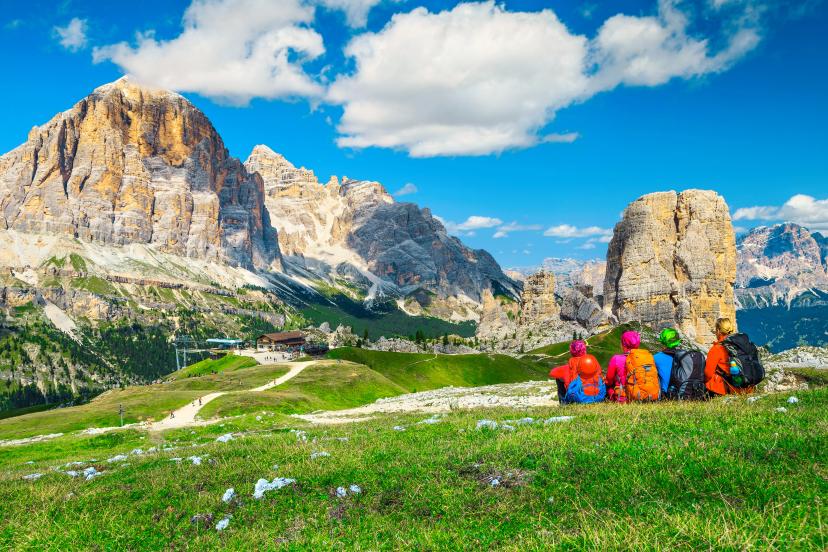
Once you've sorted transport, the real adventure begins. Whether you're planning multi-day hut-to-hut treks, exploring day hikes around dramatic peaks, or tackling via ferrata routes, the Dolomites deliver unforgettable mountain experiences.
Our tours take care of all the logistics—from rifugio bookings to route planning to transport coordination.
Is Alta Via where you need to get? We have a special logistics guide for getting to the Alta Via too!
Your Journey to the Mountains Starts Here
Getting to the Dolomites is straightforward once you know your options. Venice offers the most flights and versatility, Innsbruck is closest to the northern valleys, and Verona works well for budget-conscious travelers. Combine your flight with Italy's excellent train and bus network, and you'll be standing beneath those iconic limestone peaks within hours of landing.
The journey to the mountains is just the beginning. Start planning your Dolomites adventure today.

About this author
Anja is our lead travel advisor and a lifelong hiker who has planned countless adventures across Europe. She prefers sunsets to sunrises — unless coffee is involved — and, ever since her first rock-climbing course, joins friends on climbing trips whenever she can.