Where to Stay in the Dolomites Without a Car and How to Get Around for Hiking

A practical guide to hiking the Dolomites without a car, covering the best base towns, key bus networks, transport tips, and how to plan seamless point-to-point routes.

December 11, 2025

6 min read

Hero Image

You don't need a car to explore the Dolomites. In fact, many experienced hikers find that going car-free is easier and more flexible than driving—you can take one-way hikes without needing to return to a parked car, and the region's excellent public transport network connects all major valleys and trailheads during hiking season.

The key is choosing the right base town with good bus connections and staying at accommodations near transport hubs and trailheads. This guide covers the best locations to base yourself, how to get around without a car, and what to expect from car-free Dolomites hiking.
Getting Around the Dolomites Without a Car

Why Car-free Works:

The Dolomites have an extensive and reliable public transport network. Regional bus companies operate frequent services connecting all major valleys, villages, and trailheads during the hiking season (June through September). Buses are comfortable, affordable, and often more convenient than driving—especially for point-to-point hikes where you'd otherwise need to arrange car shuttles or retrace your steps.

Key Transport Options:

  1. SAD Südtirol serve the northern Dolomites, including Val Gardena, Val di Funes, Alpe di Siusi (Seiser Alm), and connections throughout South Tyrol. This network is extensive and well-coordinated with cable cars and lifts.

  2. Dolomiti Bus covers the eastern valleys, including Cortina d'Ampezzo, Belluno, the Cadore region, and connections to popular trailheads like Tre Cime di Lavaredo and Lago di Braies.

  3. Trains connect gateway towns like Bolzano, Bressanone (Brixen), and Belluno to the broader Italian and Austrian rail networks, then link seamlessly to regional bus services heading into the mountains.

  4. Summer shuttle buses operate special routes to popular hiking destinations during peak season, running more frequently than regular year-round services.
Planning Tips for Car-Free Travel:

Download bus schedules and routes before your trip—most regional transport companies publish timetables online as PDFs. Buses run most frequently during peak season (July-August), with reduced schedules in June and September. Most buses accept cash euros or regional transport cards that you can purchase at larger stations or online.

Be aware that schedules typically reduce after mid-September when rifugios close and tourist season winds down. Always check current timetables rather than assuming year-round service.

For complete transport details including which airports to fly into, train connections, and step-by-step directions to reach the Dolomites, see our logistics guide.

Best Base Towns for Car-Free Hiking

Choosing the right base town makes all the difference for car-free hiking. These locations offer excellent bus connections, proximity to major trailheads, and full services (accommodations, restaurants, gear shops, ATMs) between hiking days:

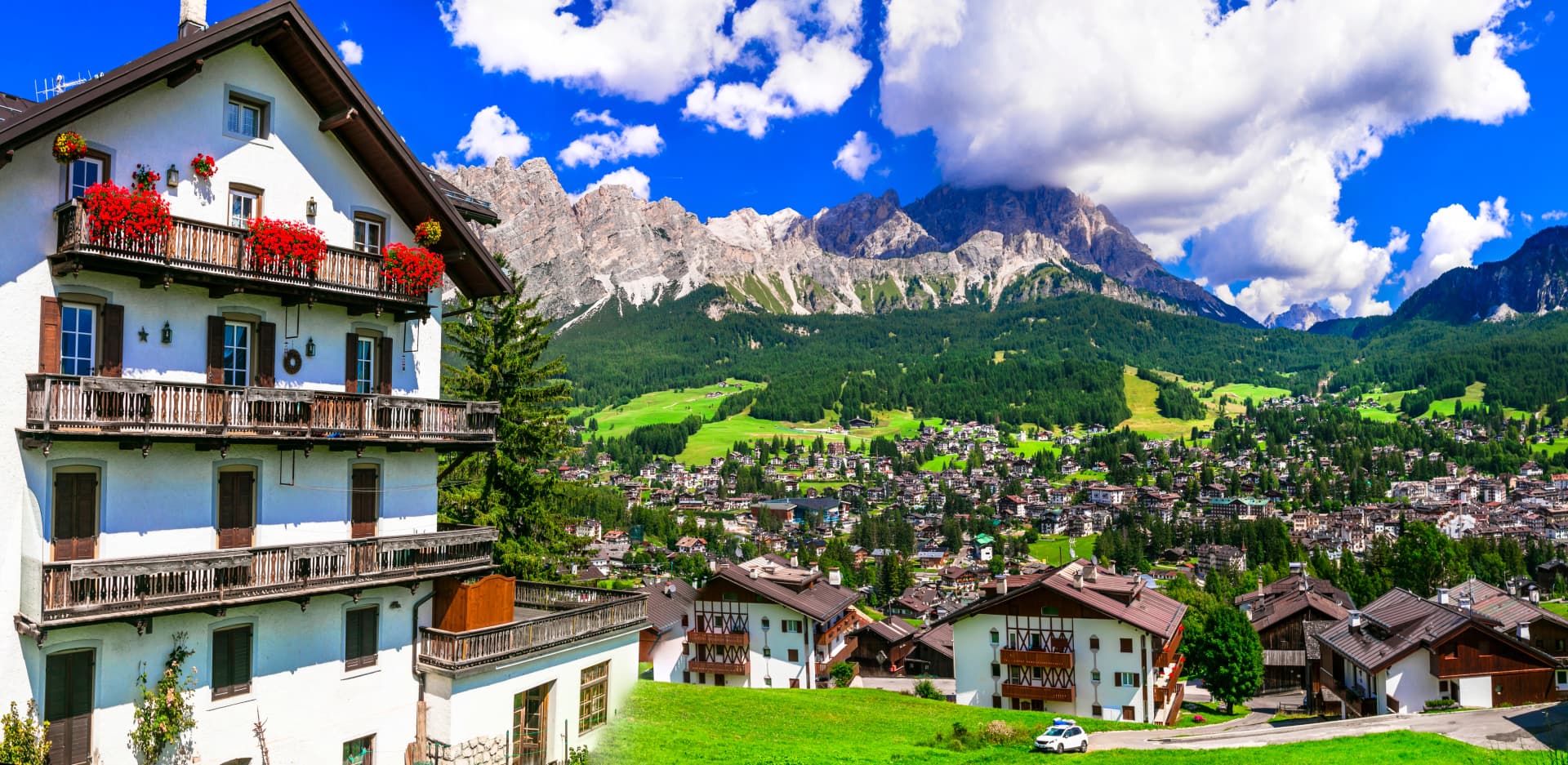
Cortina d’Ampezzo image 1

Cortina d’Ampezzo

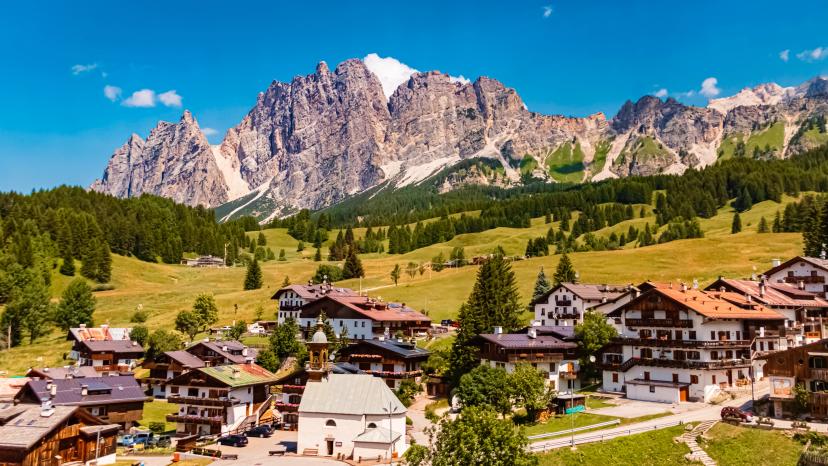
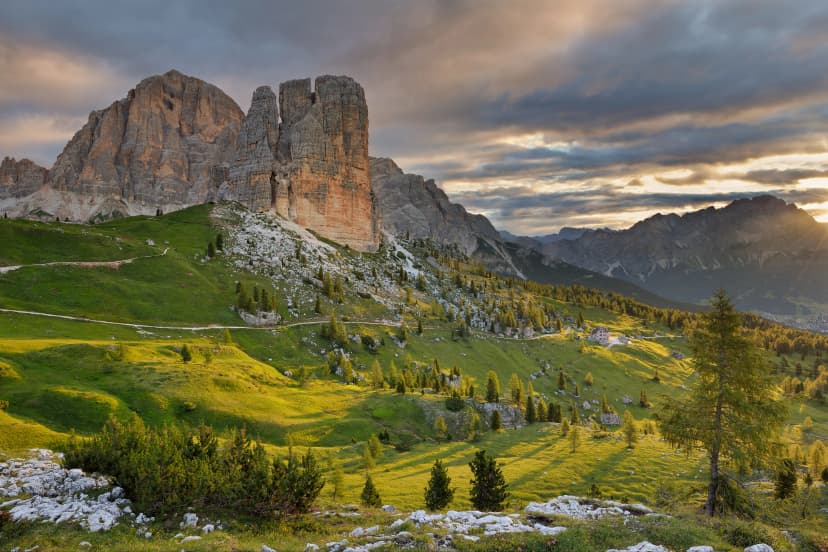
Set at 1,224 meters in a broad alpine basin, Cortina d’Ampezzo is surrounded by the Tofane, Cristallo, and Sorapiss massifs, giving the town a clear visual identity. Its compact center provides immediate access to high-altitude trailheads and panoramic balcony routes. Cortina’s long-standing role as a mountain resort is reflected in its infrastructure and event history. The town gained international recognition after hosting the 1956 Winter Olympics, shaping its modern development.

The glamorous eastern Dolomites hub with buses to Alta Via 1 trailheads, Tre Cime di Lavaredo, Lago di Braies, and valleys throughout the Ampezzo region. Well-connected to Venice and other gateway cities.

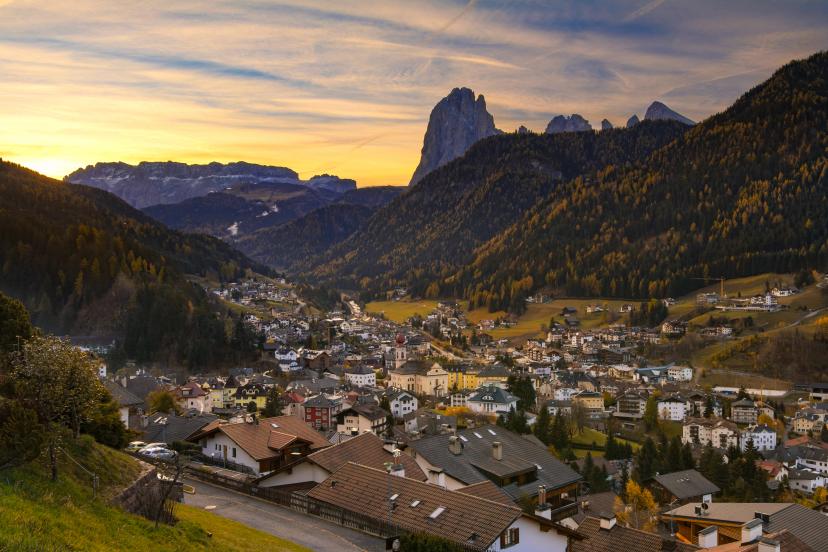
Ortisei image 1

Ortisei

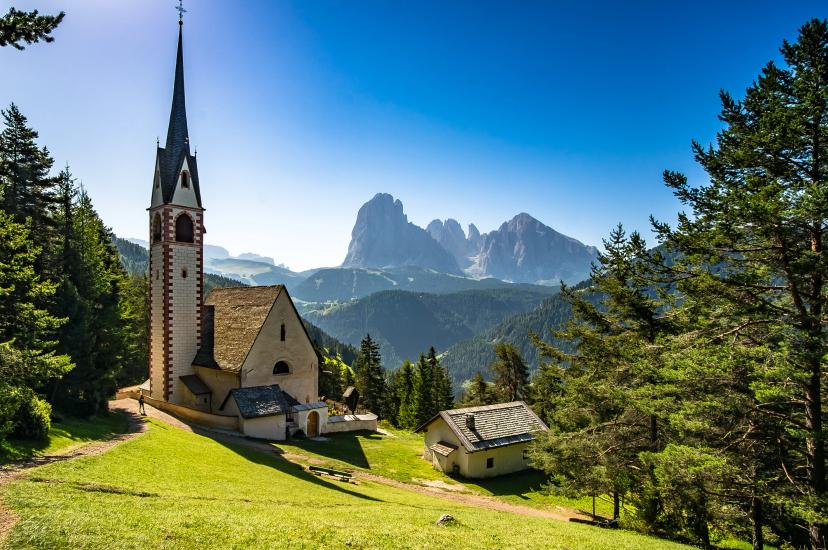
Ortisei, at 1,236 meters, anchors the western entrance to Val Gardena and provides direct lift access to the Seceda ridges and Alpe di Siusi. The town’s layout offers quick transitions from shops and accommodations to high-altitude trail networks. Its position makes it a common start and end point for Dolomite traverses that link Gardena with the Seiser Alm and Odle groups. Carving and woodcraft traditions have shaped Ortisei’s identity for centuries.

Centrally located with cable cars directly to Alpe di Siusi plateau and frequent buses throughout the Sella Group region. Excellent base for exploring multiple valleys without moving accommodations.

Bolzano image 1

Bolzano

Bolzano lies at the meeting point of the Adige and Isarco rivers, operating as the region’s main transport hub for Dolomite-bound travel. Rail, cable car, and bus links keep transitions between valleys straightforward. Historically a medieval trading crossroads, the city blends Italian and Tyrolean influences in its markets and architecture. Its lower elevation and amenities make it a comfortable staging area before entering higher terrain.

The major transport hub of the region, with trains and extensive bus connections to all valleys. Not in the mountains itself, but perfect for day trips to multiple areas and exploring different valleys each day.

Kastelruth Village image 1

Kastelruth Village

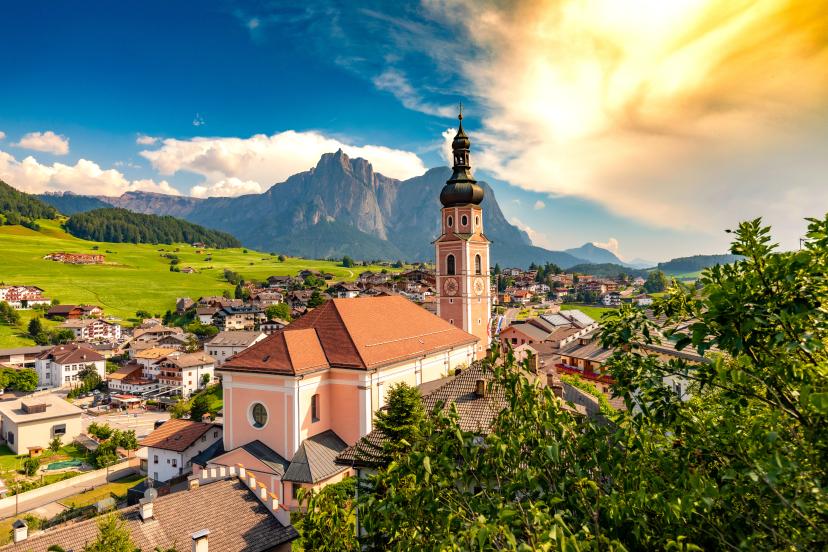
Kastelruth sits at the foot of the Sciliar massif, forming one of the main access points to the Seiser Alm. Its compact historic center and modest elevation around 1,060 meters make it a practical base before ascending to the plateau. Cable-car links and bus routes provide efficient connections to the higher meadows. The village’s long history as a market settlement shaped its role as the traditional gateway to the region.

Direct bus access to Seiser Alm plateau, quieter and more traditional than Ortisei while maintaining excellent transport connections. Great for hikers seeking a peaceful village base.

Belluno image 1

Belluno

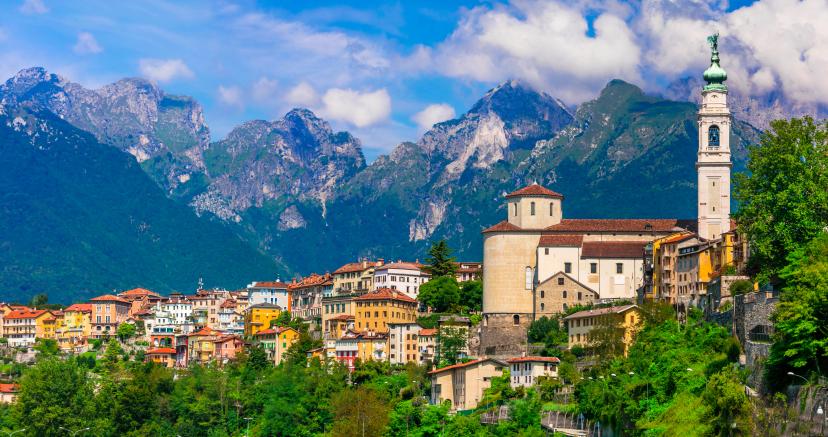
Belluno stands on a terrace above the Piave River, marking the southern entrance to the Dolomiti Bellunesi National Park. Its compact center offers quick movement to foothill trailheads and efficient rail connections toward Venice. Formerly part of the Venetian Republic, the town retains distinct architectural elements tied to that period. Its location suits travelers finishing long-distance routes and transitioning back to urban transport networks.

Southern gateway town and Alta Via 1 endpoint with excellent train connections to Venice, Padua, and other cities. Ideal for ending multi-day treks or exploring southern Dolomite valleys.

Bressanone/Brixen image 1

Bressanone/Brixen

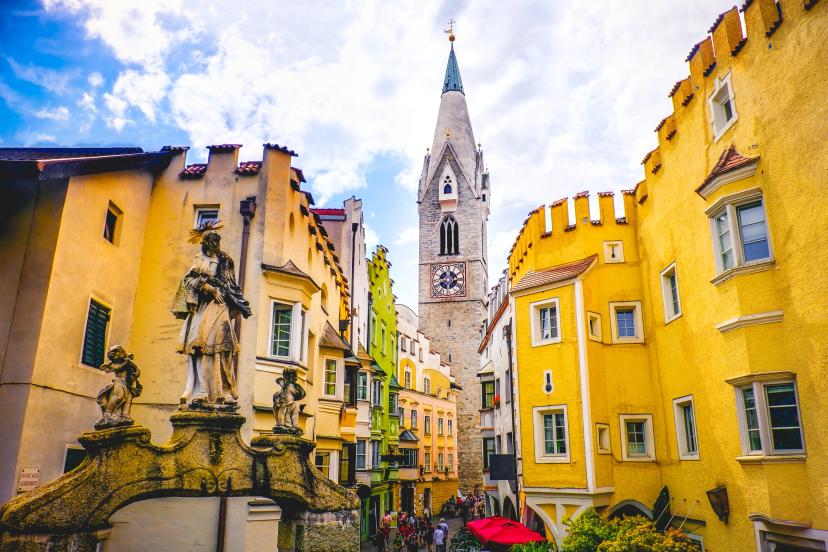
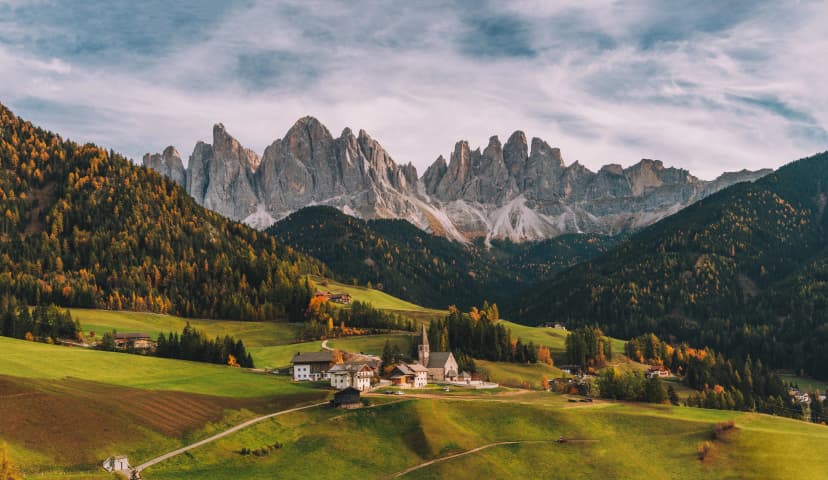
Bressanone sits where the Isarco and Rienza valleys converge, making it ideal for accessing Val di Funes and the Puez–Odle region. The walkable old town and nearby train station streamline movement across the northern Dolomites. A historic bishopric for nearly a millennium, Brixen preserves a strong architectural identity around its cathedral square. Its central position supports flexible routing across multiple valleys without long detours.

Northern hub with trains to/from Innsbruck and Italy, plus buses to Val di Funes, Puez-Odle Nature Park, and surrounding areas. Historic town with medieval charm.

These towns offer accommodations ranging from budget guesthouses to upscale hotels, plus restaurants, outdoor gear shops, supermarkets, and ATMs—everything you need between hiking days or before starting a multi-day trek.
Top 10 Hotels & Inns for Dolomites Hiking

Here are the best accommodations for car-free hikers—all located in towns with excellent bus connections and close proximity to major trailheads:

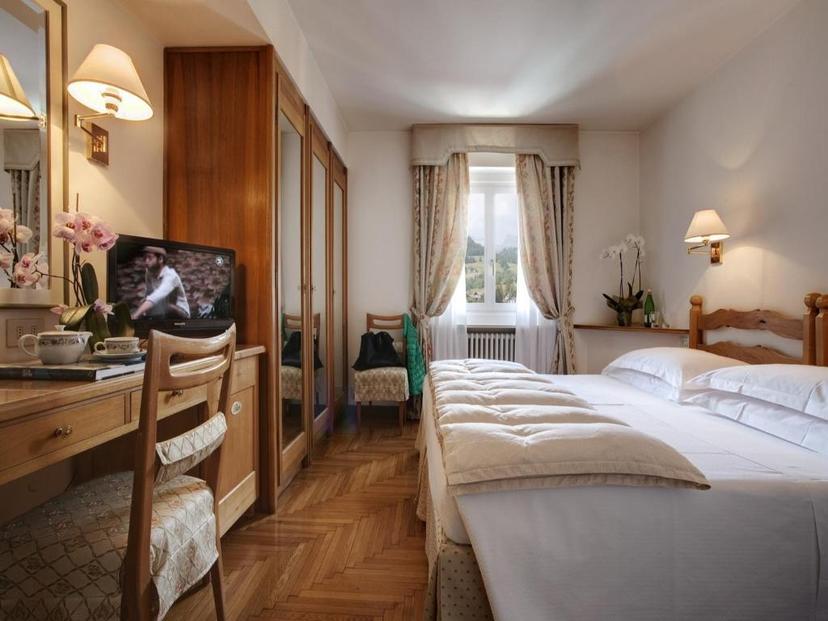
Hotel de la Poste – Cortina d’Ampezzo image 1
Hotel de la Poste – Cortina d’Ampezzo image 2

Hotel de la Poste – Cortina d’Ampezzo

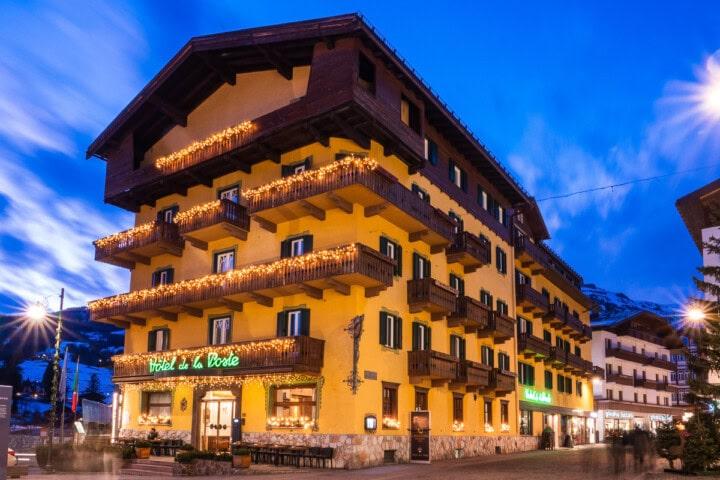
Located steps from the Faloria cable car, Hotel de la Poste offers quick access to Cortina’s eastern trail network and reliable bus links to Tre Cime, Cinque Torri, and Croda da Lago. Its central position keeps transfers efficient for both ridge routes and classic valley approaches. The comfortable in-town setting makes it a practical base for itineraries that rely on public transport. Inside, the hotel delivers a classic Cortina atmosphere with warm lounges and a refined alpine feel.

Stars:
Hotel Angelo Engel – Ortisei image 1
Hotel Angelo Engel – Ortisei image 2

Hotel Angelo Engel – Ortisei

Hotel Angelo Engel provides immediate access to the Seceda and Alpe di Siusi lifts, placing guests at the heart of Val Gardena’s ridge and meadow systems. The location supports fast transitions from town to high-altitude hiking without long approach times. Its blend of convenience and traditional South Tyrolean character suits travelers planning varied day routes across the valley. The property is known for its welcoming service, spa amenities, and calm post-hike environment.

Stars:
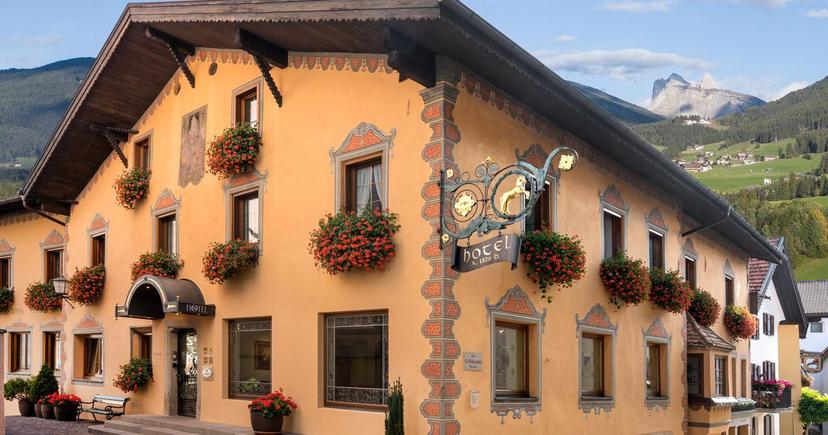
Hotel Cavallino d’Oro – Castelrotto image 1
Hotel Cavallino d’Oro – Castelrotto image 2
Hotel Cavallino d’Oro – Castelrotto image 3

Hotel Cavallino d’Oro – Castelrotto

Situated in the center of Castelrotto, Hotel Cavallino d’Oro connects quickly to Alpe di Siusi via shuttle and lift, offering streamlined access to plateau trails. The village setting provides a quieter alternative to Ortisei while preserving easy entry to high meadows and panoramic circuits. Its strategic placement works well for early-start hikers aiming for less crowded morning paths on the Alm. The historic building creates a cozy and intimate stay, with classic Tyrolean details throughout.

Stars:
Parkhotel Laurin – Bolzano image 1
Parkhotel Laurin – Bolzano image 2

Parkhotel Laurin – Bolzano

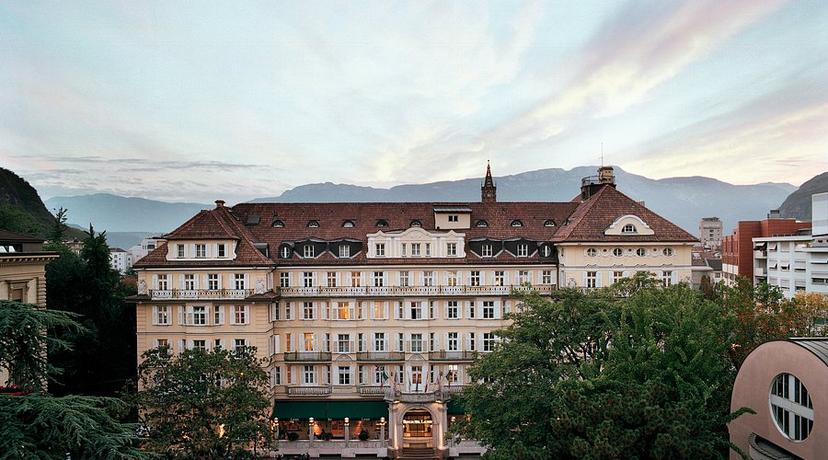
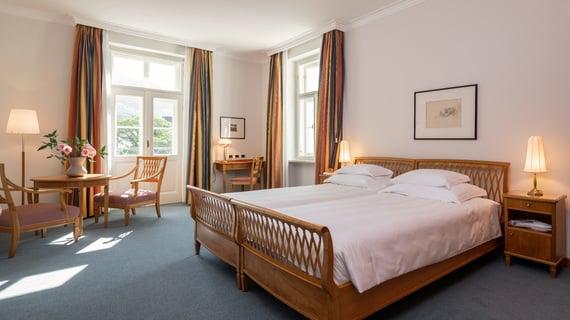
Parkhotel Laurin sits a 5-minute walk from Bolzano’s cable car to Ritten and near bus routes leading into Val Gardena and Val di Fassa. This central positioning makes it a strong multi-valley base for travelers combining several Dolomite regions in one trip. Its proximity to rail, lifts, and urban services keeps logistics simple between hiking stages. The hotel itself offers a refined, art-nouveau atmosphere with generous common spaces ideal for unwinding after travel.

Stars:
Hotel Astor – Belluno image 1
Hotel Astor – Belluno image 2

Hotel Astor – Belluno

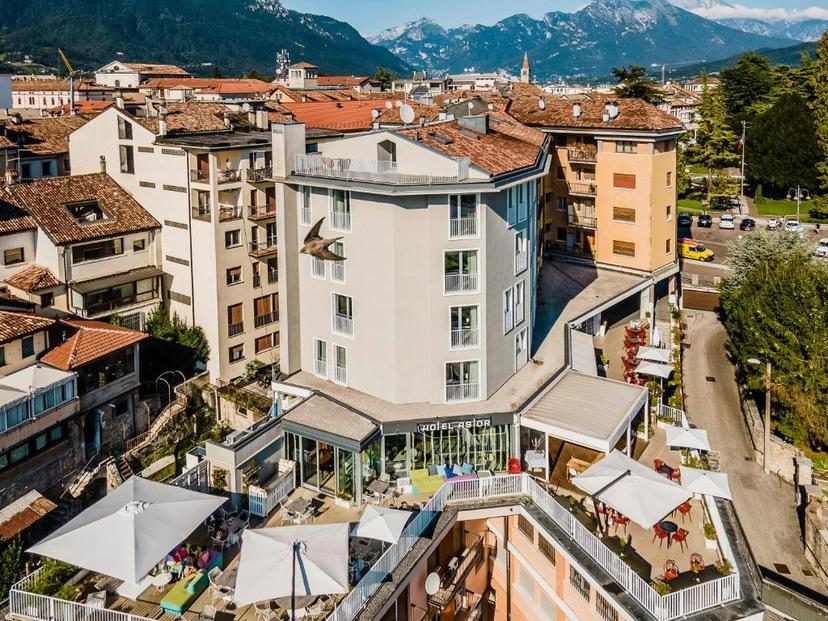
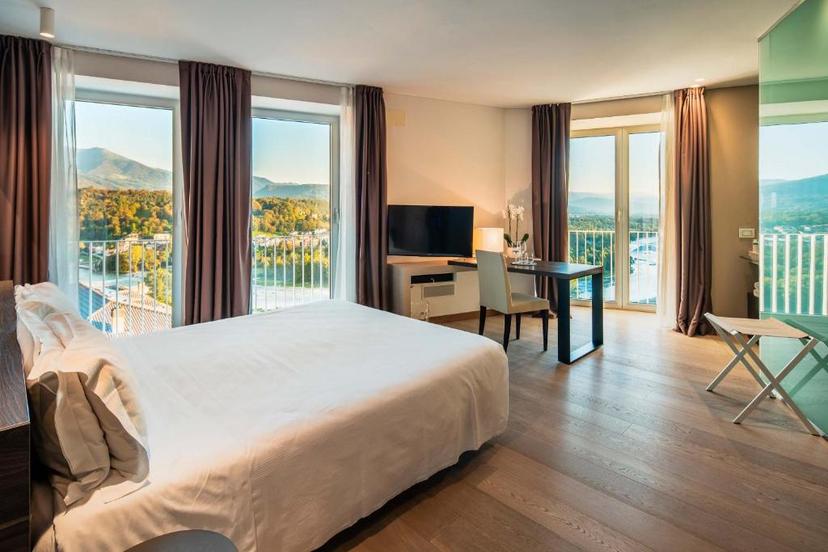
Hotel Astor serves as an accessible base for the Dolomiti Bellunesi National Park, with straightforward routes to Schiara, Val del Mis, and nearby foothill trailheads. Its in-town location simplifies transfers from the Alta Via 1 southern endpoint and onward travel toward Venice. The property works well for hikers transitioning from remote terrain to easier urban logistics. Rooms and shared spaces are practical and relaxed, designed for travelers seeking comfort without excess formality.

Stars:
Hotel Grifone – Arabba image 1
Hotel Grifone – Arabba image 2

Hotel Grifone – Arabba

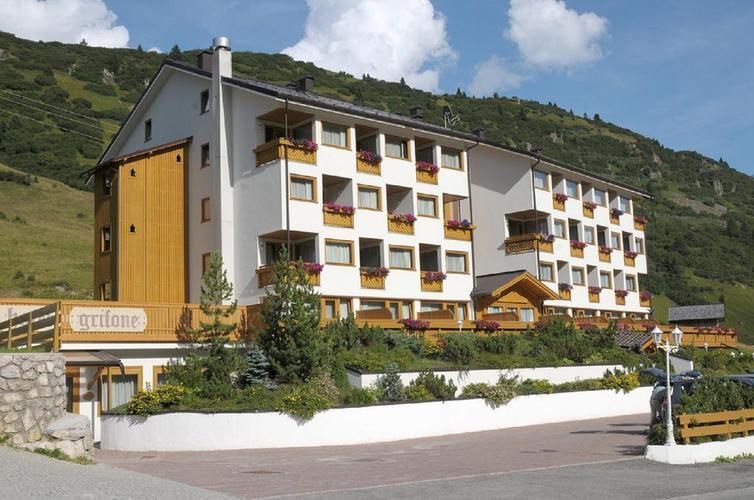
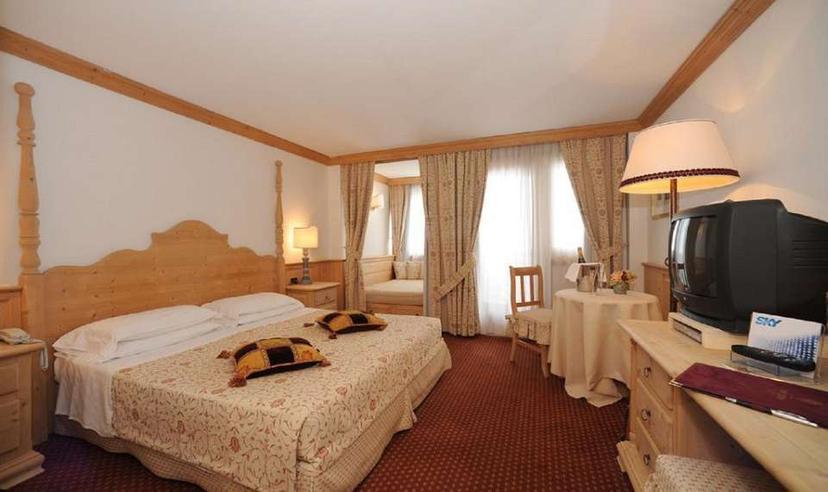
Hotel Grifone sits at the heart of Arabba, providing direct access to trails around Passo Pordoi, Porta Vescovo, and the Sella Massif, all central segments of the Sella Ronda. Its position makes route planning straightforward for both ridge traverses and high-pass circuits. The immediate lift and trail connectivity is ideal for hikers wanting minimal transition time between lodging and terrain. Inside, the hotel offers a warm, classic alpine atmosphere that pairs well with Arabba’s compact mountain setting.

Stars:
Hotel Tyrol – Selva Val Gardena image 1
Hotel Tyrol – Selva Val Gardena image 2

Hotel Tyrol – Selva Val Gardena

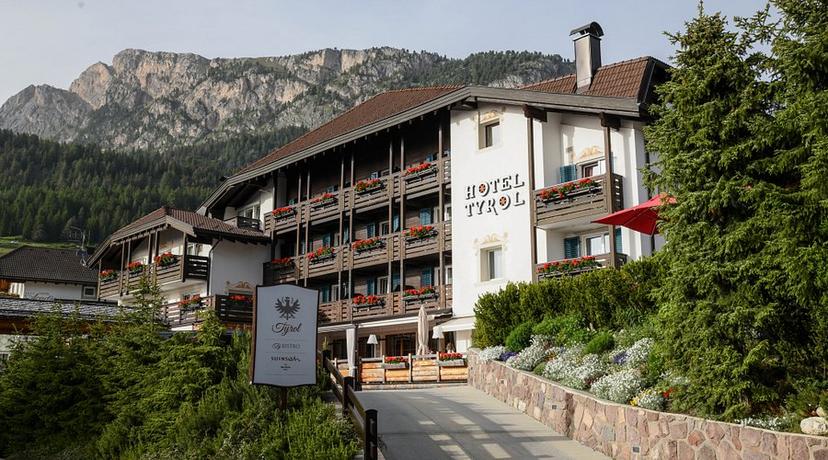
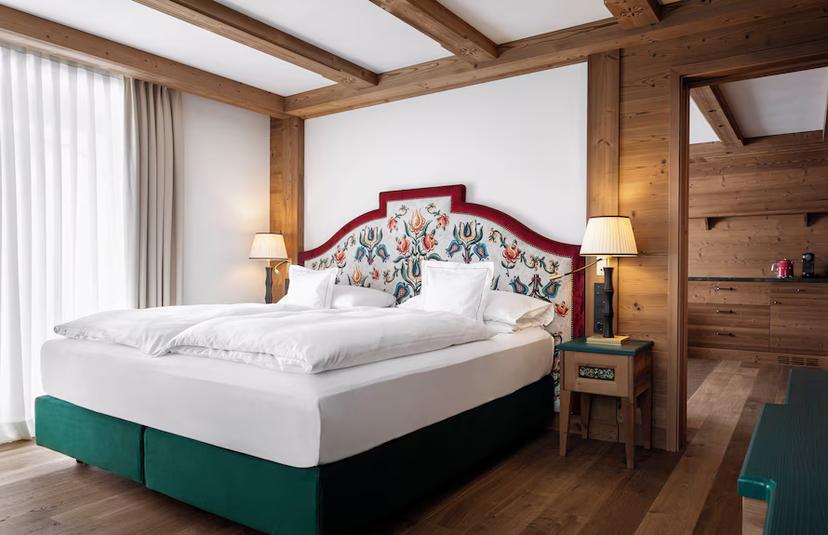
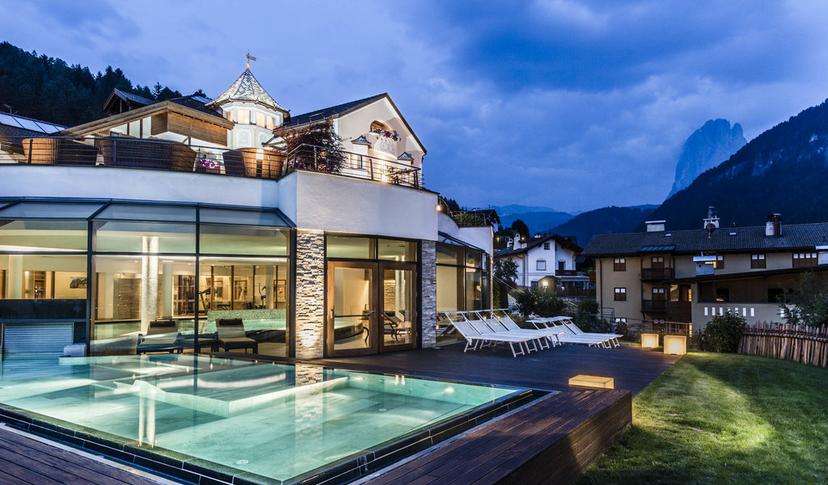
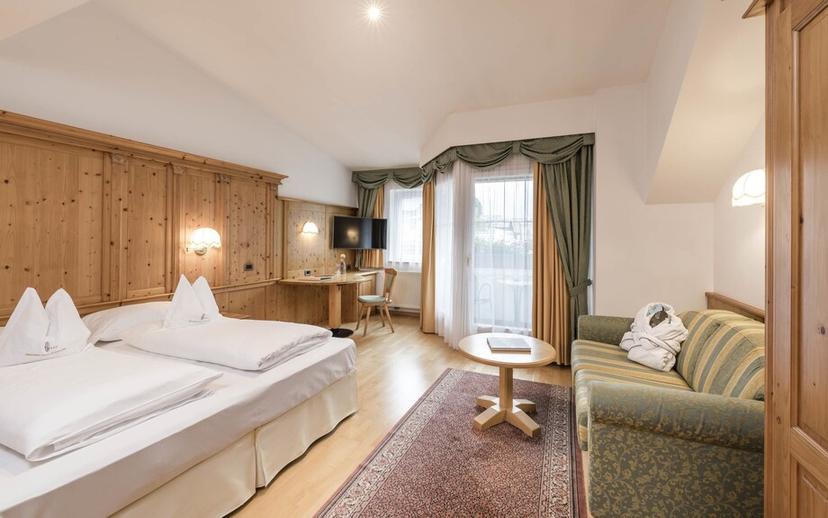
Located near the Dantercepies and Ciampinoi lifts, Hotel Tyrol enables fast access to Puez–Odle balcony routes and Sella Group traverses. The central Selva location keeps transport simple and places guests close to major trailheads on both sides of the valley. Its layout suits hikers planning multi-directional day routes without long morning transfers. The property combines traditional Ladin design with a polished, comfortable stay ideal for post-hike recovery.

Stars:
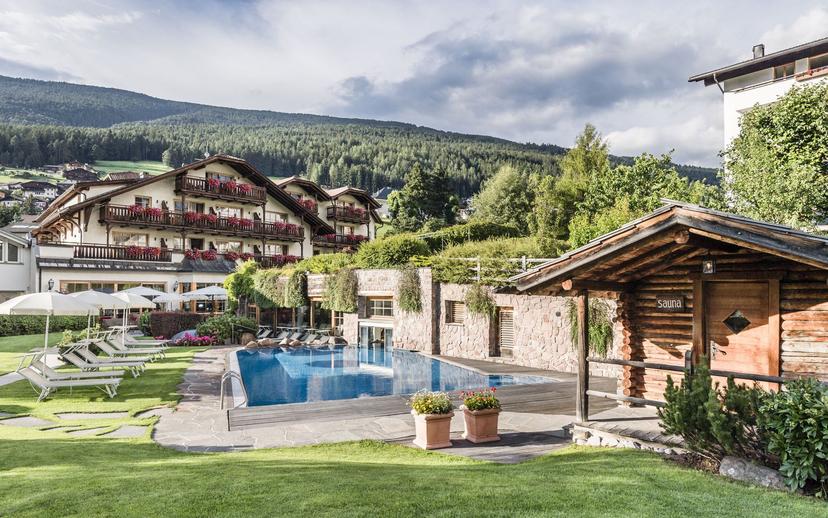
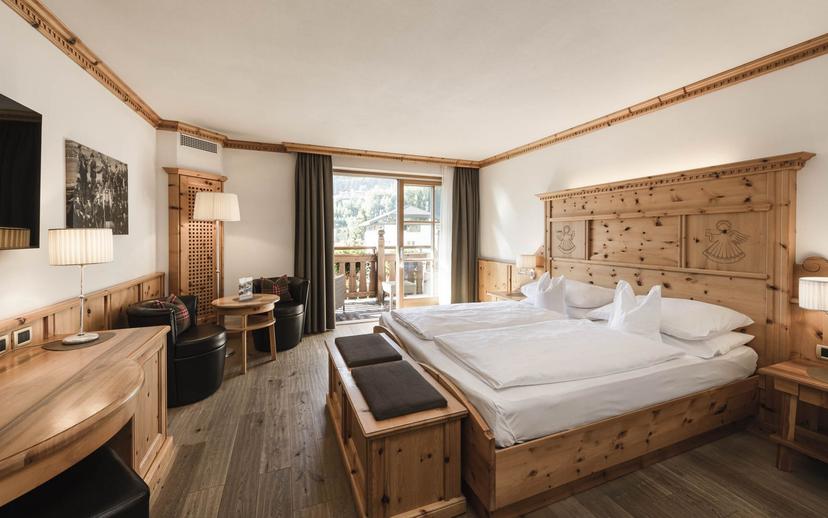
Hotel Alpenheim Charming Hotel & Spa – Ortisei image 1
Hotel Alpenheim Charming Hotel & Spa – Ortisei image 2

Hotel Alpenheim Charming Hotel & Spa – Ortisei

Positioned between the Alpe di Siusi and Seceda lift systems, this hotel allows seamless transitions between meadow circuits, ridge routes, and Val Gardena’s high-altitude networks. The location supports flexible planning for itineraries that shift between panoramic ridge days and easier plateau paths. Lift access from Ortisei keeps the logistics smooth even during busy seasons. The hotel’s spa and quiet hillside setting offer a calm, restorative atmosphere at the end of long hiking days.

Stars:
Hotel Arima – San Martino di Castrozza image 1

Hotel Arima – San Martino di Castrozza

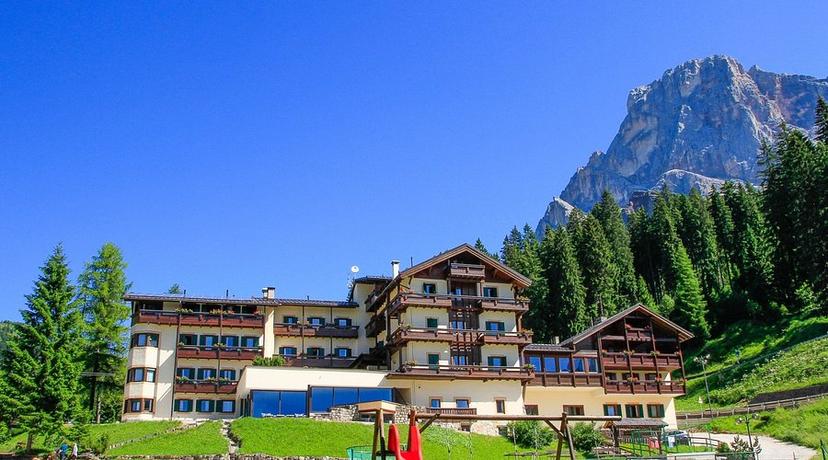
Hotel Arima is located near the Colverde–Rosetta cable car, offering direct entry into the Pale di San Martino plateau and its network of high routes. Its proximity to the lift simplifies access to the dramatic towers and terraces that define this part of the Dolomites. The quieter western-side setting allows for less-crowded approaches compared with central hubs. The hotel’s friendly, low-key atmosphere suits travelers who prefer a relaxed base close to major alpine terrain.

Stars:
Alpenhotel Ratsberg – Dobbiaco image 1
Alpenhotel Ratsberg – Dobbiaco image 2

Alpenhotel Ratsberg – Dobbiaco

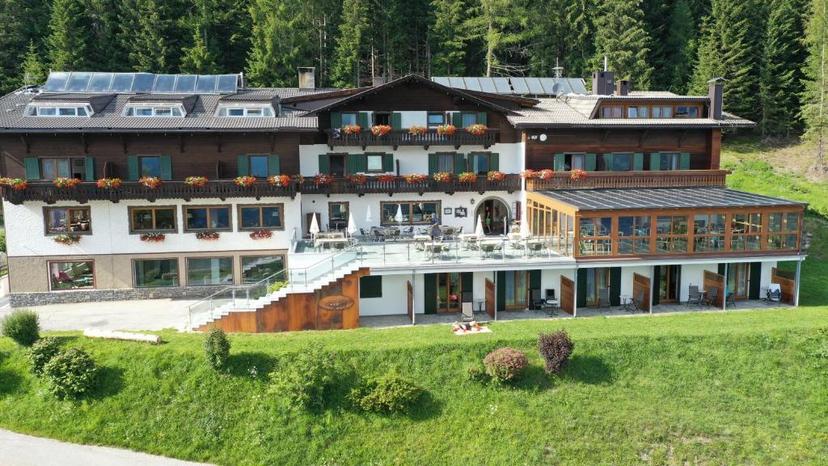
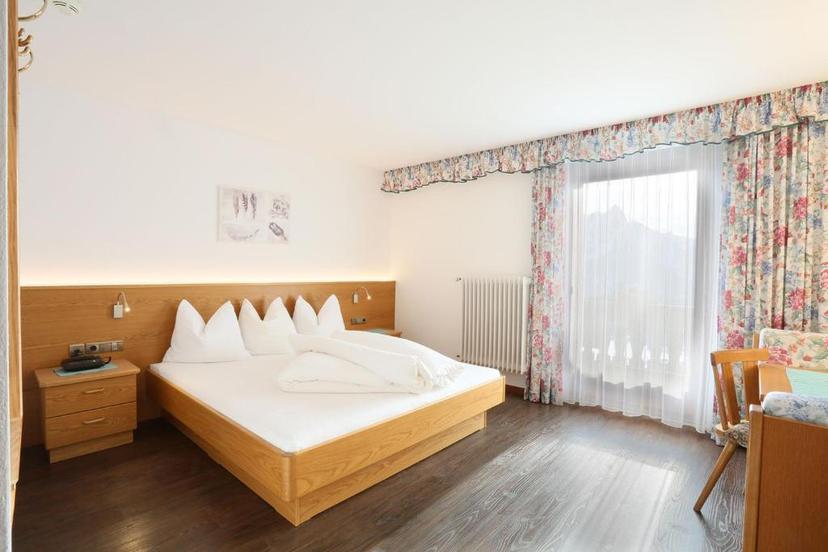
Alpenhotel Ratsberg stands above the valley at high elevation, offering immediate access to the Tre Cime/Drei Zinnen regional trail network. Its elevated perch provides wide views toward the Dolomiti di Sesto and surrounding basins, keeping trails close and approach distances short. Bus links below in Dobbiaco support onward travel across Alta Pusteria. The inn’s remote vantage and quiet surroundings create a distinctly peaceful mountain stay.

Stars:

Planning Multi-Day Hut-to-Hut Treks Without a Car

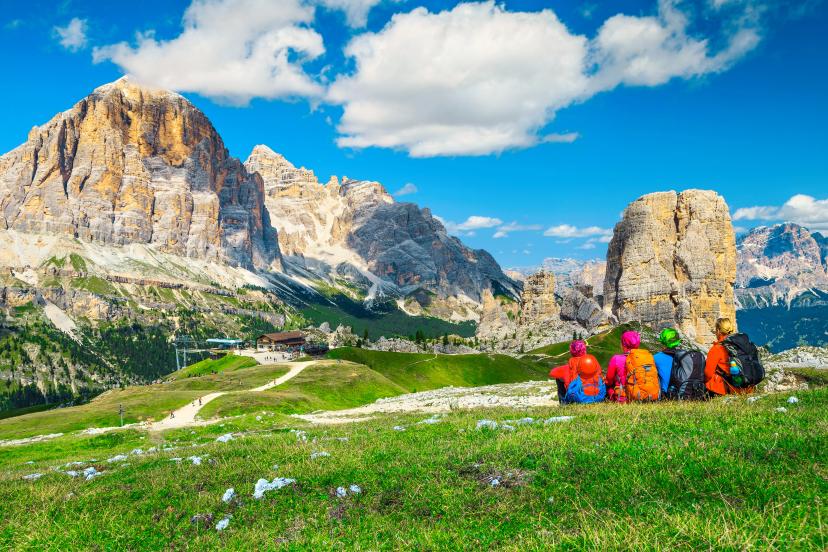
If you're planning Alta Via routes or multi-day rifugio-to-rifugio treks, you won't need hotels at all—you'll stay in mountain huts each night. And you still don't need a car to make it work.
How Car-Free Hut-to-Hut Hiking Works:

Take buses to your trek starting point. For example, the Cortina Express runs directly from Venice Airport or Cortina to Lago di Braies, the classic starting point for Alta Via 1. Other buses serve trailheads throughout the range.

Hike hut-to-hut for the duration of your trek. Rifugios provide accommodation (dormitory beds) and meals (dinner and breakfast), so you're carrying minimal gear—no tent, no sleeping bag, no stove or food supplies.

Take buses from your trek endpoint back to civilization or onward to your next destination. Most major endpoints have bus connections, or you can arrange transport as part of your planning.
The Advantage

Car-free rifugio trekking is actually easier than driving. You hike one-way routes—say, north to south along Alta Via 1—without ever needing to return to a parked car or arrange complicated shuttles. The mountains' point-to-point design works perfectly with public transport.

Resources for Planning Hut-to-Hut Treks:

  1. Mountain Huts (Rifugios) - What mountain huts look like and their locations

  2. Full rifugio guide - When and how to book, what to expect

Many hikers discover that removing the car from the equation simplifies everything—you walk, sleep in huts, and let buses handle the logistics. It's liberating.
Car-Free Hiking Works Perfectly in the Dolomites

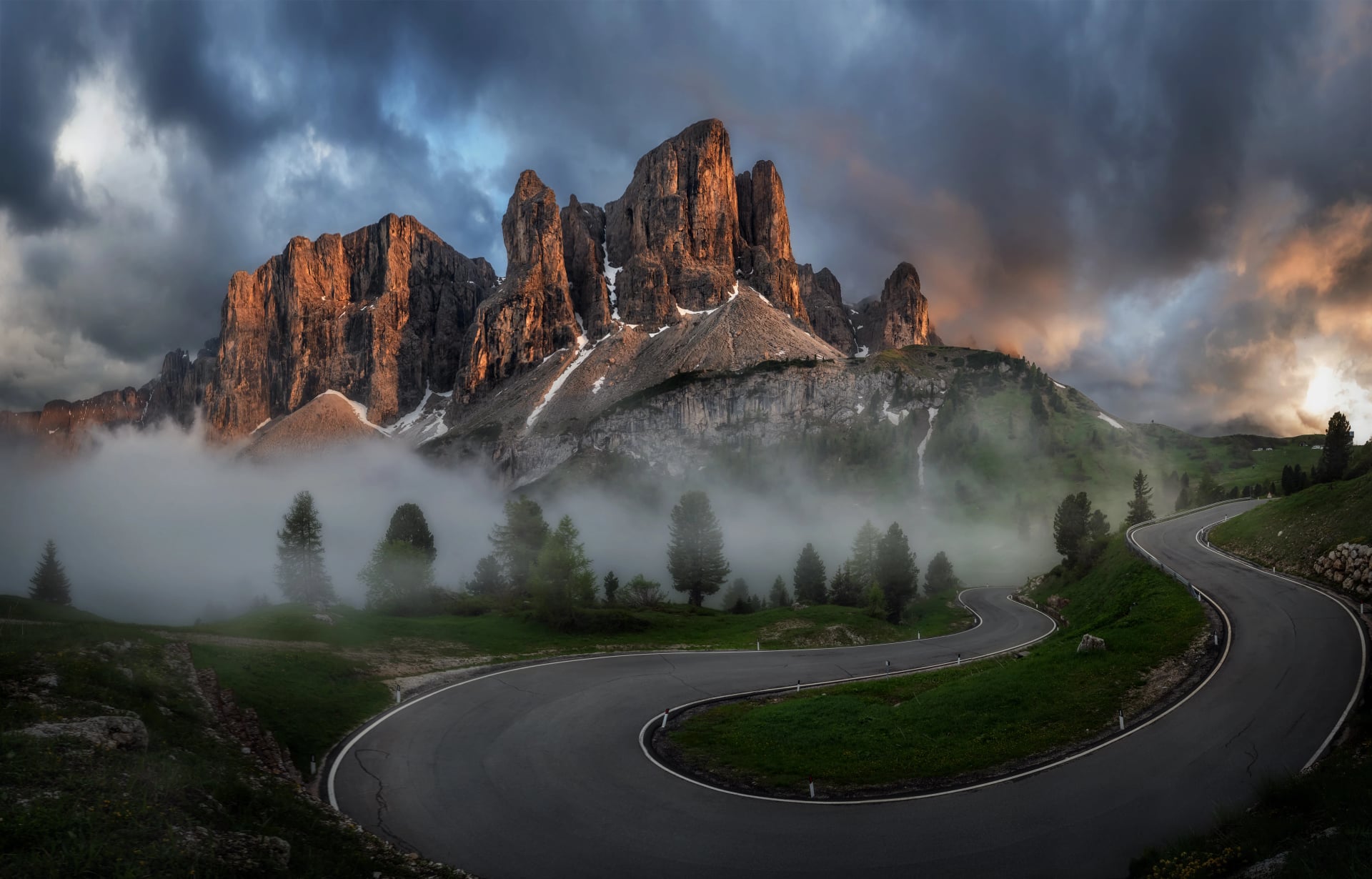
You absolutely don't need a car to explore the Dolomites. Strategic base towns with excellent bus connections make car-free hiking practical and often more convenient than driving—especially for point-to-point routes and multi-day treks. Stay in comfortable hotels or inns between day hikes, or go rifugio-to-rifugio on Alta Via routes using buses to reach trailheads and return from endpoints.

For complete planning help, book a consultation with our team or explore our tours where all transport logistics, rifugio bookings, and route planning are handled for you.

Best 3-Day Hikes in the Dolomites: Complete Routes & Itineraries

Discover the Dolomites’ best 3-day hikes with detailed routes, daily itineraries, difficulty insights, and essential tips for a seamless alpine adventure.
What to Pack for the Alta Via: The Complete Dolomites Gear Guide

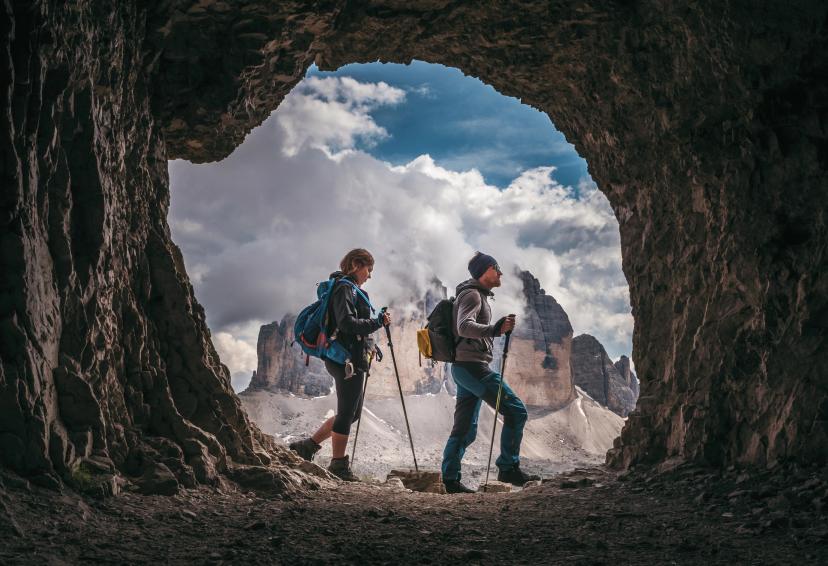
From footwear to weather layers, this Alta Via packing checklist explains exactly what to bring for a smooth, lightweight, and stress-free trek across the Dolomites.

Alta Via 1 Length Explained: Total Distance, Stage Times & Planning

From full-route timelines to shorter itineraries, here’s everything you need to know about Alta Via 1’s length, daily stages, and how to choose the right number of days.

Alta Via 1 Itineraries: Which Option to Choose (Full & Shorter Routes)

From the full 10-day traverse to focused 3-day highlights—find the Alta Via 1 itinerary that matches your time, fitness, and what you want to see.

Alta Via Access Guide: Easiest Ways to Reach the Alta Via Trails

Your complete logistics guide to the Alta Via: where to fly, how to reach the trailheads, and the most reliable transport options for getting into the Dolomites.

Dolomites Rifugio Guide: How Mountain Huts Work and What to Expect

Learn how rifugios support Dolomites hikers with meals, beds, and community, plus practical insights on booking, etiquette, and planning Alta Via overnights.

How to Get to the Dolomites: A Complete Logistics Guide

From flight choices to direct shuttles and regional trains, this guide breaks down the most efficient ways to enter the Dolomites and reach the key hiking hubs.

Which Alta Via is Best? Your Guide to Choosing the Perfect Trail

From beginner-friendly classics to expert-only expeditions—discover which Alta Via route matches your hiking style, fitness level, and mountain dreams.

18 min read

Read more
Dolomites in May: Weather, Trail Access & Early-Season Expectations

Understand how May transforms the Dolomites—variable weather, spring landscapes, limited rifugio access, and the best options for lower-elevation hiking.

How to Choose Where to Stay in the Dolomites: Hotels, Rifugios & Hiking Bases

From family-friendly hotel stays to rifugio treks, this guide explains where hikers should base themselves and how accommodation choices affect the journey.

Best Time to Visit the Dolomites: Your Complete Month-by-Month Guide

Discover when the Dolomites truly shine with a practical guide to conditions, trail openings, and seasonal advantages from early June through late September.