Dolomites in May: Weather, Trail Access & Early-Season Expectations
Understand how May transforms the Dolomites—variable weather, spring landscapes, limited rifugio access, and the best options for lower-elevation hiking.

Ajda
Published March 16, 2026
Edited March 20, 2026
8 min read
Quick links
Don't want to read all this?
We've planned 2,000+ hiking trips. Send your dates, fitness and group size — we'll map the route and book every night.



May in the Dolomites is beautiful but different from the summer hiking season most people imagine. High-altitude trails remain snow-covered, mountain rifugios are mostly closed, and weather is unpredictable. But that doesn't mean May is off-limits—it just requires different expectations.
If you're thinking about visiting the Dolomites in May, here's what you need to know: focus on lower-elevation valley hikes, expect spring conditions rather than summer weather, and plan for inn-to-inn hiking instead of high rifugio treks. For those willing to embrace early season, May offers peaceful trails, spring landscapes awakening, and virtually no crowds.
Temperature ranges: Valley floors (1,200-1,500m elevation) see daytime highs of 10-18°C (50-64°F), with nights dropping near or below freezing. Higher elevations remain significantly colder—anywhere above 2,000m still experiences winter conditions with frequent snow.
Weather patterns: May is genuinely unpredictable. You might get three sunny days followed by two days of rain and snow. Multi-day storm systems still roll through regularly, and weather windows are less reliable than June-September. Early May feels more like late winter; late May begins transitioning toward summer.
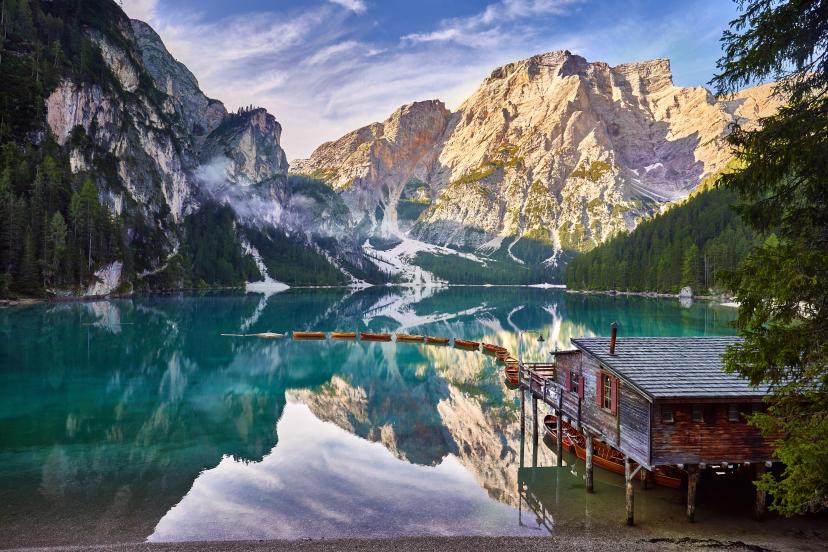
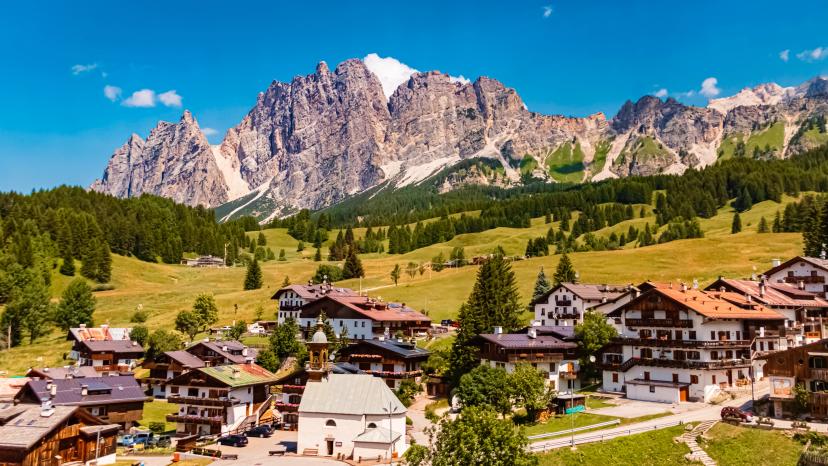
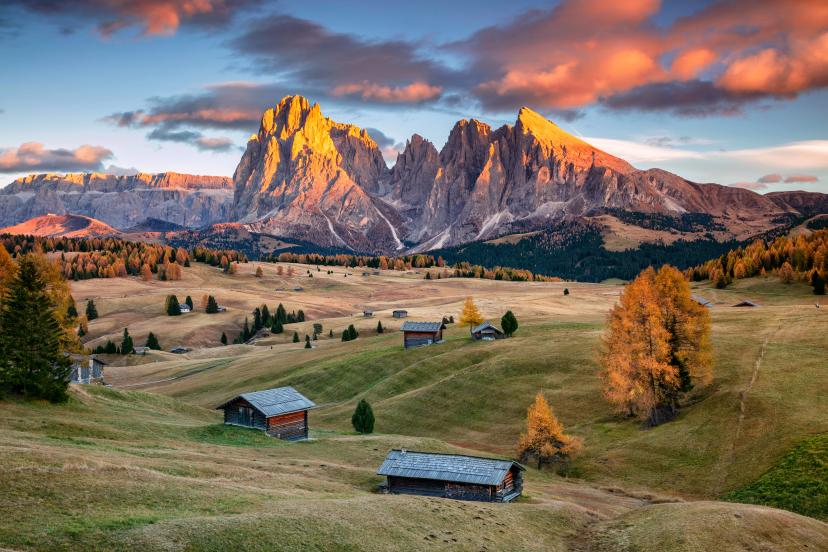
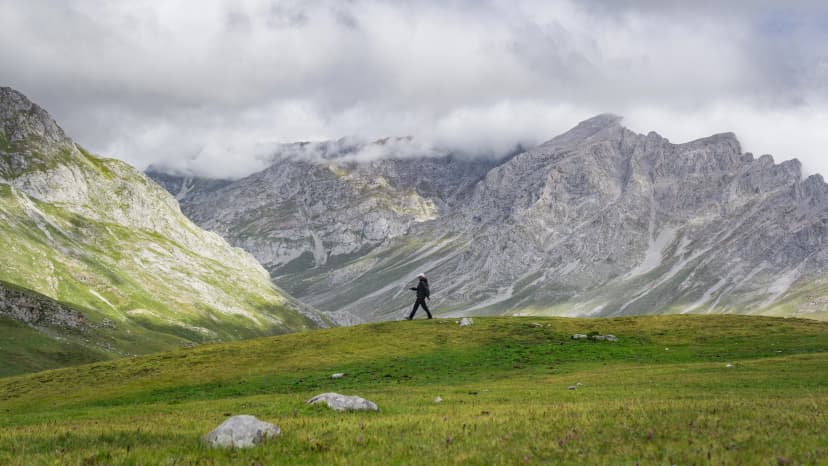
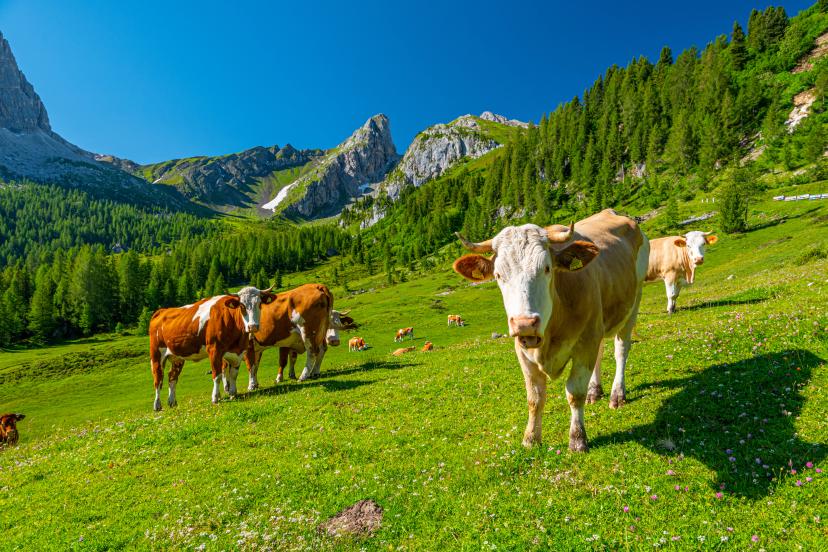
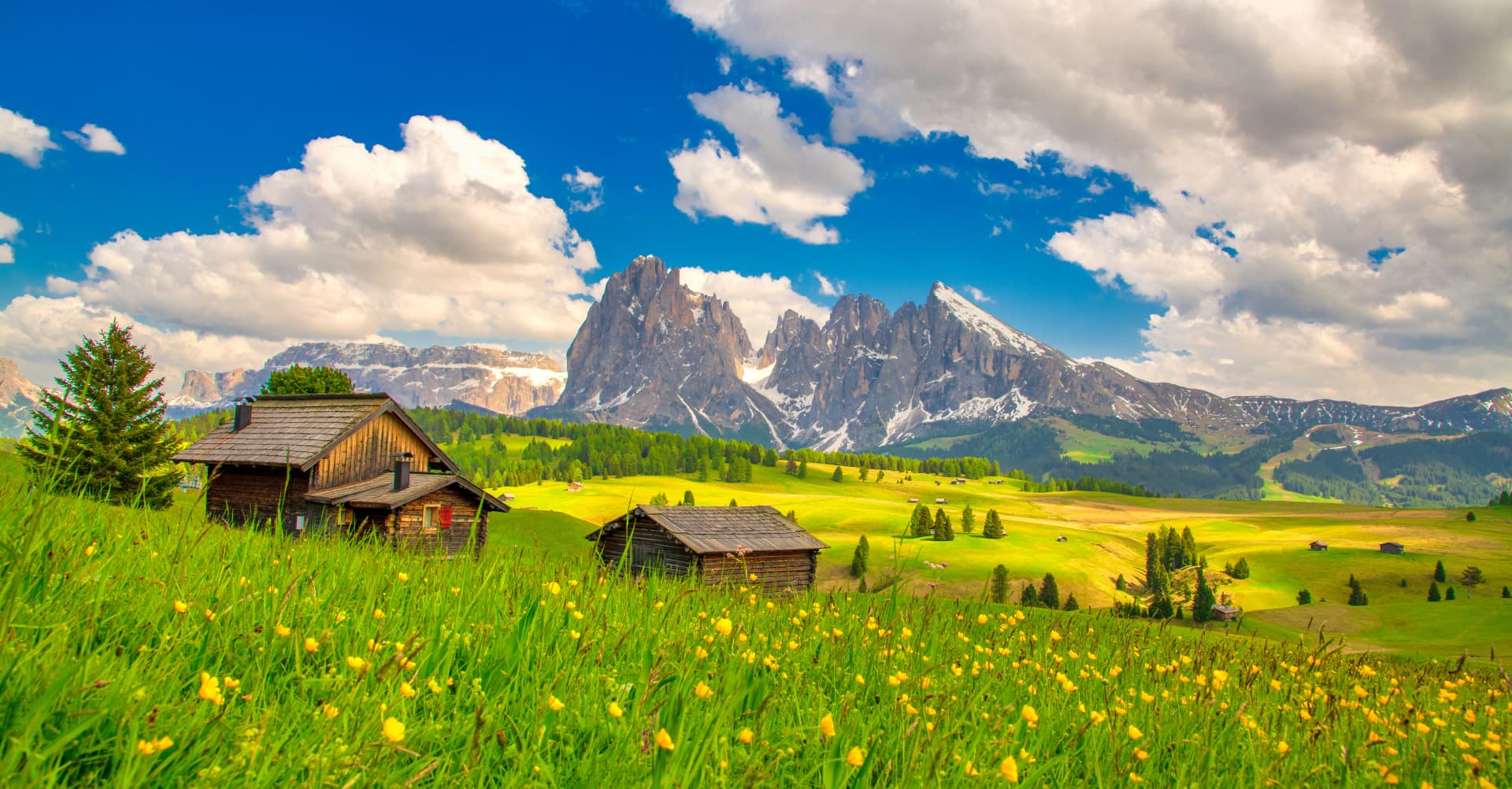
What you'll see: Spring awakening in the valleys—fresh green grass, early wildflowers emerging, and snowmelt feeding streams and waterfalls to their maximum flow. The landscape feels alive with water. Higher elevations remain white and wintry, creating striking contrasts when viewed from accessible valley trails.
Daylight hours: May offers 13-14 hours of daylight, shorter than peak summer (15+ hours in June-July) but still plenty for full hiking days.
The reality: May is a transition month—not quite winter, not quite summer. High-altitude Dolomites hiking as most people imagine it isn't really accessible yet, but lower-elevation routes offer beautiful spring hiking for those with the right expectations.
Trail Conditions & What's Open in May
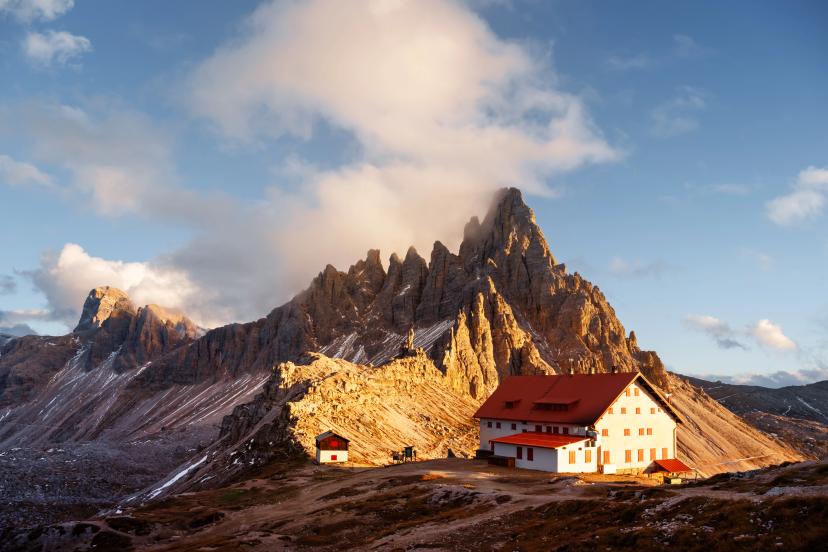
Rifugio status: Most mountain rifugios remain closed throughout May. A few valley-level huts might open in the final week of the month, but the vast majority don't open until early-to-mid June. This means traditional hut-to-hut trekking isn't possible.
However, valley-level accommodations—guesthouses, hotels, inns—are open and fully operational. For details on when specific rifugios open, see our complete rifugios guide.
Trail Accessibility Breakdown:
Accessible
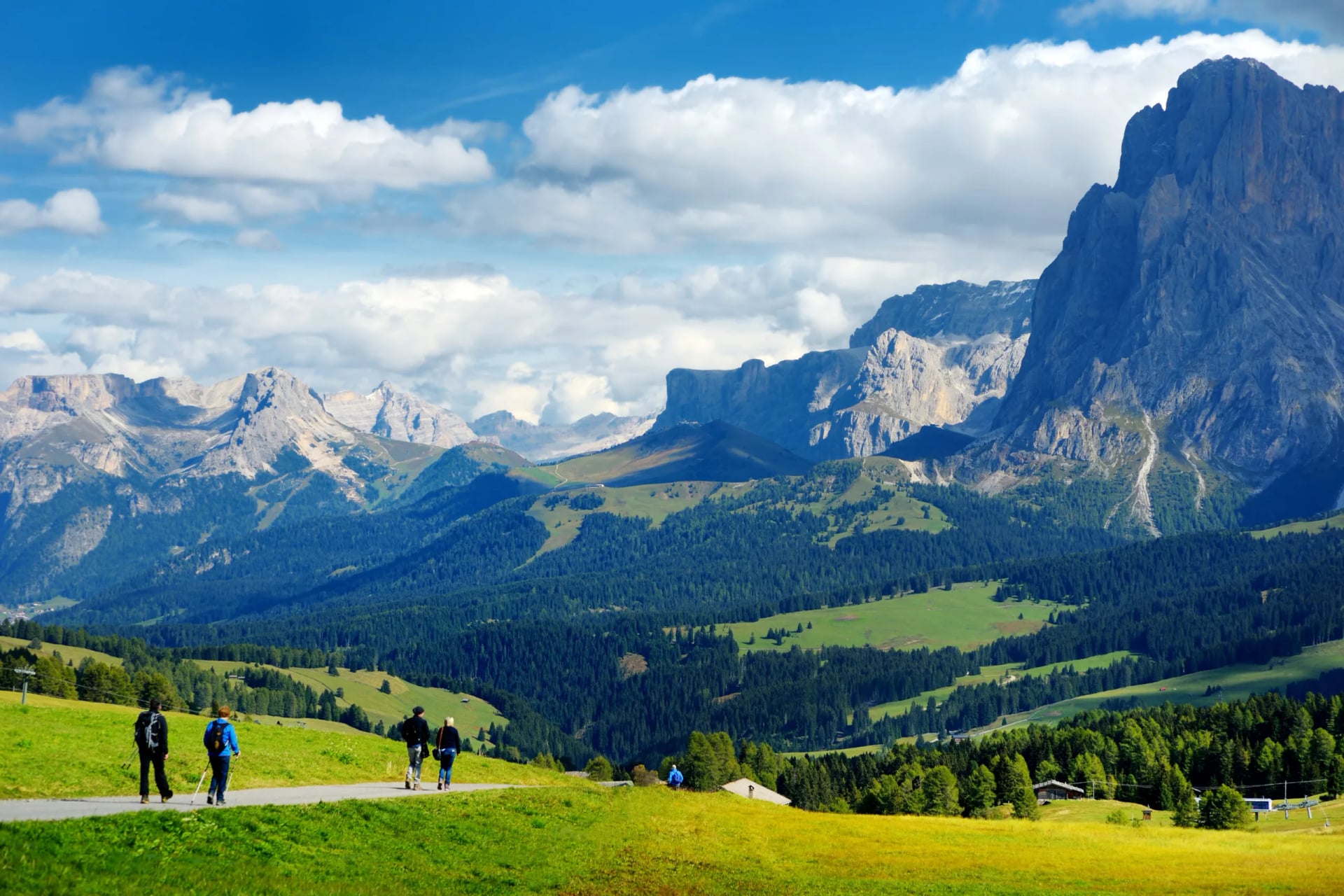
Lower valley trails between 1,200-1,800m elevation are usually snow-free by mid-to-late May. These include valley floor walks, forested trails, and routes around plateau areas like Alpe di Siusi (Seiser Alm).
Difficult or dangerous
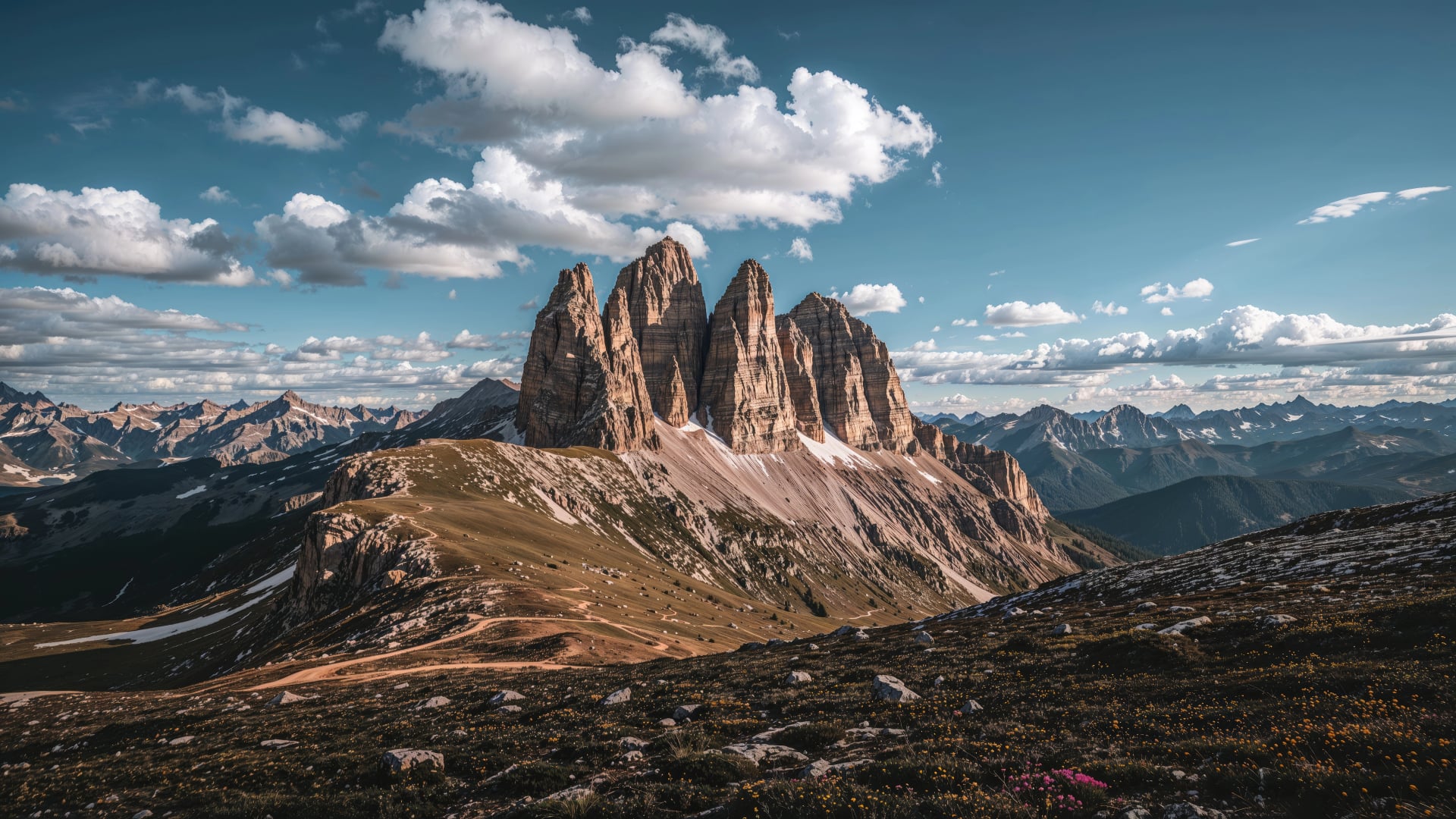
High passes, exposed ridges, and anything above 2,000m remain snow-covered and require winter mountaineering skills, equipment, and avalanche awareness. Don't attempt these without proper experience and gear.
Impassable
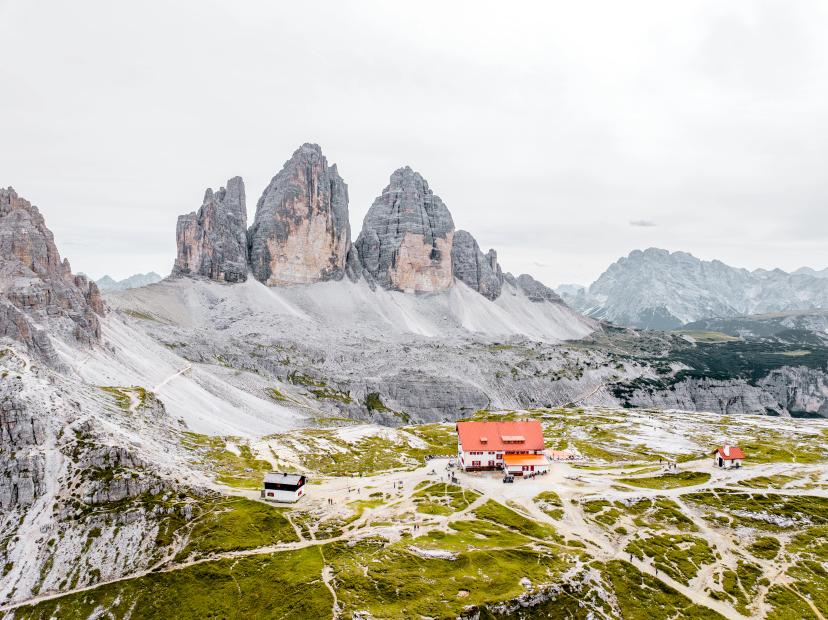
Classic high-altitude routes like Alta Via 1, Alta Via 2, and passes above 2,500m are buried under meters of snow and completely inaccessible for normal hiking.
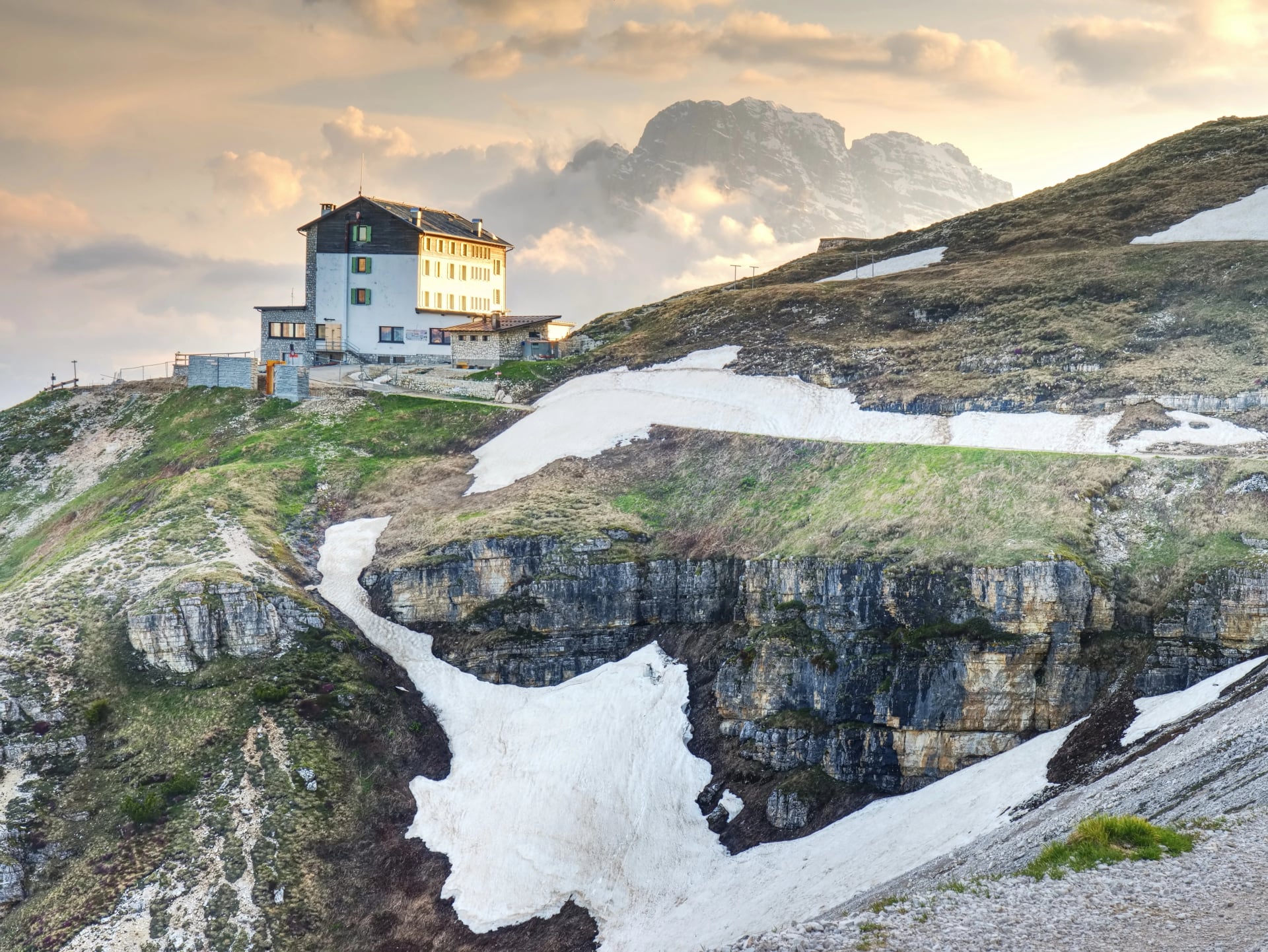
Snow conditions: Expect significant, consolidated snow above 2,000m. What looks like a well-marked trail on summer maps is often invisible beneath deep snowpack in May. Navigation becomes difficult and potentially dangerous.
Avalanche risk: Real and present on steep slopes where snowpack is actively melting and destabilizing. This isn't theoretical—May avalanches happen regularly in the Dolomites.
Bottom line: May works for lower-elevation inn-to-inn hiking where you stay in valley guesthouses rather than high mountain rifugios. Adjust your expectations accordingly, and you'll have a wonderful early-season experience.
Best Tours for the Dolomites in May
While high-altitude rifugio treks aren't accessible in May, several lower-elevation tours work beautifully during the early season. These routes focus on valley-level trails, use comfortable guesthouse accommodations, and showcase spring landscapes without requiring access to snow-covered high passes.
1. Dolomites Inn-to-Inn Hiking Tour (7 days)
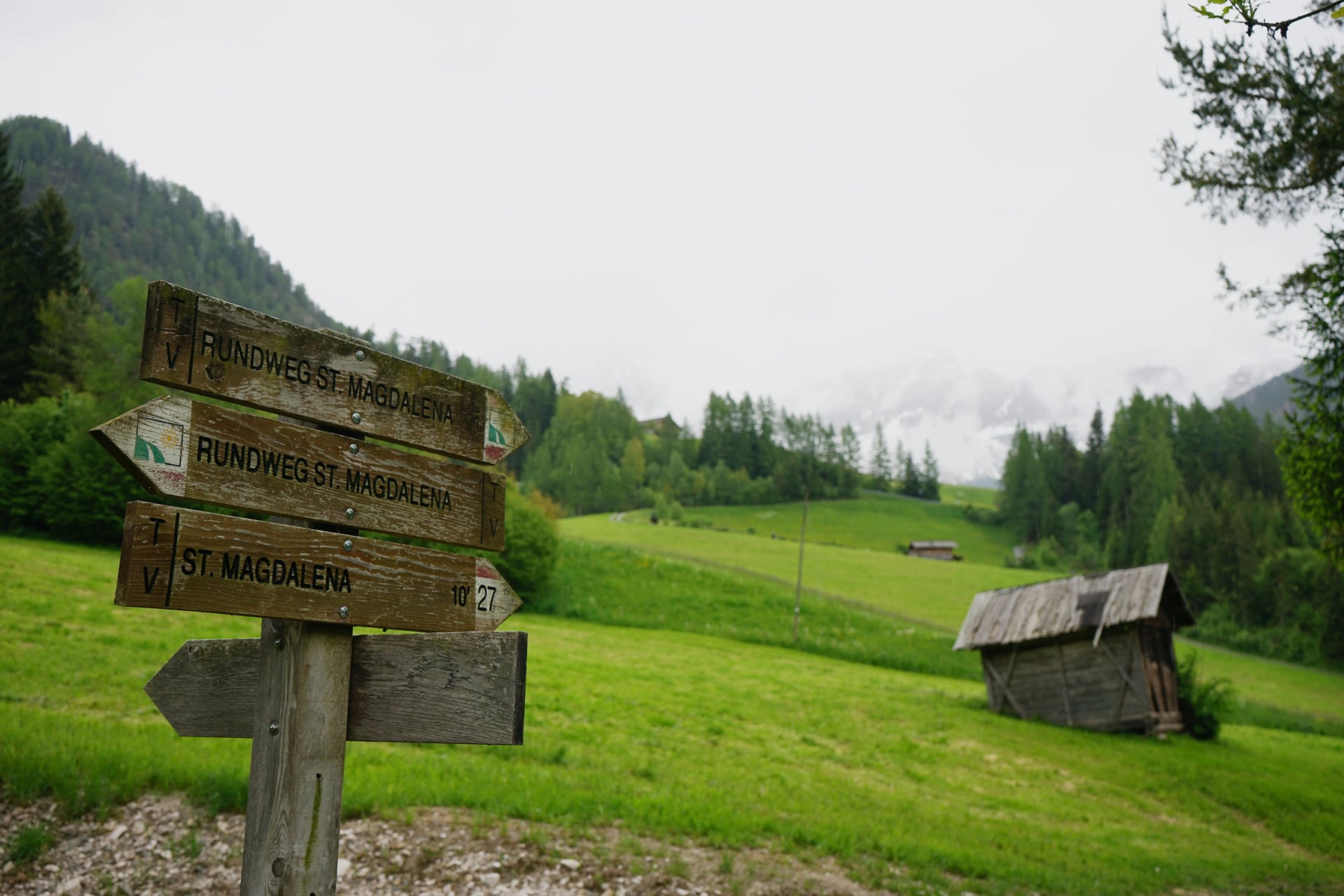
Perfect for May because this tour focuses on valley-level trails between 1,200-1,600m elevation with comfortable guesthouse accommodations rather than high mountain rifugios. You'll hike through awakening spring landscapes, see waterfalls at their most powerful from snowmelt, and experience the Dolomites without summer crowds.
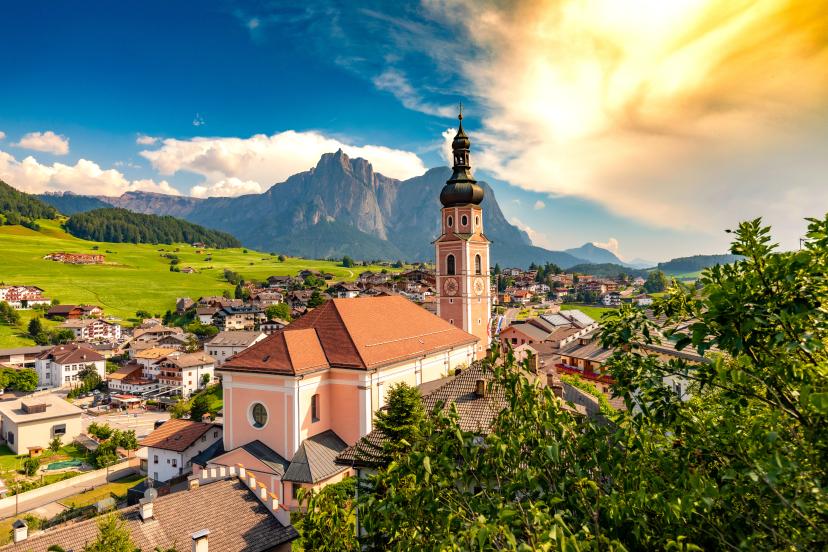
The route explores classic Dolomite valleys—Seiser Alm plateau, Val Gardena, and surrounding areas—staying below the snowline while still delivering spectacular mountain views. Daily stages range from 4-6 hours of hiking, and you'll stay in family-run guesthouses and small hotels with hot showers, real beds, and excellent food.
Duration: 7 days
Technical: 3/5 | Fitness: 3/5
Why it works in May: Stays below snowline, uses valley accommodations that are open year-round, flexible routing if weather turns challenging
Highlights on the way:
Experience it all on our tour:
2. Alpe di Siusi Inn to Inn Hiking Dolomites (7 days)
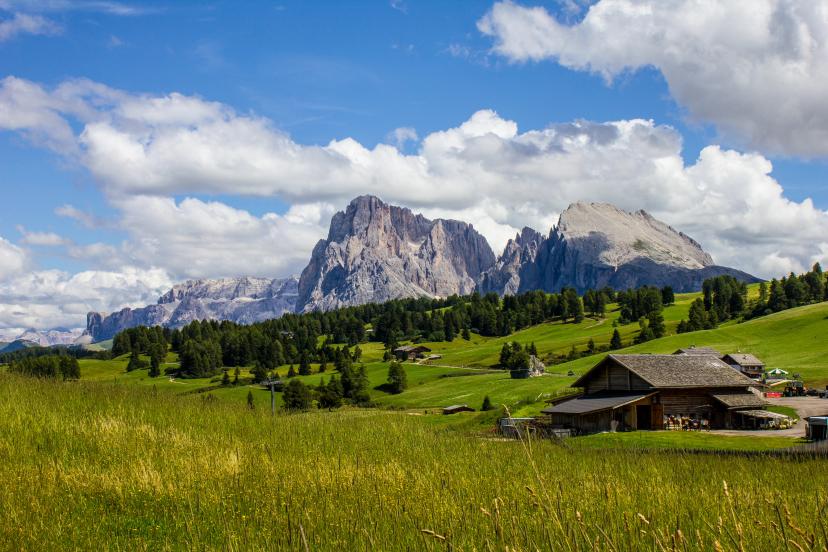
Europe's largest high-alpine meadow (Seiser Alm / Alpe di Siusi) at approximately 1,800m elevation is usually accessible by late May. This tour focuses on gentle, rolling plateau terrain with spectacular views of surrounding peaks—the Sassolungo (Langkofel), Sasso Piatto, and Sciliar massifs rise dramatically from the meadow edges.
What makes Alpe di Siusi ideal for May is its relatively moderate elevation and gentle terrain. While higher passes remain snow-covered, the plateau itself clears earlier in the season and offers expansive, easy hiking. You'll stay in traditional mountain inns and guesthouses around the plateau perimeter, enjoying South Tyrolean hospitality and cuisine.
Duration: 7 days
Technical: 2/5 | Fitness: 2/5
Why it works in May: Lower elevation plateau terrain, gradual hiking without steep passes, village accommodations, stunning spring meadows
Highlights on the way:
Experience this tour:
Important note: Even these lower-elevation routes can have variable conditions in early May, especially the first two weeks of the month. We actively monitor trail conditions and weather patterns, adjusting itineraries as needed to ensure safe, enjoyable hiking.
If you're booking for early May, we recommend maintaining flexible travel dates when possible.
What to Pack for May in the Dolomites
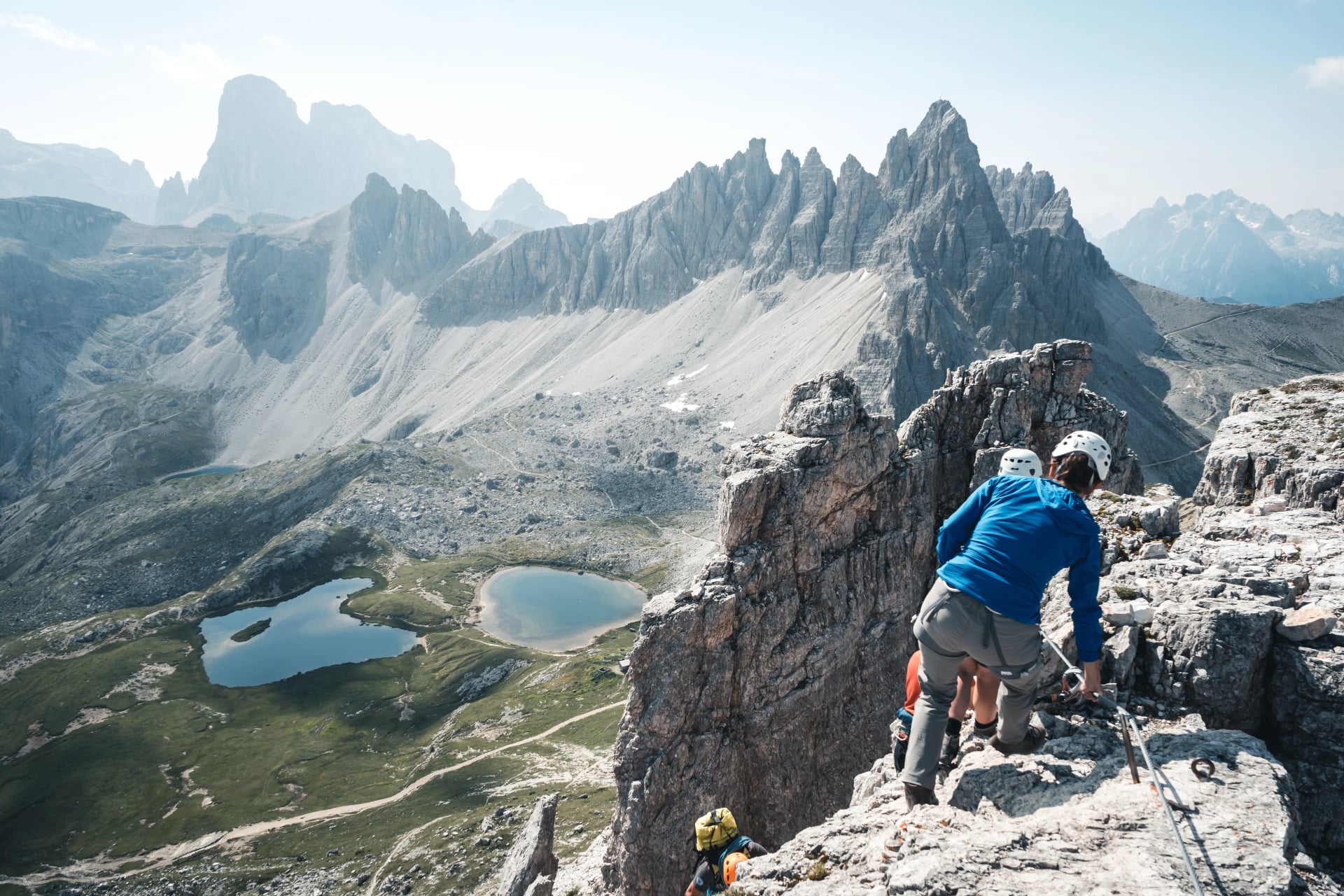
May requires full shoulder-season gear—think early spring mountain conditions, not summer hiking.
Essential Clothing Layers
Warm insulating layers (fleece or lightweight down jacket—you'll need this)
Waterproof, breathable rain jacket and rain pants (rain and snow are likely)
Warm hat and gloves (yes, even in May—mornings are cold, high elevations are very cold)
Base layers that wick moisture effectively
Long hiking pants (shorts are optimistic in May)
Footwear
Sturdy, waterproof hiking boots with good ankle support (trails can be muddy, wet, partially snow-covered)
Gaiters helpful for keeping boots dry on wet trails
Comfortable shoes for evenings at guesthouses
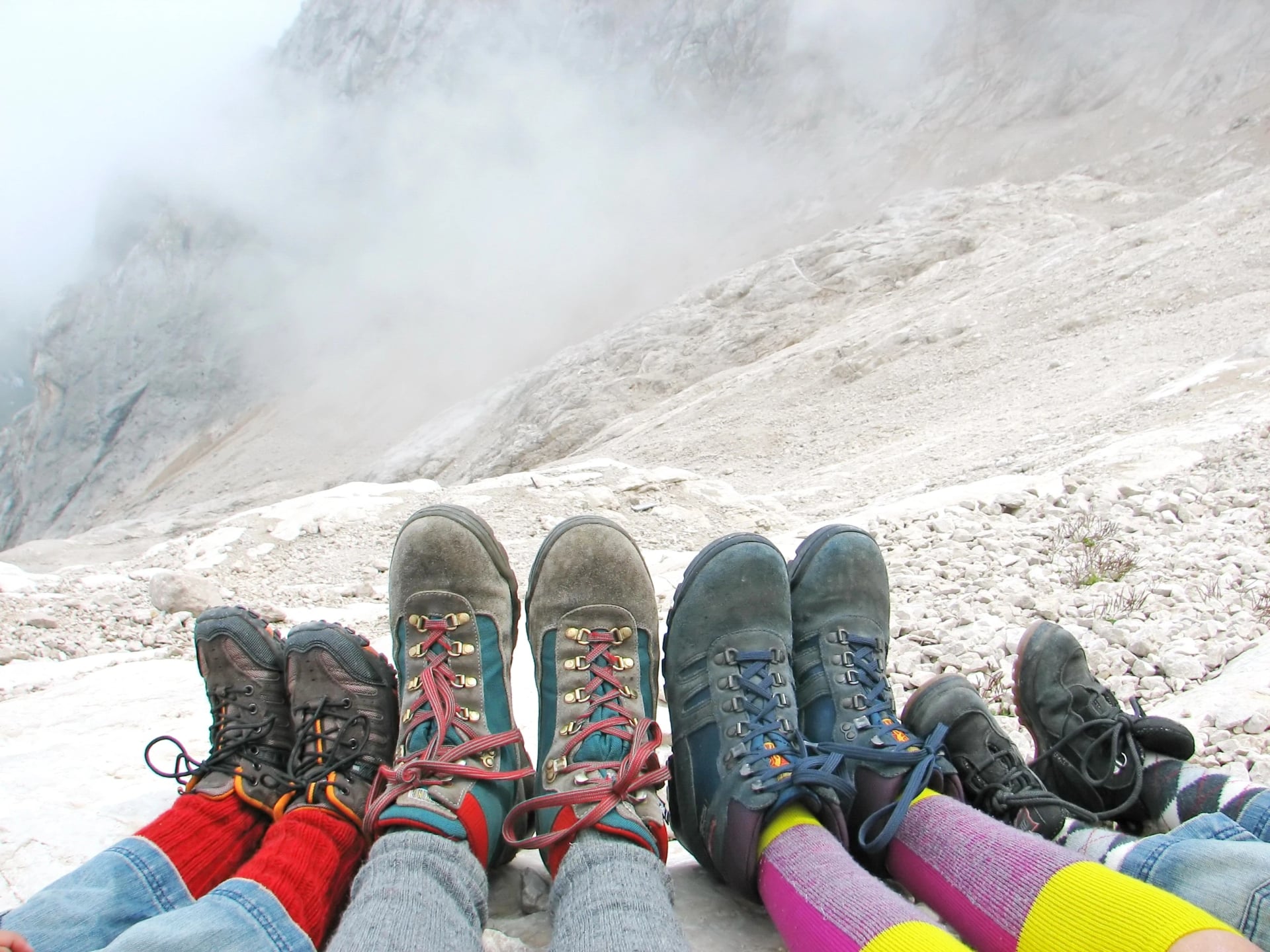
Gear
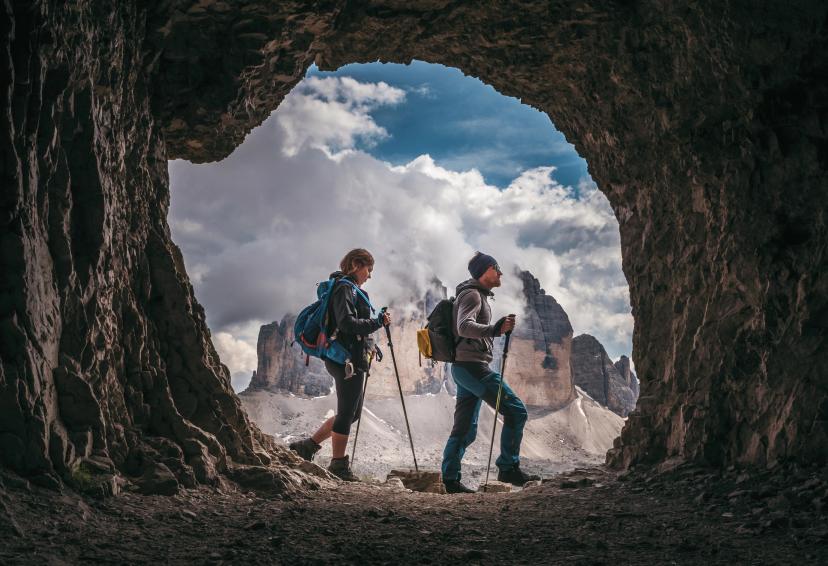
Trekking poles (highly recommended for muddy, slippery, or uneven trails)
Sunglasses and sunscreen (UV is strong at altitude even in May)
Headlamp with extra batteries
Lightweight backpack for carrying layers as temperatures fluctuate
What to Leave Behind
Summer-weight clothing (you'll be cold)
Expectations of hot weather hiking (this is spring, not summer)
For complete packing guidance including specific gear recommendations and packing strategies, see this section in our ultimate Dolomites hiking guide and adjust for colder, wetter conditions than summer months.
Should You Visit the Dolomites in May?
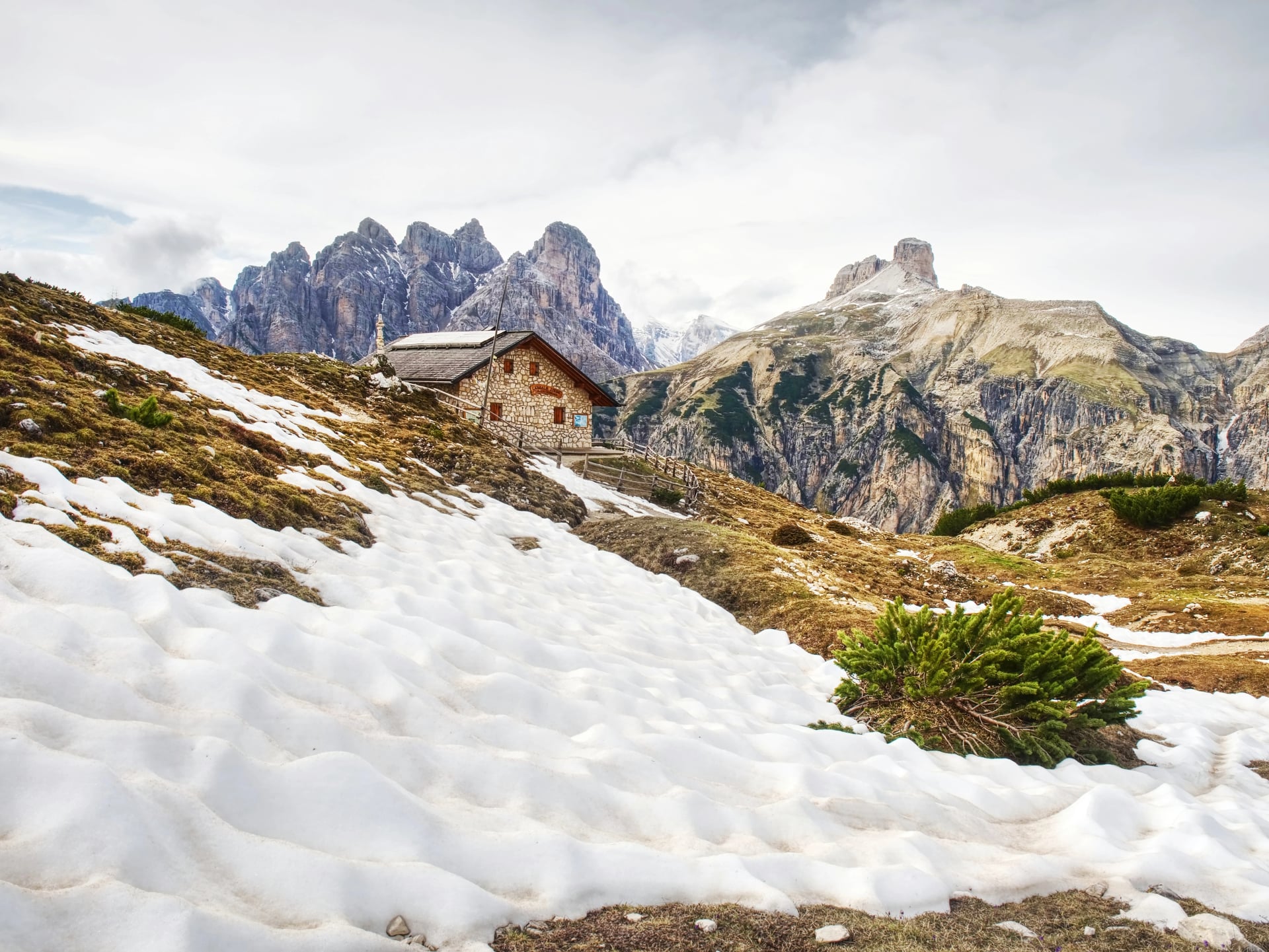
Visit the Dolomites in May if:
You're interested in lower-elevation valley hiking and don't need high-altitude routes
You want to experience spring landscapes, wildflowers emerging, and waterfalls at peak flow
You prefer peaceful, crowd-free trails over summer's busier paths
Inn-to-inn hiking (comfortable guesthouses vs mountain rifugios) appeals to you
You have flexibility with weather and won't be disappointed if some days are rainy
Skip May if:
You're set on classic Alta Via routes or high-altitude rifugio-to-rifugio treks
You want guaranteed mountain hut access and the full rifugio experience
You need predictable weather and guaranteed trail access
You're not comfortable with early-season mountain conditions
Our recommendation: May works well if you have the right expectations. Focus on lower valleys, enjoy the spring awakening, embrace the quieter atmosphere, and save high-altitude adventures for summer. The Dolomites in May are beautiful—just different from the summer experience most people envision.
For comprehensive guidance on the best time to visit based on your specific priorities, weather preferences, and hiking goals, see our complete month-by-month weather guides for other months of the hiking season:
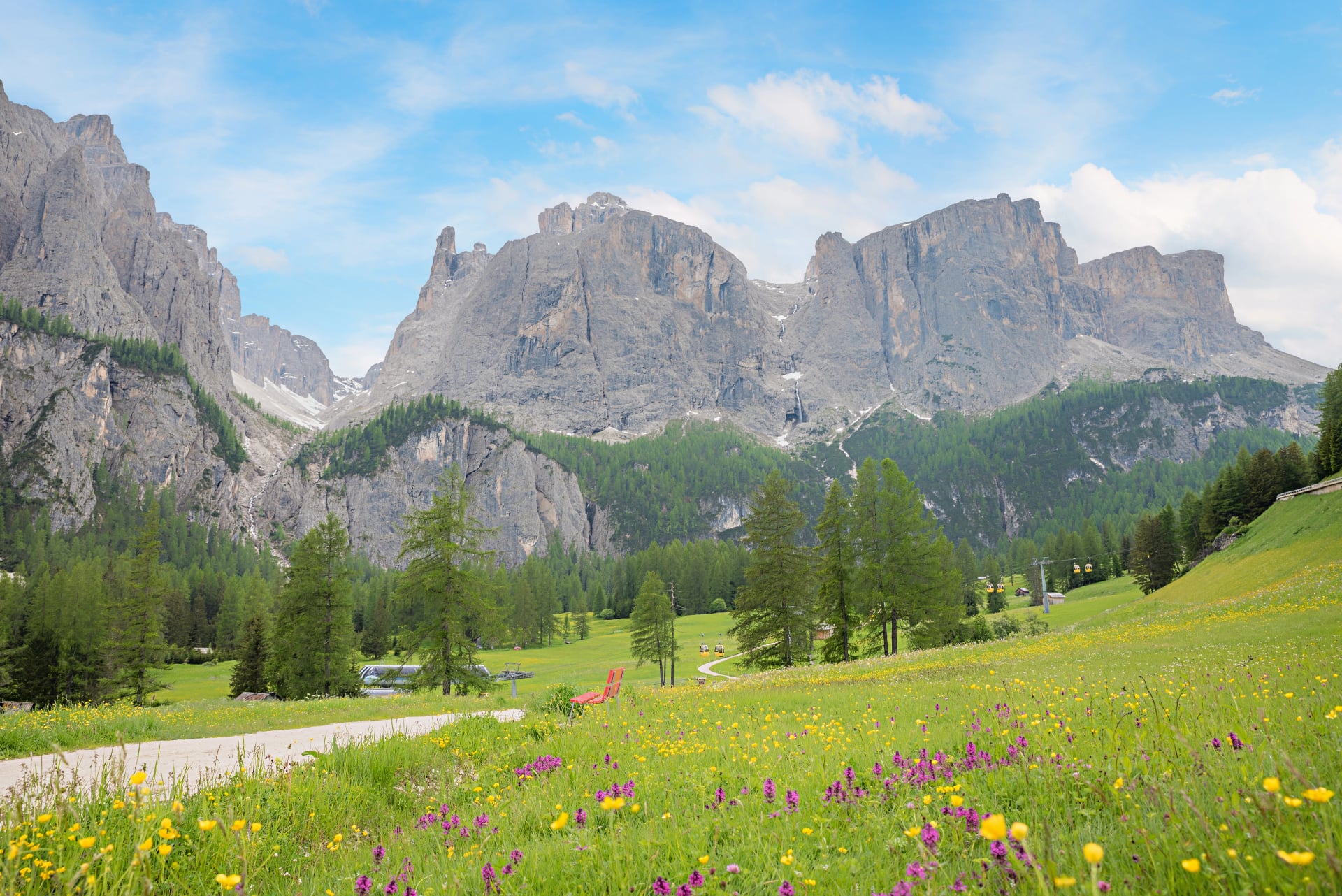
Experience the Dolomites at the Right Time
May in the Dolomites offers beautiful spring hiking—if you focus on lower-elevation routes. While high mountain rifugios remain closed and passes stay snow-covered, valley trails and inn-to-inn routes deliver peaceful hiking without summer crowds.
For the classic high-altitude Dolomites experiences—rifugio treks, Alta Via routes, and high passes—plan your trip for June through September when the mountains fully open. Explore our tours or reach out to us directly to plan your next hiking journey.

About this author
Ajda is our travel advisor, raised in a village surrounded by mountain peaks. Hiking entered her life early on and remains her favorite way to reconnect with nature.