Alta Via 1 Length Explained: Total Distance, Stage Times & Planning
From full-route timelines to shorter itineraries, here’s everything you need to know about Alta Via 1’s length, daily stages, and how to choose the right number of days.

Anja
Published January 7, 2026
Edited January 16, 2026
7 min read
Quick links
Don't want to read all this?
We've planned 2,000+ hiking trips. Send your dates, fitness and group size — we'll map the route and book every night.



"How long is Alta Via 1?" is one of the first questions every Dolomites hiker asks—and for good reason. You need to plan vacation time, book rifugios, and make sure you're physically prepared for what's ahead.
The simple answer: approximately 120 kilometers and 9-10 hiking days.
But the real answer depends on which section you hike, your fitness level, your pace, whether you take rest days, and what kind of experience you're after. Some hikers complete Alta Via 1 in a fast 7 days. Others take 12, savoring every sunrise and rifugio dinner along the way.
Alta Via 1 Length: The Numbers
Total Distance and Elevation
Let's start with the hard facts about the full north-to-south traverse:
Total length: Approximately 120-130 kilometers (75-80 miles)
Total elevation gain: ~6,500-7,000 meters cumulative (both ascent and descent over the entire route)
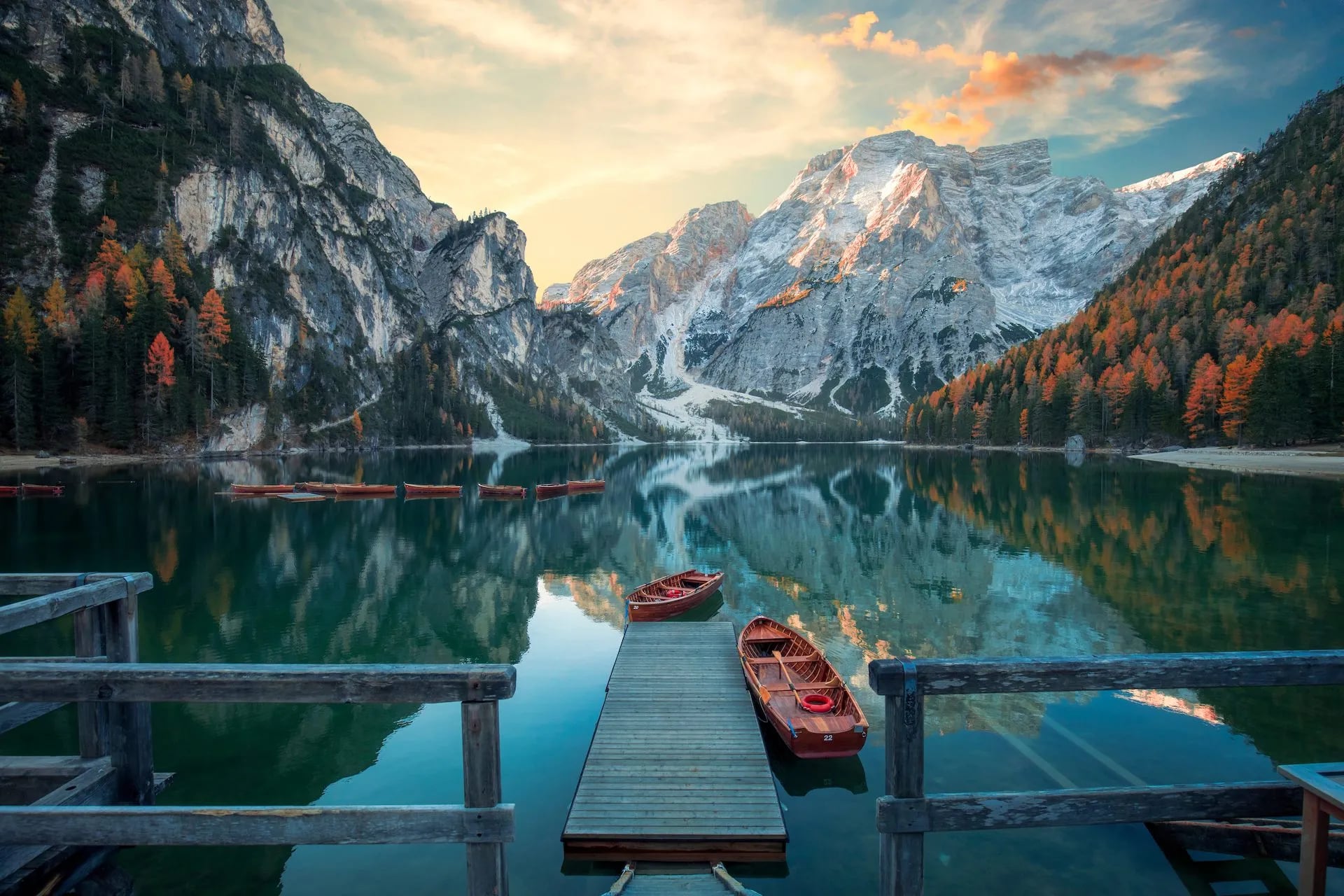
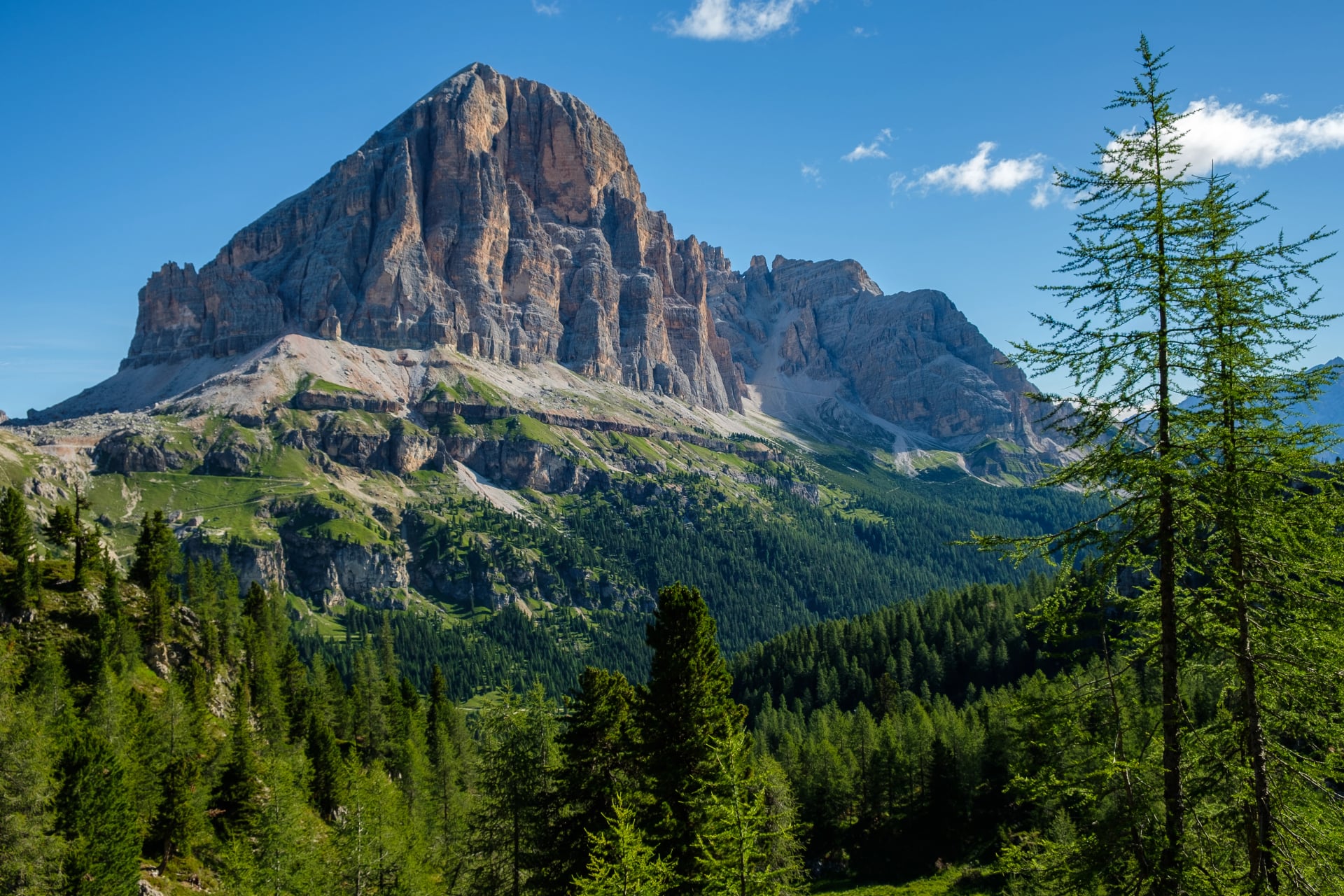
Starting elevation: Lago di Braies at 1,496m (4,908 ft)
Highest points: Various passes around 2,700-2,750m (8,850-9,000 ft)
Ending elevation: Belluno/La Stanga at ~400m (1,312 ft)
Route type: Point-to-point (not a loop)—you'll need transport planning at both ends
These numbers represent the full traditional route from Lago di Braies to Belluno. But here's the thing: you don't have to hike the entire route to experience what makes Alta Via 1 special. Shorter sections deliver equally memorable experiences in less time.
Questions and Answers
Q: Standard Hiking Timeline?
A: The classic answer: 9-10 hiking days
This is the standard timeframe for completing the full Alta Via 1 route at a comfortable, sustainable pace. Here's what that actually looks like on the ground:
Daily hiking time: 4-7 hours of actual walking (not counting breaks)
Daily distance: 10-15 km per stage
Daily elevation gain: 400-1,100m depending on which stage you're tackling
Rest days: Most hikers build in 0-1 rest days along the way
Total trip duration: 11-13 days when you factor in everything:
1 arrival day (travel to Lago di Braies area, settle in, final preparations)
9-10 hiking days on the trail
1 departure day (travel from Belluno back to airport or onward destination)
Optional rest day if your body needs recovery or weather forces a pause
That's the reality of planning Alta Via 1—the hiking itself is 10 days, but you need to budget nearly two weeks total when you include travel and buffer time.
Q: Can You Hike Alta Via 1 Faster?
A: Yes, but it's not recommended for most hikers.
Strong, experienced mountain athletes sometimes complete Alta Via 1 in 7-8 days by combining shorter stages, hiking longer hours, or skipping the gentler final days. This approach requires:
Excellent fitness (comfortable with 8+ hour mountain days)
Experience with consecutive big days without rest
Ultralight packing (every kilogram counts when you're moving fast)
Perfect weather (no delays, no storms forcing early stops)
Lucky rifugio availability (some stage combinations don't have convenient accommodations)
The downsides of rushing: You'll be physically exhausted, have minimal time to enjoy views or side trips, miss the slower rhythm that makes hut-to-hut hiking special, and risk injury from pushing too hard on tired legs.
Q: Should You Take Longer?
A: Absolutely—and many experienced hikers do.
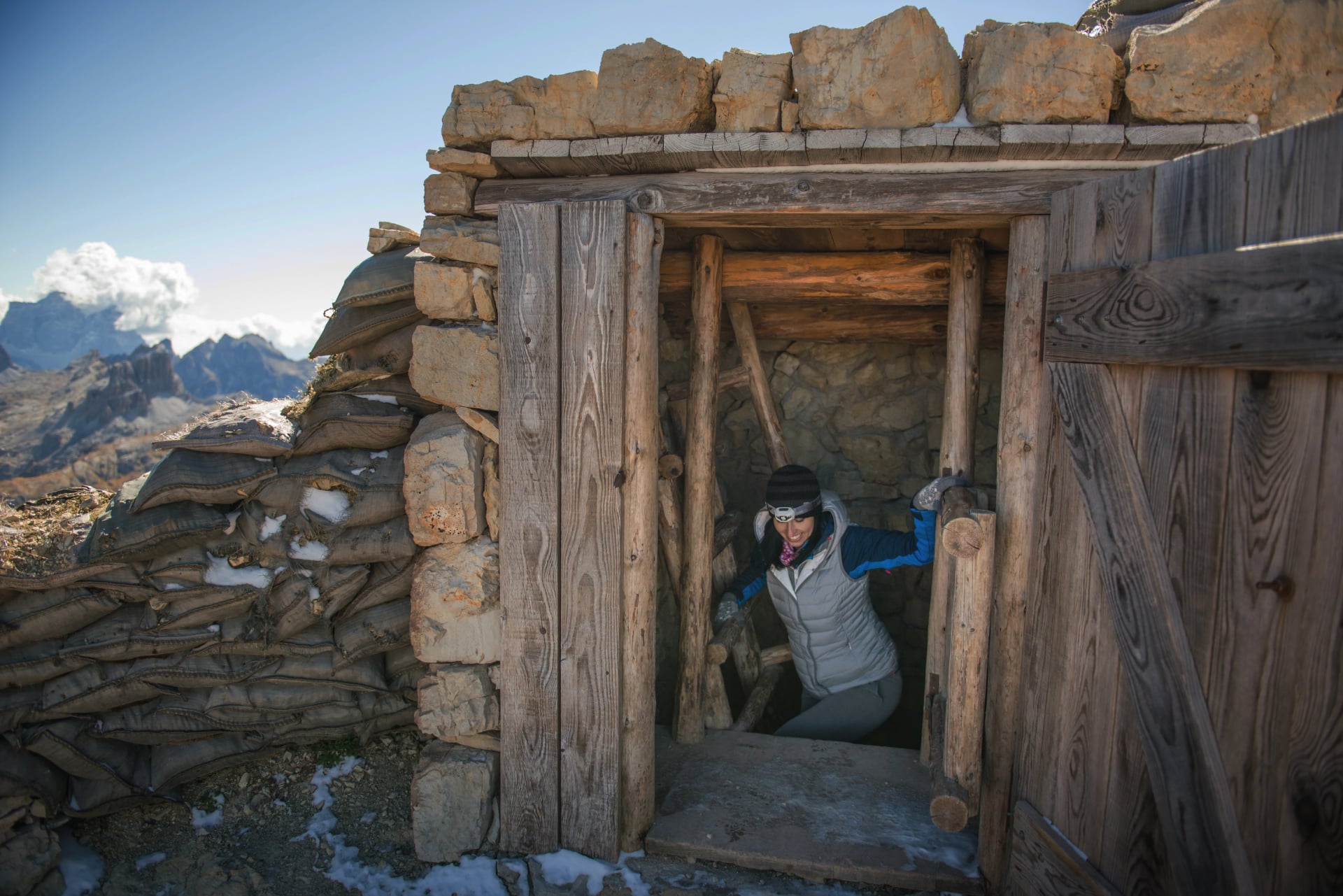
Adding 1-2 rest days or extending to 11-12 hiking days by splitting the longer stages makes Alta Via 1 significantly more enjoyable. The benefits are real:
Recovery time for sore muscles and blistered feet
Flexibility when bad weather rolls in (and it will)
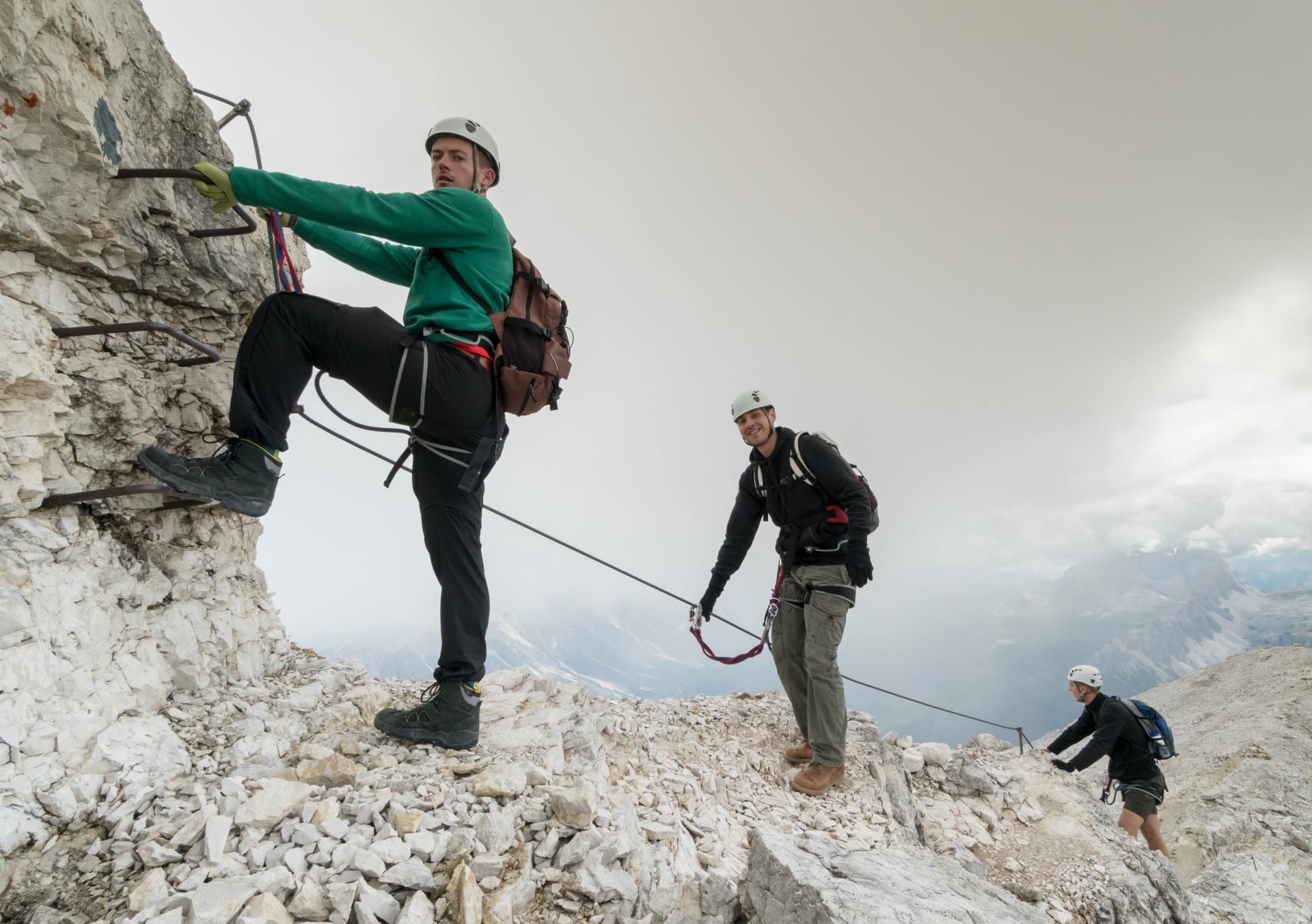
Time for side trips—summit climbs, via ferrata routes, photography missions
Deeper immersion in rifugio culture and evening conversations with fellow hikers
Much lower risk of burnout, injury, or having to bail early
Popular rest day locations:
Taking your time isn't weakness—it's smart mountain travel.
Shorter Alta Via 1 Options
You Don't Need 10 Days to Experience Alta Via 1
Not everyone has two weeks of vacation to commit—and that's completely fine. Here are the most popular shorter options that still deliver authentic Alta Via 1 experiences:
For detailed stage-by-stage breakdowns of each option, distances, elevation profiles, and what to expect each day, see our complete Alta Via 1 Itinerary Guide.
Planning Your Timeline
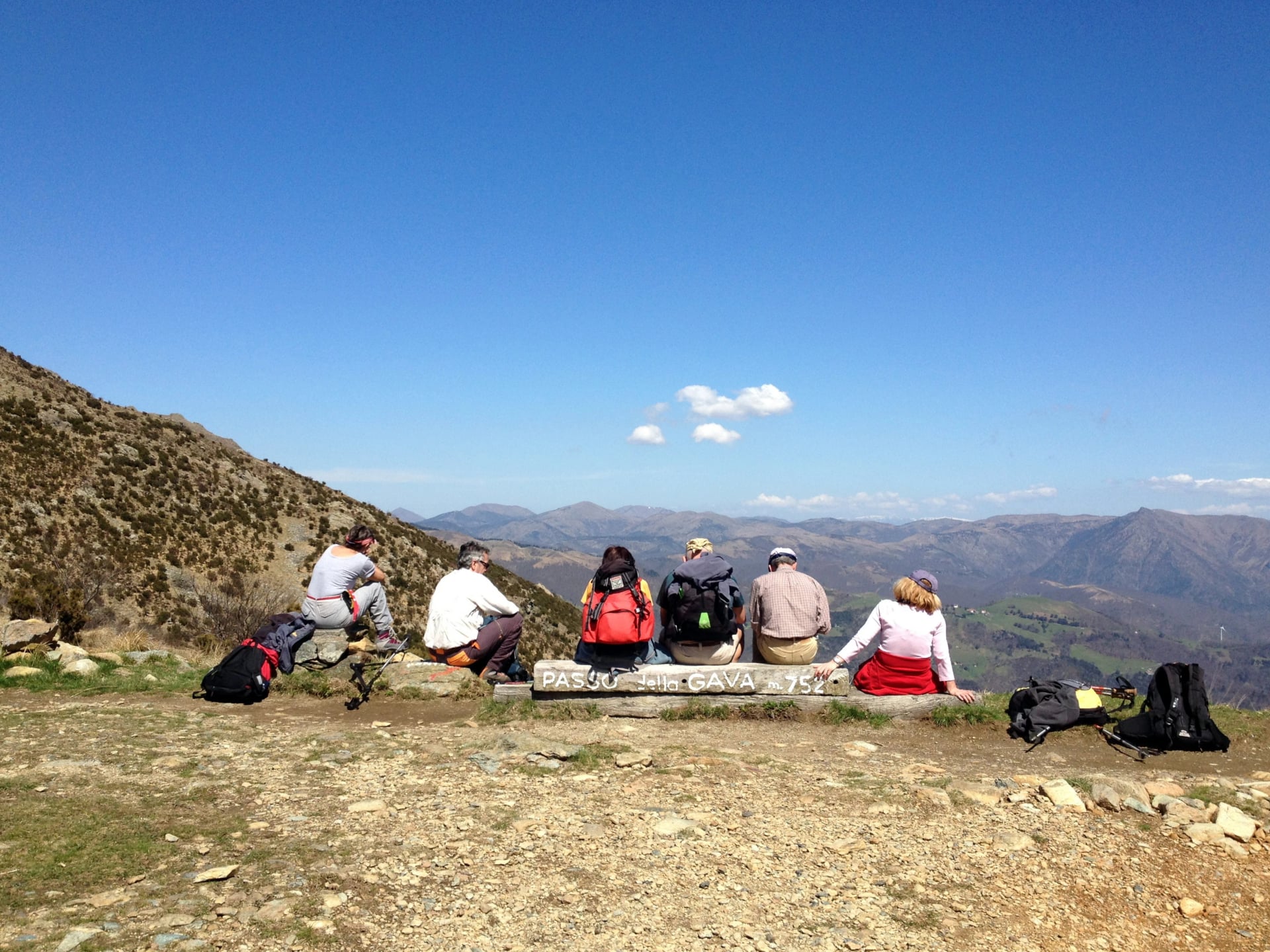
Choosing the right timeline for your Alta Via 1 adventure comes down to four key factors:
1. Your fitness level
Can you comfortably hike 5-7 hours daily for multiple consecutive days?
How quickly does your body recover between big efforts?
Have you done multi-day hut-to-hut hiking before, or is this your first time?
2. Your available time
Total vacation days available (including travel days to/from Italy)
Buffer time for potential weather delays or rest days
Flexibility if things don't go exactly to plan
3. Your hiking goals
Do you want the complete traverse or a focused section?
Are you here for photography and exploration, or pure athletic hiking?
Social rifugio evenings with other hikers, or early-to-bed athlete recovery mode?
4. The season you're hiking
July-August: Longer daylight (up to 15 hours), better weather, but crowded trails
June or September: Shorter days, more variable weather, far fewer people
Quick planning formula:
Hiking days + 2 travel days + 1 buffer day = Minimum total trip length
Example: For a 10-day Alta Via 1, plan for 12-13 total days away from home.
Need more planning help? Check out these essential guides:
Which Alta Via is Best? – Compare all Alta Via routes
How to Get to Alta Via – Transport and logistics planning
What to Pack for Alta Via – Complete gear checklist
Best Short Hikes in the Dolomites - Everything you need to know about 3-day hikes
Alta Via 1 Ultimate Guide - Everything Alta Via 1 packed in one page
What Affects Your Pace on Alta Via 1?
Why Some Hikers Are Faster Than Others
Ever wonder why one hiker completes a stage in 4 hours while another takes 6? Here's what creates the difference:
Fitness and experience: Stronger hikers with mountain experience naturally cover ground faster and recover more quickly between stages.
Pack weight: Every kilogram on your back slows you down. Ultralight packers (7-9 kg total) move noticeably faster than those carrying 12-15 kg.
Weather conditions: Afternoon thunderstorms, persistent rain, or oppressive heat can easily add 1-2 hours to any stage.
Photography and sightseeing: Serious photographers might add 1-2 hours per day for the perfect shots. Casual photo-takers add 20-30 minutes.
Rifugio arrival philosophy: Some hikers aim to arrive by 3 PM to relax and socialize. Others push until 5-6 PM to maximize daylight hiking.
Trail conditions: Early-season snow, muddy sections, or trail maintenance closures can require slower hiking or detours.
Group dynamics: Hiking with partners or groups means matching the slowest person's pace—which is fine, just factor it into planning.
The beauty of self-guided hiking? You control the pace entirely. Fast or slow, focused or leisurely, athletic or contemplative—it's your adventure, your timeline.
Practical Tips for Timing Your Alta Via 1
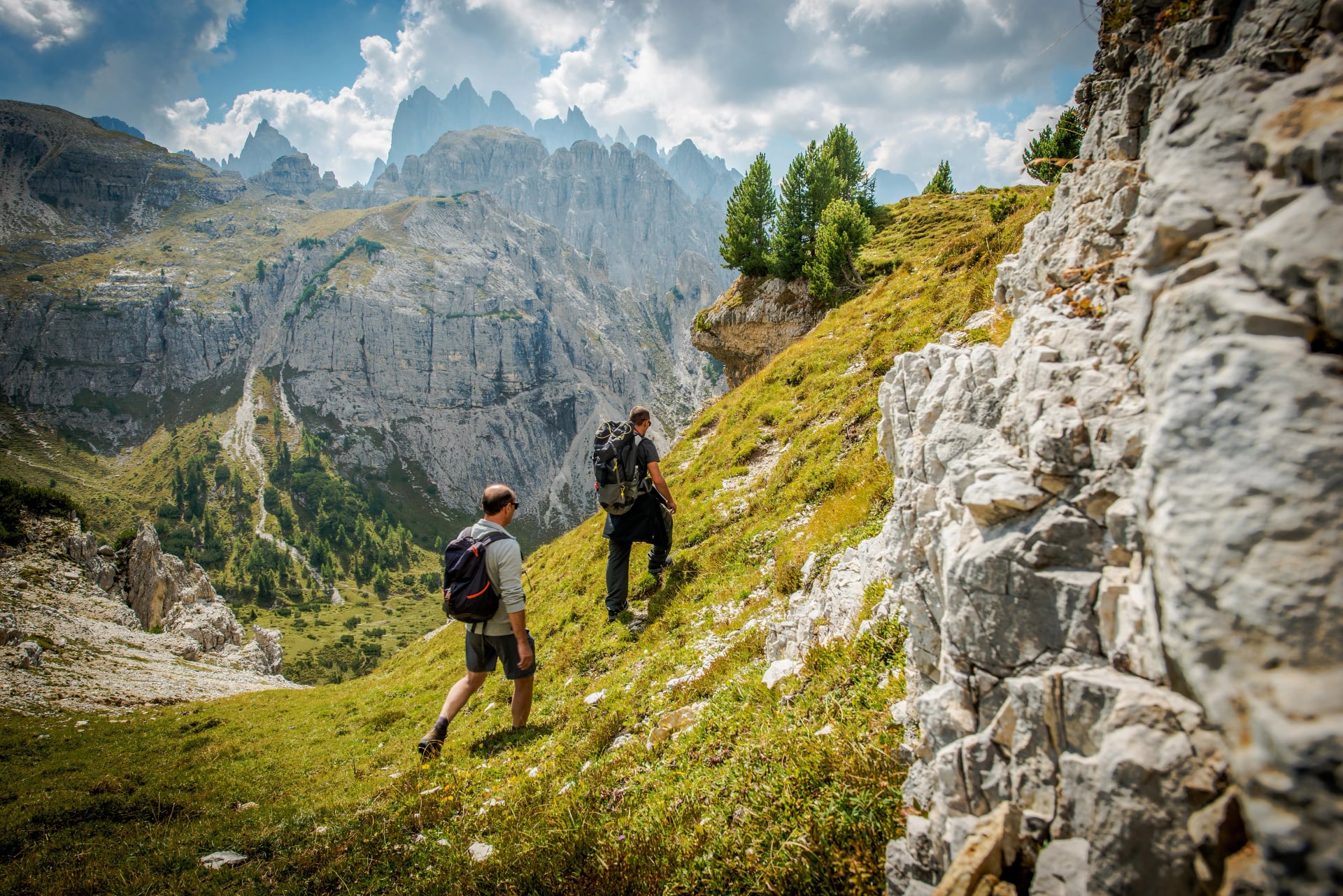
Start hiking early: 7:30-8:30 AM departures help you avoid afternoon storms and midday heat, plus you'll have the trail more to yourself.
Build in buffer days: Don't book your return flight for the exact day your planned itinerary finishes. Give yourself at least one extra day for weather delays or if you simply want to slow down.
Know rifugio dinner times: Many serve dinner promptly at 6:30 or 7:00 PM. Arrive late and you might miss the meal you've already paid for.
Plan shorter first and last days: Ease into the mountain rhythm on Day 1 rather than crushing yourself. Similarly, a gentler final day lets you finish strong rather than limping to the end.
Download offline maps before you go: Cell service is spotty to nonexistent on many sections. Don't rely on real-time navigation or last-minute route changes.
Consider our guided options: If timing and logistics stress you out, our tours handle rifugio bookings, stage planning, GPS files, and emergency support—you just show up ready to hike.
Find Your Perfect Alta Via 1 Timeline
Your perfect Alta Via experience starts with the right timeline. Browse our Alta Via tours or contact us to shape a route that fits your schedule and hiking style.

About this author
Anja is our lead travel advisor and a lifelong hiker who has planned countless adventures across Europe. She prefers sunsets to sunrises — unless coffee is involved — and, ever since her first rock-climbing course, joins friends on climbing trips whenever she can.