Dolomites in August: The Busiest Month & How to Navigate Peak Season
The warmest, most stable weather of the year meets the highest trail traffic — August in the Dolomites rewards those who book early and start earlier.

Ajda
Published April 20, 2026
Edited May 16, 2026
13 min read
Quick links
Don't want to read all this?
We've planned 2,000+ hiking trips. Send your dates, fitness and group size — we'll map the route and book every night.



August in the Dolomites is the most popular month for a reason — and the most demanding to get right for the same reason. The weather is the warmest and most stable of the season, every trail and rifugio is fully operational, and the sheer volume of hikers on the most famous routes creates an atmosphere that's either thrillingly social or uncomfortably crowded, depending on your expectations and planning.
If you're thinking about hiking the Dolomites in August, here's what you need to know: book rifugios as far ahead as possible (6–8 weeks minimum for Alta Via 1), start every stage early, and consider routes beyond the obvious northern highlights. The hikers who enjoy August most are those who planned months ahead — or those who chose the less-trafficked tours that deliver the same Dolomite drama without the queues.
Temperature ranges: Valleys (1,200–1,500 m) reach 22–30°C — the warmest of the season, with mild nights at 12–16°C. Above 2,000 m expect 14–20°C daytime, dropping to 5–10°C overnight. August is the month hikers are most likely to feel genuinely hot on exposed uphill sections.
Weather patterns: August delivers the most consistently stable conditions of the year. High-pressure systems hold longer than July, and afternoon thunderstorms — while still present — are less frequent and less intense. More multi-day stretches of unbroken sunshine, and storms that do form are often weaker and shorter.
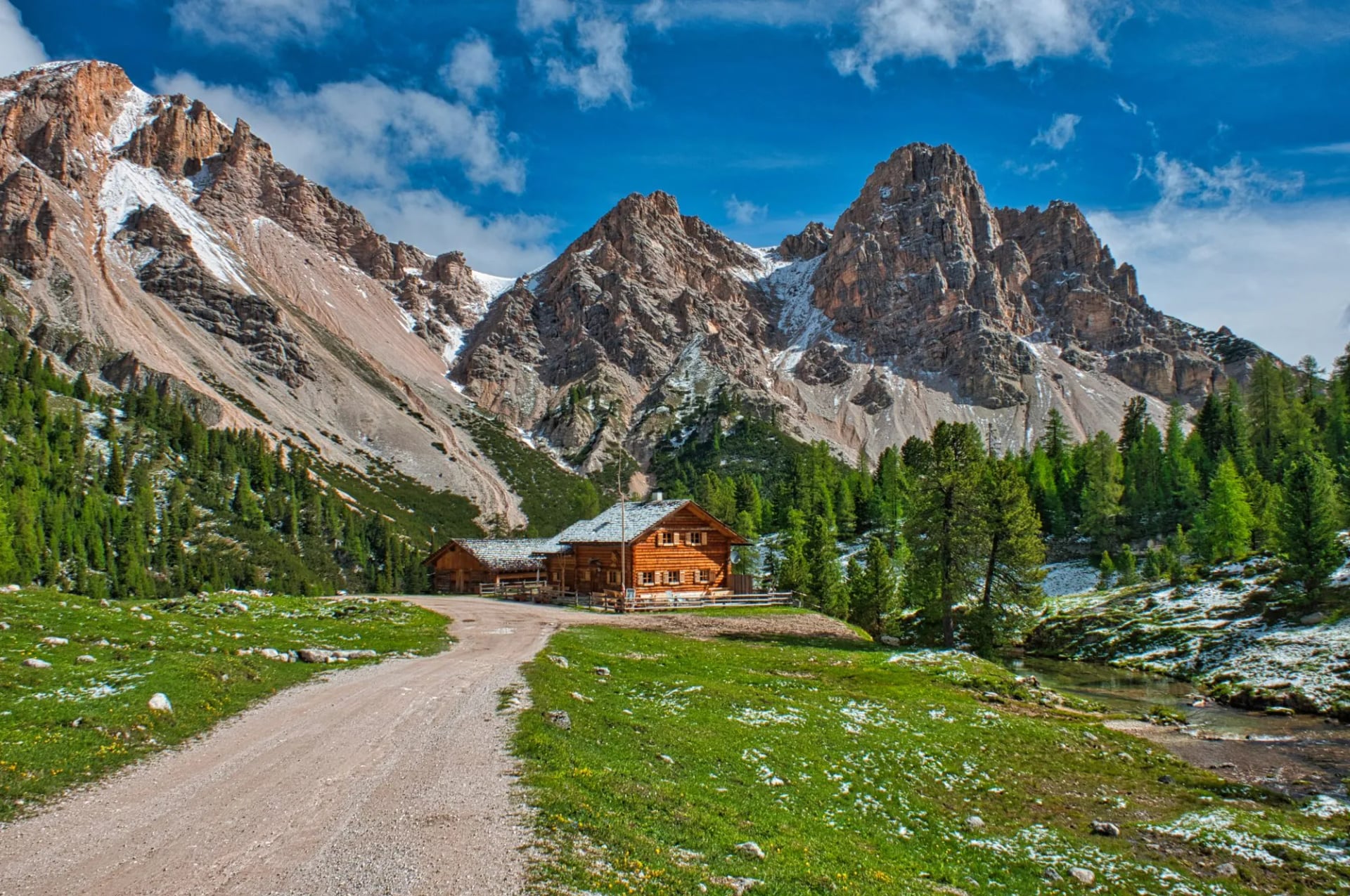
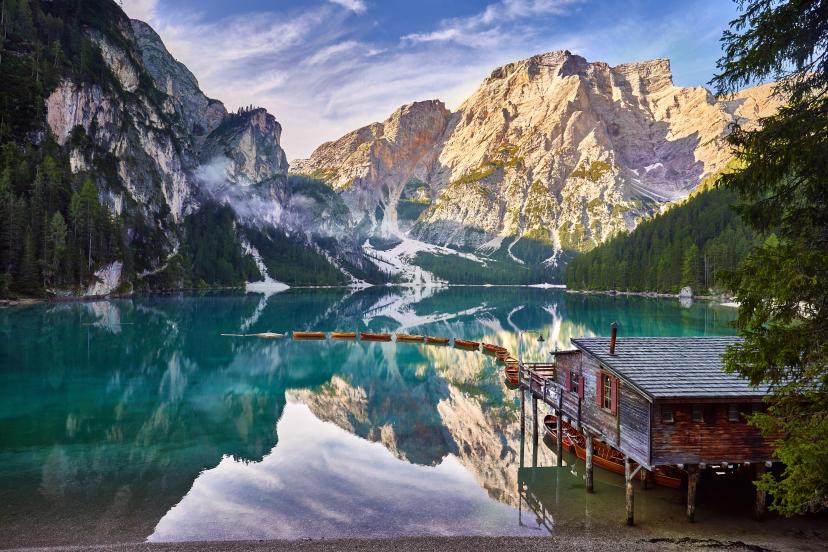
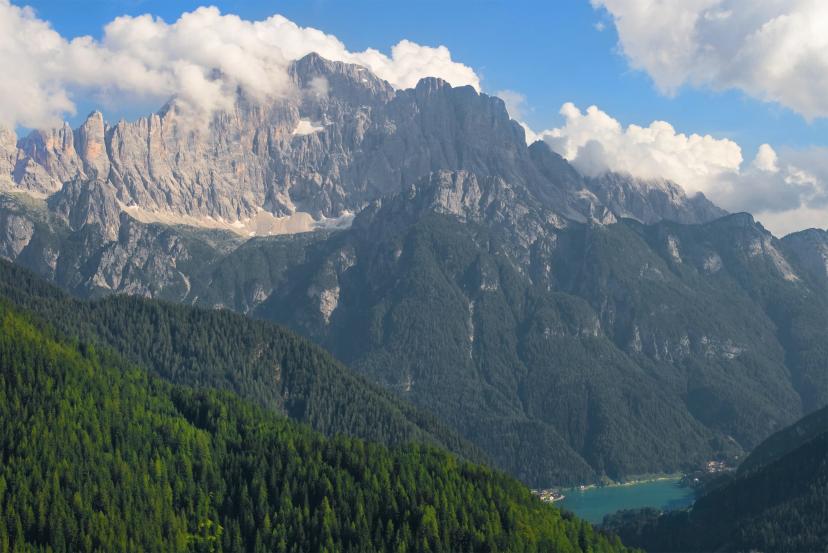
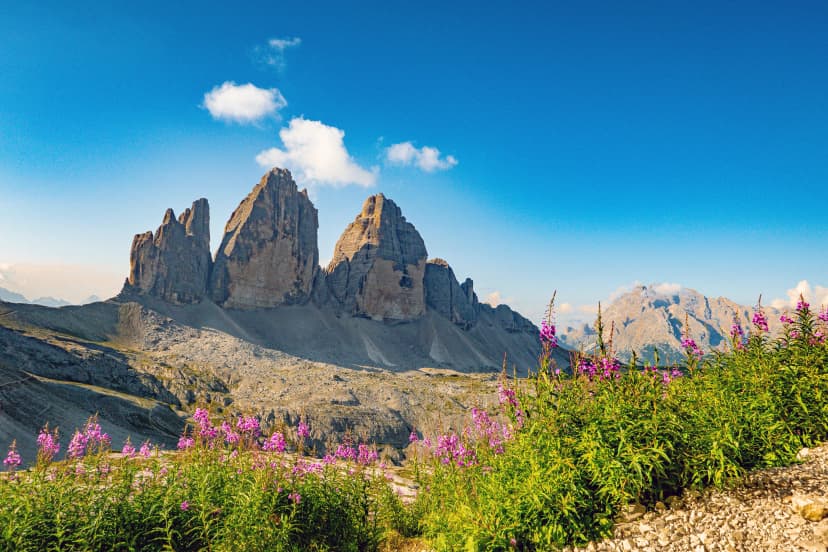
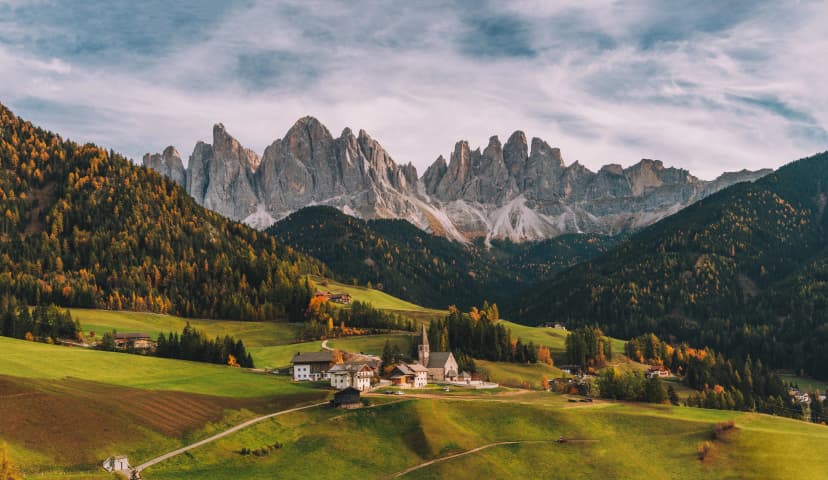
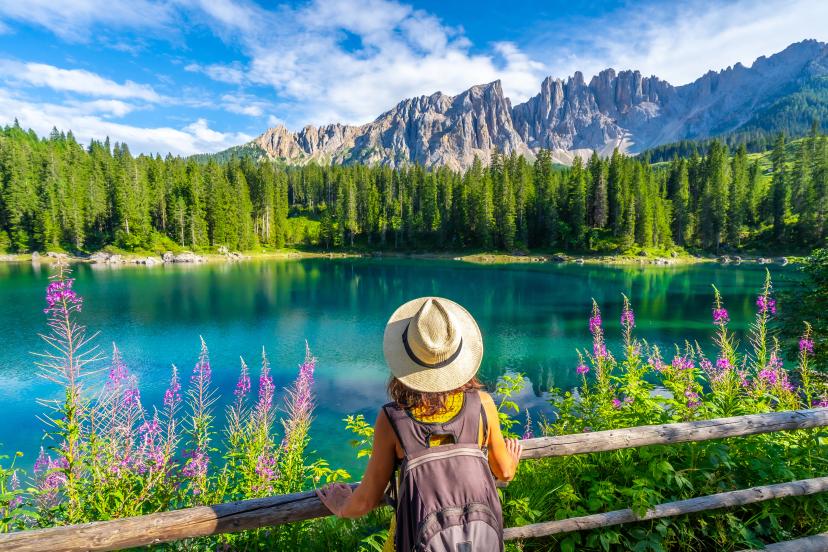
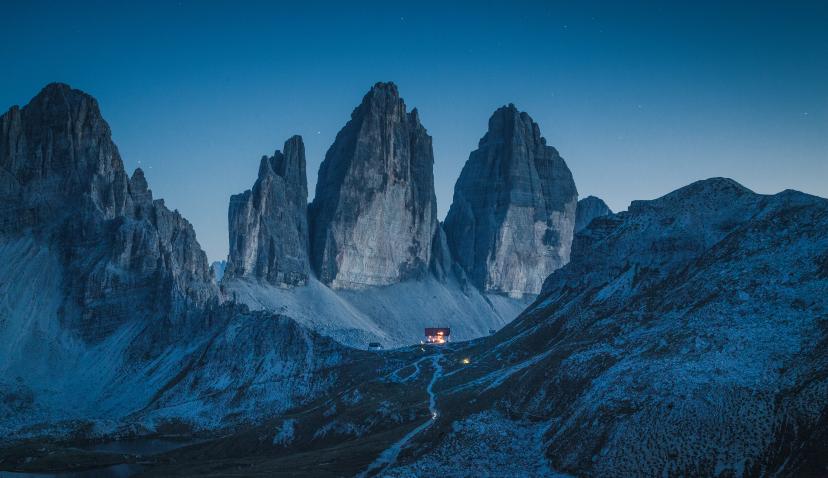
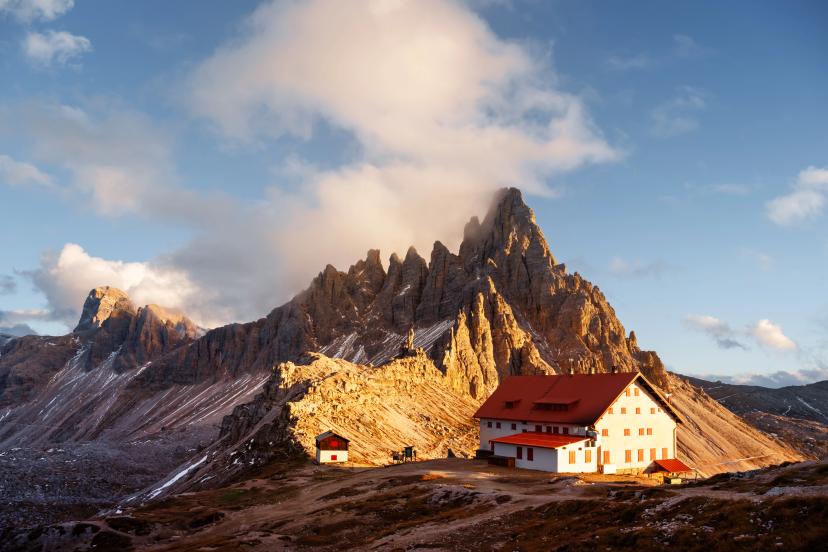
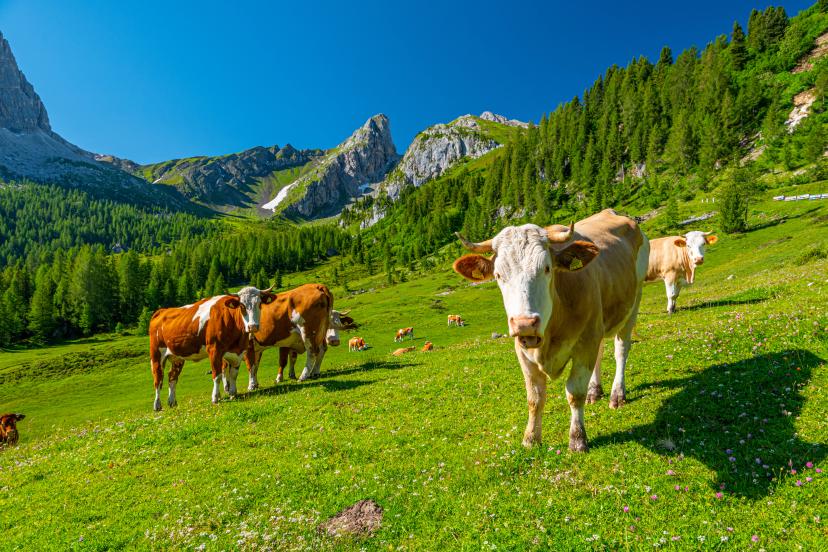
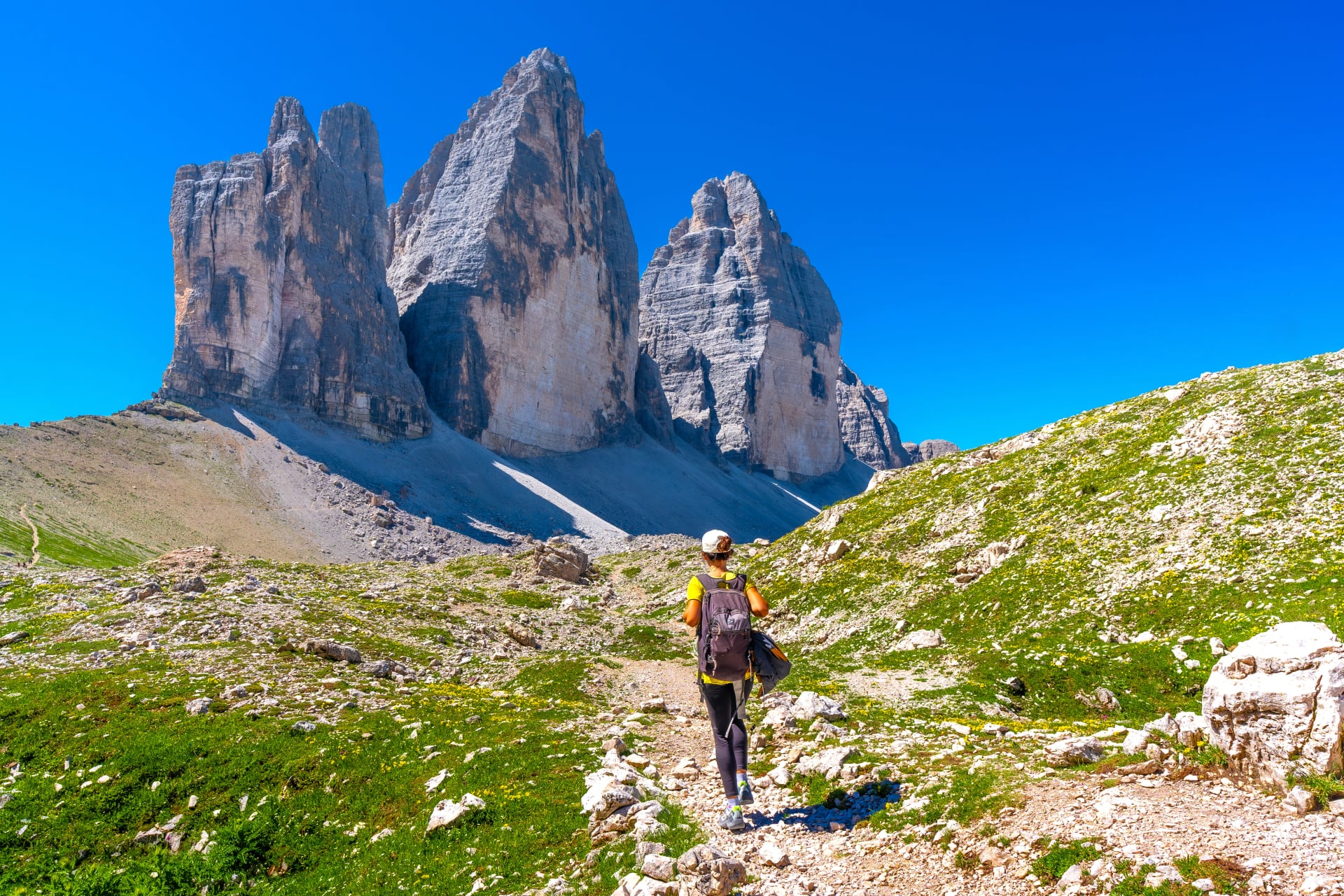
What you'll see: Meadows at their deepest green, though wildflower intensity has mellowed from June–July's peak. Rock towers are at their most photogenic — warm light, clear air, and dramatic cloud formations create the postcard views the Dolomites are famous for. By late August, the first hint of larch colour appears at the highest elevations.
Daylight hours: Roughly 15 hours at month's start, 13 by month's end. Still very long days — ample for all but the most ambitious stages. Headlamps remain unnecessary for standard hiking schedules.
The reality: August is the warmest, most stable, and busiest month. European families take summer holidays, and trail traffic reflects it. The conditions are the best of the year for weather reliability — but the right route choice and advance booking separate a frustrating August from an extraordinary one.
Where to Stay in August?
Rifugio Status
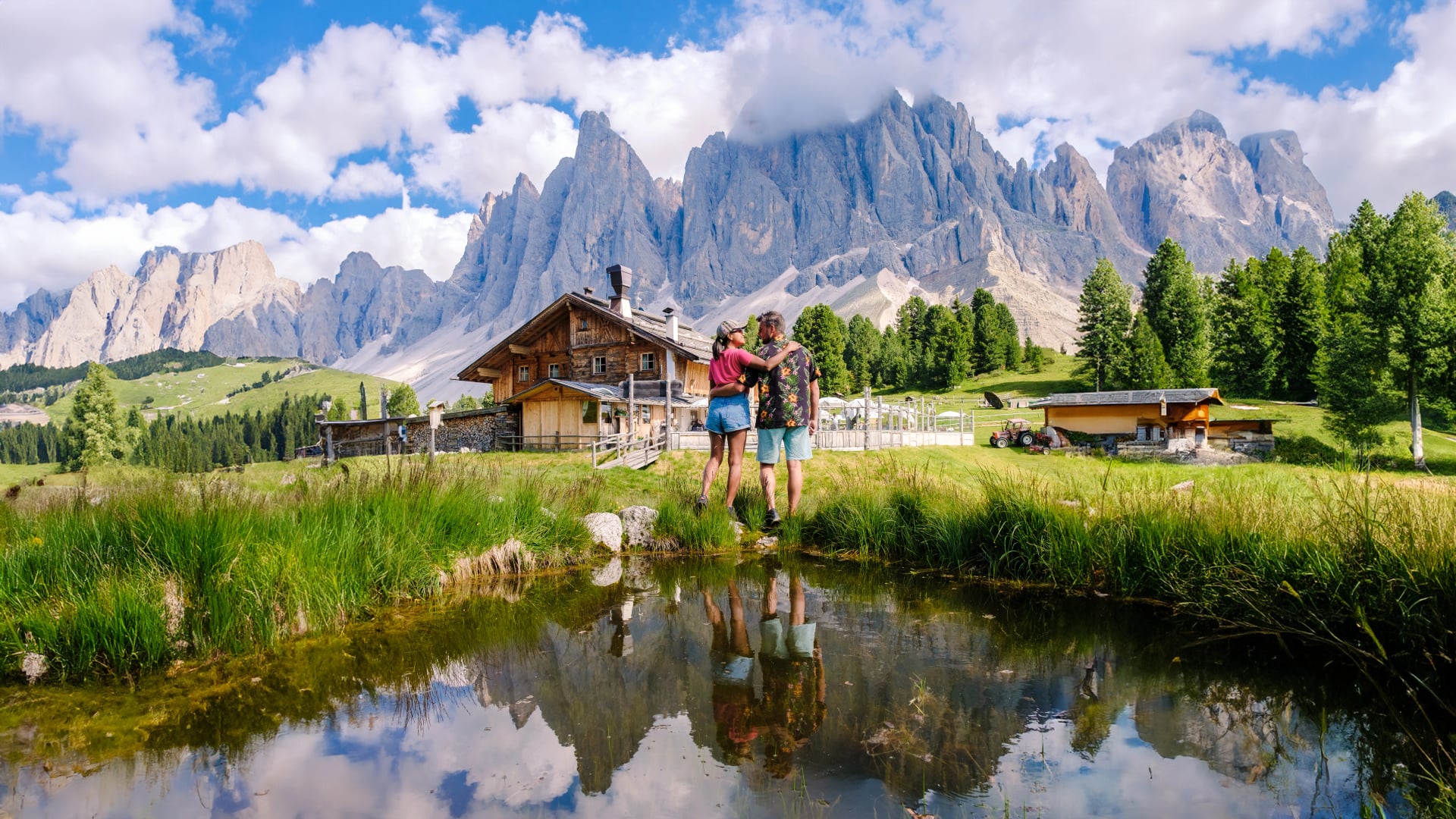
Every mountain rifugio in the Dolomites is fully open, fully staffed, and operating at peak capacity throughout August. This is the busiest month for rifugio bookings — popular huts on Alta Via 1 (particularly Fanes, Lagazuoi, Nuvolau, and Città di Fiume) regularly sell out 6–8 weeks in advance, and weekend nights fill even earlier. Late booking in August often means unavailable beds or forced itinerary changes.
For complete details on rifugio seasons and booking, see our complete rifugios guide.
Trail Accessibility Breakdown
Fully Accessible (All August)
Every hiking trail at every elevation is snow-free — August is the most reliably clear month
Complete Alta Via 1, Alta Via 2, and all variant routes fully accessible
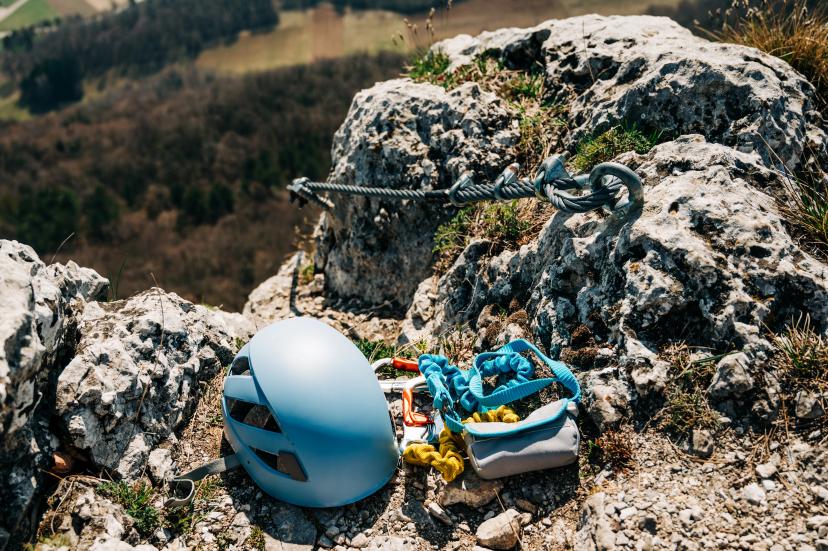
All via ferrata routes in peak condition — dry rock, warm metal, maximum grip
All cable cars, chairlifts, and mountain transport running full summer schedules
Valley trails, plateau routes, and every rifugio approach fully operational
Perfect Condition
Trails are at their driest — dust on popular sections, loose gravel on descents, but no mud, ice, or snow anywhere at hiking elevation
Rock surfaces hold maximum friction for via ferrata sections
Stream crossings are at their lowest and easiest levels of the year as snowmelt is exhausted
Trail markings fully visible with no weather-related obscuring
Worth Knowing
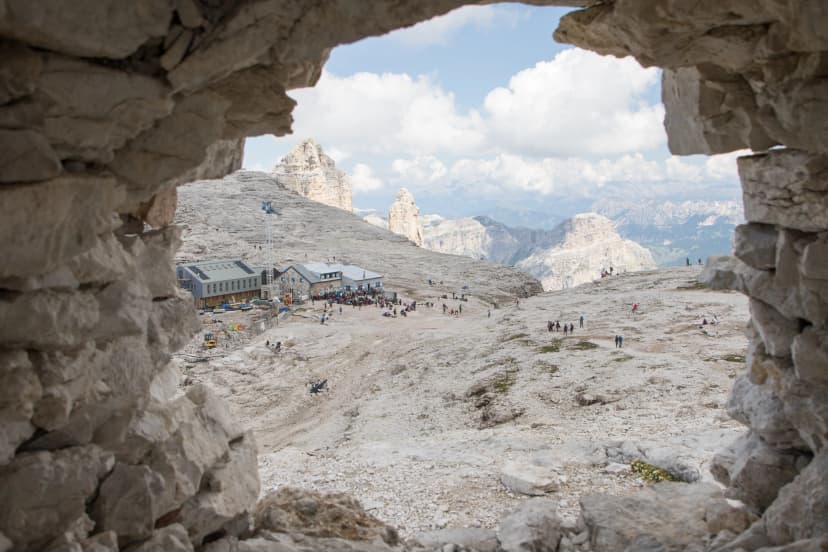
Trail traffic reaches its annual peak — the most popular sections of Alta Via 1 between Lago di Braies and Cortina see hundreds of hikers per day on weekends. Less-trafficked routes (Alta Via 1 South, Pale di San Martino, Adamello-Brenta) offer the same quality with a fraction of the people
Afternoon thunderstorms still occur, though less frequently than July — the early-start pattern remains smart practice
Water sources begin thinning at lower elevations as the season dries out — carry 1.5–2 litres on stages with long gaps between springs
Rifugio dormitories are at maximum capacity most nights — earplugs, a sleeping liner, and patience with communal living are essential
Heat on exposed south-facing trails can be significant between 11 AM–3 PM — sun protection and hydration matter more in August than any other month
Snow Conditions
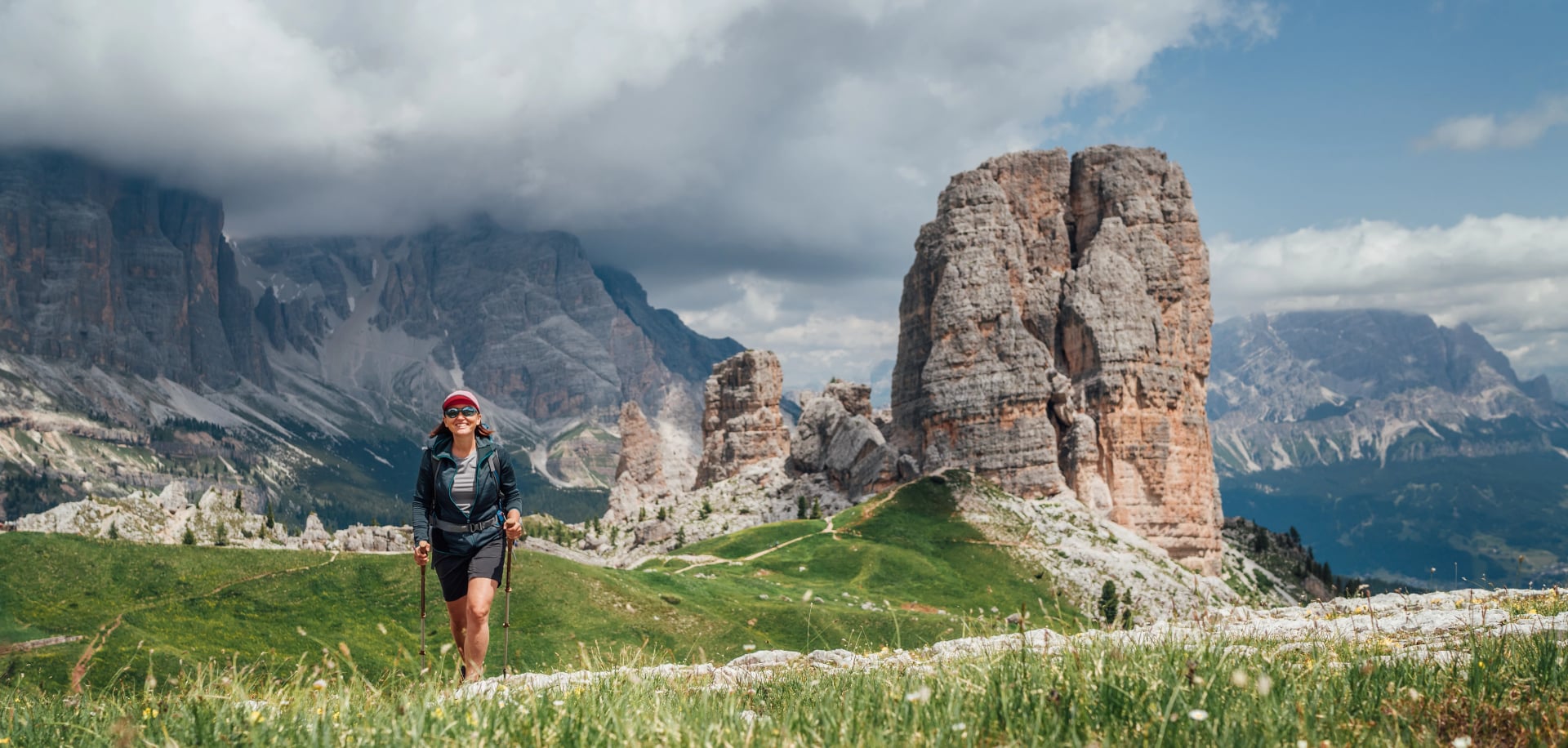
Entirely absent at all trail elevations. Snow exists only on the Marmolada glacier and is not encountered on any standard hiking route.
Bottom Line
August offers the best weather certainty in the Dolomites — if you've booked ahead and chosen your route wisely, you'll have near-perfect conditions for the entire trip. The challenge isn't the mountain — it's the logistics. Plan early, consider less-obvious routes, and the busiest month becomes one of the best.
How to get to the trails?
We have made a detailed instruction on arriving to the Dolomite hiking trails.
Best Tours
Every tour in the portfolio runs in August. The smartest August strategy is either booking the classics well ahead or choosing routes that avoid peak-traffic corridors while delivering equal scenery. These three options cover both approaches:
1. Alta Via 1 Self-Guided Hike
The definitive Dolomites traverse — 10 days, Lago di Braies to Belluno, 120 kilometres through the heart of the range. August is the month when having your rifugios pre-booked matters most: on a self-guided tour, every bed is reserved before you arrive, eliminating the single biggest source of August stress. You hike; we handle the logistics.
The warmest, most stable weather of the year means stage planning is at its most flexible — you're less likely to lose a day to storms than in any other month. The trade-off is company: Alta Via 1 in August is at its busiest, particularly the northern stages. The southern half (Cinque Torri onward) is noticeably quieter even in peak season.
Duration: 10 days
Technical: 3/5
Fitness: 3/5
Why it works in August: Most stable weather, all rifugios at full service, pre-booked beds eliminate availability stress. Book 6–8 weeks ahead minimum.
Highlights to see:
2. Dolomites Classic: Seiser Alm & Rosengarten
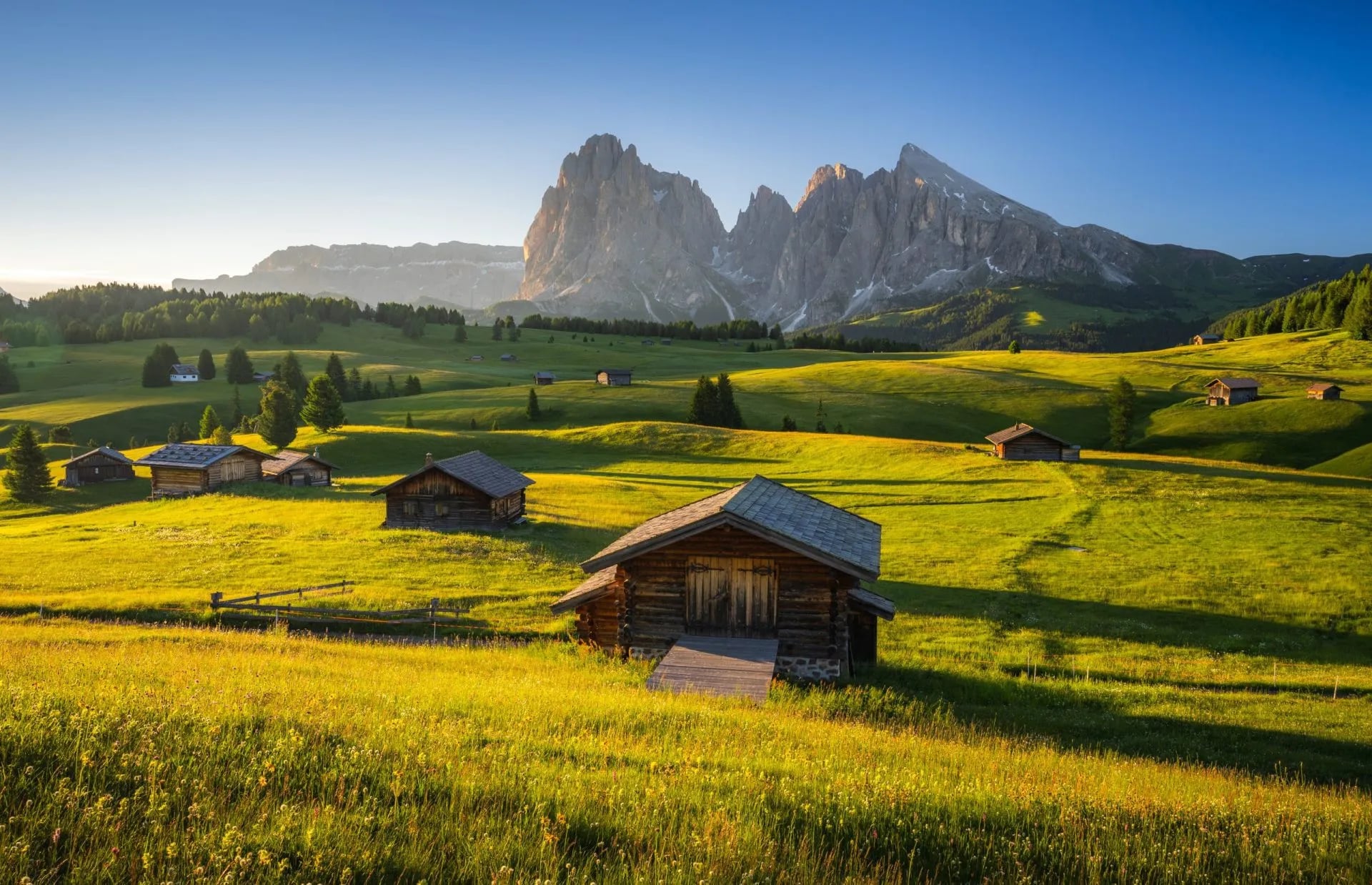
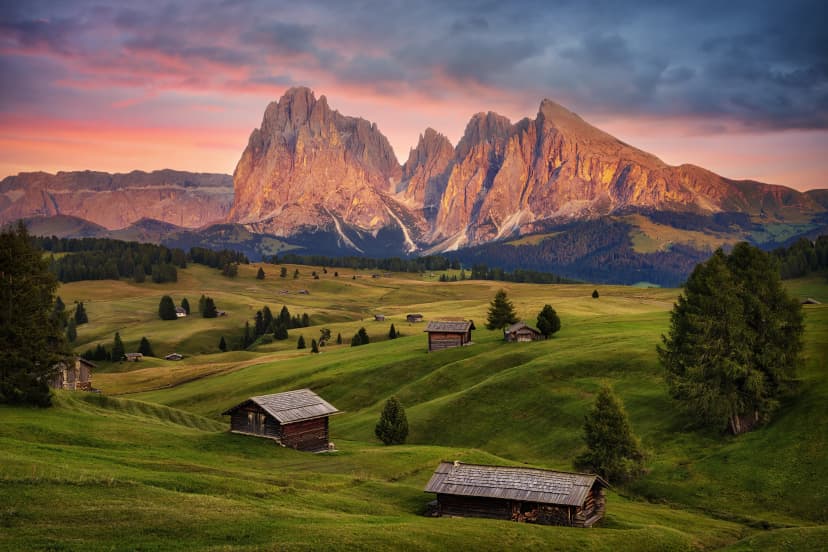
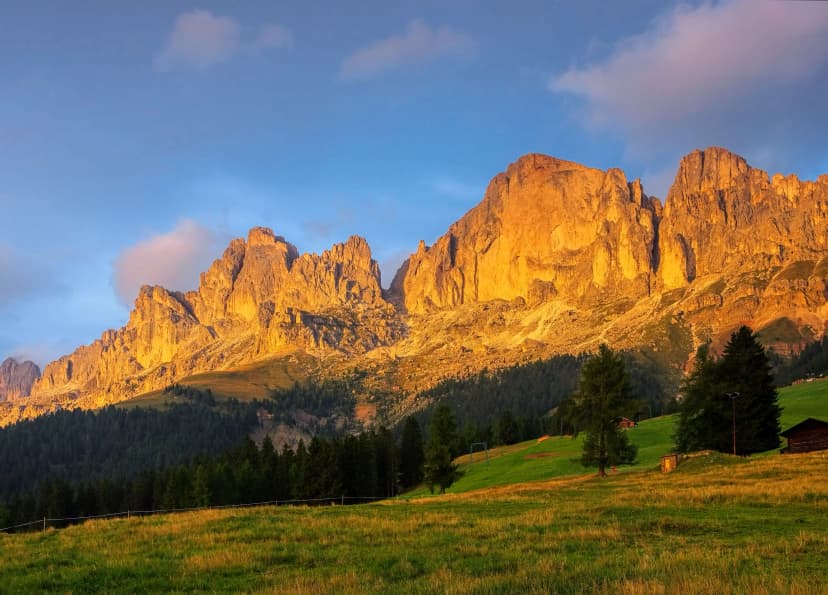
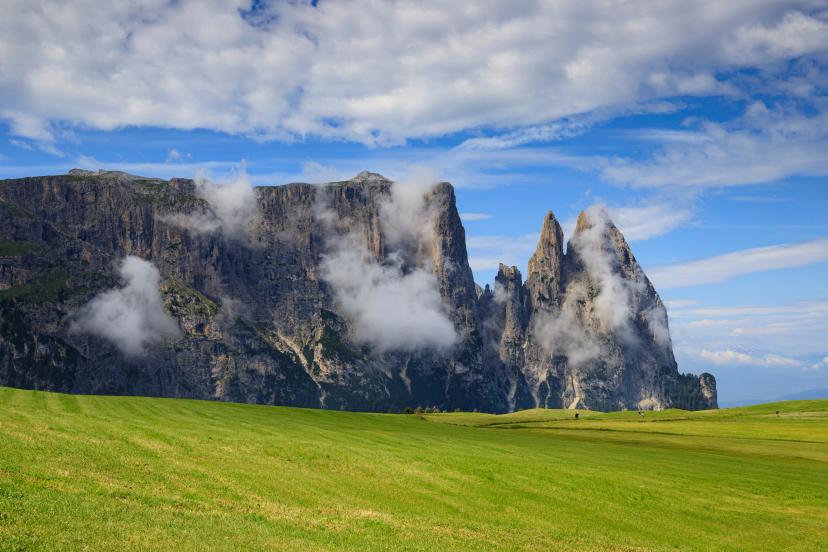
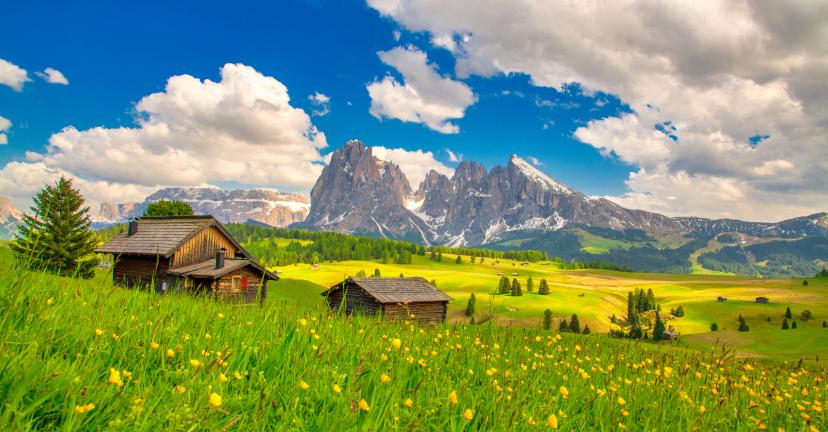
A smarter August choice for hikers who want spectacular Dolomites scenery without fighting for space on Alta Via 1. The Seiser Alm plateau and Rosengarten massif deliver the same calibre of mountain landscape — vast meadows beneath iconic towers, the famous Enrosadira sunset glow on the rock — through a route that sees a fraction of Alta Via's traffic.
Daily stages of 4–6 hours combine gentle plateau walking with more dramatic sections around the Rosengarten and Schlern. You'll stay in traditional mountain inns and guesthouses with South Tyrolean cuisine — half-board with regional wine, not dormitory bunks and packed dining halls. In August, that difference in comfort is worth more than usual.
Duration: 7 days
Technical: 2/5
Fitness: 2/5
Why it works in August: Less crowded than Alta Via routes, inn-based comfort beats dormitory heat in the warmest month, Enrosadira sunsets are vivid in August's clear evening air, family-friendly difficulty
Highlights on the way:
3. Pale di San Martino Traverse
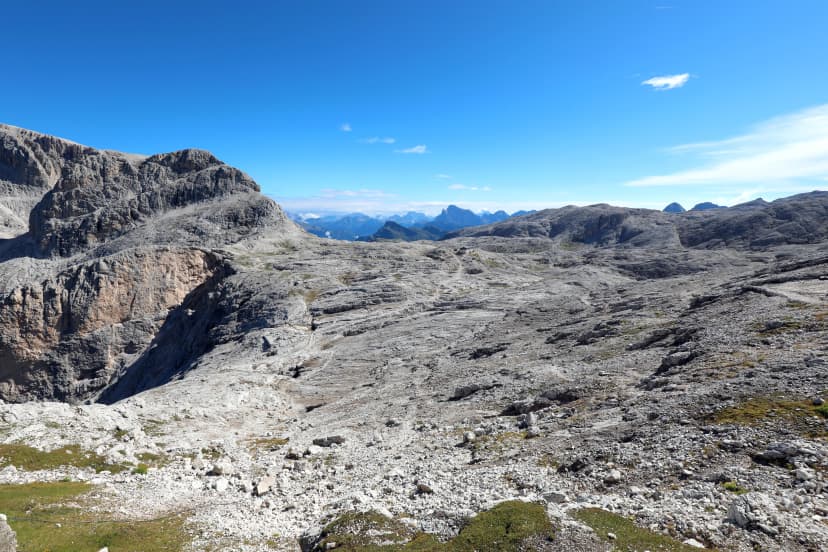
The Dolomites' best-kept secret for August — a traverse through the largest massif in the range, covering terrain as dramatic as anything on Alta Via 1 but with a fraction of the foot traffic. The Pale di San Martino plateau is a vast, lunar-like expanse of pale rock at high altitude, surrounded by towers and buttresses that rival the northern Dolomites in scale.
This route crosses the most visually otherworldly landscape in the range — the high plateau feels closer to Patagonia than the Alps, and the surrounding peaks (Cimon della Pala, Cima della Vezzana) are among the most striking in the Dolomites. August is ideal: the high-altitude plateau terrain benefits from warm temperatures and dry conditions, and you'll share it with remarkably few people.
Duration: 5 days
Technical: 3/5
Fitness: 3/5
Why it works in August: Dramatically less crowded than northern Dolomites routes, warm temperatures suit the high exposed plateau, all rifugios operational, a genuine alternative for hikers who've done Alta Via 1 or want something different
Highlights you can experience:
Important note: August is the month where pre-booked accommodation makes or breaks the trip. On all our self-guided tours, every rifugio and guesthouse is reserved before your departure — you arrive each evening knowing your bed is waiting. In August, hikers without bookings regularly find themselves turned away from full rifugios with hours of additional hiking to reach an alternative.
How to Beat the August Crowds?
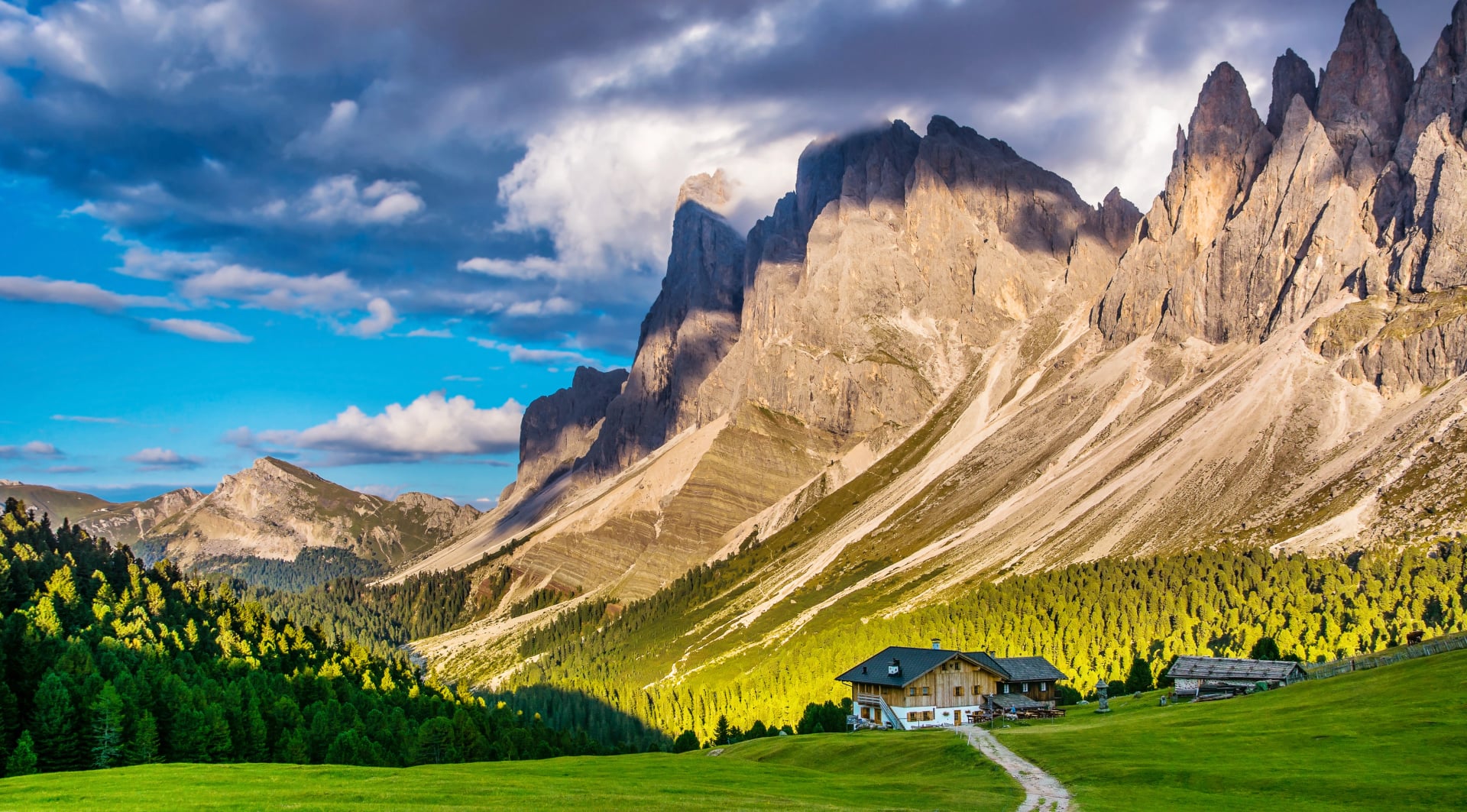
August doesn't have to feel crowded if you plan intelligently. Here are the strategies that work:
1. Choose Your Route Wisely
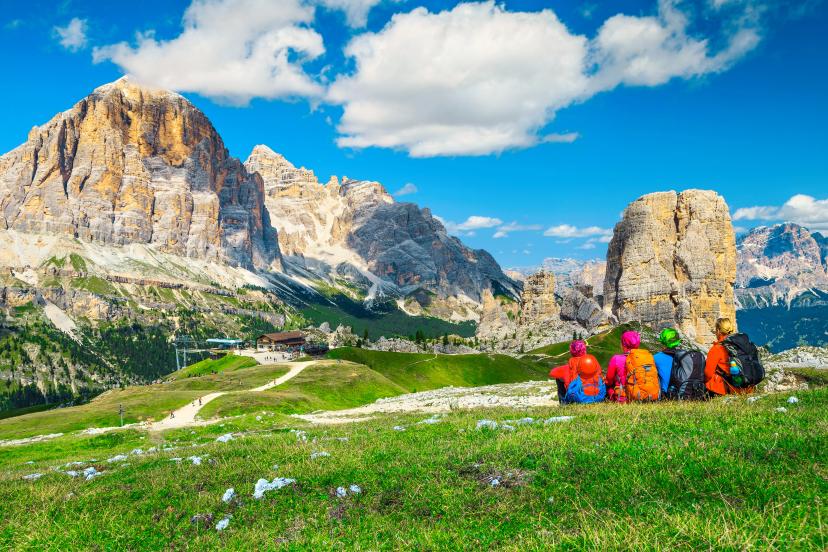
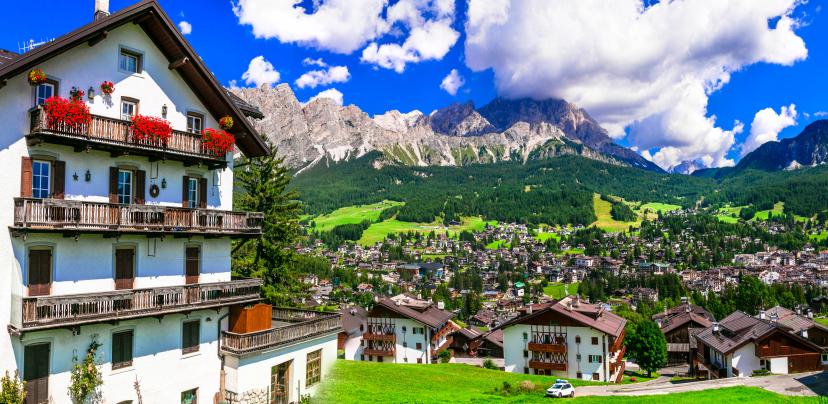
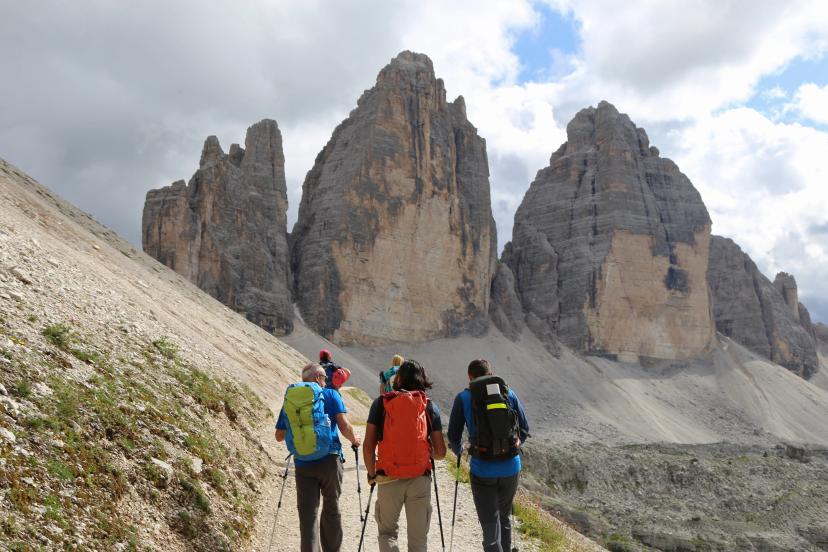
The overwhelming majority of August traffic concentrates on Alta Via 1's northern half (Lago di Braies to Cortina) and the day-hike circuits around Tre Cime di Lavaredo and Seceda. Move south of Cortina on Alta Via 1, or choose routes like the Pale di San Martino, Adamello-Brenta, or the Seiser Alm circuit, and the crowds drop dramatically — the scenery doesn't.
2. Start Early
Not just for storms — for solitude. Most hikers leave rifugios between 8–9 AM. Departing at 6:30–7:00 AM puts you 60–90 minutes ahead of the main flow. High passes and ridgeline sections that feel like motorways at 11 AM are quiet and personal at 8 AM.
3. Hike Midweek
Italian and German domestic hikers join the trails on weekends, particularly Saturdays. Tuesday through Thursday are the quietest days on any route.
4. Consider the Southern Dolomites
The Pale di San Martino, Brenta group, and the stages south of Passo Duran on Alta Via 1 offer equivalent mountain drama with 60–70% fewer hikers than the famous northern sections.
What to Pack?
August is the lightest packing month — warm conditions, dry trails, and no snow at any elevation. But storm gear and sun protection remain mandatory.
Essential Clothing Layers
Lightweight insulating layer (thin fleece or wind jacket — primarily for early mornings and post-storm cooling; some evenings at rifugio altitude can be cool even in August)
Waterproof rain jacket and rain pants (still mandatory — afternoon storms are less frequent than July but can arrive hard and cold when they do)
Moisture-wicking base layers (synthetic preferred over merino in August — it dries faster in the heat)
Hiking shorts as default, with one pair of long pants (for early mornings, exposed ridgelines, and cooler stages)
Lightweight hat and thin gloves (for pass crossings only — most of the time these stay in your pack)
Sun hat with brim and neck protection (the most important hat you'll carry — August sun at altitude is relentless)
Footwear
Sturdy hiking boots with ankle support (trails are at their driest and loosest — gravel and dust on popular sections)
Lightweight sandals for rifugio evenings and stream crossings
No gaiters needed
Gear
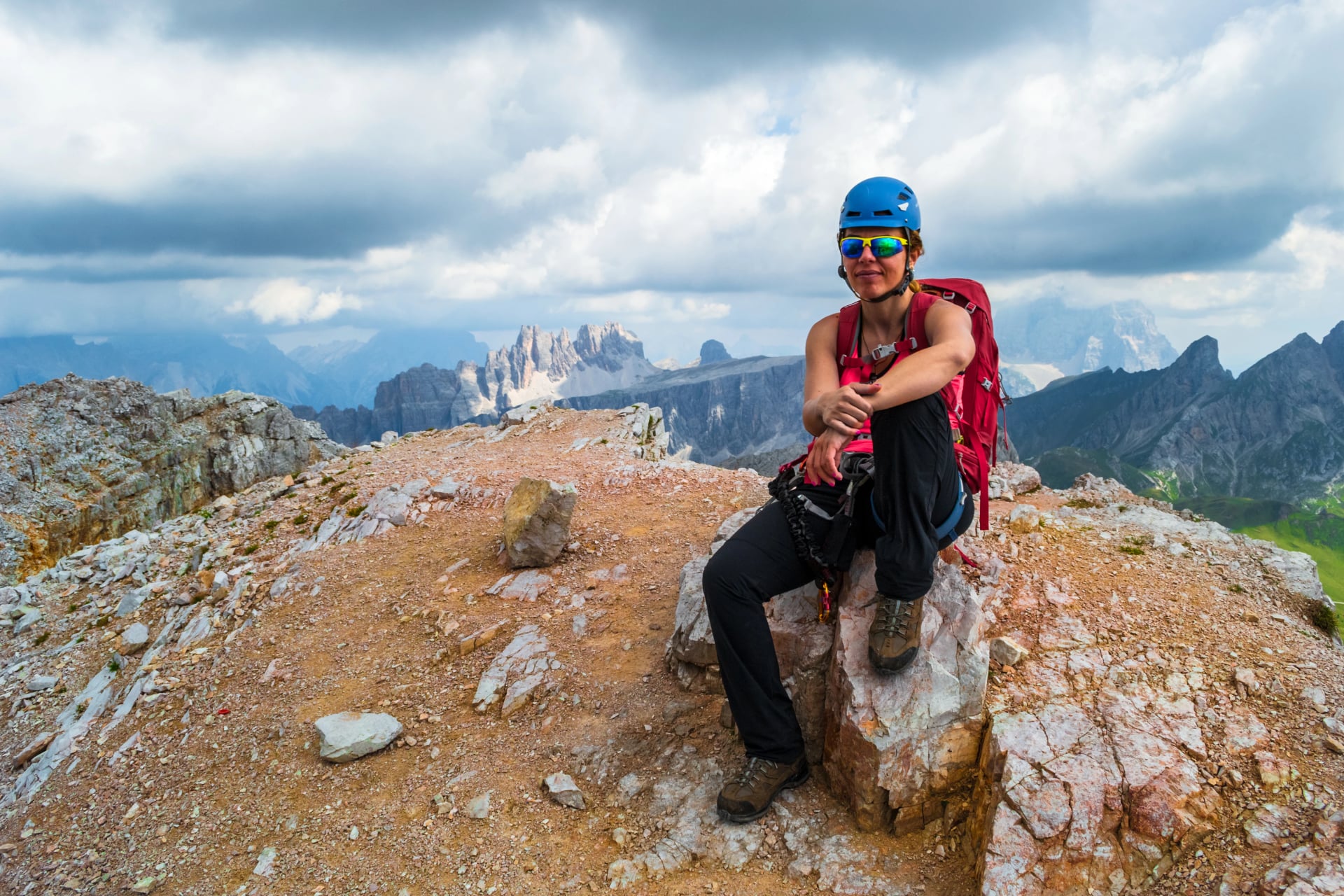
Sunglasses and high-SPF sunscreen (the single most critical gear items in August — UV at 2,500 m is 25–35% stronger than sea level, and 15 hours of potential sun exposure makes burns cumulative. Apply before breakfast, reapply at midday minimum)
Water capacity of 2 litres (August is the warmest and driest month — some mid-stage water sources that ran in June and July are dry. Carry more than you think you need)
Trekking poles (recommended for descents and scree sections)
Headlamp (useful for dormitory navigation at night and optional pre-dawn starts, though not critical for trail use in August's long daylight)
Earplugs and a sleeping liner (dormitories are full every night — shared sleeping in warm conditions is August's least glamorous reality)
Camera with extra batteries (evening thunderstorm formations over the peaks produce some of the most dramatic Dolomites photography of the year)
What to Leave Behind
Down jacket or heavy insulation (a lightweight fleece is all you need — August is warm even at altitude)
Heavy gloves, thick hat, neck gaiter (lightweight versions only)
Microspikes, gaiters, or any snow-related gear
Excessive water purification — most high-altitude springs in the Dolomites are safe; a small backup filter is sufficient
For complete packing guidance, including specific gear recommendations and packing strategies, see our ultimate guide for hiking in the Dolomites.
Should You Visit the Dolomites in August?
Visit the Dolomites in August if:
You want the most reliable weather of the year — the highest probability of multi-day sunshine
You enjoy a social trail atmosphere — full rifugios, communal meals, meeting hikers from across Europe
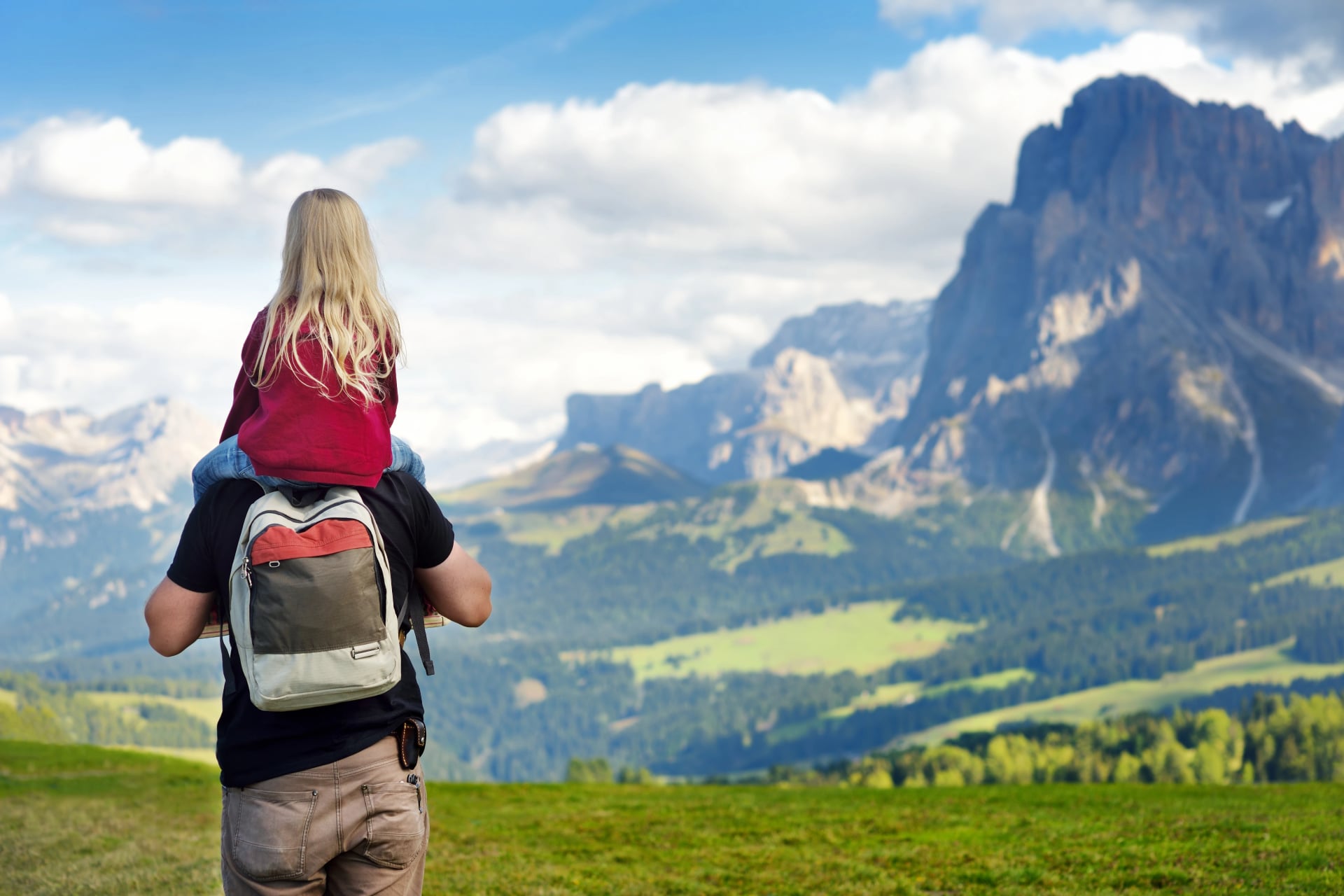
You're hiking with family or less experienced companions — the warm, stable conditions and full infrastructure make August the most forgiving month for newcomers
You've booked well in advance and don't need last-minute flexibility
You want maximum route options — every trail, every via ferrata, every rifugio is operational and at full service
You can start early and don't mind sharing popular stages with other hikers
Skip August if:
You strongly value quiet trails and solitude (September delivers this far better)
You're a spontaneous planner who hasn't booked rifugios yet (you'll face availability problems)
You're on a tight budget — August is the most expensive month for flights, accommodation, and everything else
You dislike heat on exposed trails (south-facing sections between 11 AM–3 PM can be genuinely hot)
You prefer cooler hiking temperatures and don't want to carry 2 litres of water every day
You want the best photography light (September and October's low-angle light and larch colour are superior)
Our recommendation:
August delivers the safest bet in the Dolomites — the weather is the most reliable, the infrastructure is at maximum capacity, and the conditions are forgiving enough for hikers of all levels. But it requires the most advance planning of any month.
The first half of August (1–15) is marginally less crowded than the second, when the Italian Ferragosto holiday (August 15) marks the absolute peak of the season. If you can travel early August, do. If you can choose any month, consider whether September's quieter trails and autumn light might suit you better — but if August is your window, commit to it and book early. The Dolomites in August are magnificent.
For comprehensive guidance on timing your trip and comparing all months side by side, see our complete list of guides on each month of the season: May, June, July, September and October.
Real-Time Weather Forecasts
For checking real-time conditions during your trip, Meteotrentino provides the most accurate Dolomites-specific mountain forecasts. For broader Alpine weather context — useful when deciding whether a system moving across the Alps will affect your route - Bergfex offers free mountain weather across the entire Alpine arc with elevation-specific data for individual peaks and valleys.
Make The Most of the Busiest Month!
August in the Dolomites is not the month for improvisation — it's the month for preparation. Book your rifugios early, choose your route with crowd awareness, start every morning before the masses, and you'll experience the best weather the Dolomites offer in a season that never runs out of daylight. The mountains don't get less beautiful because other people are there. They get more alive.
Ready to start planning? Browse our full selection of Dolomites hiking tours or send us an inquiry with your preferred dates and we'll come back to you within a few hours.

About this author
Ajda is our travel advisor, raised in a village surrounded by mountain peaks. Hiking entered her life early on and remains her favorite way to reconnect with nature.