Dolomites in July: Peak Season Hiking, Weather & What to Expect
All trails open, all rifugios staffed, long daylight hours — July is when the Dolomites are fully operational, and knowing what to expect is key to enjoying it.

Ajda
Published April 17, 2026
Edited April 20, 2026
11 min read
Quick links
Don't want to read all this?
We've planned 2,000+ hiking trips. Send your dates, fitness and group size — we'll map the route and book every night.



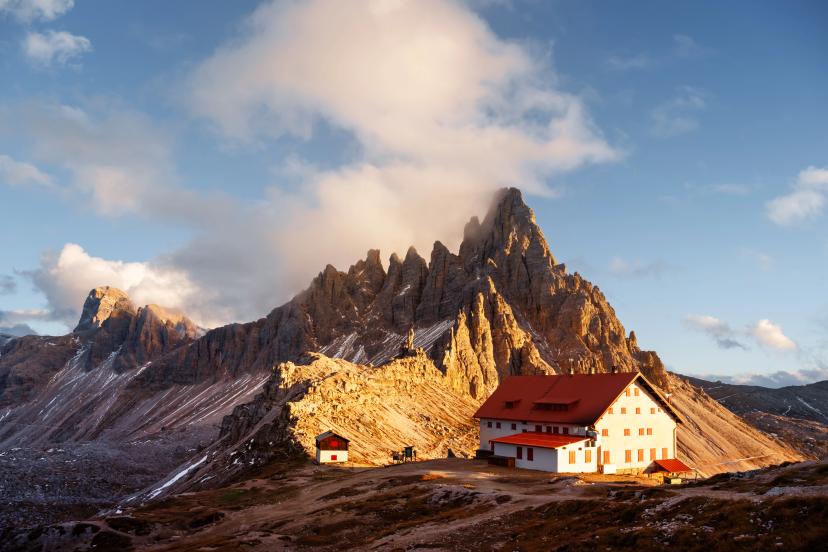
July in the Dolomites is the month everything opens up. Every trail is snow-free, every rifugio is staffed and serving, and the longest days of the year give you 15+ hours of daylight to work with. The meadows are green and full of wildflowers, the rock towers glow warm in the evening light, and the social atmosphere at altitude — communal dinners, shared terraces, trail conversations — is at its most vibrant.
If you're thinking about hiking the Dolomites in July, here's what you need to know: the conditions are excellent, but afternoon thunderstorms are routine, not exceptional, and the trails get noticeably busier from mid-month onward as European school holidays begin. Plan your stages to be over the highest point before early afternoon, book rifugios well in advance, and you'll experience the Dolomites at full power.
Temperature ranges: Valleys (1,200–1,500 m) reach 20–28°C by day, with warm nights around 10–15°C. Above 2,000 m expect 12–18°C daytime, dropping to 4–8°C overnight at rifugio altitude. The warmest month, though altitude keeps conditions manageable.
Weather patterns: July follows a reliable daily rhythm: clear mornings, cloud buildup from late morning, afternoon thunderstorms between 2–5 PM on most days. These can be intense — lightning, hail, temperature drops of 10–15°C in 30 minutes — but they're predictable. The strategy is universal: start early, cross the highest point by 1 PM, reach the rifugio by mid-afternoon.
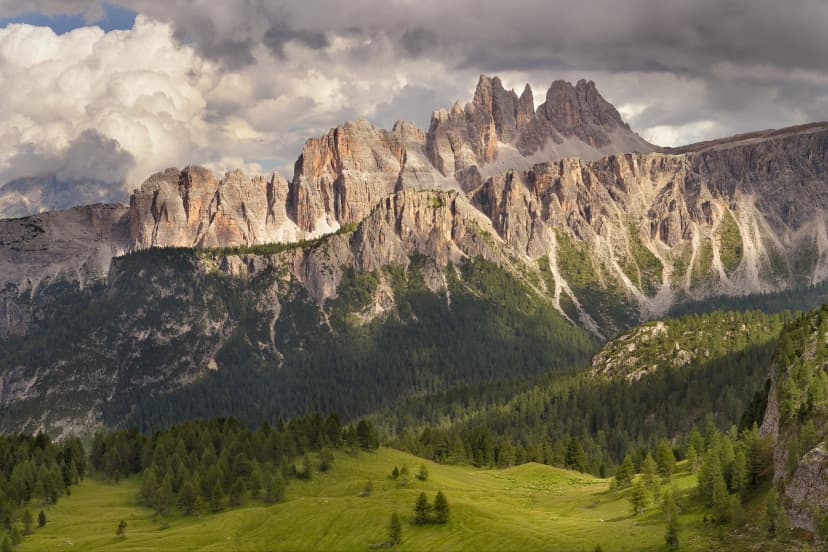
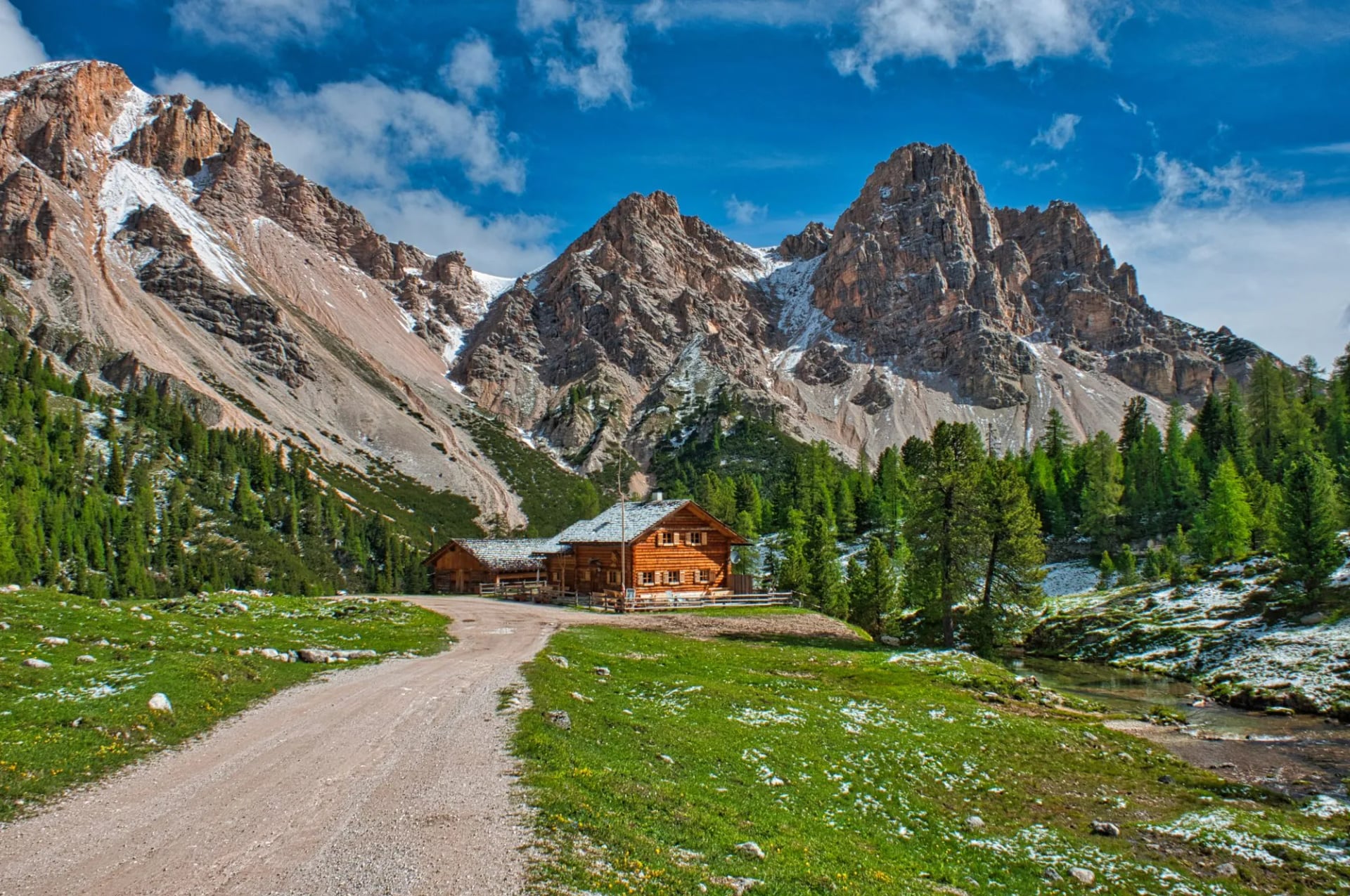
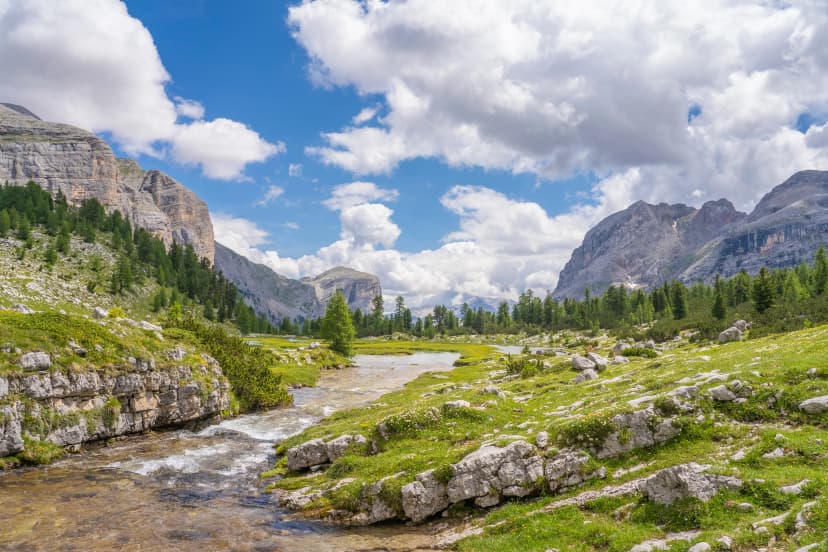
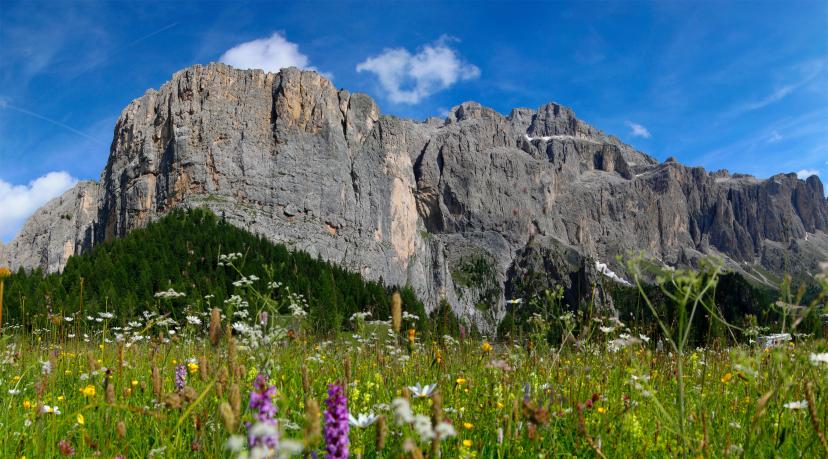
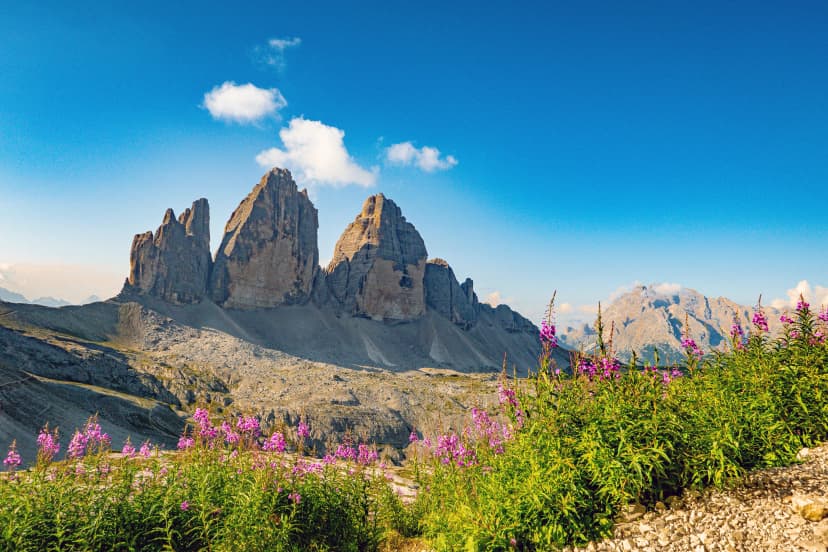
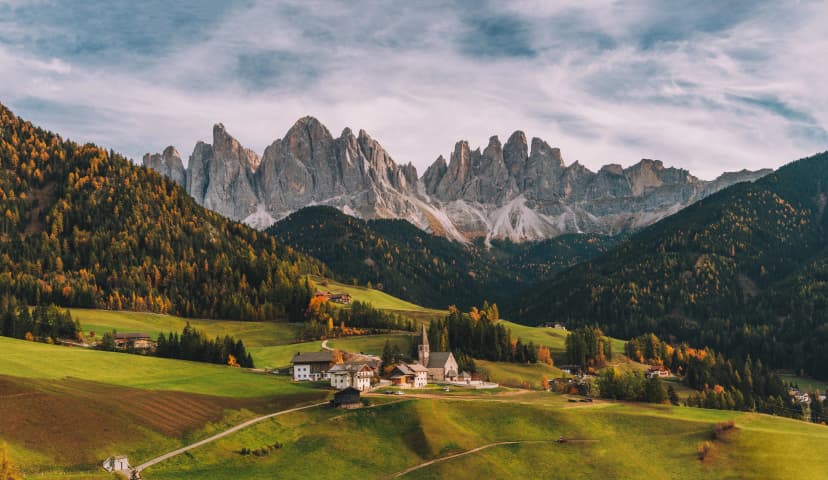
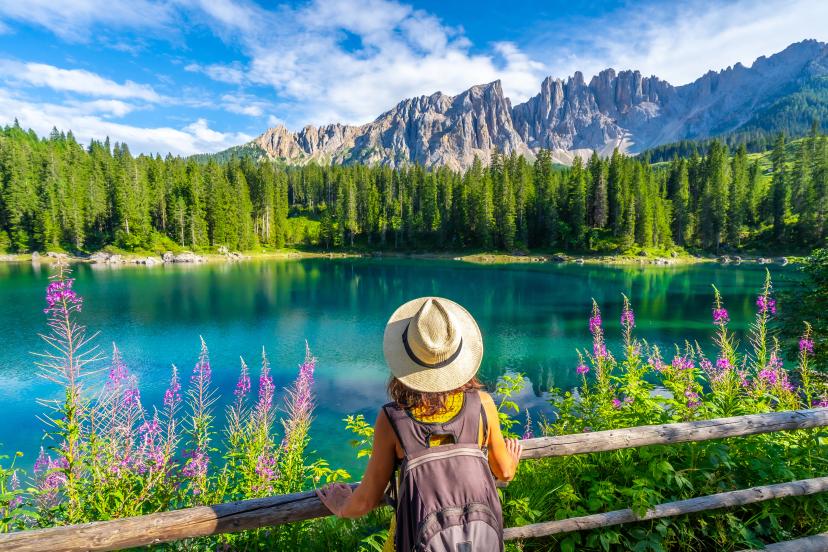
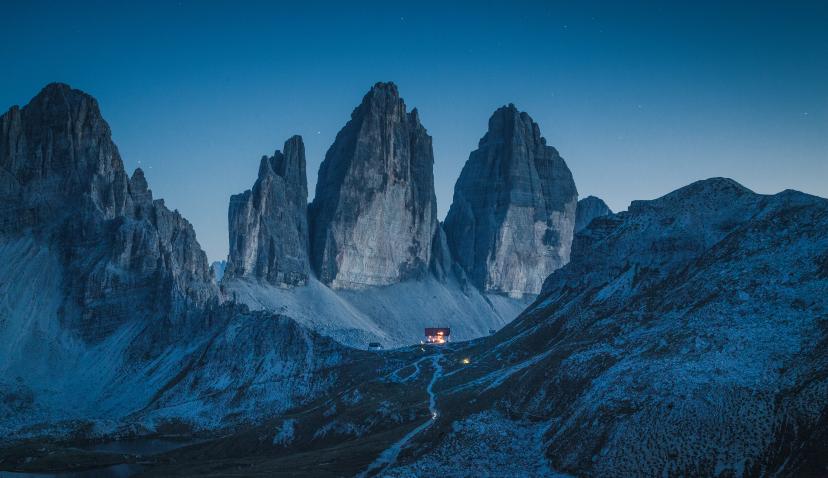
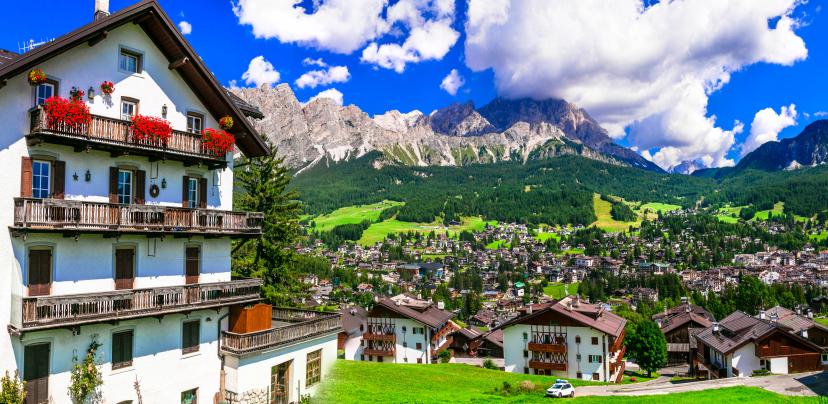
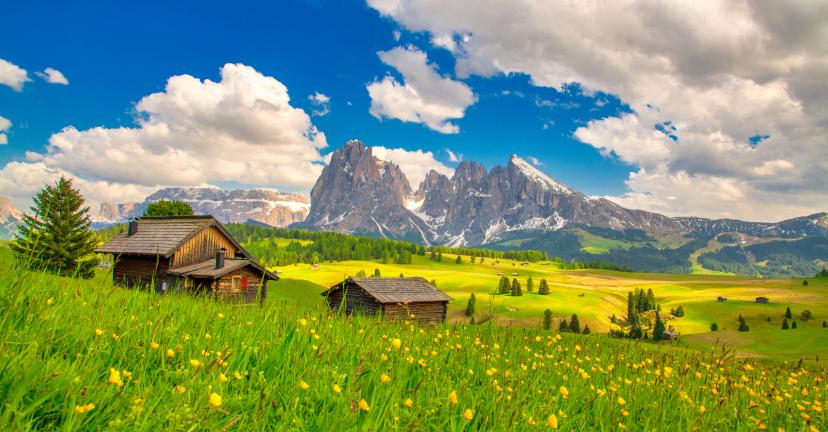
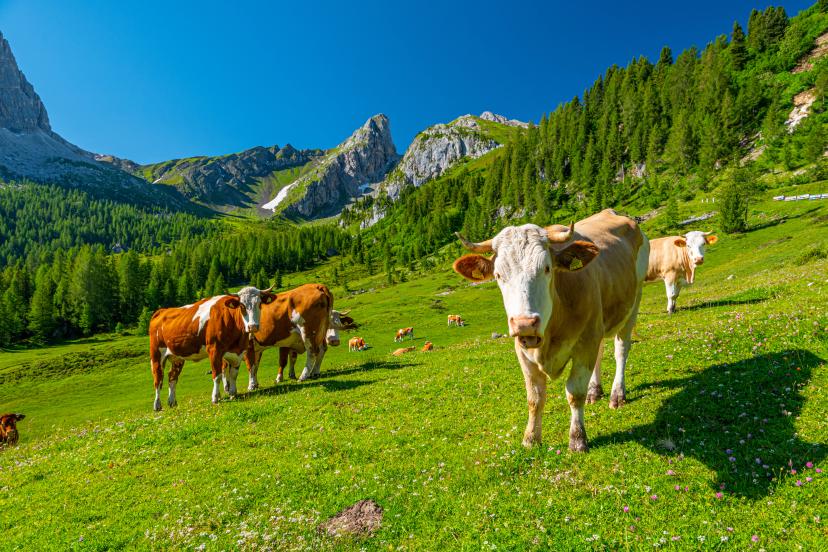
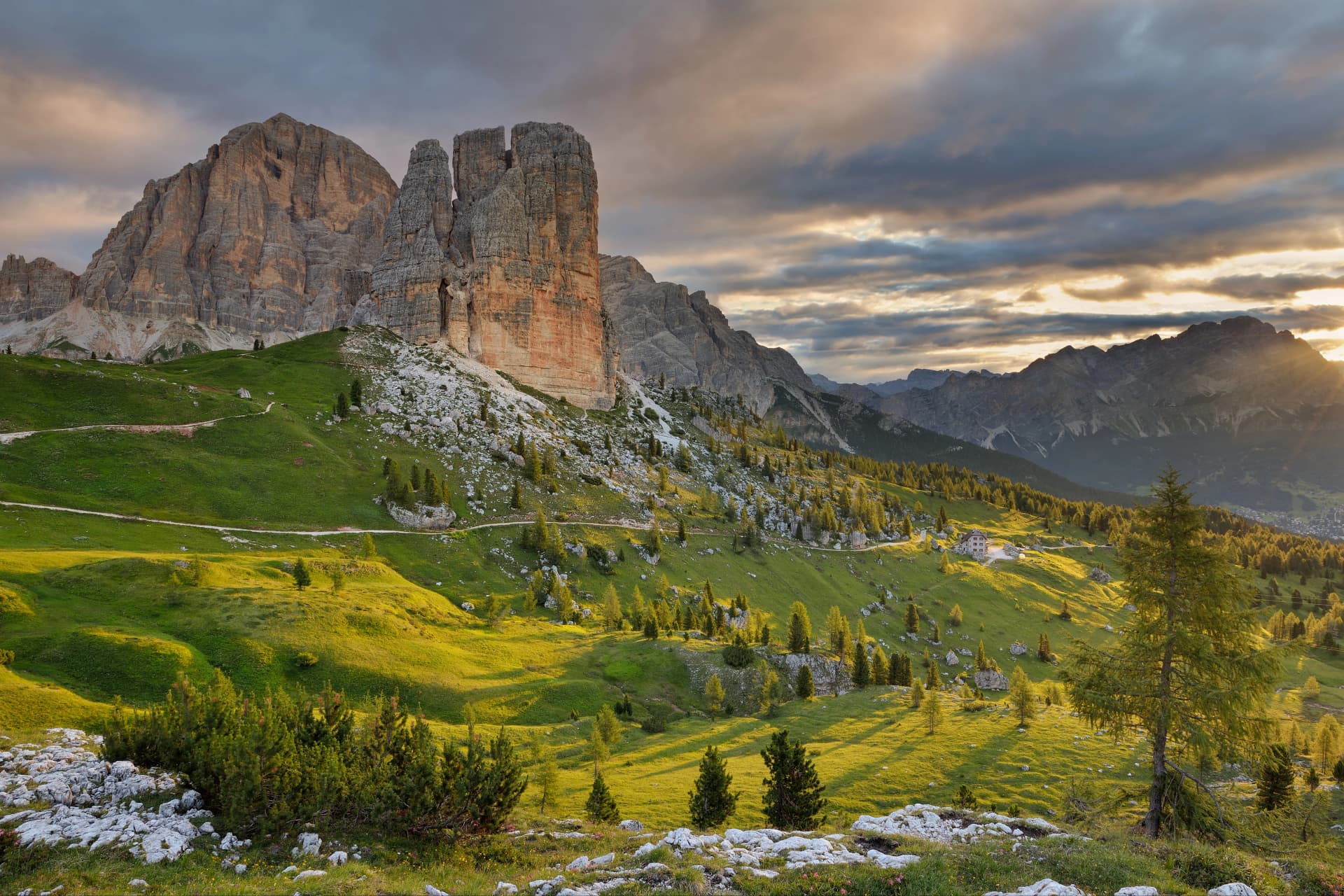
What you'll see: Alpine wildflowers at peak abundance — gentians, alpine roses, edelweiss, arnica carpeting meadows and slopes. Green meadow, pale dolomite rock, and blue sky define the classic Dolomites postcard. Waterfalls run strong from residual snowmelt early in the month.
Daylight hours: The longest days of the year — over 15 hours, with first light before 5:30 AM and sunset past 9:00 PM. Long stages, extended photography windows, and time for via ferrata detours without rushing.
The reality: July is full summer at full capacity — excellent conditions, all infrastructure operational, but trails busy from mid-month onward as European school holidays begin. The afternoon storm pattern is the single most important factor in daily planning.
Where to Stay?
Rifugio Status
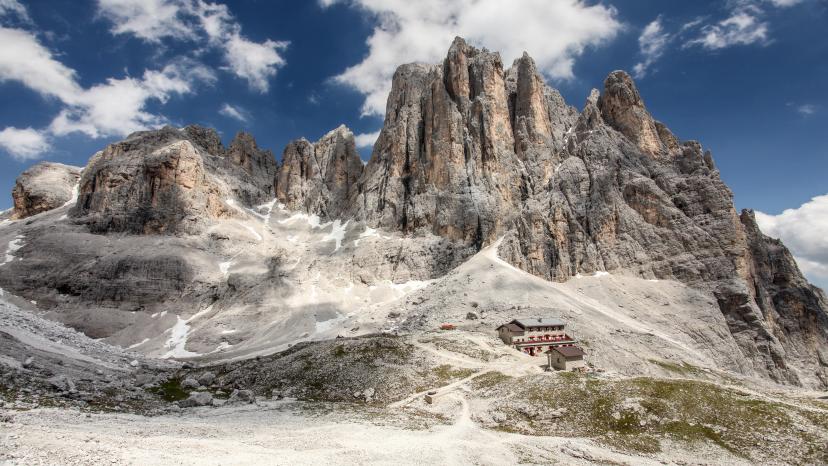
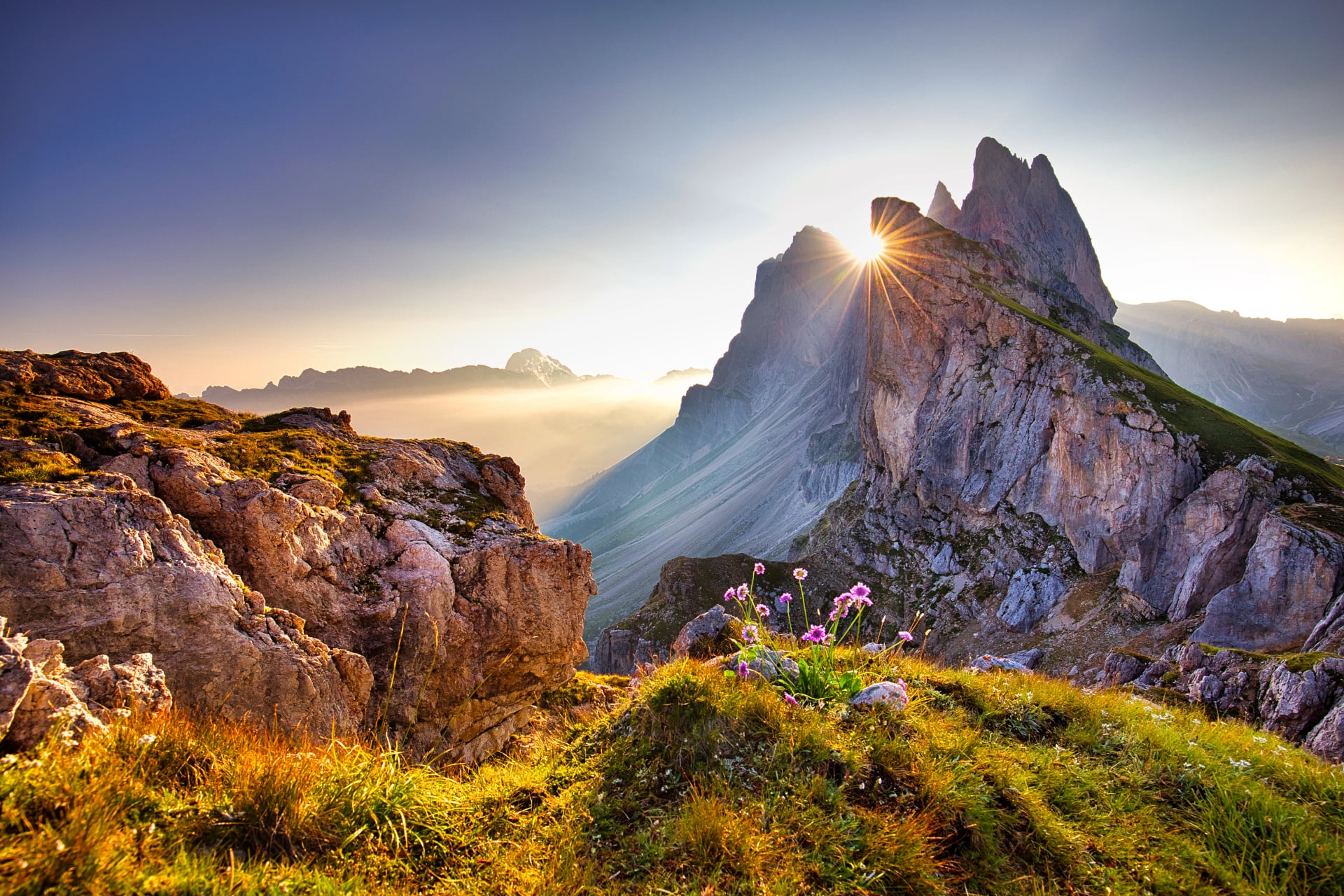
All mountain rifugios across the Dolomites are fully open and staffed throughout July. Dinner and breakfast service, bar, dormitory beds, and some private rooms — the complete rifugio experience. This is peak booking season: popular rifugios on Alta Via 1 and around Cortina should be booked 2–6 weeks in advance, particularly for weekends and the second half of the month when European holiday traffic peaks.
For complete details on rifugio seasons and booking, see our complete rifugios guide.
Trail Accessibility Breakdown
Fully Accessible (All July)
Every standard hiking trail at every elevation is snow-free from the first days of July
Complete Alta Via 1 and Alta Via 2 routes fully accessible
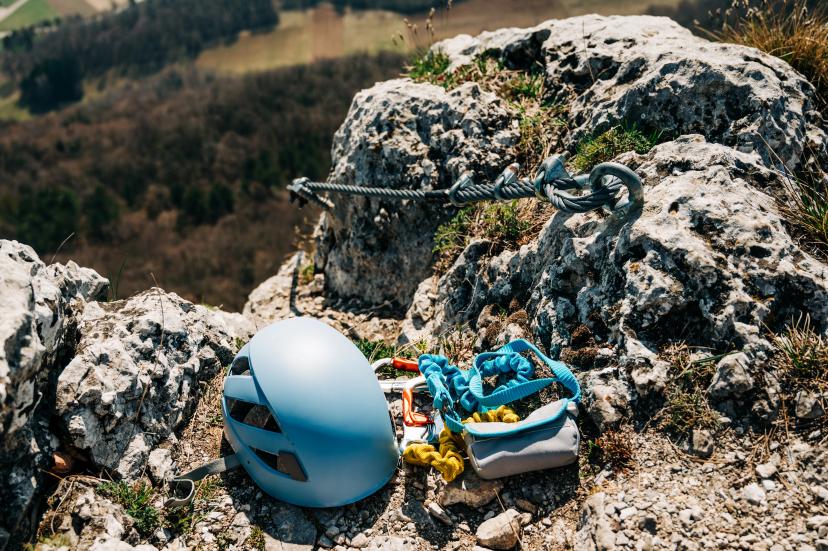
All via ferrata routes dry and operational — cables, ladders, and metal rungs in summer condition
All cable cars, chairlifts, and mountain transport running full summer schedules
Valley trails, plateau routes, and every rifugio approach fully clear
Peak Condition (Mid–Late July)
Any residual snow patches from late June are gone — even north-facing high passes above 2,800 m are clear
Rock surfaces are dry, making via ferrata sections at their safest
Stream crossings are manageable — snowmelt has tapered from June's peak flow
Trail markings fully visible with no snow obscuring waypoints
Worth Knowing
Afternoon thunderstorms are the defining weather feature — not a risk to manage occasionally, but a daily pattern to build your schedule around
Trail traffic increases sharply from mid-July when Italian, German, and Austrian school holidays begin. Popular sections of Alta Via 1 (Lago di Braies to Lagazuoi) see the highest hiker density of the year
Rifugio dormitories are full on many nights — earplugs are not optional if you value sleep. Late arrivals may find preferred sleeping spots taken
Water sources are reliable — streams and springs run throughout the range, though carrying 1–2 litres is standard practice between sources
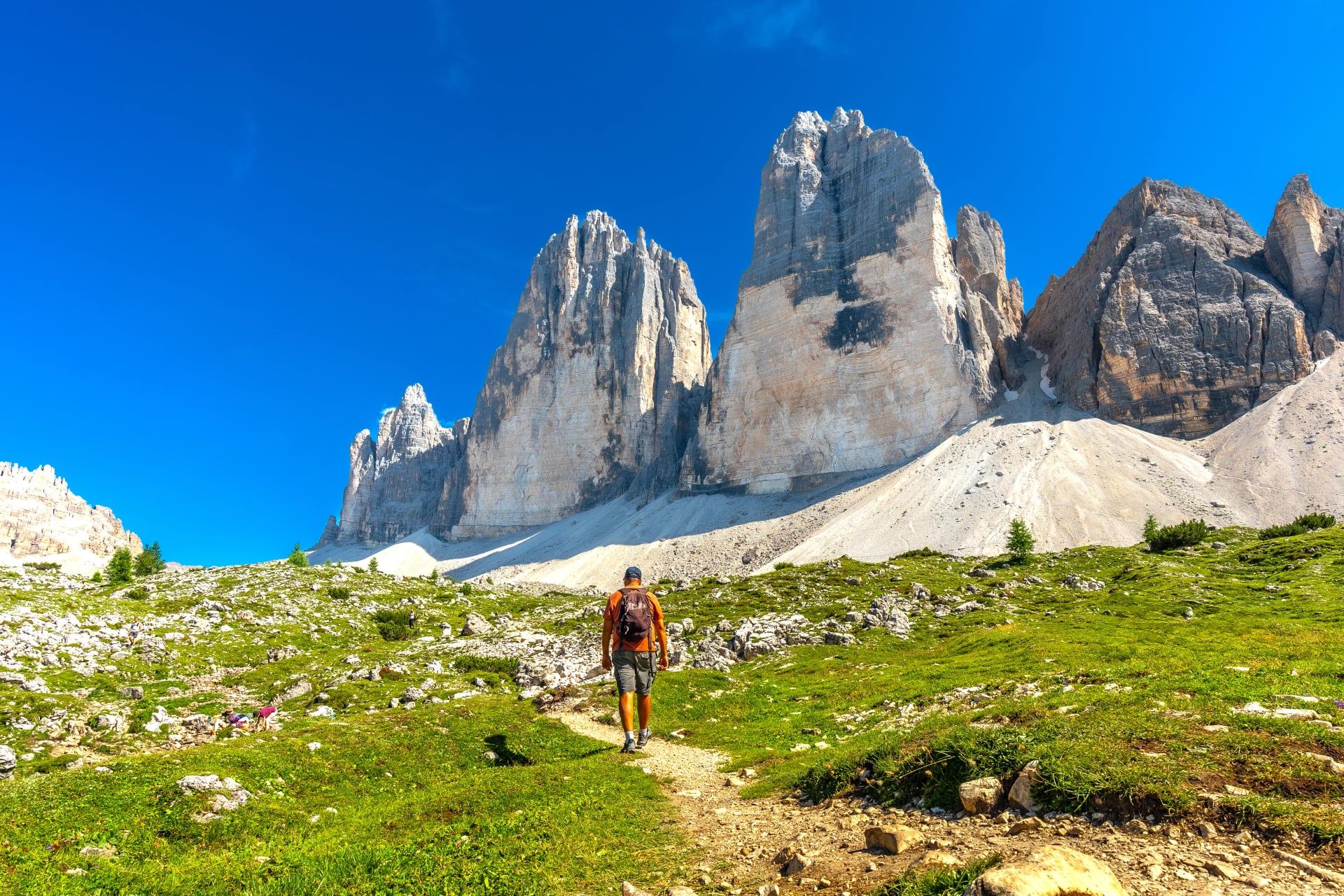
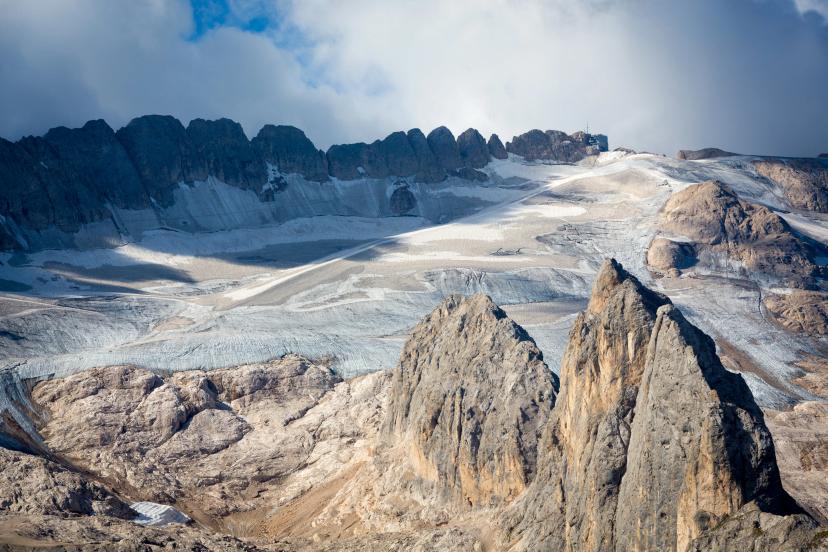
Snow conditions: None at trail level. July is entirely snow-free on all standard hiking routes. Snow exists only on permanent glaciers (Marmolada) and is not encountered on normal hiking trails.
Bottom line: July delivers the Dolomites in full summer mode — everything open, everything accessible, everything alive. The trade-off is crowds and afternoon storms, both of which are manageable with early starts and advance booking. Early July (1–15) is slightly quieter than the second half; if you have flexibility, the first two weeks offer the same conditions with fewer people.
How to get to the trails? We have made a detailed instruction on arriving to the Dolomite hiking trails.
Best Tours
July opens the complete Dolomites portfolio — every tour runs, every route is accessible, and the full spectrum from gentle plateau hikes to technical via ferrata traverses is available. These three options showcase the range:
1. Alta Via 1 Self-Guided Hike
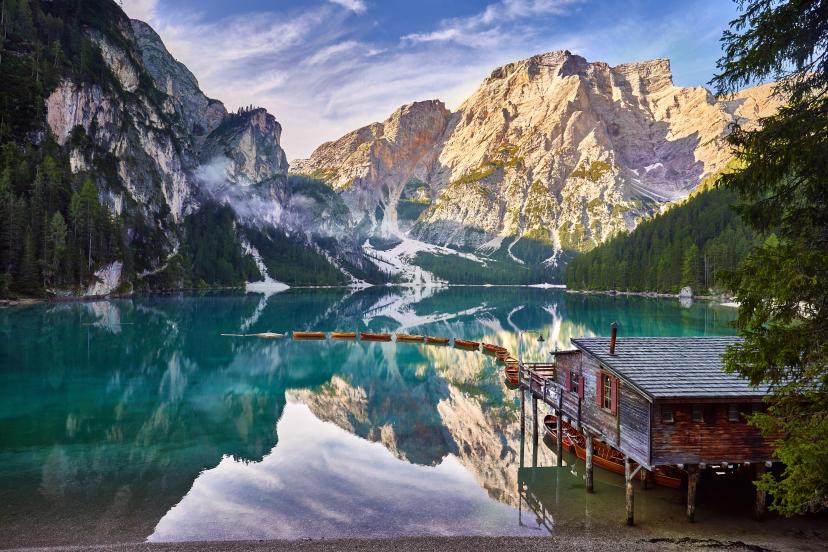
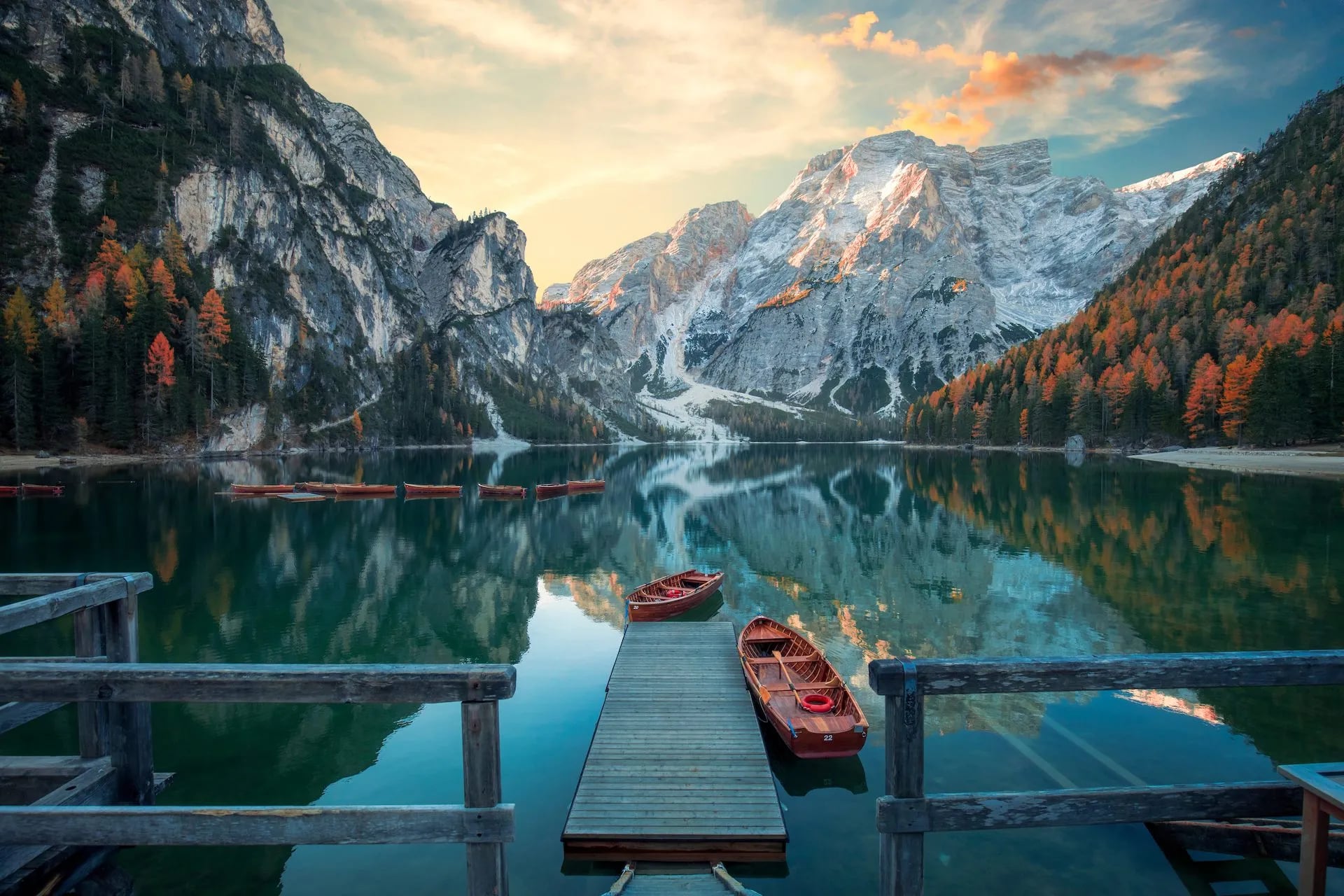
The complete north-to-south traverse of Alta Via 1 from Lago di Braies to Belluno — the route that defines Dolomites multi-day hiking. July gives you the longest days of the year to tackle it, with all rifugios fully operational and trails in perfect condition. The trade-off is popularity: Alta Via 1 in July is the busiest version of the trail, particularly the northern stages around Fanes and Lagazuoi.
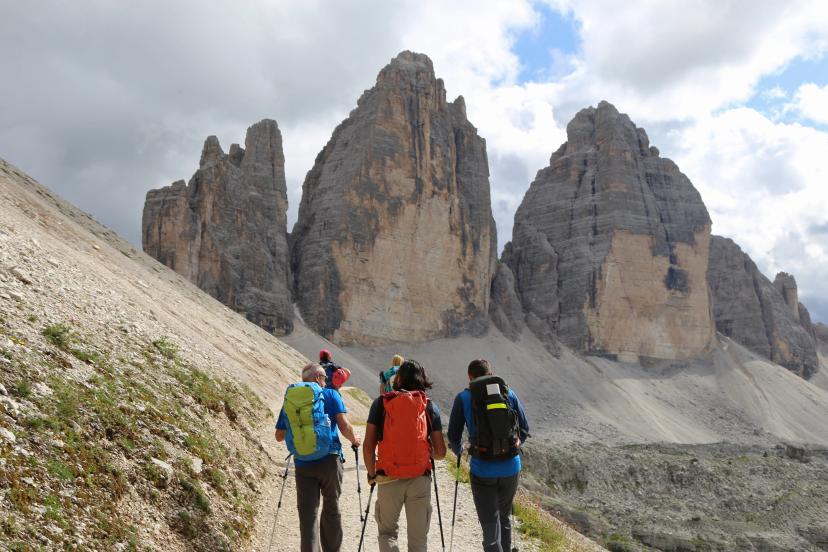
Running approximately 120 kilometres through the heart of the Dolomites, the route passes beneath the range's most famous peaks — Lagazuoi, Nuvolau, Civetta, and Pelmo. Daily stages range from 5–7 hours of hiking, and you'll stay in mountain rifugios each night with dinner and breakfast included.
Duration: 10 days
Technical: 3/5
Fitness: 3/5
Why it works in July: Maximum daylight for long stages, all rifugios operational, trails bone-dry, wildflower displays on meadow sections. Book 4–6 weeks ahead for the most popular rifugios.
Highlights to see:
2. Alta Via 1 Highlights
The best of Alta Via 1's northern section condensed into 4 hiking days from Lago di Braies to Cortina d'Ampezzo. Perfect for hikers who want the iconic Dolomites experience without a 10-day commitment — or for those using July's long days to combine this with other activities like via ferrata, town exploration, or rest days.
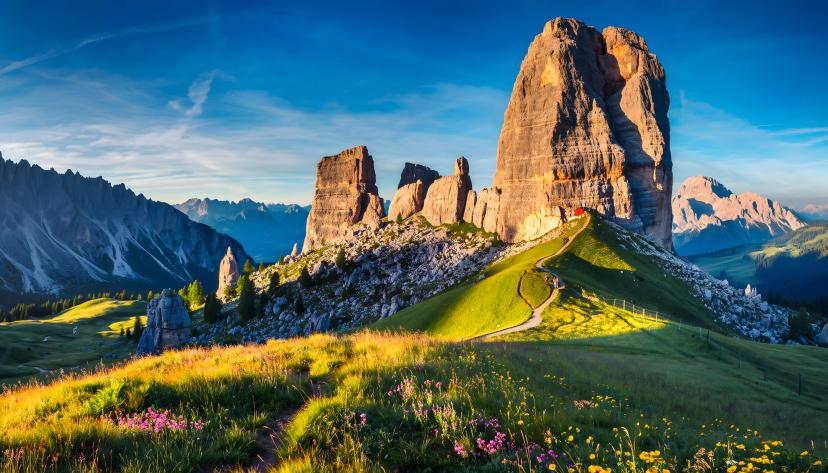
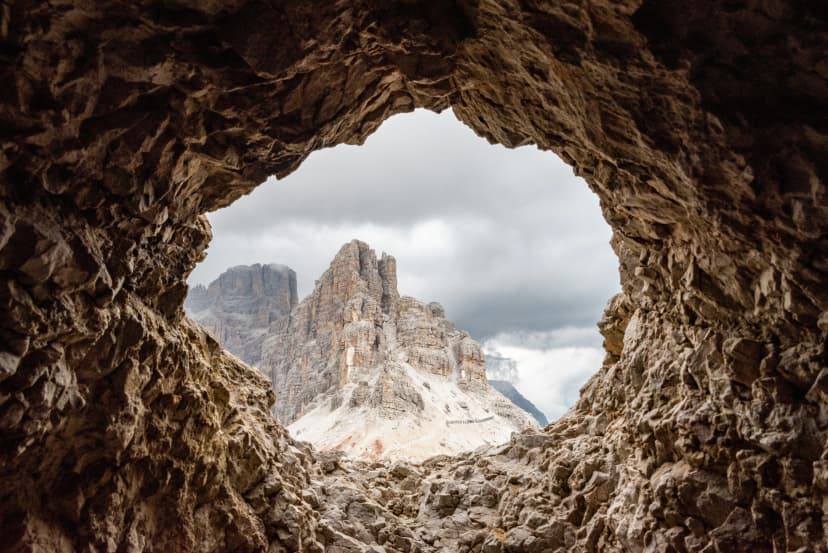
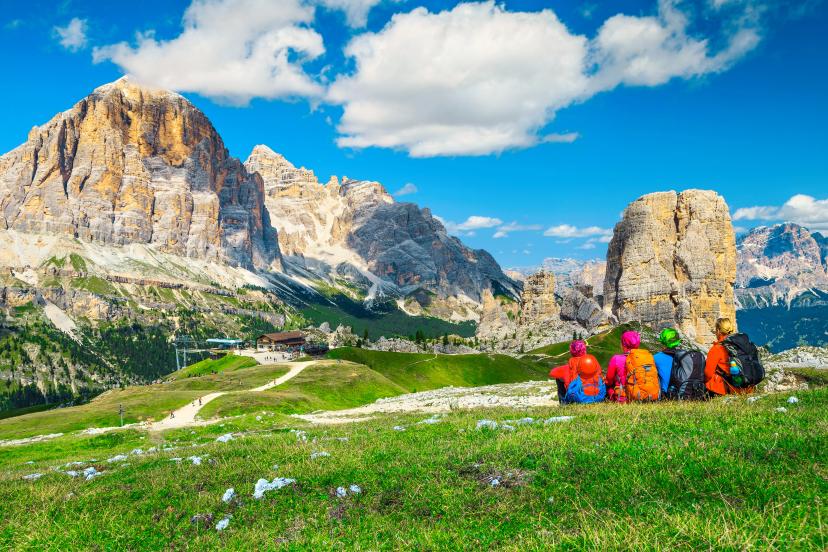
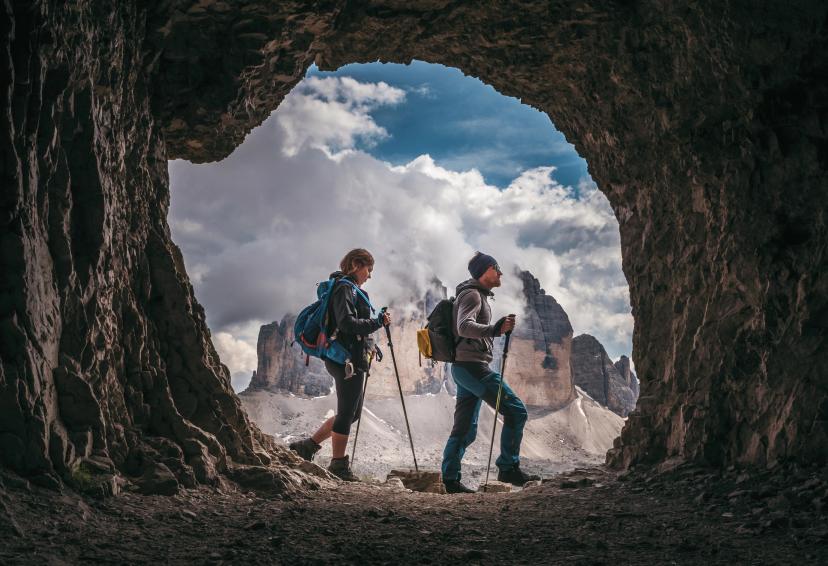
This shortened route covers approximately 50 kilometres and includes the most dramatic northern stages: the Fanes plateau, the climb to Lagazuoi with its WWI tunnels, and the stunning Cinque Torri area. July's wildflowers transform the Fanes plateau into a green and gold carpet beneath the surrounding towers.
Duration: 4 days
Technical: 3/5
Fitness: 3/5
Why it works in July: The iconic northern scenery in the longest daylight of the year, manageable timeframe fits within a longer Italian holiday, good rifugio availability when booked 2–4 weeks ahead
Highlights on the way:
3. Alta Via 2
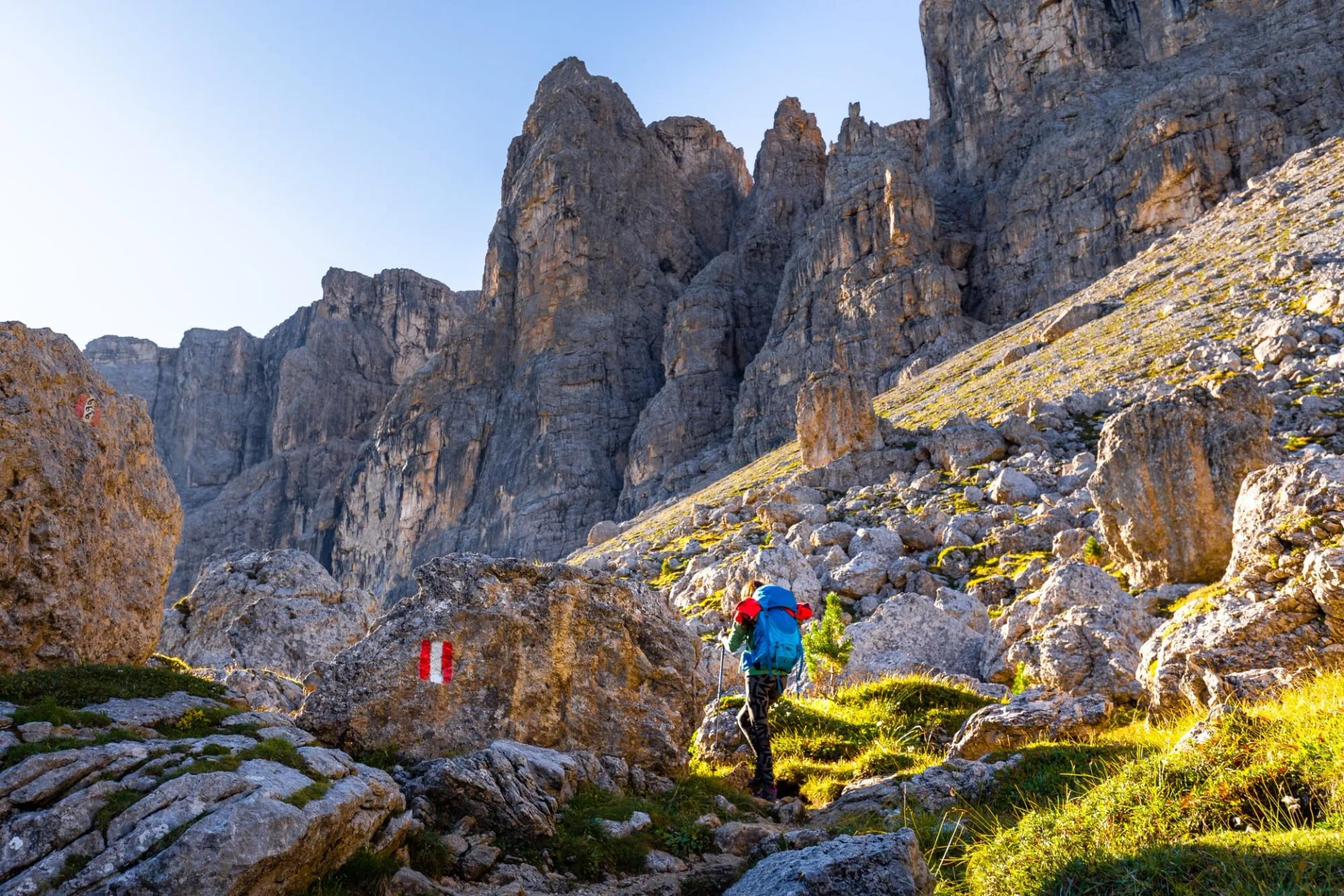
The Dolomites' most challenging long-distance route — technically harder than Alta Via 1, with via ferrata sections, exposed traversals, and high passes that demand confidence and experience. July is the optimal month for Alta Via 2: maximum daylight hours are critical on its longer, more demanding stages, and dry rock surfaces make the via ferrata sections as safe as they can be.
The route traverses the Sella massif, skirts the Marmolada glacier — the highest peak in the Dolomites at 3,343 m — and crosses the dramatic Pale di San Martino plateau. This is not a beginner route. Via ferrata experience or a qualified guide is strongly recommended.
Duration: 10 days
Technical: 4/5
Fitness: 4/5
Why it works in July: Long days provide the time buffer that demanding stages require, dry rock makes via ferrata safest, all rifugios open, maximum flexibility for weather-day adjustments without losing stages
Highlights you can experience:
Important note: July is peak booking season. Rifugios on popular Alta Via 1 stages fill 4–6 weeks ahead, sometimes earlier for weekend nights. On a self-guided tour with us, all rifugio bookings are handled before you arrive — one less thing to manage in the busiest month of the year.
What to Pack?
July requires lightweight summer mountain gear with reliable storm protection — the lightest packing configuration of the year, but waterproofs are non-negotiable.
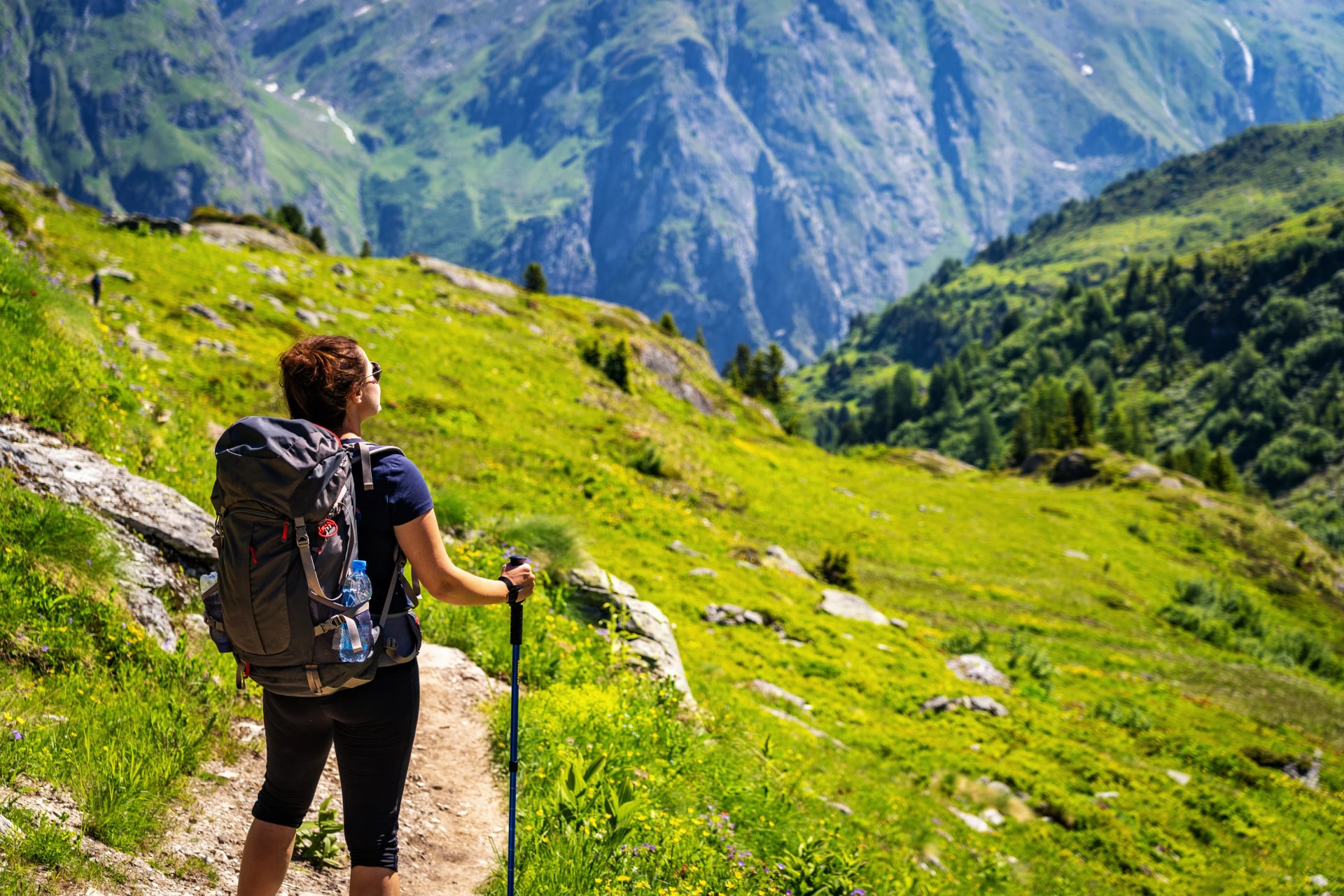
Essential Clothing Layers
Lightweight insulating layer (thin fleece or wind jacket — for mornings, pass crossings, and post-storm temperature drops)
Waterproof, breathable rain jacket and rain pants (the single most important items in your pack — afternoon storms are routine, not optional. A jacket that lives in your pack but never comes out is doing its job)
Moisture-wicking base layers (synthetic dries fastest; merino works but dries slower in July's warmth)
Hiking shorts AND long pants (shorts are default for warm valley and meadow sections; long pants for high passes, exposed ridges, and cool mornings)
Lightweight hat and thin gloves (for early starts and pass crossings — you won't need heavy warmth, but wind on a 2,800 m pass is cold even in July)
Sun hat with brim and neck protection (July sun at altitude is intense)
Footwear
Sturdy hiking boots with ankle support (trails are dry but loose rock and scree remain a constant, especially on Alta Via descents)
Lightweight sandals for rifugio evenings
No gaiters needed — trails are dry, snow is absent
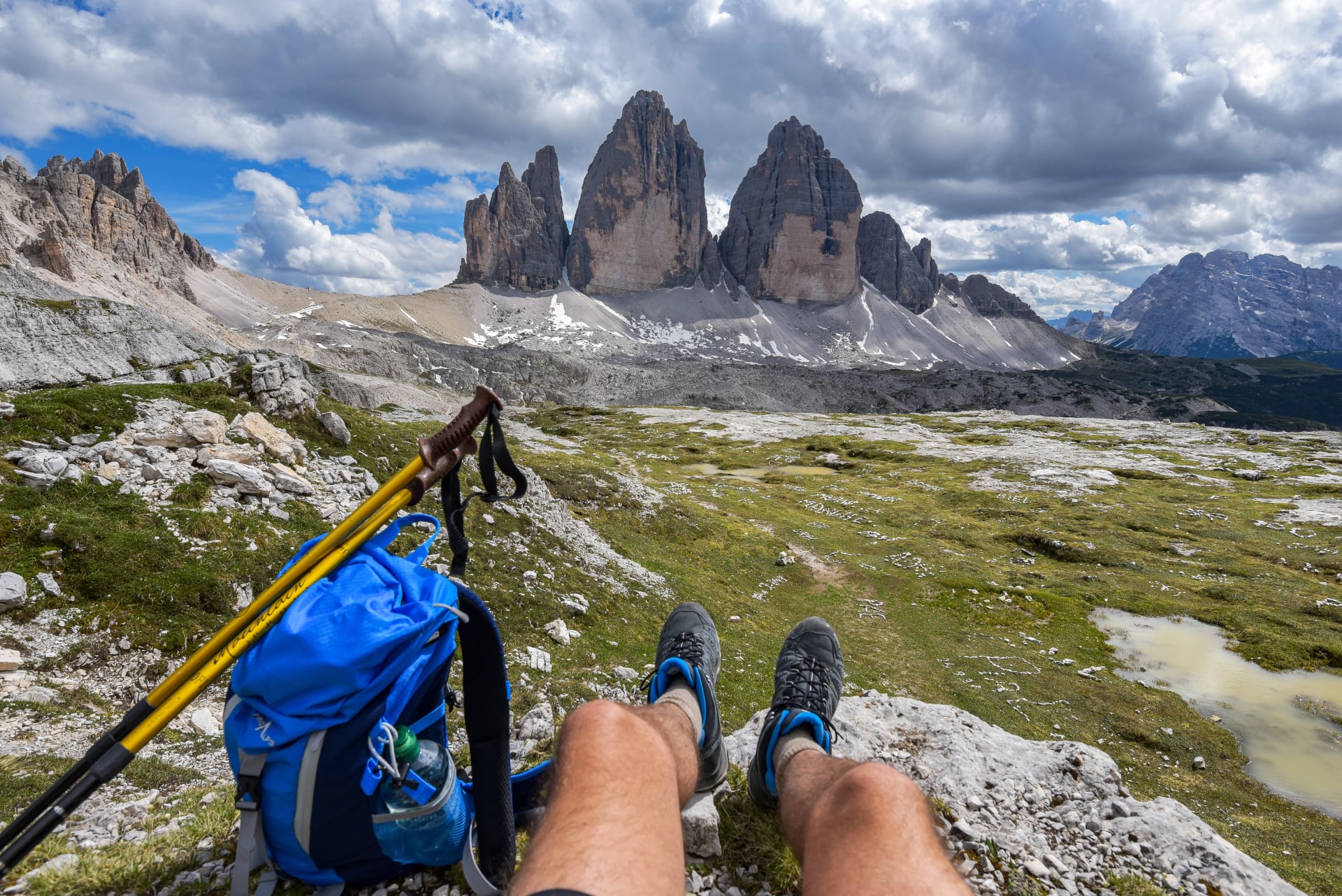
Gear
Trekking poles (highly recommended for descents and via ferrata approaches)
Sunglasses and high-SPF sunscreen (critical — July UV at 2,500 m is 25–35% stronger than at sea level, and long daylight means extended exposure. Apply before leaving the rifugio, reapply at midday)
Water bottle — minimum 1.5 litres capacity (July is the warmest month; carry more on stages with long gaps between water sources)
Headlamp (less critical than autumn — first light is before 5:30 AM — but useful for rifugio dormitories at night and optional early starts)
Earplugs (non-negotiable in July — dormitories are full, and one snorer will keep a room of 12 awake)
Camera with extra batteries (wildflowers, evening light on rock towers, and thunderstorm drama over the peaks provide July's best photography)
What to Leave Behind
Heavy insulation (down jacket is overkill in July — a lightweight fleece is sufficient)
Winter accessories (heavy hat, thick gloves — bring only lightweight versions)
Microspikes or traction devices (no snow at trail level)
For complete packing guidance, including specific gear recommendations and packing strategies, see our ultimate guide for hiking in the Dolomites.
Should You Visit the Dolomites in July?
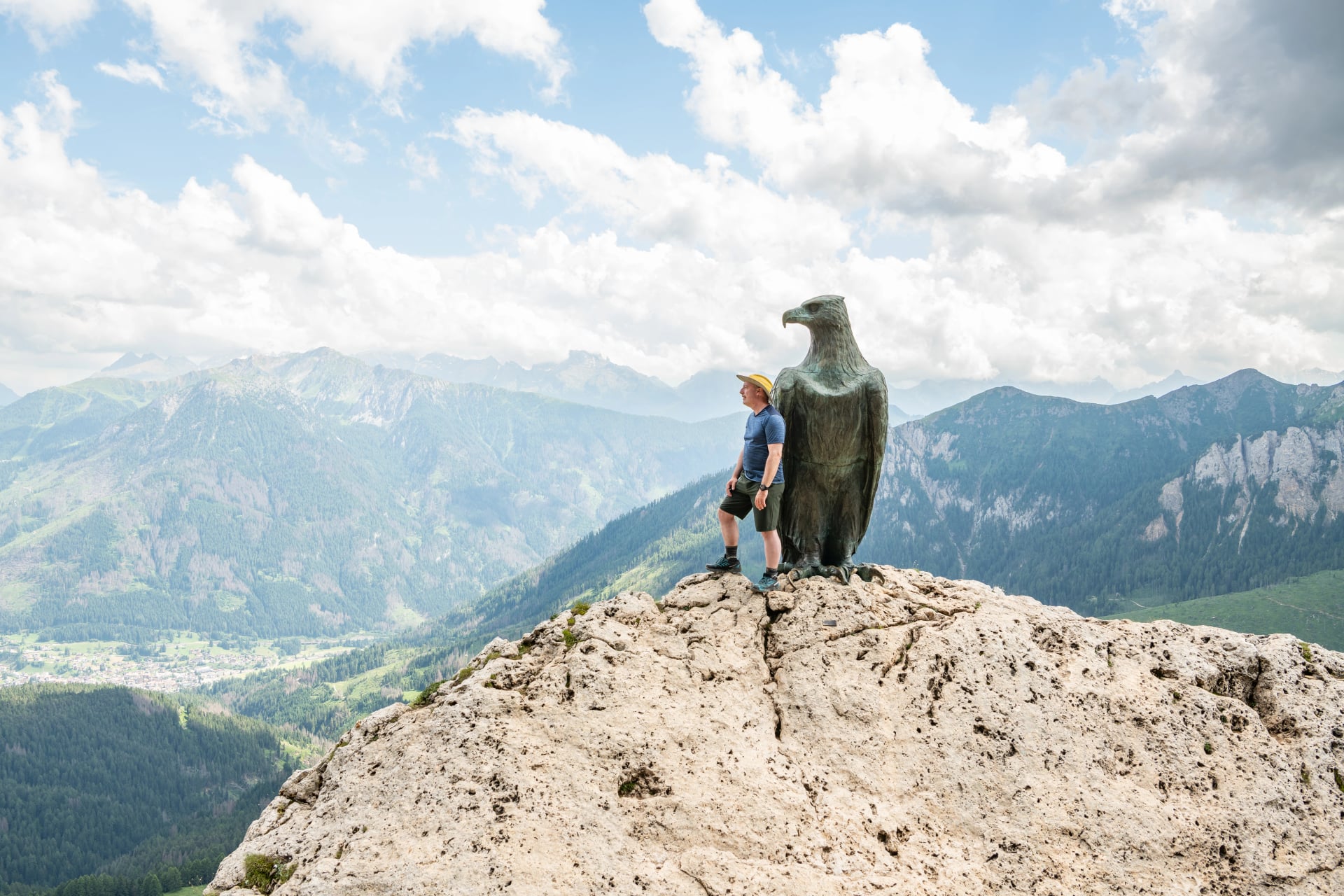
Visit the Dolomites in July if:
You want all trails, rifugios, and mountain transport fully operational with zero uncertainty
You value maximum daylight hours — 15+ hours let you hike long stages, take detours, and still finish comfortably
You want the most social rifugio atmosphere — full communal tables, other hikers to share stories with, vibrant trail culture
You're interested in via ferrata routes — dry rock and long days make July optimal for technical additions
You enjoy wildflower displays alongside your hiking (late June's bloom continues at higher elevations through July)
You're comfortable with early starts to stay ahead of afternoon storms
Skip July if:
You strongly prefer quiet trails and empty rifugios (September is your month)
You dislike planning around afternoon thunderstorms — if the early-start pattern frustrates rather than motivates you
You're a late sleeper who wants to start hiking at 10 AM (July punishes this with storms and crowds)
You want autumn colour (larch forests are green in July — gold doesn't arrive until late September)
You're on a tight budget (July rifugio prices and flight costs are at their annual peak)
You prefer booking spontaneously — July requires advance planning, especially for rifugios
Our recommendation:
July is the Dolomites in full summer form — everything operational, everything accessible, the longest days of the year, and the full social atmosphere of peak season.
The first two weeks (July 1–15) are the sweet spot: all the advantages of midsummer but slightly fewer hikers than the second half of the month, when European school holidays drive trail traffic to its annual maximum. If you embrace early starts and book rifugios ahead, July delivers one of the great mountain hiking experiences in Europe.
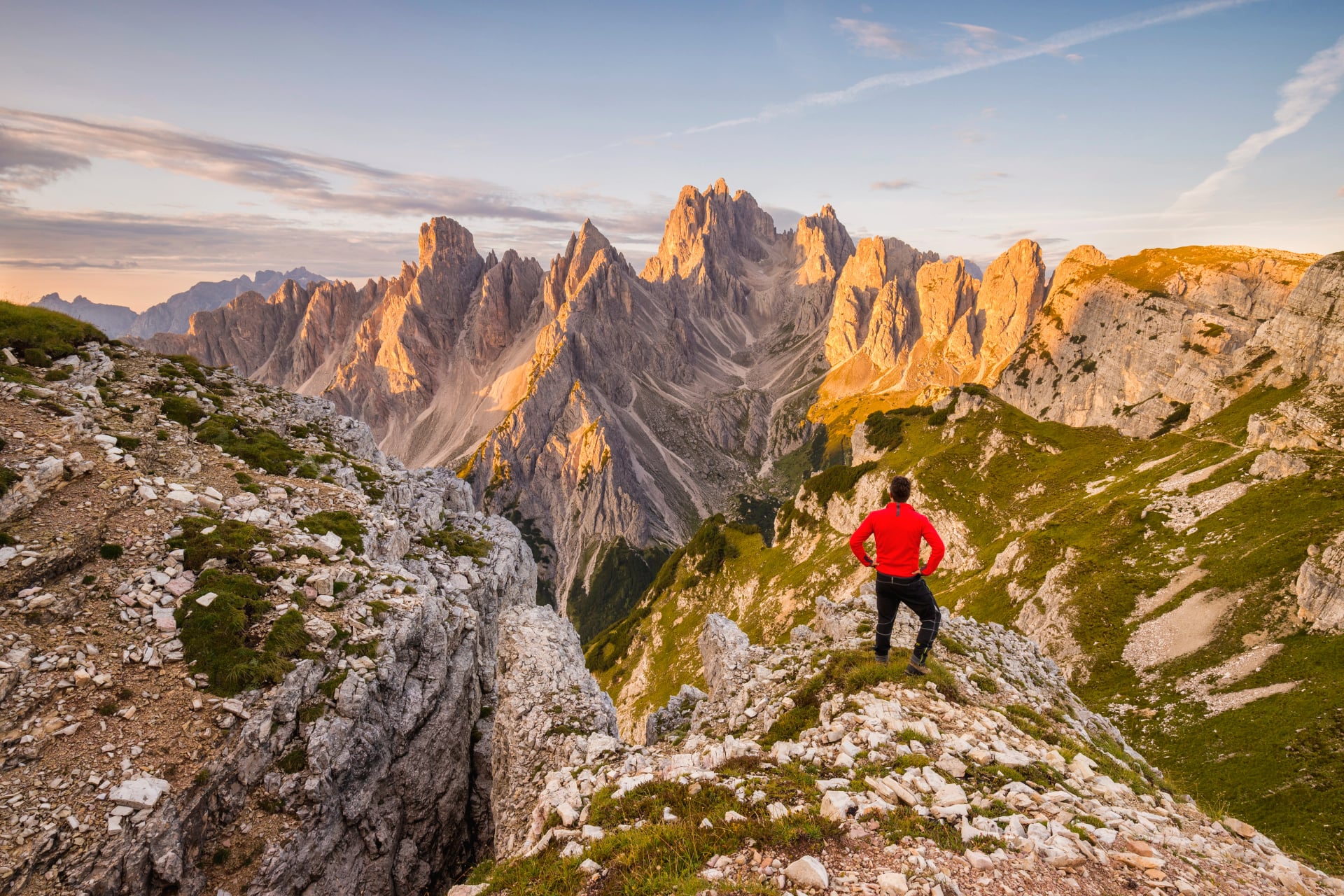
For comprehensive guidance on timing your trip and comparing all months side by side, see our complete list of guides on each month of the season: May, June, August, September and October.
Real-Time Weather Forecasts
For real-time storm tracking during your hike, Meteotrentino provides the most accurate local forecasts, while the ARPAV radar offers live precipitation radar covering the entire eastern Dolomites — invaluable for tracking afternoon thunderstorm cells as they develop and deciding whether to push for the next pass or shelter early.
Make the Most of Peak Season!
July in the Dolomites is the full experience at full volume — dramatic scenery, warm days, long light, communal rifugio evenings, and the particular satisfaction of being in the mountains when they're at their most alive. The afternoon storms are part of the package, not a flaw — they clear the air, cool the rock, and produce the dramatic cloud formations that make Dolomites evenings unforgettable.
Ready to start planning? Browse our full selection of Dolomites hiking tours or send us an inquiry with your preferred dates and we'll come back to you within a few hours.

About this author
Ajda is our travel advisor, raised in a village surrounded by mountain peaks. Hiking entered her life early on and remains her favorite way to reconnect with nature.