Dolomites in September: Golden Light, Quiet Trails & the Best Month to Hike
Fewer crowds, stable weather, and larch forests turning gold — September is when experienced hikers choose the Dolomites, and for good reason.

Ajda
Published April 13, 2026
Edited April 17, 2026
10 min read
Quick links
Don't want to read all this?
We've planned 2,000+ hiking trips. Send your dates, fitness and group size — we'll map the route and book every night.



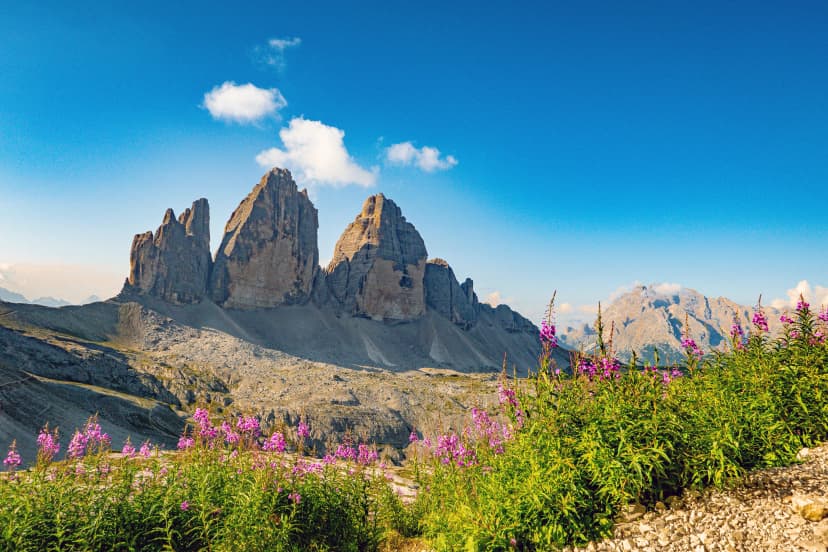
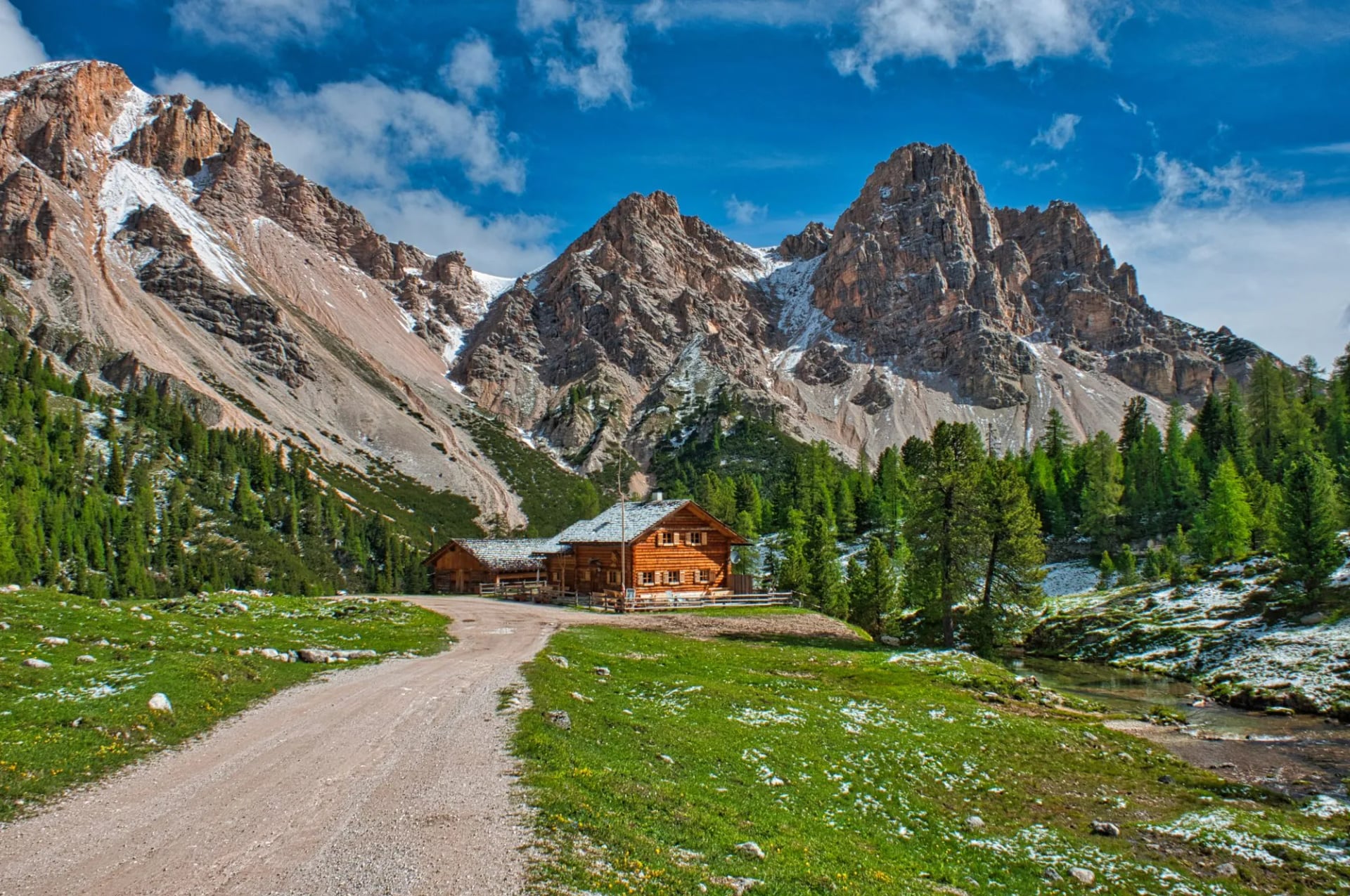
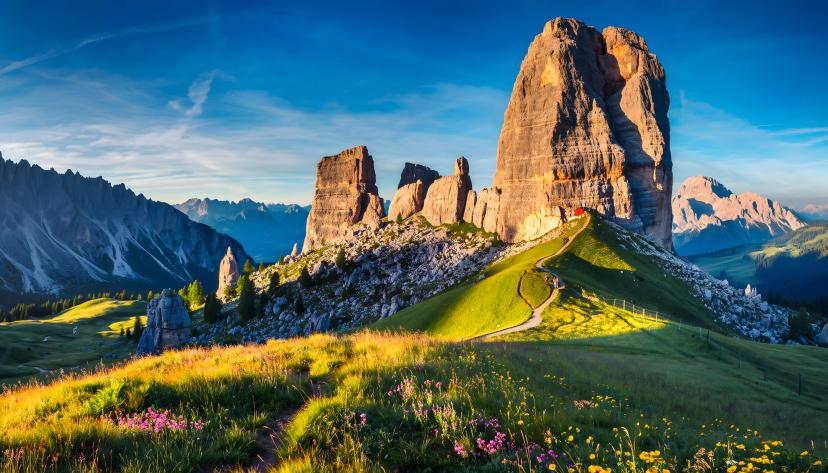
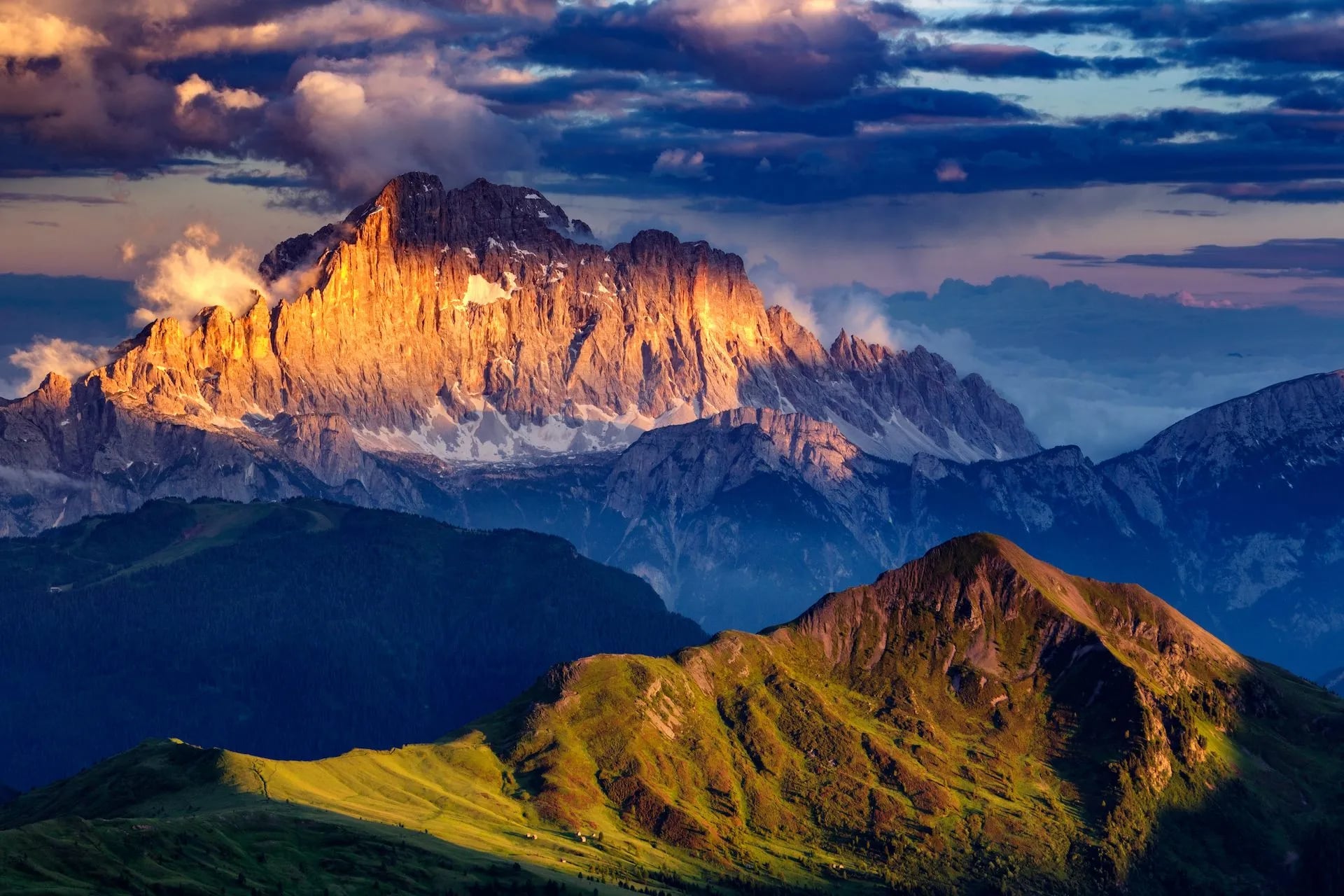
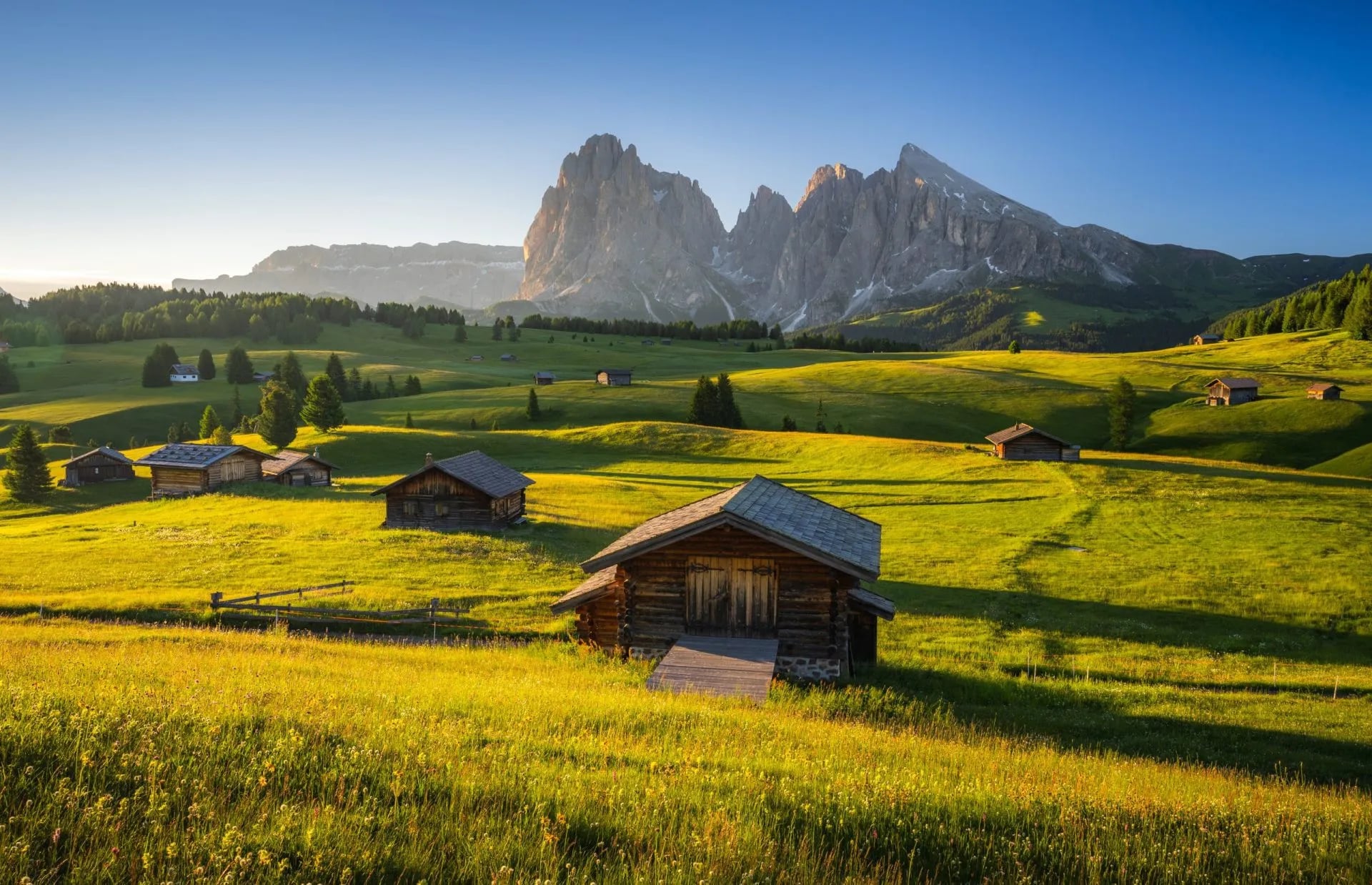
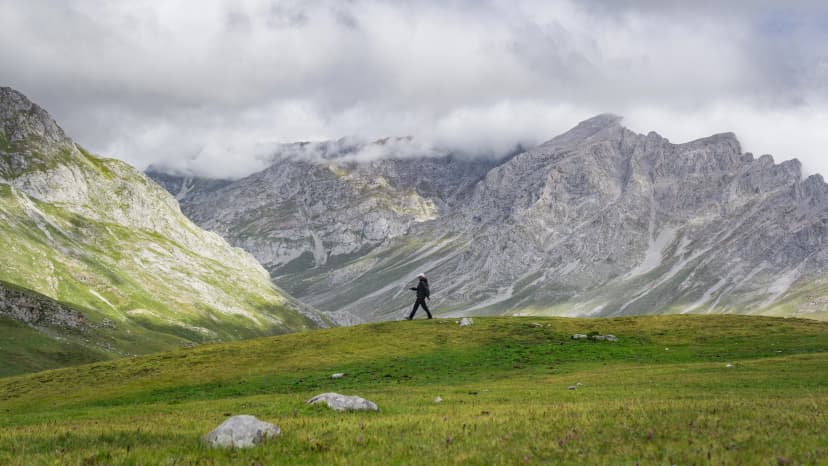
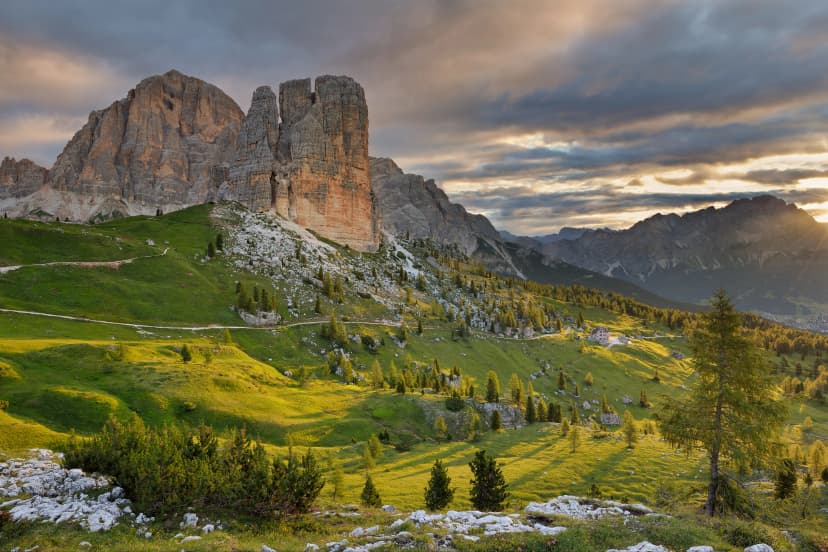
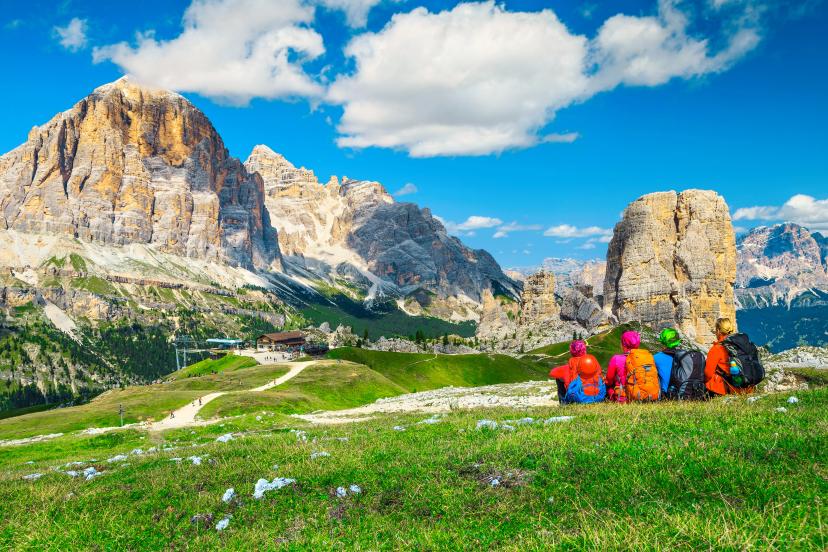
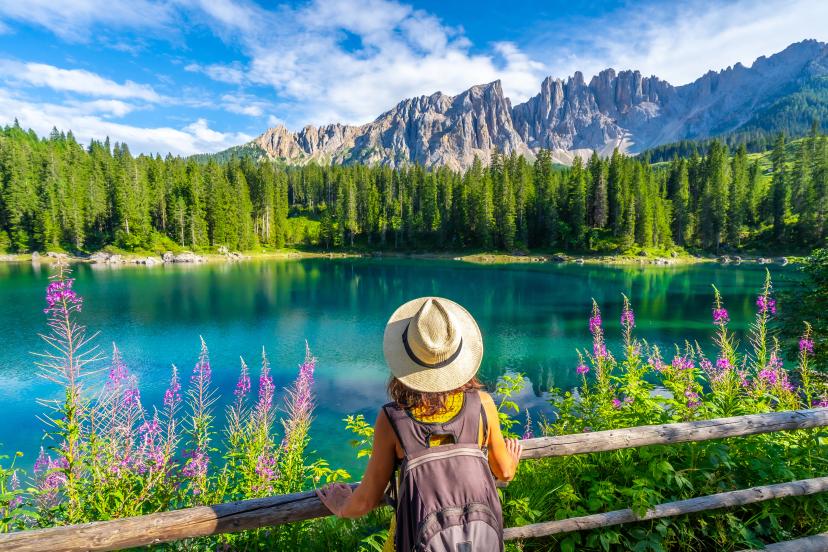
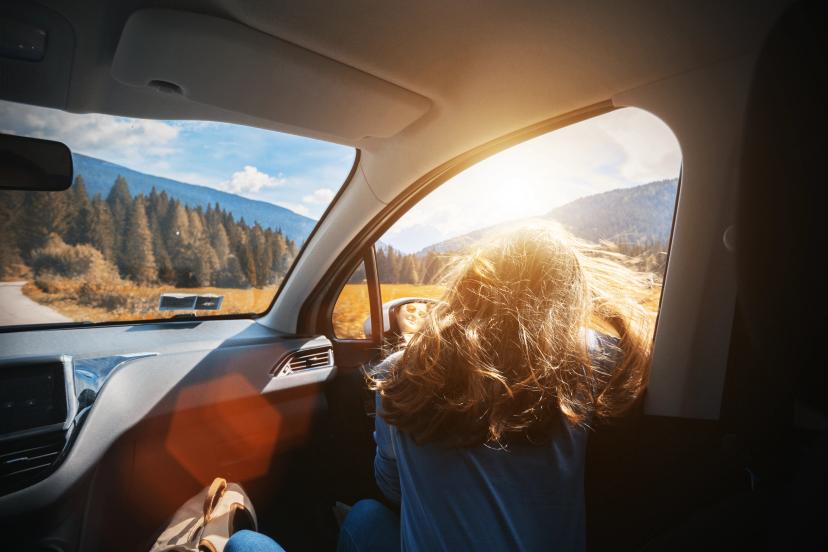
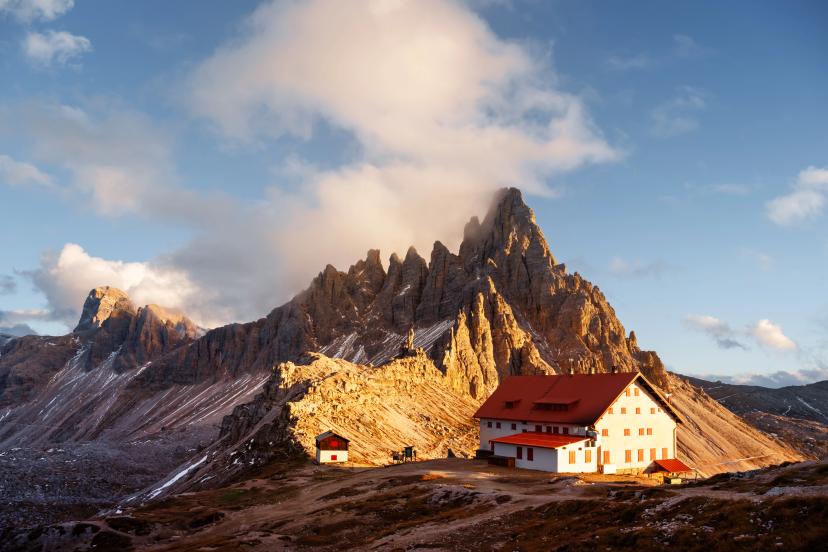
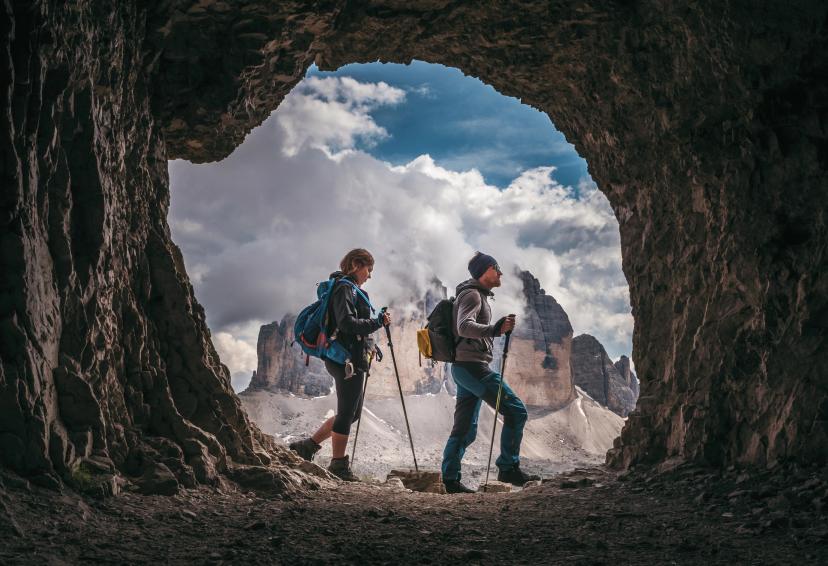
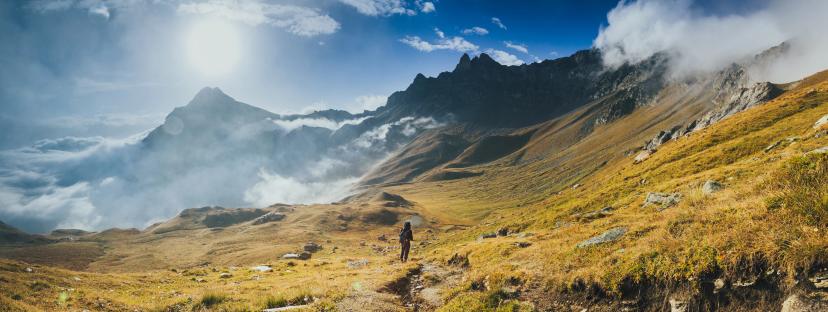
September in the Dolomites is what experienced hikers wait for all year. Summer crowds thin out, the air turns crisp and crystal-clear, and the larch forests that line the valleys begin their transformation from green to gold. The trails are dry, the rifugios are still open, and the light — low-angled and warm — makes every rock tower look like it was carved for a photograph.
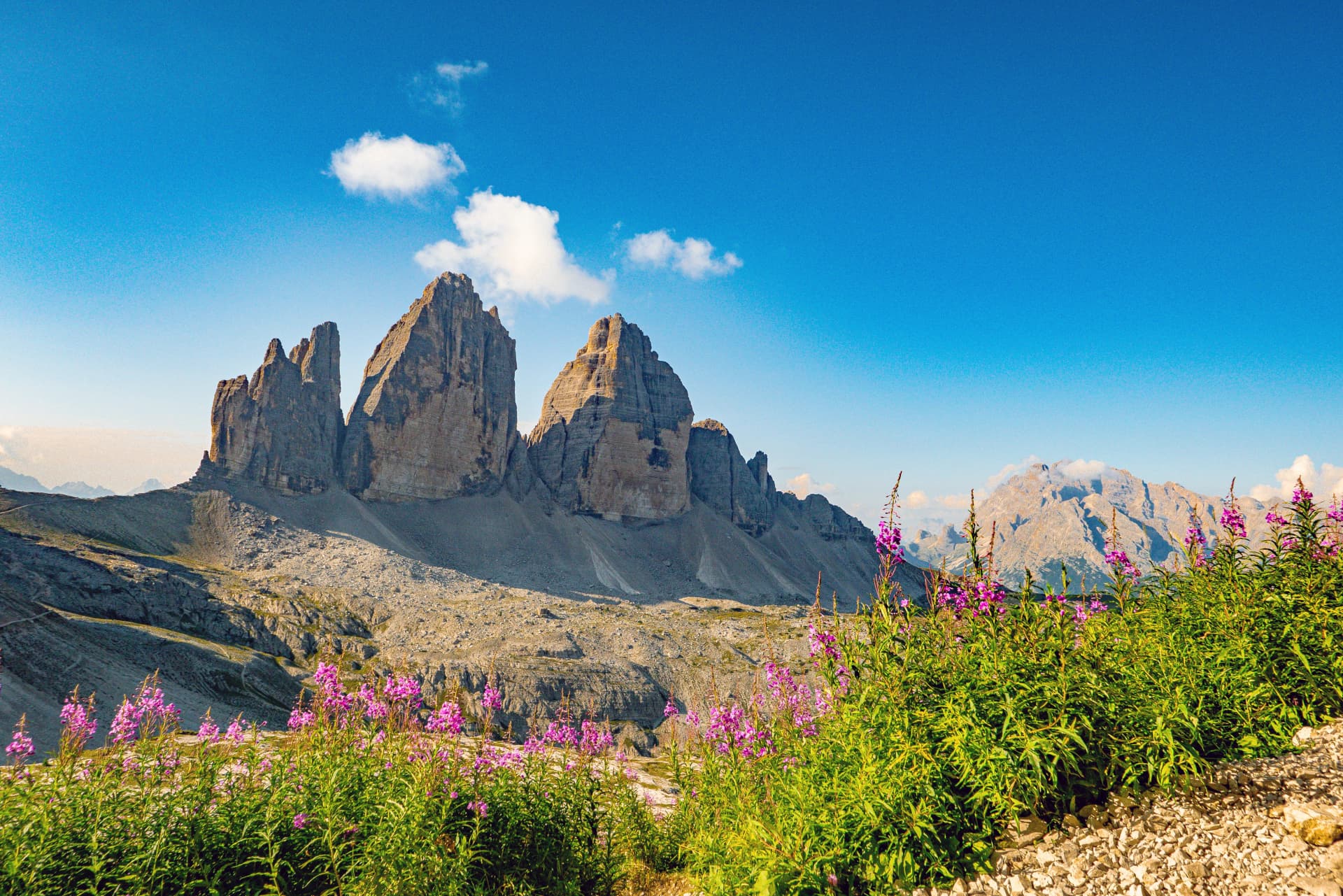
If you're thinking about visiting the Dolomites in September, here's what you need to know: the first three weeks deliver summer-quality conditions with a fraction of the crowds, while the final week begins the seasonal transition as rifugios start closing. For hikers who can choose their month, September consistently offers the best balance of weather, trail access, and atmosphere in the Dolomites.
Temperature ranges: Valleys (1,200–1,500 m) reach 12–20°C by day, dropping to 4–8°C at night. Above 2,000 m expect 5–12°C daytime, with sub-zero nights possible at rifugio altitude by late September.
Weather patterns: September brings the most stable weather of the hiking season. High-pressure systems hold more reliably than in July or August, producing long stretches of clear, calm days. Afternoon thunderstorms drop sharply in frequency. When rain arrives, it comes as predictable frontal systems rather than sudden afternoon buildups.
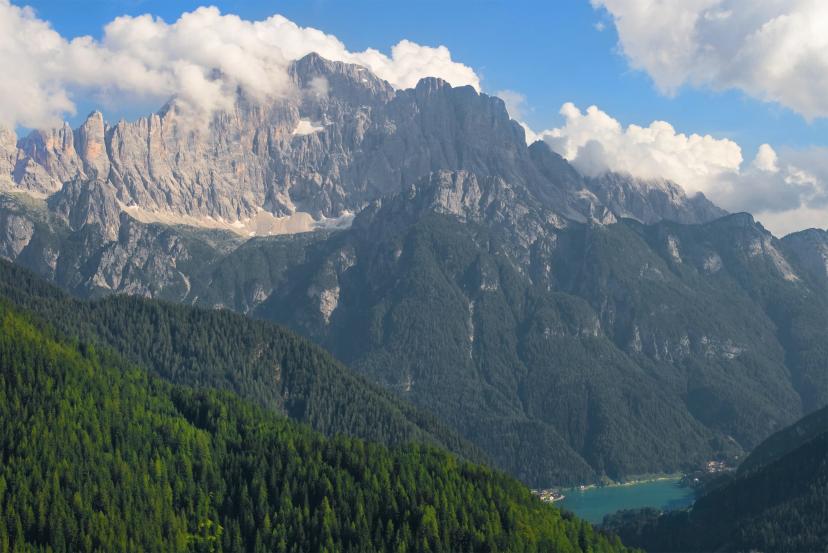
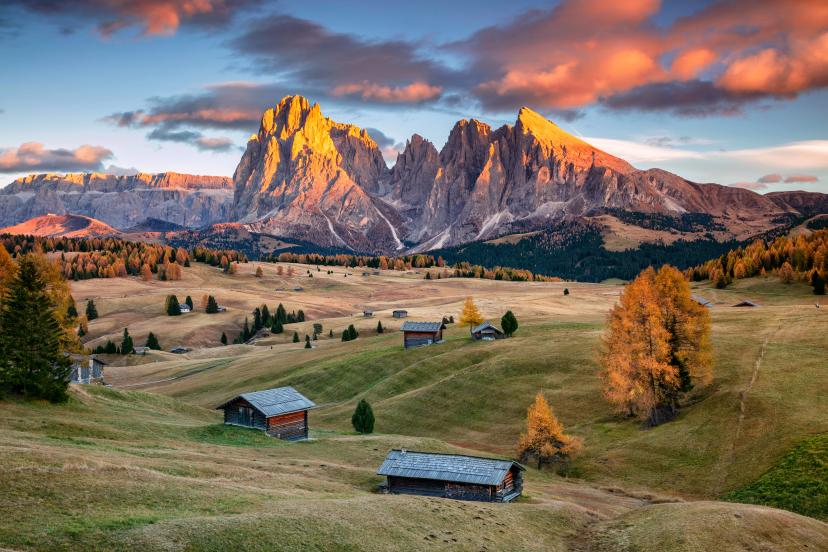
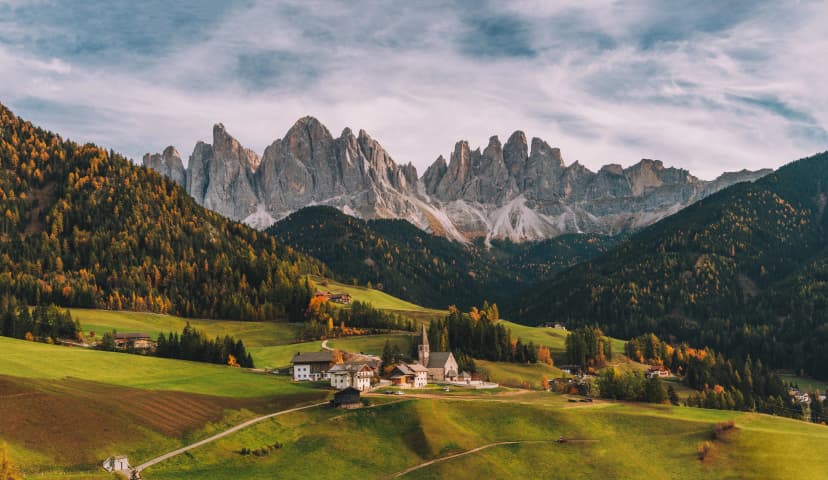
What you'll see: Larch forests turning gold — the defining visual of September. Colour change begins in the second and third weeks at higher elevations, working downhill through October. Combined with first snow dustings on the peaks, this creates three-layer landscapes: gold forest, grey rock, white summit. Drier air produces visibility exceeding 200 km on clear days.
Daylight hours: Roughly 13 hours at month's start, 11.5 by month's end — meaningfully shorter than July's 15+ hours. Early starts matter more, and you'll want a headlamp for the first hour of morning hiking by mid-month.
The reality: Early September (1–15) feels like a quieter, clearer version of August. Late September (20–30) begins the autumn transition — cooler, shorter days, some rifugios closing — but the reward is golden larch forests and near-solitude on trails that were crowded weeks earlier.
Where to Stay in September?
Rifugio Status
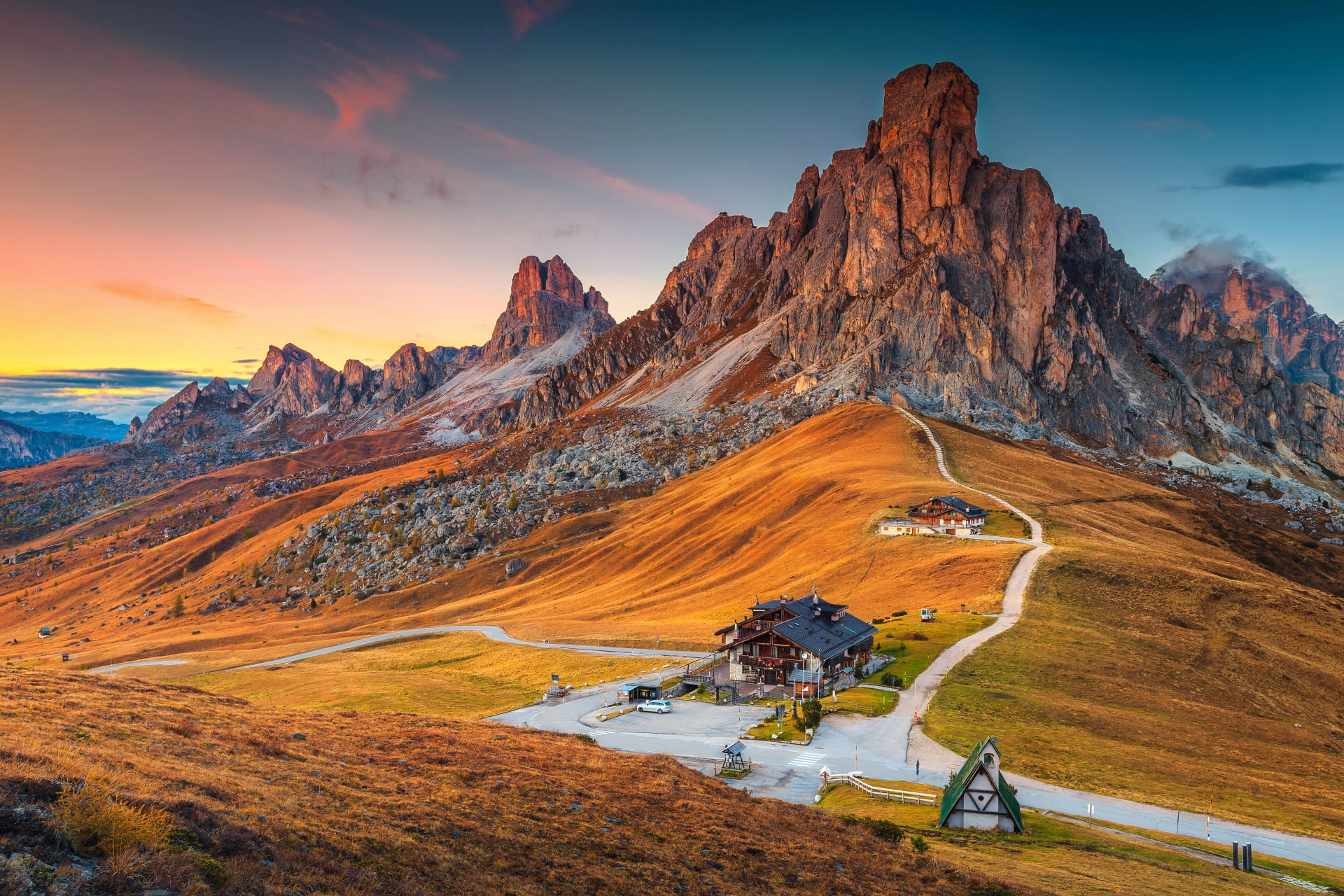
Nearly all mountain rifugios remain fully open and staffed through mid-September. Progressive closures begin in the final week of September and first week of October, with exact dates varying by location and snowfall. Popular rifugios on Alta Via 1 typically stay open through the last weekend of September. Always verify specific closing dates when planning a late-September itinerary.
For complete details on rifugio seasons and booking, see our complete rifugios guide.
Trail Accessibility Breakdown
Fully Accessible (All September)
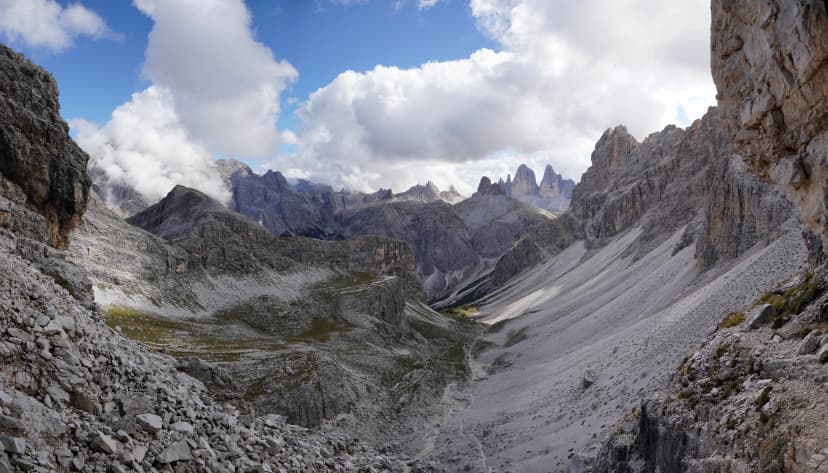
All standard hiking trails at every elevation are snow-free through mid-to-late September
Complete Alta Via 1 and Alta Via 2 routes are fully accessible
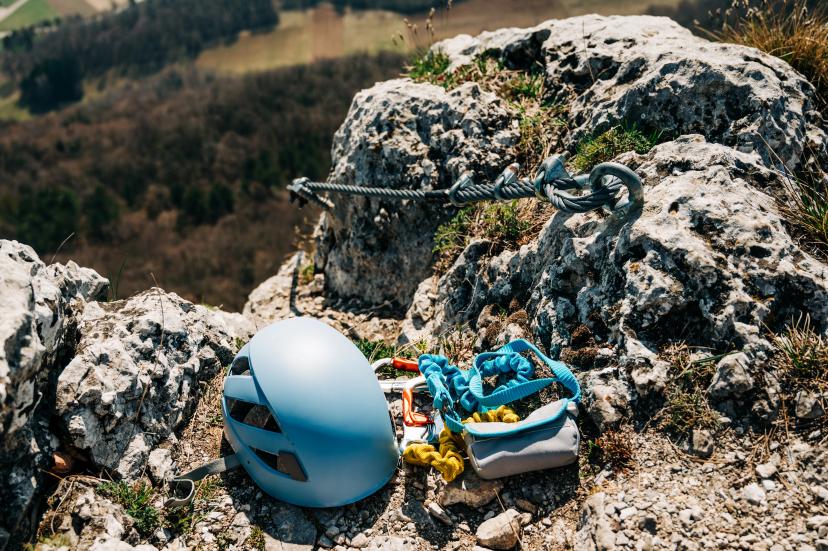
Via ferrata routes are dry and in peak condition
Valley trails, plateau routes, and all rifugio approaches fully operational
Closing Gradually (Late September)
Some rifugios begin closing from approximately September 20–25 — typically starting with the more remote or higher-altitude huts
Reduced meal service or limited bed availability at certain rifugios in the final days before seasonal closure
Cable cars and chairlifts may switch to reduced autumn schedules in the final week
Worth Monitoring
First snowfall can dust peaks above 2,800 m from mid-September onward — this is cosmetic on the summits but does not normally affect trail-level hiking
Temperatures drop fast after sunset — overnight freezing at rifugio altitude (2,000–2,500 m) is common by the second half of the month
Shorter days mean less margin for error on longer stages — plan conservatively
Snow Conditions
September snow is rare at trail elevation. When it arrives, it typically falls above 2,500–2,800 m and melts within a day or two. Trails remain clear for normal hiking throughout the month. Only in unusual early-snow years would trail-level accumulation be a concern.
Bottom Line
Early-to-mid September (September 1–20) is arguably the single best hiking window in the Dolomites. All infrastructure is open, trails are in perfect condition, weather is more stable than summer, and crowds have dropped dramatically. Late September (20–30) still works well but requires confirming rifugio availability for your specific route.
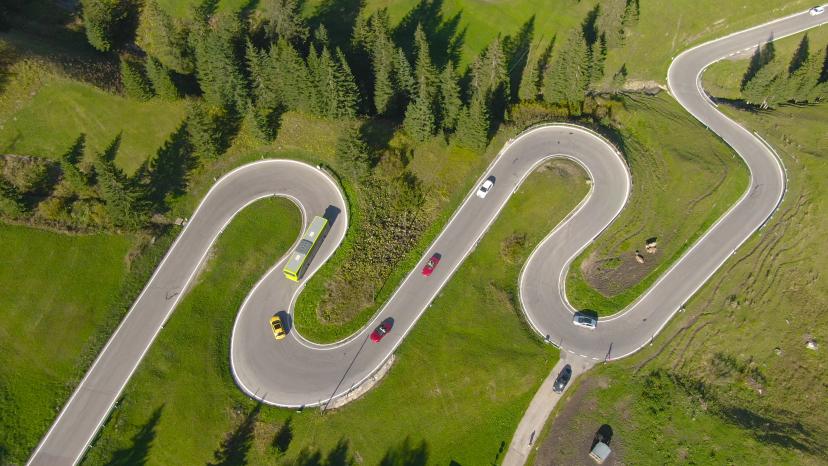
How to get to the trails? We have made a detailed instruction on arriving to the Dolomite hiking trails.
Best Tours
September opens the full Dolomites portfolio — every tour that runs in peak summer is available, often with better conditions and easier booking. These three options showcase what makes September exceptional:
1. Alta Via 1 Self-Guided Hike
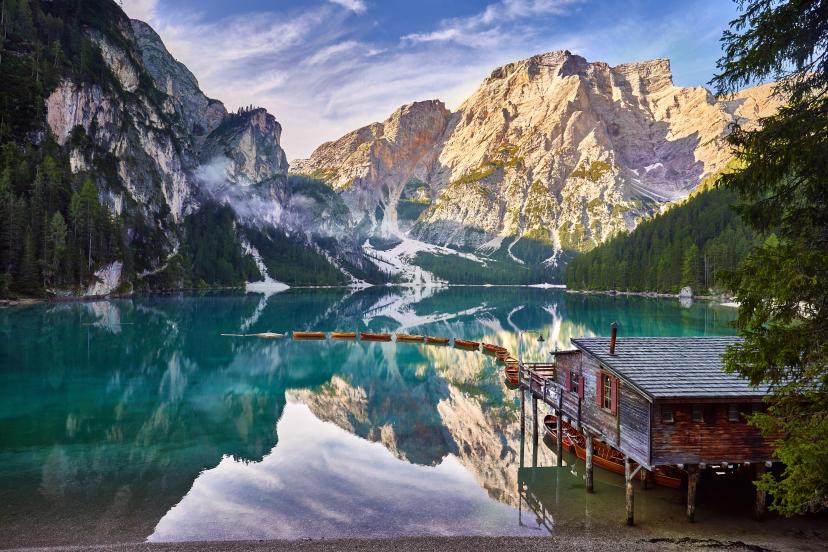
The complete north-to-south traverse of Alta Via 1 from Lago di Braies to Belluno — the definitive Dolomites multi-day experience. September is widely considered the best month to hike it: stable weather, uncrowded trails, and the golden larch forests that line the southern stages create a visual experience summer cannot match.
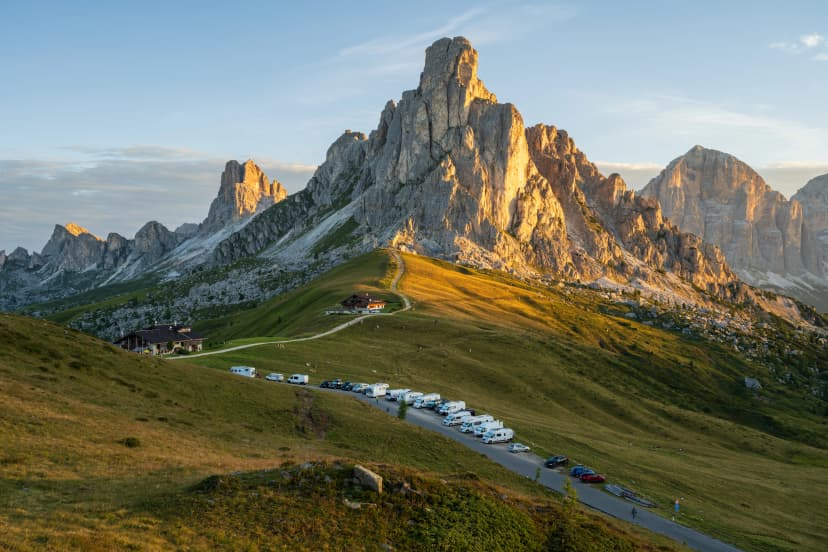
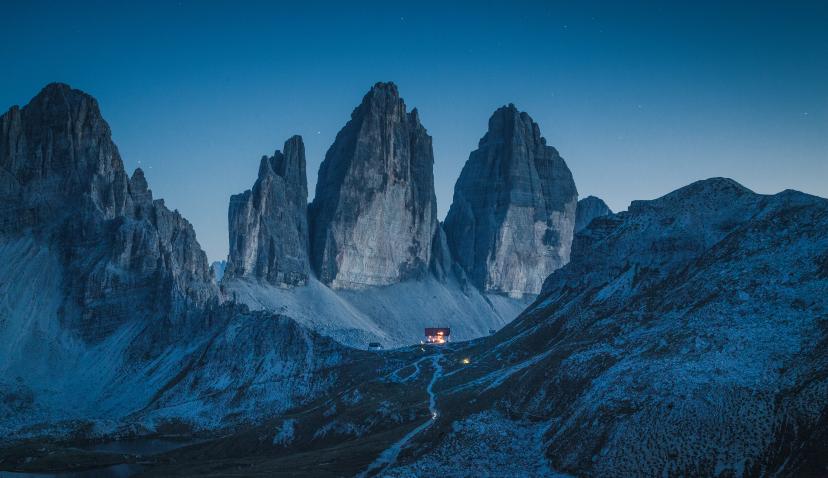
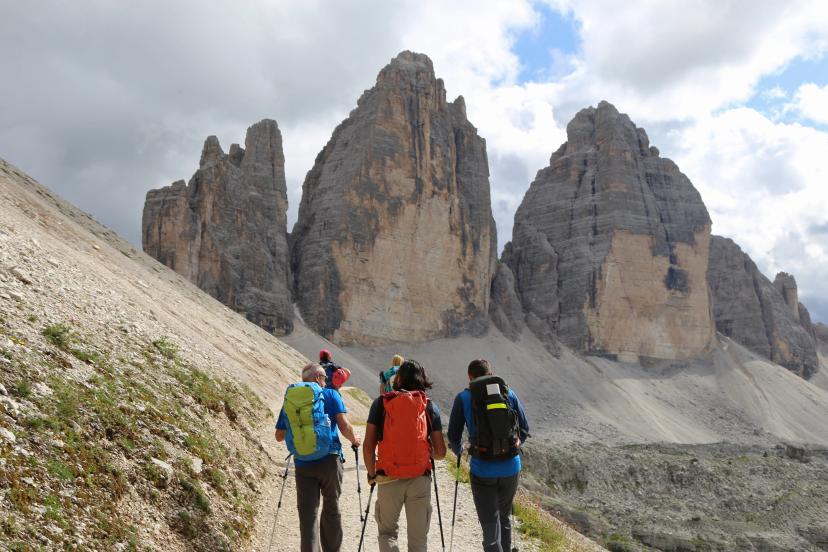
Running approximately 120 kilometres through the heart of the Dolomites, Alta Via 1 passes beneath the range's most famous peaks — Lagazuoi, Nuvolau, Civetta, and Pelmo. Daily stages range from 5–7 hours of hiking, and you'll stay in mountain rifugios each night with dinner and breakfast included.
Duration: 10 days
Technical: 3/5
Fitness: 3/5
Why it works in September: Most stable weather, dramatically fewer hikers than July–August, golden larch colour on southern stages, rifugios at their quietest and most atmospheric
Highlights to see:
2. Alta Via 1 South
The southern half of Alta Via 1 from the Falzarego mountain pass to Belluno — six stages through the quieter, wilder, and arguably more dramatic half of the route. September transforms these stages: the larch forests around Monte Civetta and Monte Pelmo reach peak gold by the third week, and you'll encounter far fewer hikers than on the popular northern sections.
This route covers approximately 70 kilometres and includes some of Alta Via 1's most committed terrain — the Civetta traverse, Forcella di Lago descent, and the final stages through increasingly remote valleys south of Passo Duran.
Duration: 6 days
Technical: 3/5
Fitness: 3/5
Why it works in September: Southern stages are quieter even in summer — in September they're near-empty. Larch colour peaks here before the northern sections. Best suited for hikers who've done the highlights and want the deeper, less-trafficked half.
Highlights on the way:
3. Dolomites Classic: Seiser Alm & Rosengarten
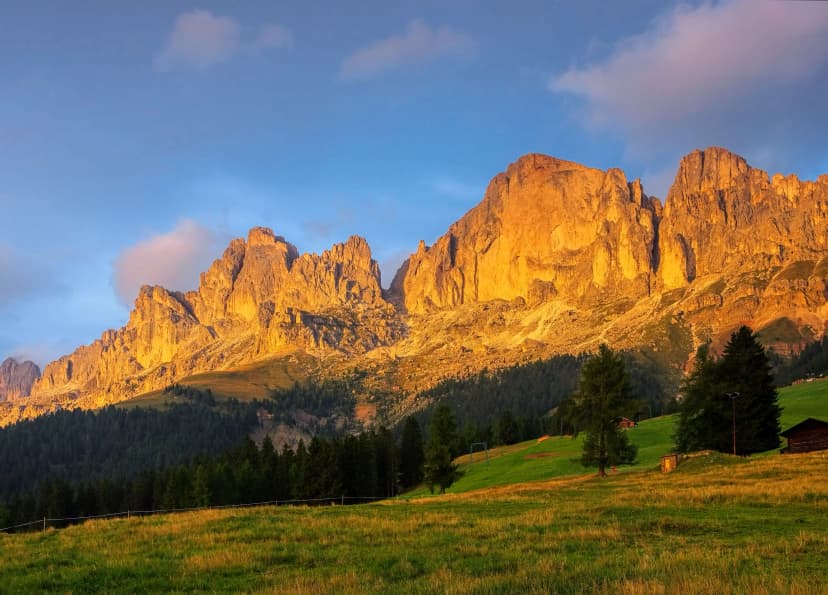
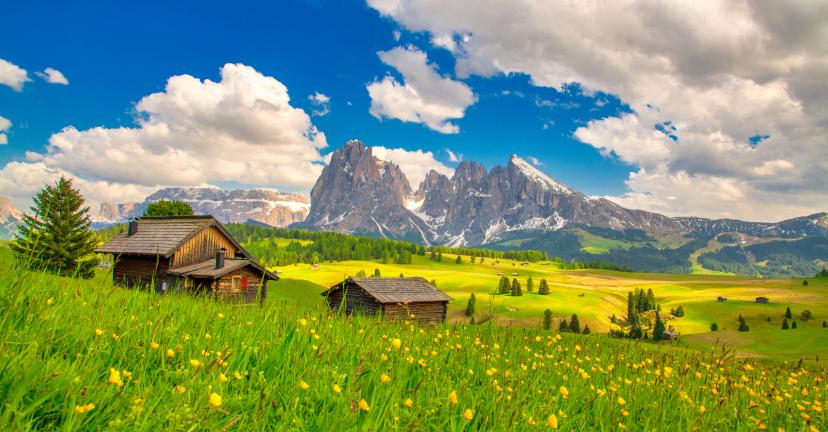
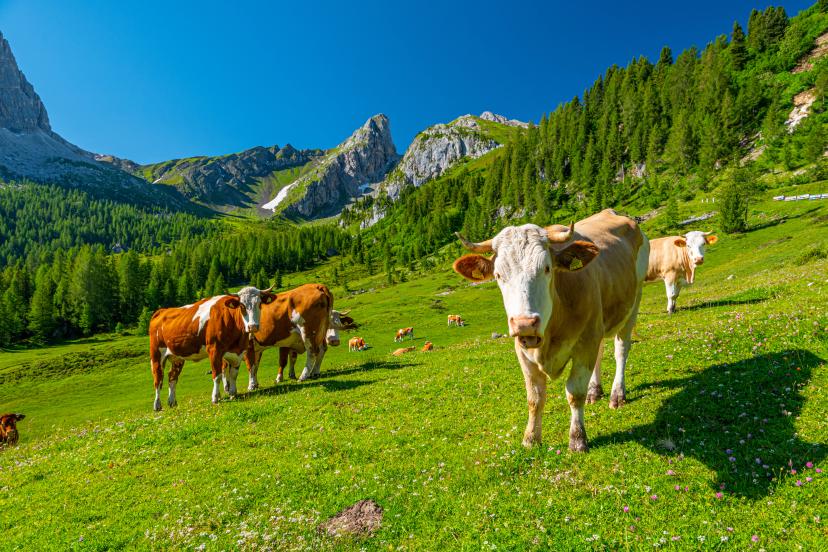
Europe's largest high-alpine meadow meets the Dolomites' most famous sunset phenomenon. The Seiser Alm plateau in September trades its summer wildflower palette for golden grasses and low-angle light that turns the Rosengarten massif pink at dusk — the phenomenon locals call Enrosadira, when the dolomite rock glows rose-red in the last light.
This tour combines gentle plateau terrain with more dramatic stages around the Rosengarten and Schlern massifs. Daily stages range 4–6 hours, with stays in traditional mountain inns and guesthouses featuring South Tyrolean cuisine and wine.
Duration: 7 days
Technical: 2/5
Fitness: 2/5
Why it works in September: Enrosadira is most vivid in September's clear, dry air. The plateau's golden grasses and surrounding larch forests create a visual palette impossible in summer. Comfortable temperatures for the gentler terrain.
Highlights you can experience:
Important note: For late September departures (after September 20), we verify rifugio opening status for your specific route and adjust itineraries if any closures affect your stages. We monitor closing schedules in real time throughout the season.
What to Pack?
September requires proper autumn mountain gear — warmer than summer, with the understanding that mornings are cold, evenings are colder, and conditions can shift toward winter without much warning.
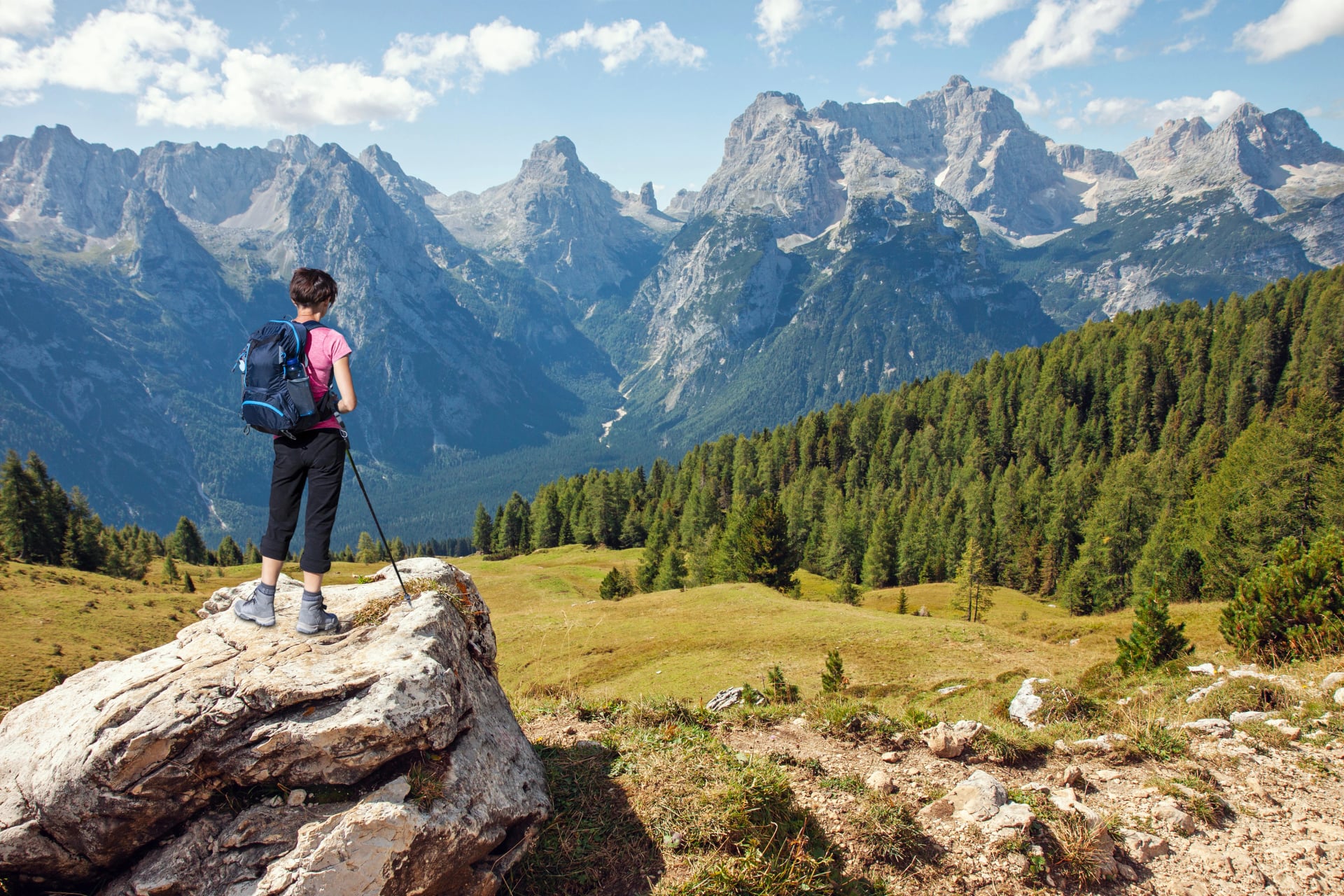
Essential Clothing Layers
Warm insulating layer (fleece AND lightweight down jacket — you'll use both. Down for mornings, stops, and rifugio evenings; fleece for active hiking in cool conditions)
Waterproof, breathable rain jacket and rain pants (frontal systems bring longer rain events than summer's quick storms)
Base layers that wick moisture (merino wool is ideal — warm when damp, odour-resistant for multi-day treks)
Hiking pants — long pants are default in September (shorts only for warm valley sections in the first half of the month)
Warm hat and proper gloves (non-negotiable — mornings at rifugio altitude can be 0–4°C)
Sun hat with brim (September sun is still strong at altitude, especially midday)
Footwear
Sturdy hiking boots with ankle support (trails are dry but loose rock remains a constant)
Lightweight sandals for rifugio evenings
Gaiters not needed — trails are dry and snow-free at hiking elevation
Gear
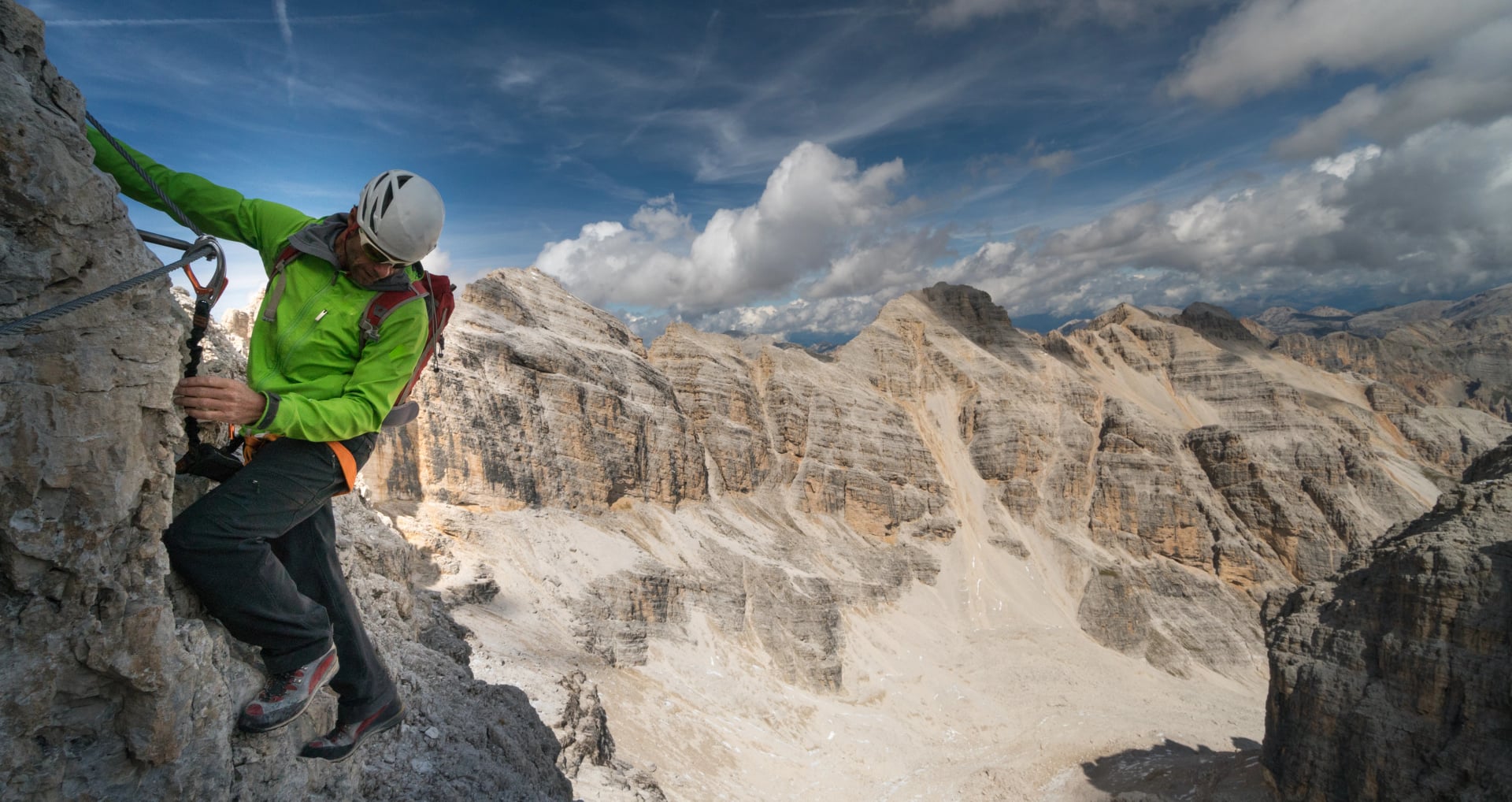
Headlamp with extra batteries (essential — first light arrives after 7:00 AM by mid-September, and early starts mean hiking in darkness)
Trekking poles (highly recommended for descents and uneven terrain)
Sunglasses and high-SPF sunscreen (UV exposure remains significant at altitude; September sun is deceptive)
Camera with extra batteries (golden larch forests and crystal visibility make September the best photography month)
What to Leave Behind
Summer-weight clothing only (you need proper warmth)
Insect repellent (negligible insect activity by September)
Microspikes (unnecessary unless hiking after an unusual early-October snowfall)
For complete packing guidance, including specific gear recommendations and packing strategies, see our ultimate guide for hiking in the Dolomites.
Should You Visit the Dolomites in September?
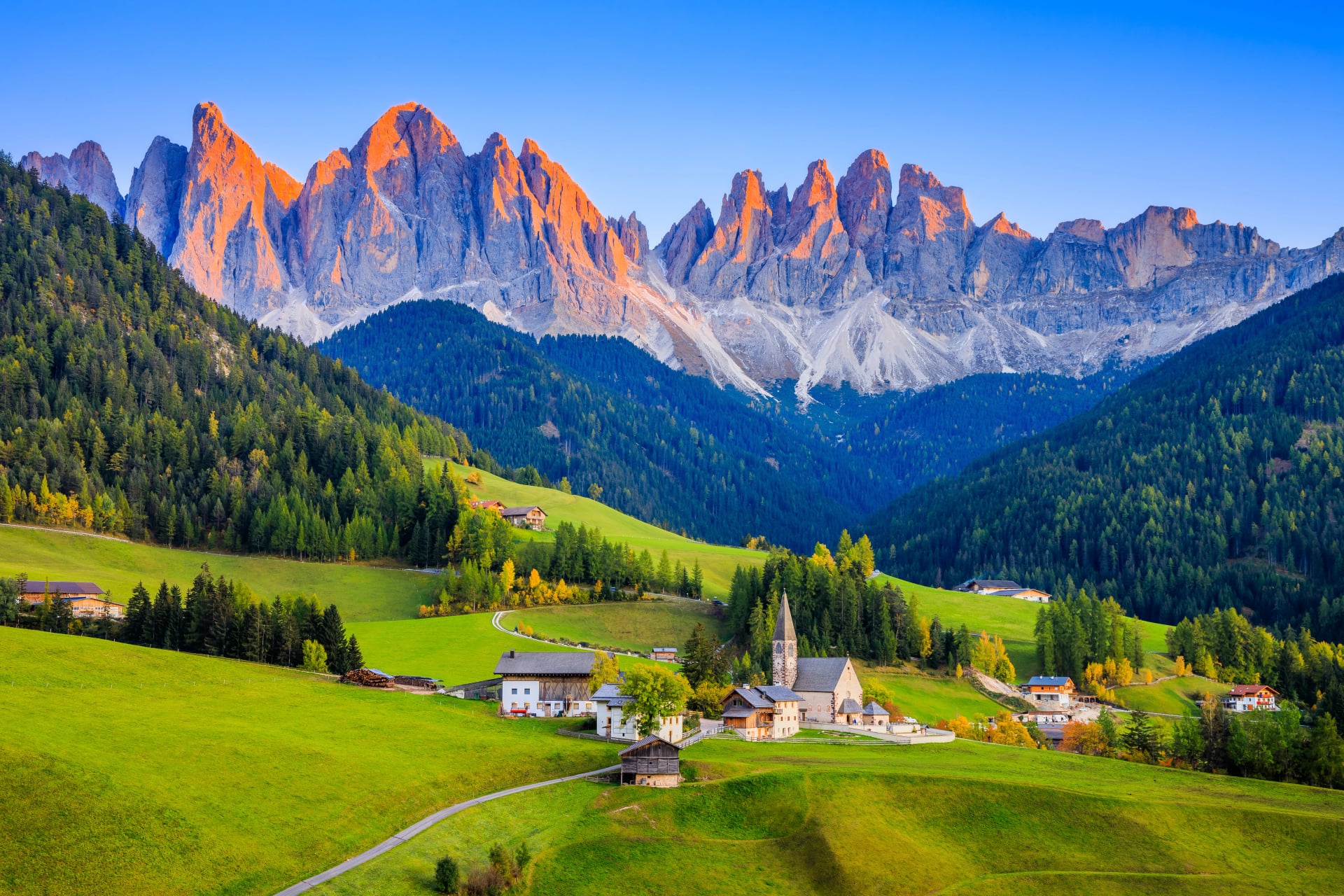
Visit the Dolomites in September if:
You want the best weather-to-crowds ratio of any month in the hiking season
You value golden larch forests and autumn light over summer wildflowers
You prefer quieter rifugios and emptier trails without sacrificing infrastructure
You want the clearest visibility and sharpest mountain views of the year
You're comfortable with cooler mornings and shorter days (this is autumn hiking, not summer)
You appreciate stable weather patterns and dislike planning around afternoon thunderstorms
Skip September if:
You need maximum daylight hours for very long stages (July–August offer 2–3 more hours)
You want peak wildflower displays (that's June)
You can only travel in the final days of September and need guaranteed rifugio access on a specific route
You prefer warm evenings outdoors (September evenings at altitude are cold)
You want the maximum social atmosphere at rifugios (August delivers that)
Our recommendation:
September — especially the first three weeks — is the best overall month to hike the Dolomites. The weather is more stable than July or August, the trails are emptier, the air is clearer, and the larch forests add a visual dimension summer simply cannot offer. The September 1–20 window gives you full infrastructure with dramatically fewer people. If you can only hike the Dolomites once and have flexibility on when, choose September.
For comprehensive guidance on timing your trip and comparing all months side by side, see our complete list of guides on each month of the season: May, June, July, August, and October
Real-Time Weather Forecasts
Meteotrentino provides the most accurate mountain forecasts for the region, while ARPAV Veneto covers the eastern Dolomite areas with elevation-specific data useful for planning pass crossings and high-altitude stages.
Start Your Autumn in the Dolomites!
The Dolomites in September deliver what most hikers are actually looking for — spectacular mountain scenery, well-maintained trails, comfortable rifugio nights, and the space to experience it without feeling like you're on a conveyor belt. The golden larch forests, the sharp autumn air, and the quiet communal tables at altitude create a version of the Dolomites that peak summer, for all its advantages, simply cannot match.
Ready to start planning? Browse our full selection of Dolomites hiking tours or send us an inquiry with your preferred dates and we'll come back to you within just a few hours.

About this author
Ajda is our travel advisor, raised in a village surrounded by mountain peaks. Hiking entered her life early on and remains her favorite way to reconnect with nature.