Dolomites in October: Larch Gold, Closing Huts & Late-Season Hiking
Peak autumn colour, empty trails, and the season winding down. Find out why October in the Dolomites rewards flexibility and the right expectations.

Ajda
Published April 8, 2026
Edited April 17, 2026
11 min read
Quick links
Don't want to read all this?
We've planned 2,000+ hiking trips. Send your dates, fitness and group size — we'll map the route and book every night.



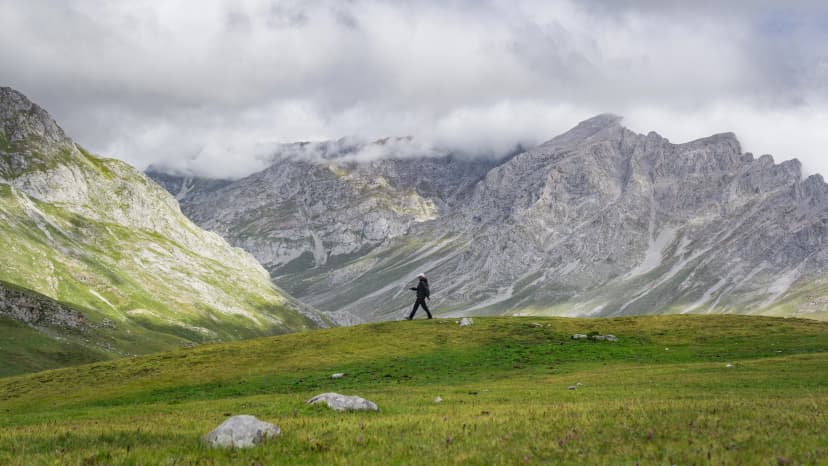
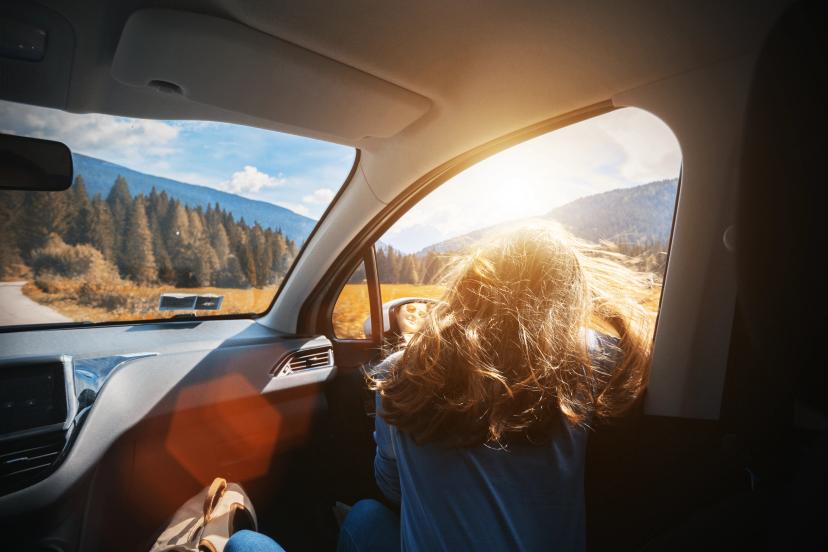
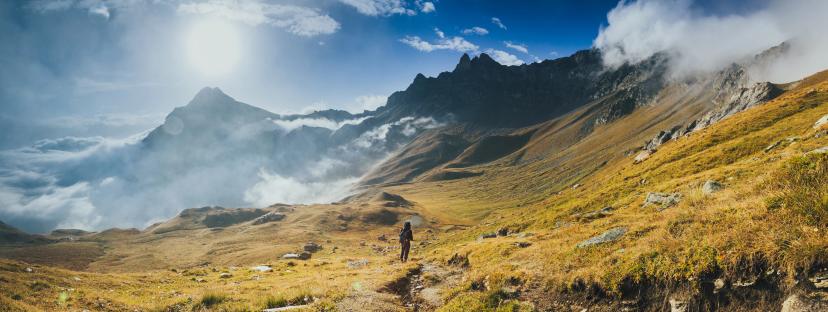
October in the Dolomites is the season's last act — and it's a dramatic one. Larch forests reach peak gold, the first snow dusts the highest towers, and the trails are emptier than at any point since May. But this beauty comes with constraints: most mountain rifugios are closed, weather becomes genuinely unpredictable, and the hiking window narrows week by week.
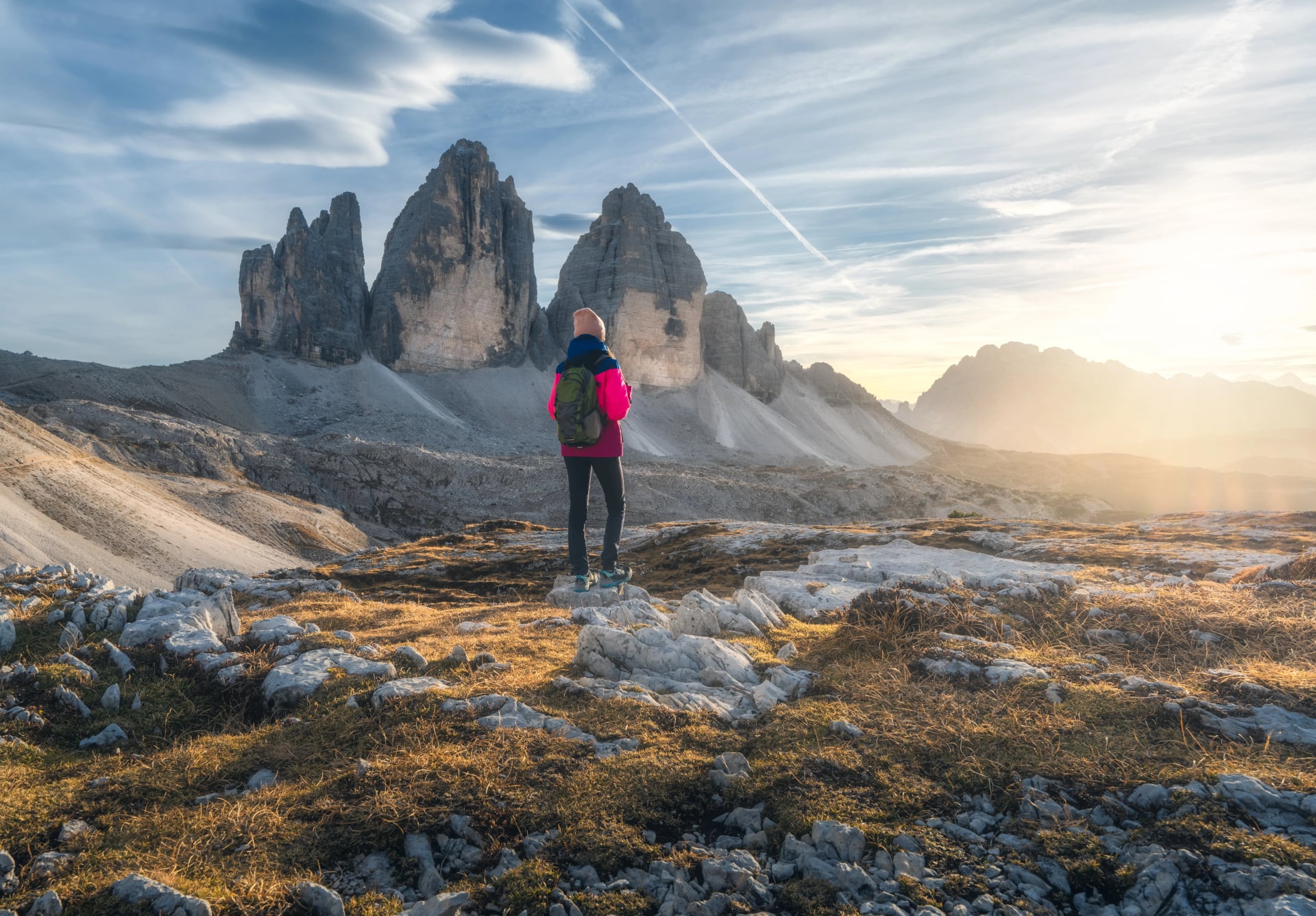
If you're thinking about visiting the Dolomites in October, here's what you need to know: focus on valley-level and inn-to-inn routes rather than high rifugio treks, expect autumn conditions that can shift toward winter at any point, and plan for the first two weeks — not the last. For hikers willing to embrace the season's edges, October delivers the most visually striking version of the Dolomites most people never see.
Temperature ranges: Valleys (1,200–1,500 m) reach 8–15°C by day, dropping to 1–5°C at night with ground frost increasingly common. Above 2,000 m expect 2–8°C daytime and regular overnight freezing from the first week onward.
Weather patterns: October is genuinely variable — a stunning week of crystalline high pressure can give way to multi-day frontal systems bringing valley rain and snow above 1,800 m. Unlike September's reliability, October requires active monitoring and daily flexibility.
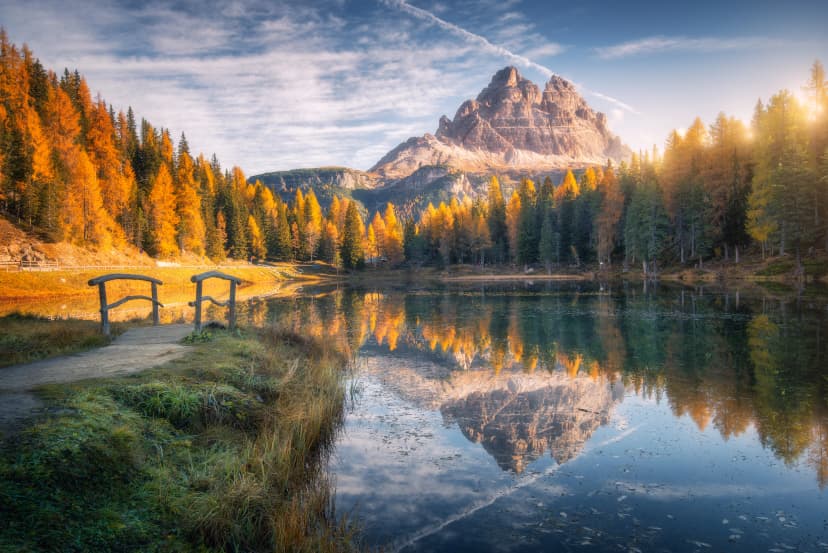
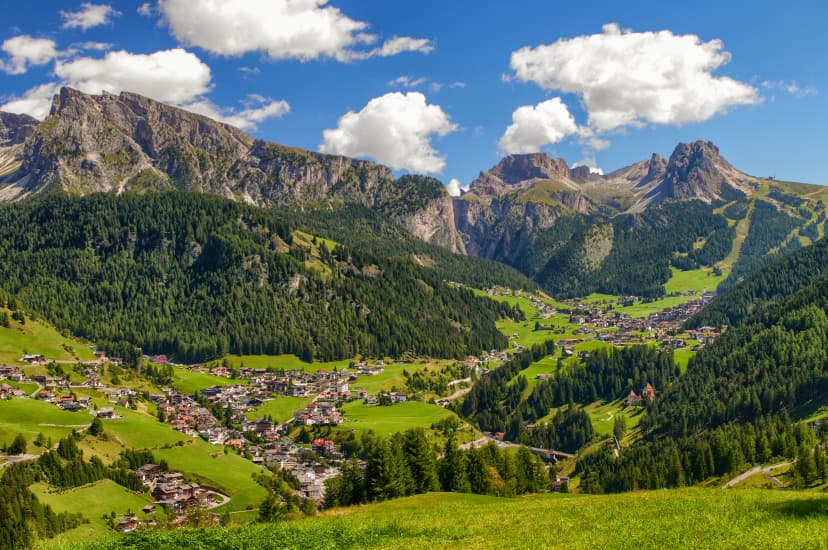
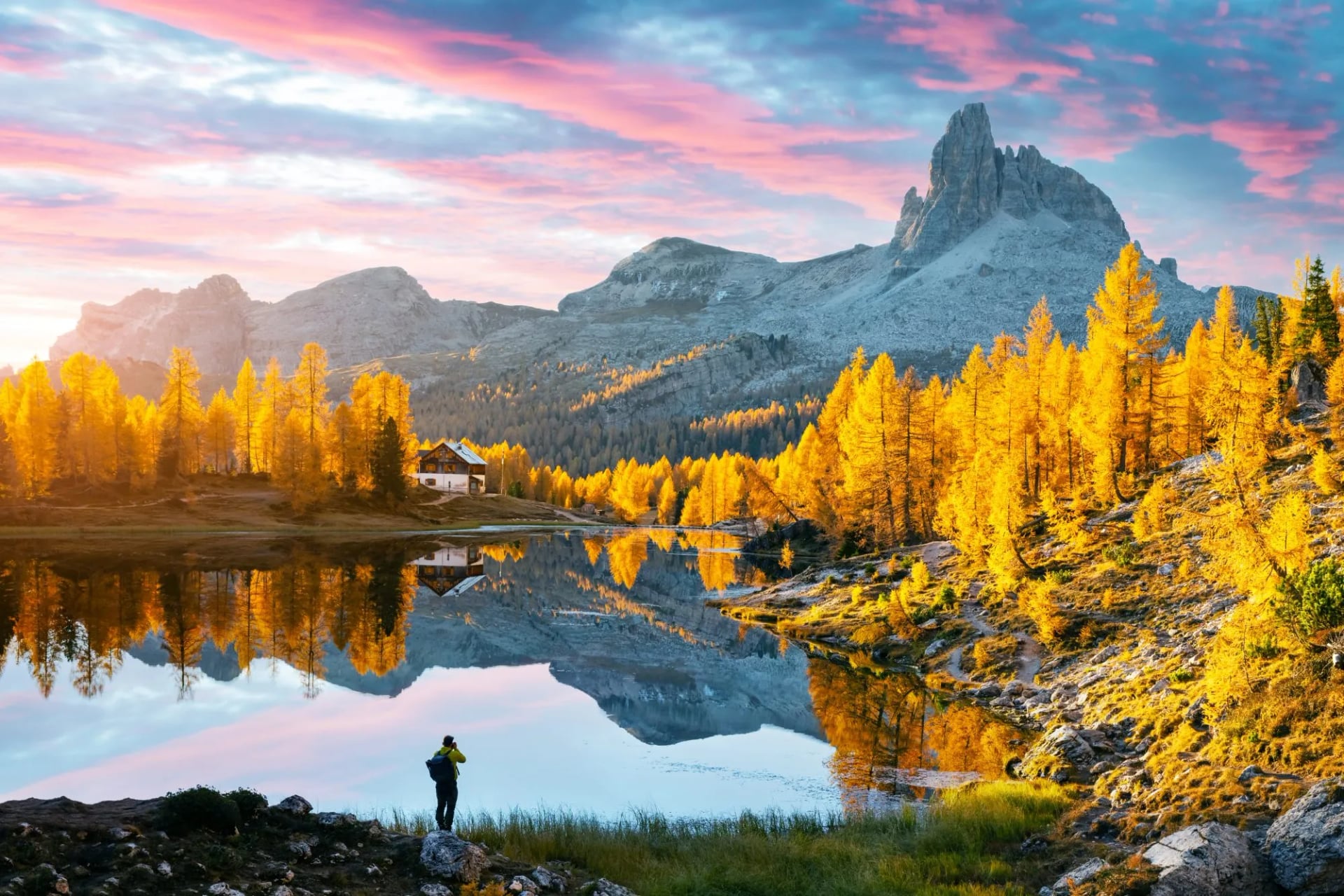
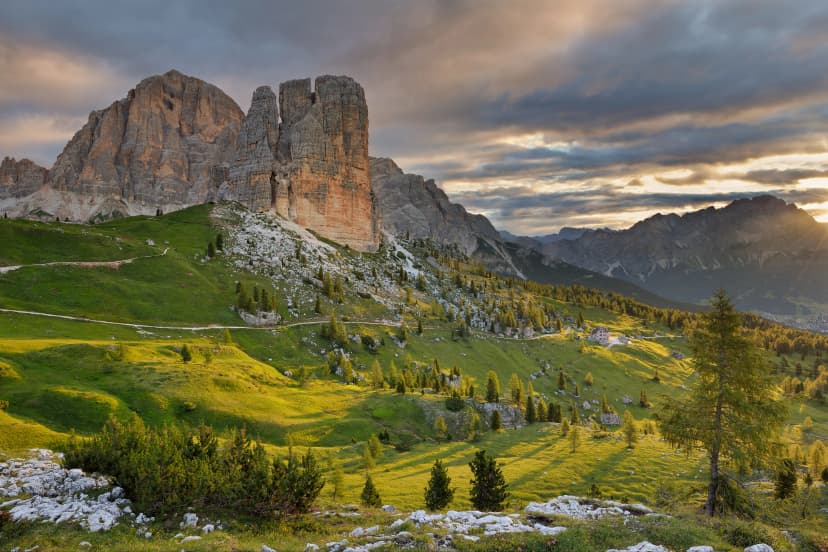
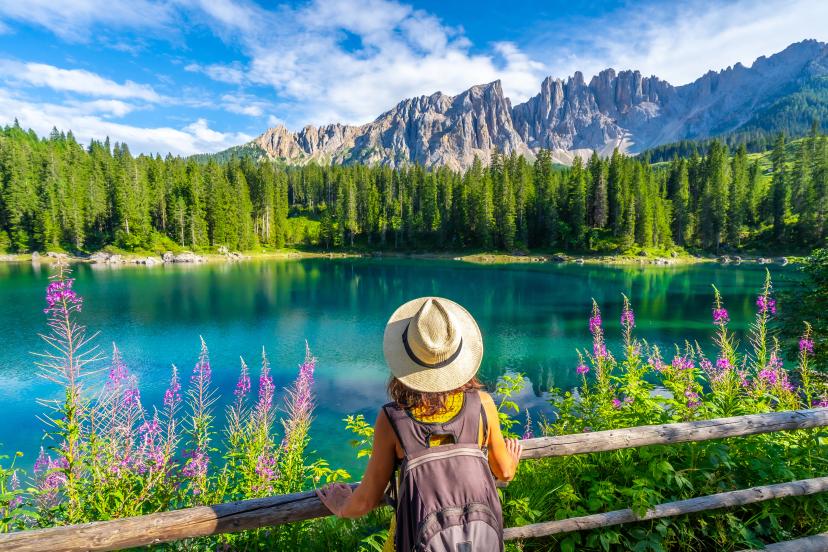
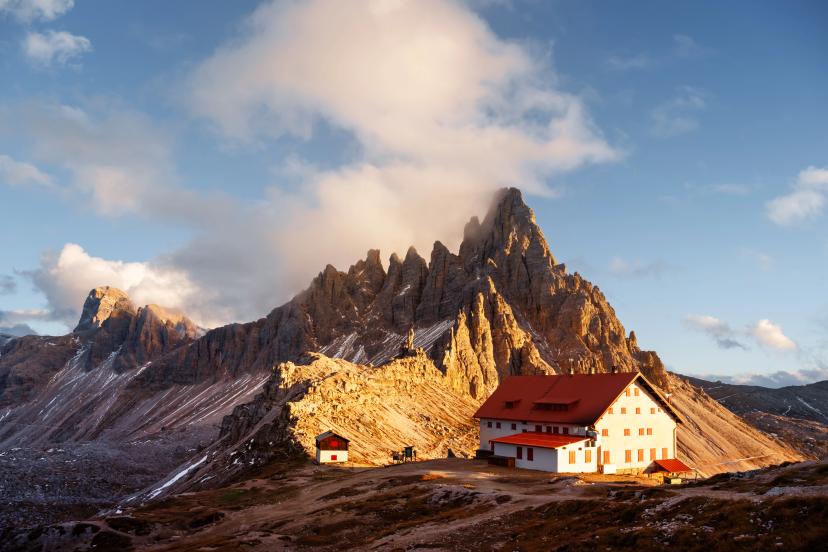
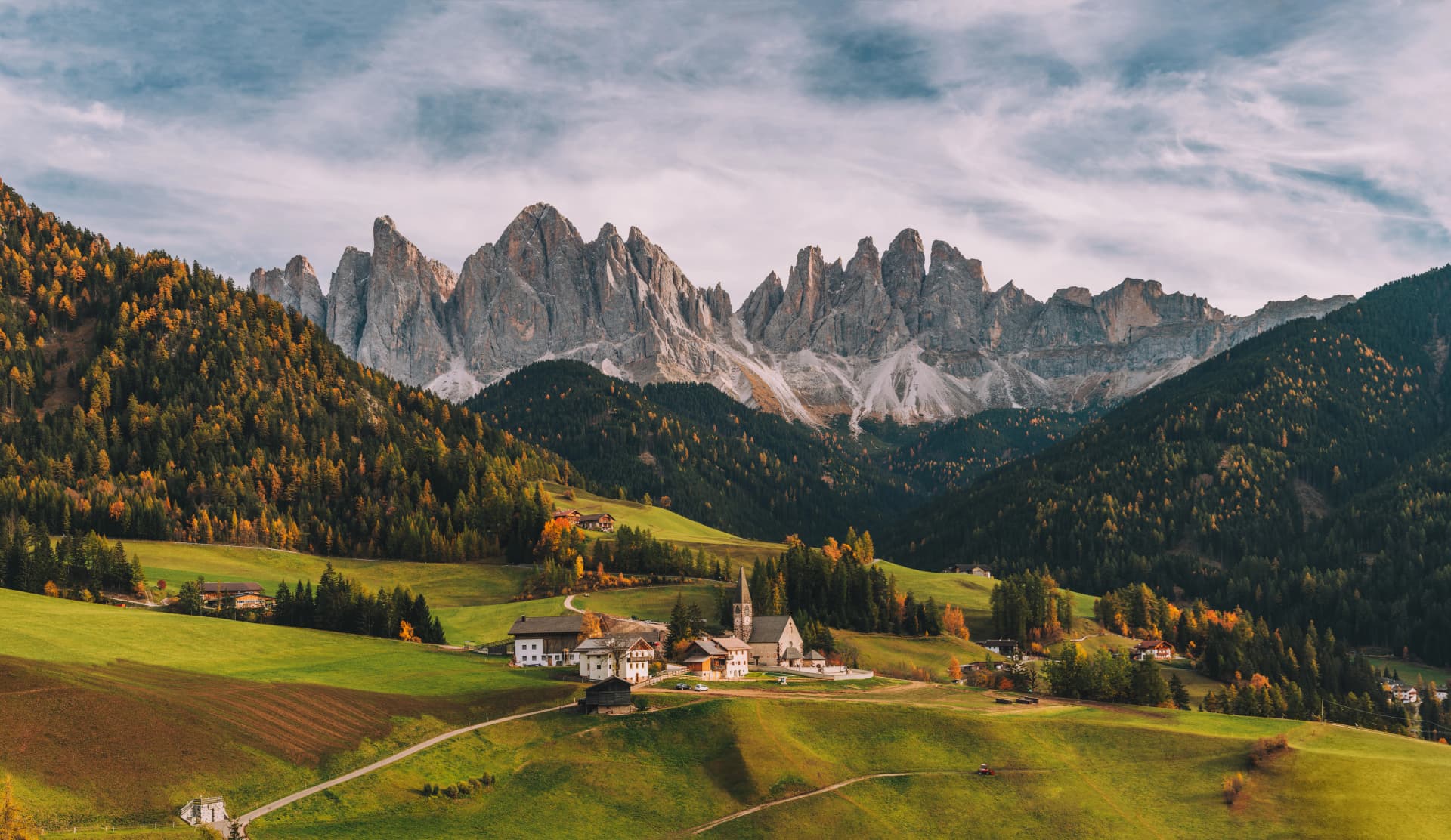
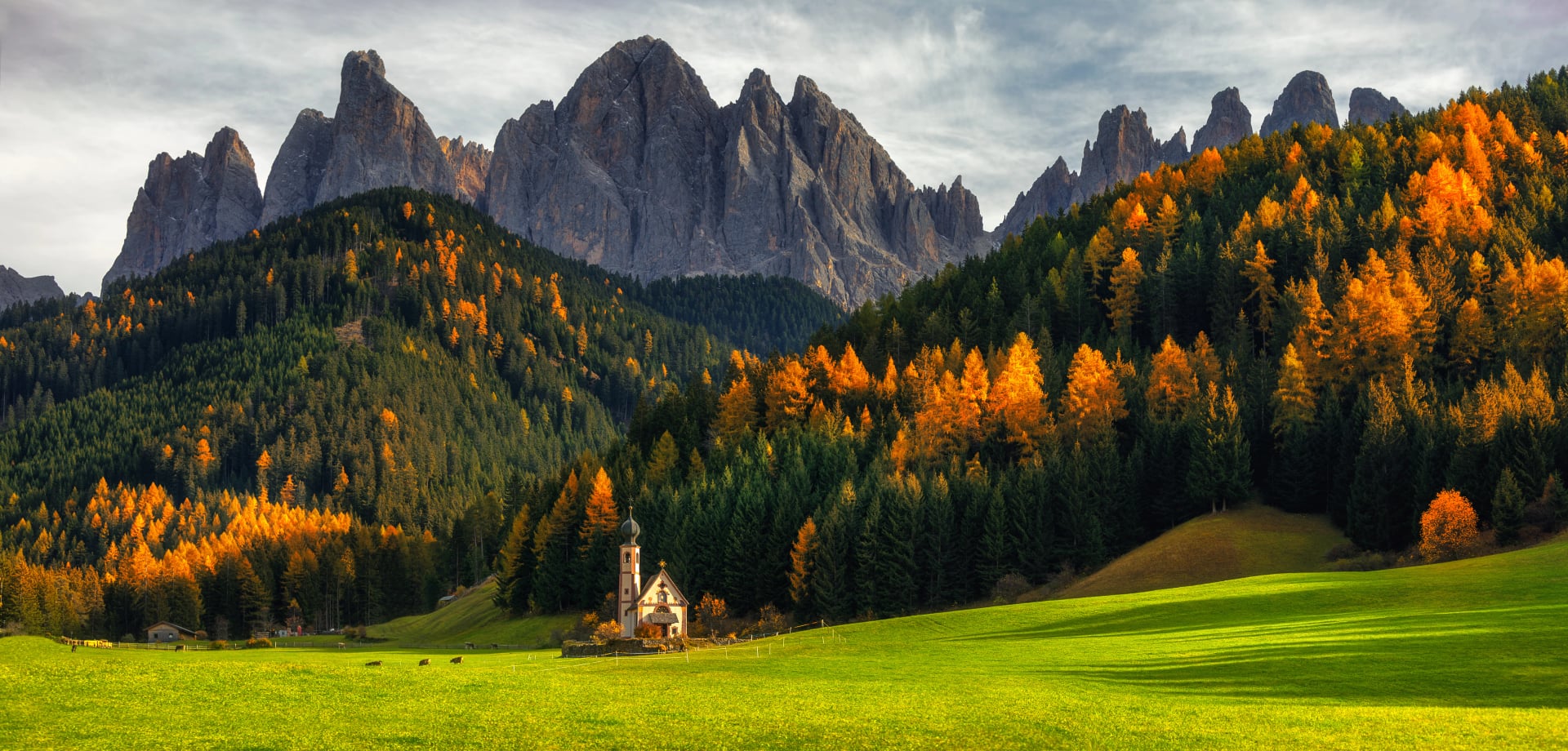
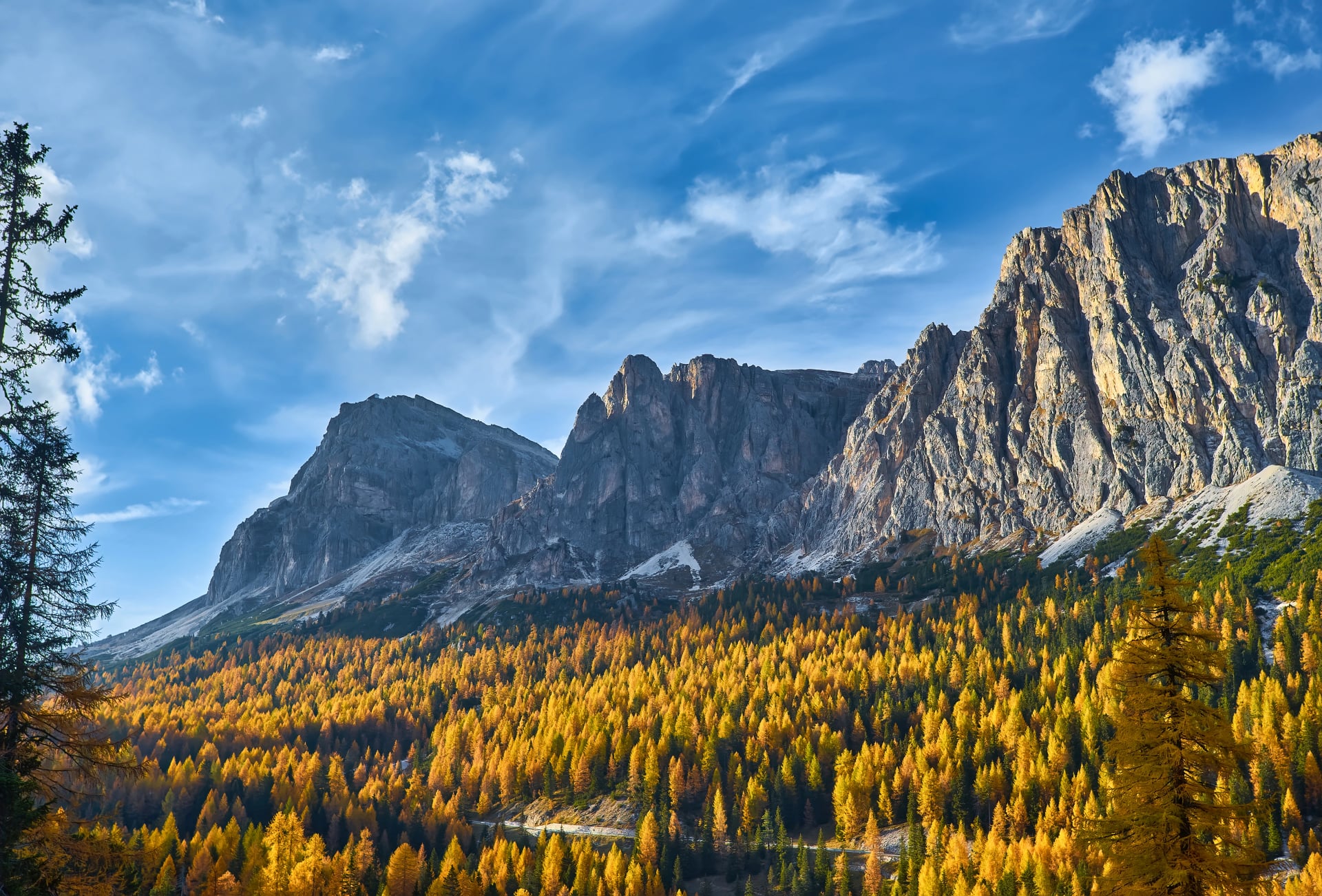
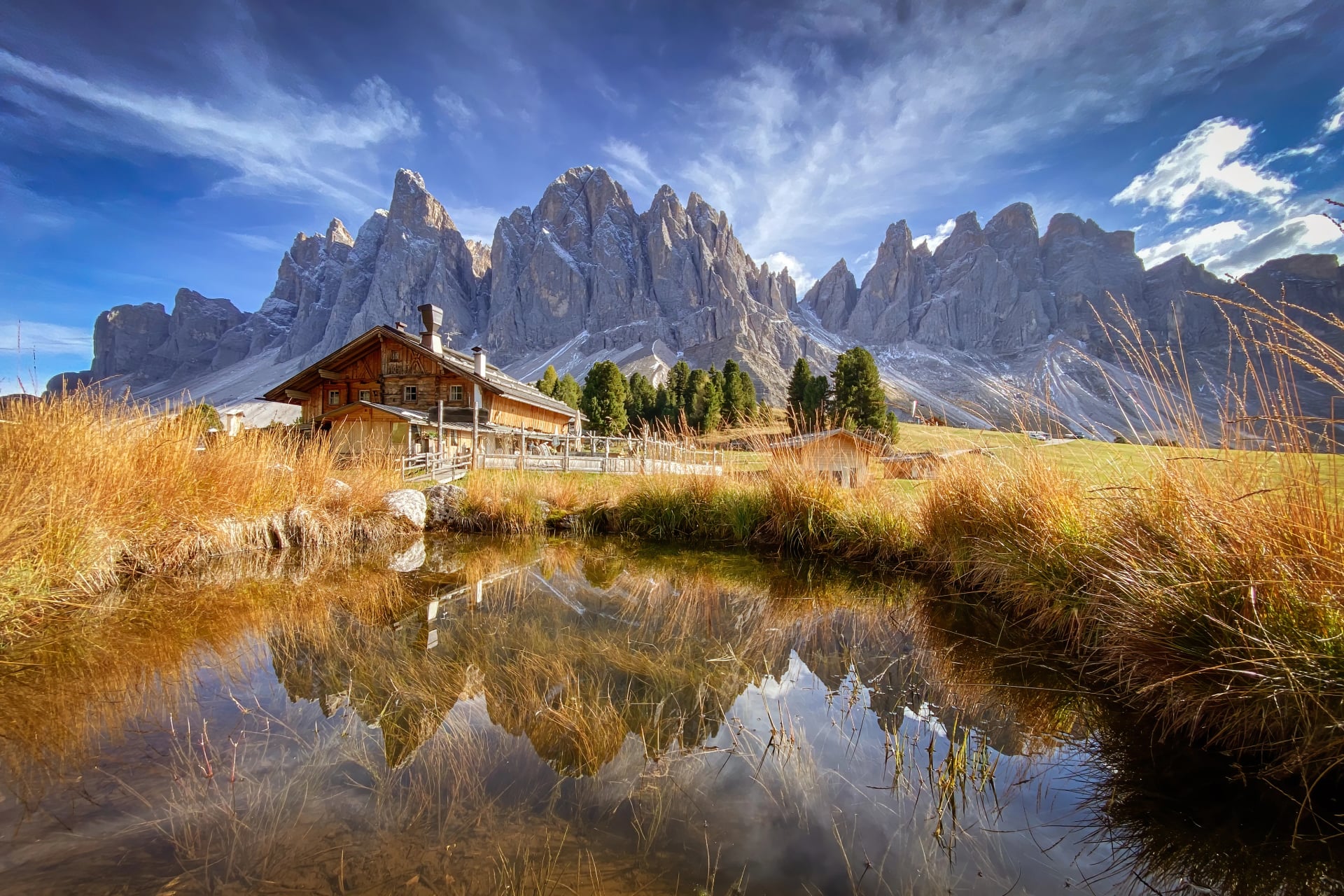
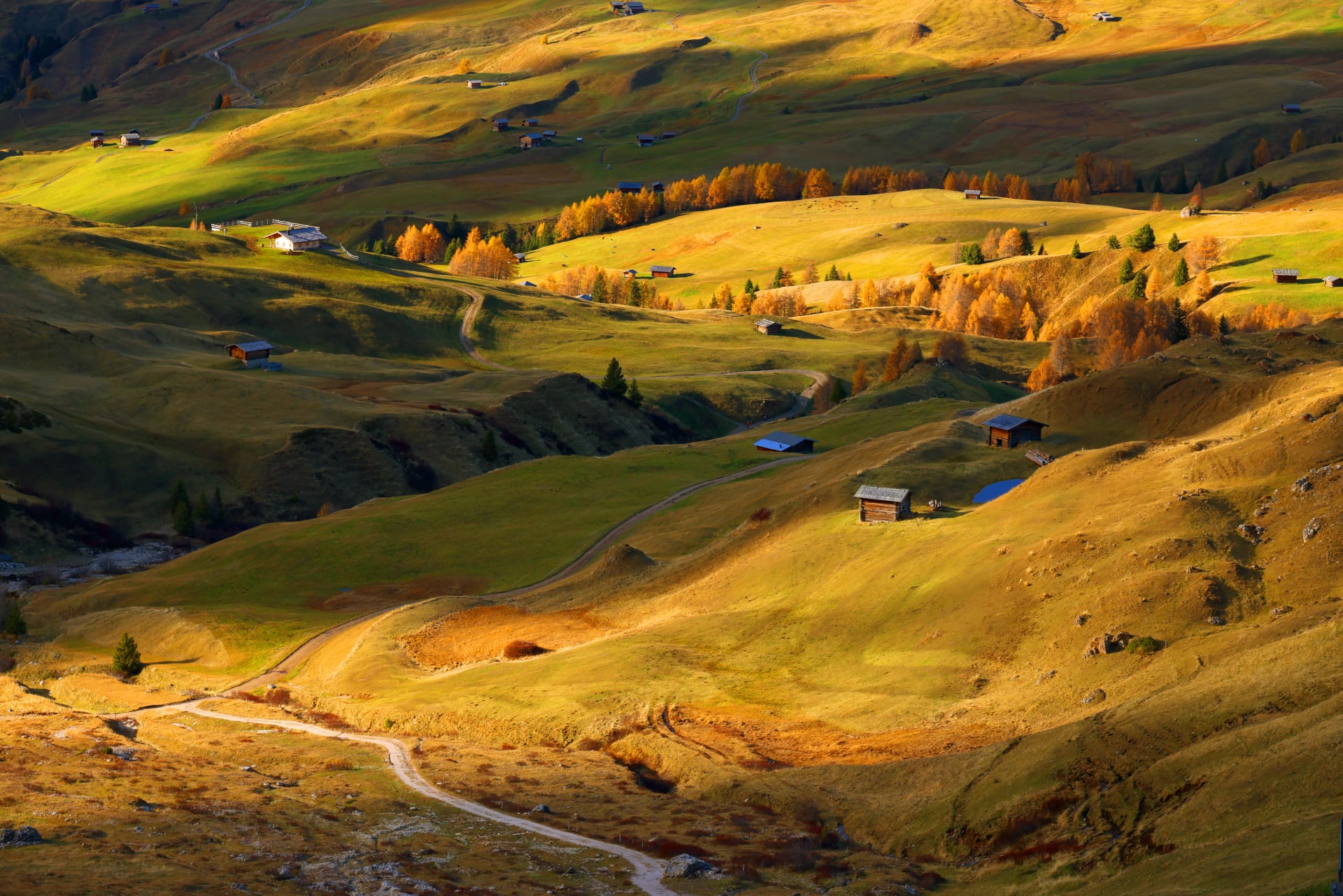
What you'll see: Peak larch season. Val di Funes, Lago di Braies, the Seiser Alm margins, and valleys south of Cortina typically reach full gold in the second and third weeks of October. Combined with fresh snow on the peaks, this creates the Dolomites' most photographed seasonal moment — golden needles against pale rock and white summits.
Daylight hours: Roughly 11.5 hours at month's start, under 10 by month's end. Long stages become impractical. The sun drops behind ridgelines earlier than the clock suggests in deep valleys — carry a headlamp from day one.
The reality: The first two weeks (October 1–15) are the viable hiking window for most people — larch colour, clear days between systems, enough valley infrastructure to build an itinerary. The second half belongs to experienced mountain travellers comfortable with uncertainty, cold, and limited services.
Where to Stay in October?
Rifugio Status
The vast majority of mountain rifugios close between late September and mid-October. A handful of lower-altitude or road-accessible rifugios may remain open into the third week of October, but these are exceptions. By October 15–20, traditional hut-to-hut trekking is effectively over for the season. Some rifugios leave basic winter rooms unlocked — unheated, unstaffed, and intended for emergency use, not planned overnights.
However, valley-level accommodations — guesthouses, hotels, mountain inns — remain fully open throughout October and beyond. This makes inn-to-inn hiking the practical format for the month.
For complete details on rifugio seasons and booking, see our complete rifugios guide.
Trail Accessibility Breakdown
Accessible (Early–Mid October)
Valley trails and mid-elevation routes (1,200–2,200 m) remain snow-free through the first two weeks in most years
Plateau routes like Seiser Alm and valley circuits around Cortina are fully walkable
Day hikes to rifugio level are possible even if the rifugio itself is closed — pack your own food and water
Cable cars in major areas (Seceda, Seiser Alm) typically operate into mid-October on reduced schedules
Closing or Closed (Mid–Late October)
Most mountain rifugios closed — no meals, no beds, no staffed services at altitude
Cable cars and chairlifts transition to winter closure between mid-October and early November, with exact dates varying by operator
Some high passes may receive snow that lingers rather than melting within a day
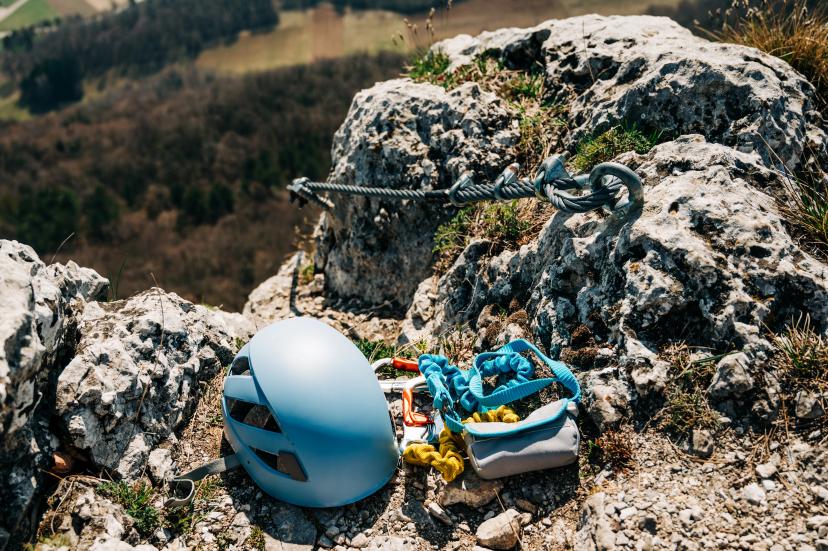
Via ferrata routes become hazardous as ice forms on metal rungs and cables overnight
Not Recommended (Late October)
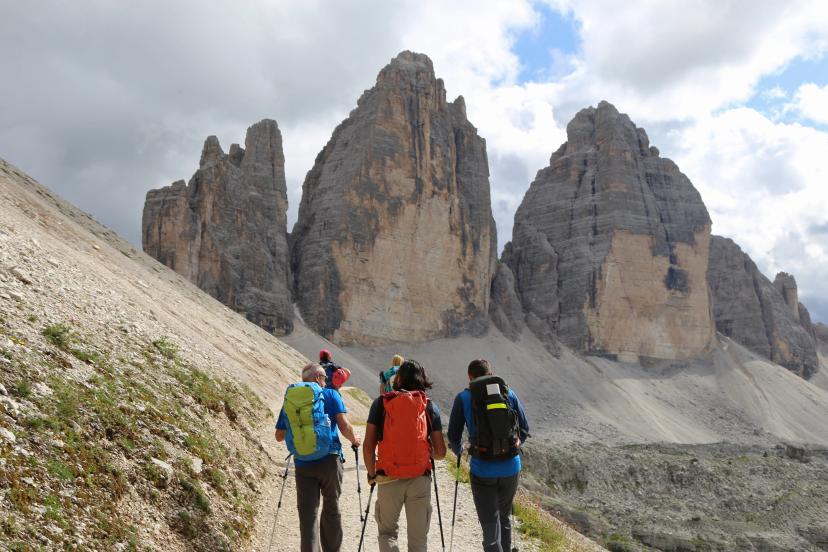
High-altitude traverses like Alta Via 1 and Alta Via 2 — rifugios closed, potential snow at trail elevation, short days, no rescue infrastructure in place
Exposed ridgeline routes — ice and early snow make footing unpredictable
Any route requiring rifugio accommodation — the infrastructure simply isn't available
Snow Conditions
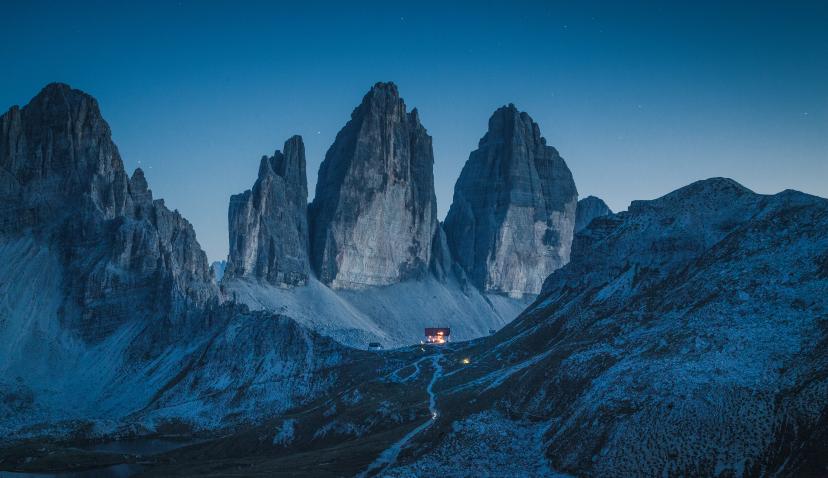
October snow can arrive at trail elevation (2,000–2,200 m) at any point, particularly in the second half of the month. Unlike September's cosmetic dustings on summits, October snowfall can accumulate and persist, especially on north-facing slopes. Monitor forecasts daily.
Bottom Line
Early October (October 1–15) offers extraordinary hiking — larch forests at peak gold, sharp visibility, empty trails — if you use valley-level accommodation and keep to lower and mid-elevation routes. Late October is for those comfortable with genuine uncertainty and winter-capable gear. Don't plan a rifugio-based trek in October.
For real-time forecasts specific to the Dolomites, Meteotrentino provides the most accurate local mountain data, while Mountain-Forecast.com offers free elevation-specific forecasts for individual Dolomite peaks — useful for planning whether a high day-hike is feasible on a given morning.
Best Tours
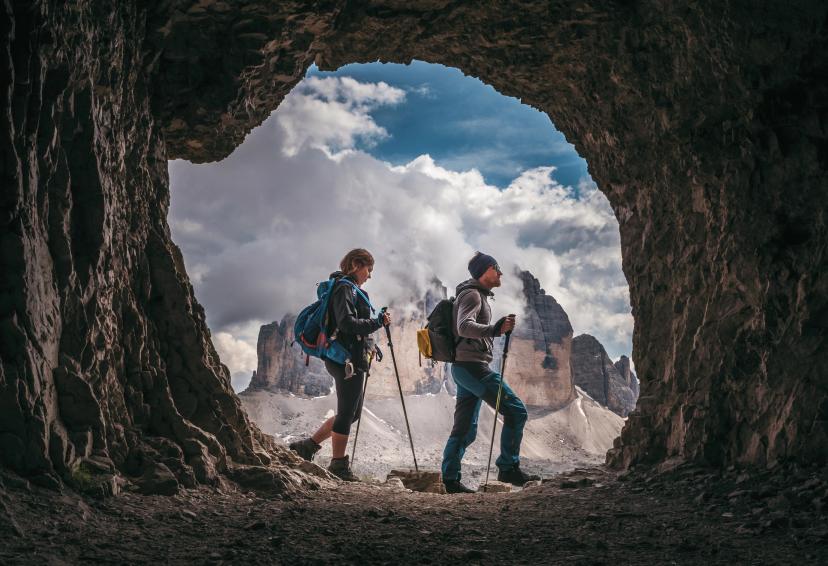
While high-altitude rifugio treks are no longer possible, several inn-to-inn and valley-based tours work beautifully in early-to-mid October. These routes use comfortable guesthouse and hotel accommodation, stay at accessible elevations, and showcase the autumn landscape at its absolute peak.
1. Dolomites Inn-to-Inn Hiking Tour
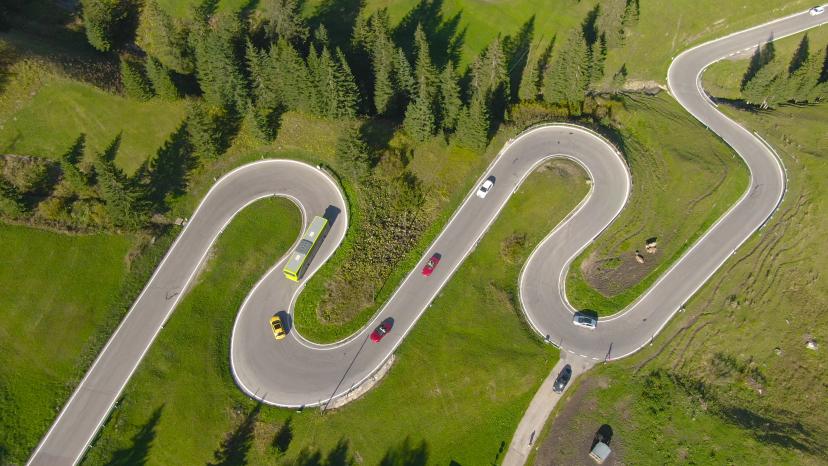
The ideal October format — valley-level trails between 1,200–1,600 m with comfortable guesthouse accommodation that operates year-round. No reliance on rifugios, no high passes, and no altitude constraints. What you get instead is the Dolomites' autumn landscape at its most vivid: golden larches lining every valley, fresh snow on the towers above, and trails so quiet you'll hear your own breathing.
The route explores classic Dolomite valleys — Seiser Alm plateau edges, Val Gardena, and surrounding areas — staying below the snowline while delivering spectacular mountain views. Daily stages range from 4–6 hours of hiking, and you'll stay in family-run guesthouses and small hotels with hot showers, real beds, and excellent South Tyrolean food and wine.
Duration: 7 days
Technical: 3/5
Fitness: 3/5
Why it works in October: No rifugio dependency, valley accommodations open year-round, peak larch colour, flexible routing if weather turns challenging
Highlights on the way:
2. Alpe di Siusi Inn to Inn Hiking
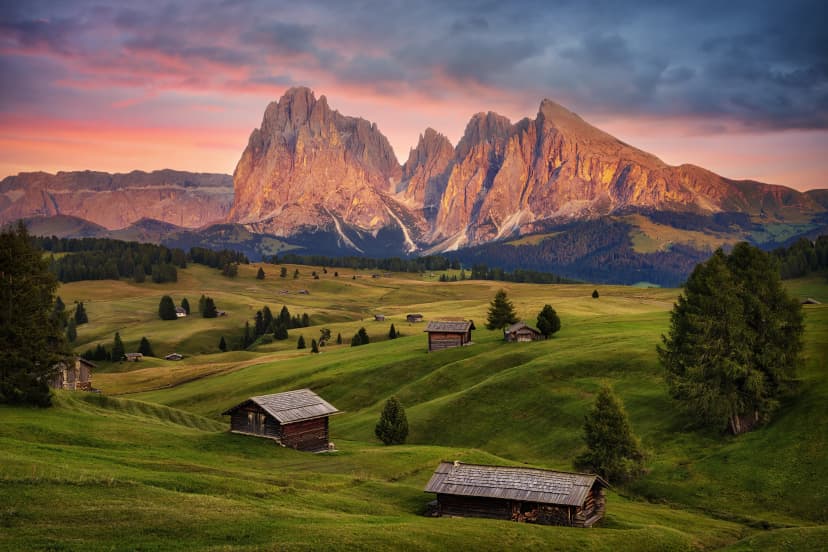
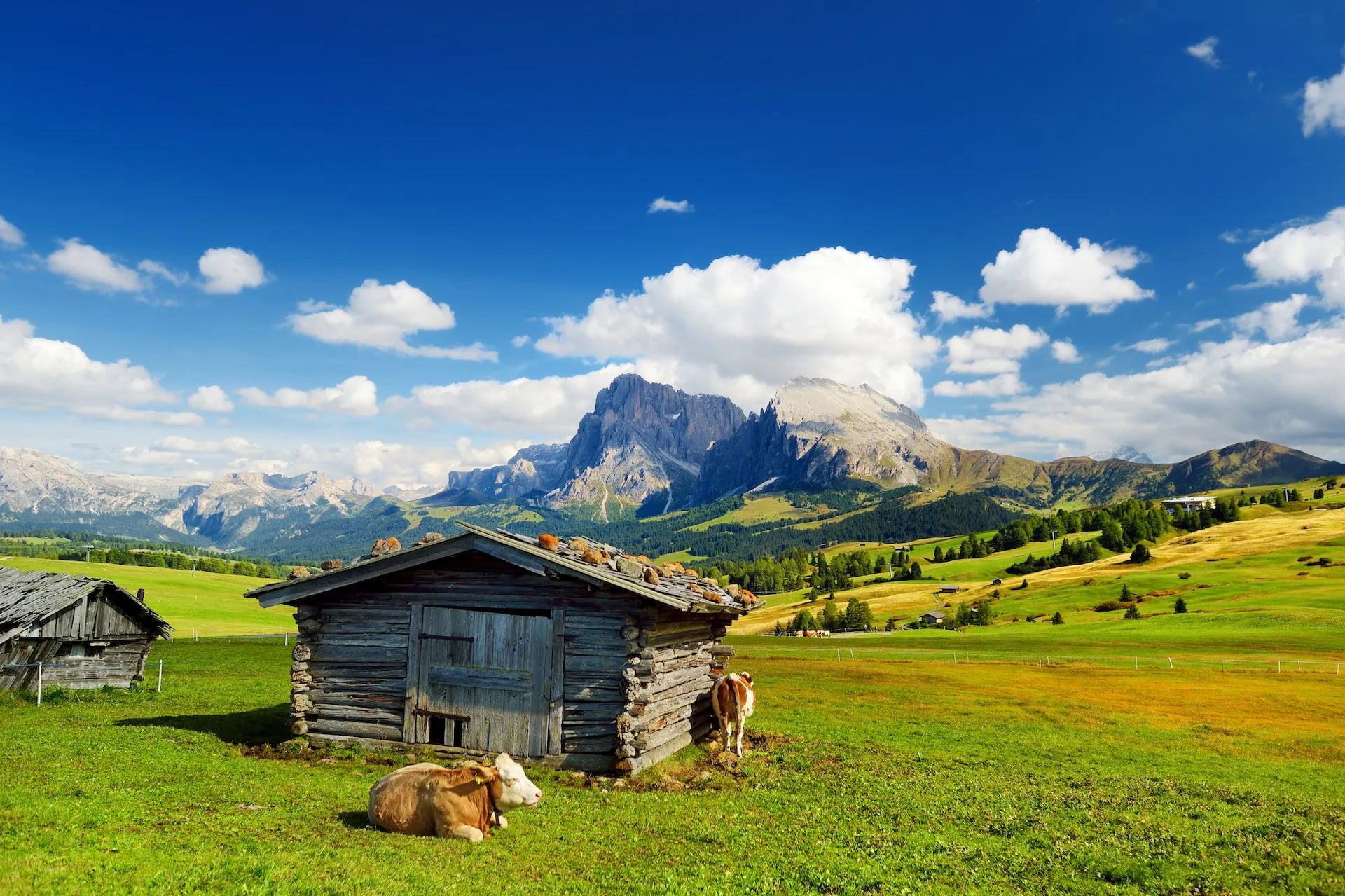
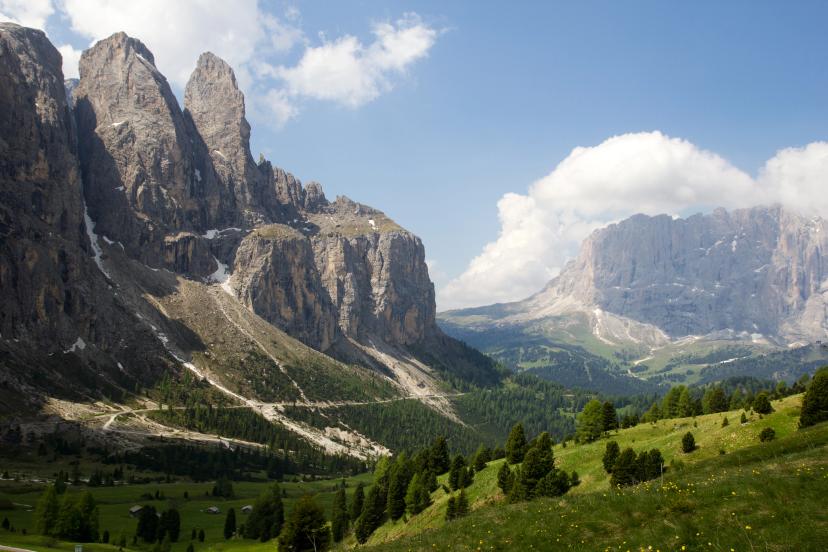
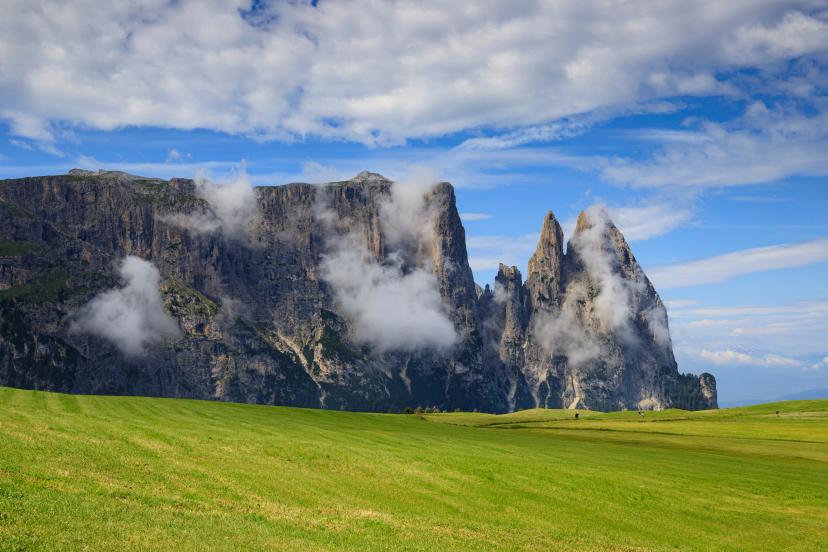
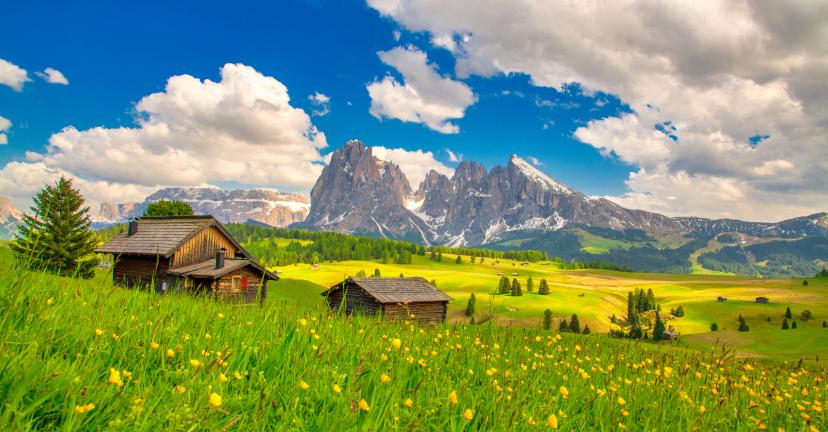
Europe's largest high-alpine meadow at approximately 1,800 m trades its summer green for golden grasses in October — a vast, open plateau ringed by dolomite towers dusted with early snow. The Sassolungo, Sella, and Sciliar massifs rise dramatically from the meadow edges, and the low autumn sun creates long shadows and warm tones across the landscape from mid-afternoon onward.
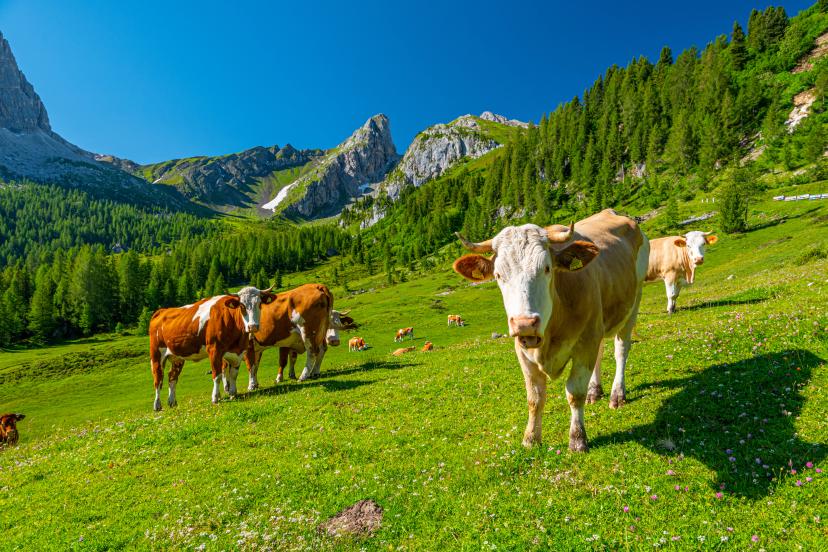
This tour focuses on gentle, rolling plateau terrain with daily stages of 4–6 hours. You'll stay in traditional mountain inns and guesthouses around the plateau perimeter. October on the Seiser Alm is profoundly quiet — the summer crowds and even September's moderate traffic have gone, leaving the plateau to hikers, farmers bringing cattle down for winter, and the wind.
Duration: 7 days
Technical: 2/5
Fitness: 2/5
Why it works in October: Plateau elevation (1,800 m) clears snow faster than steep terrain, gentle gradients avoid icy hazards, inn-based accommodation unaffected by rifugio closures, peak autumn atmosphere
Highlights you can experience:
3. Cortina d'Ampezzo Hiking Tour
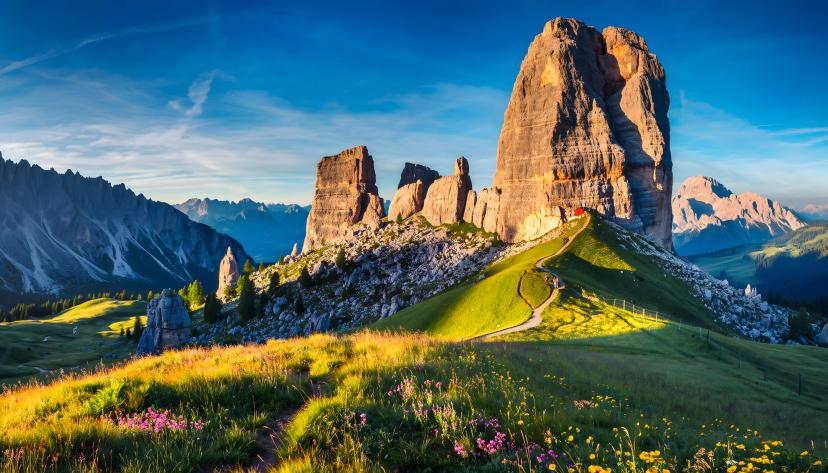
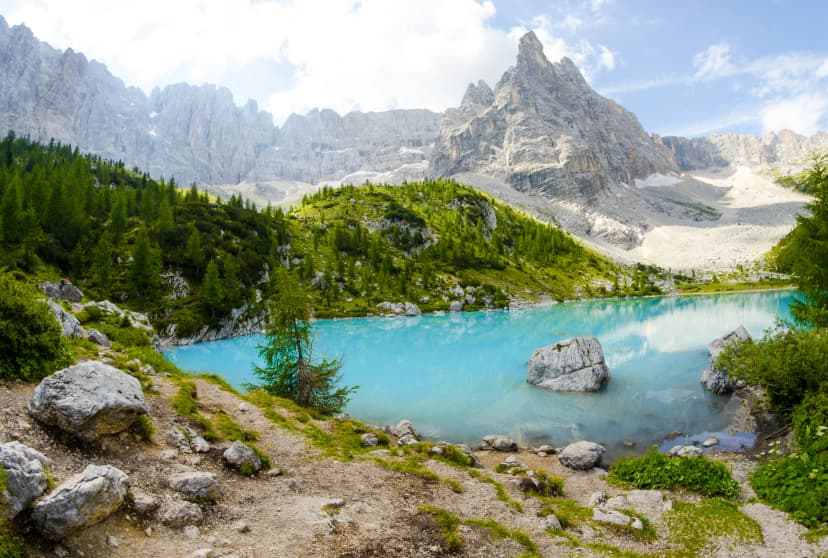
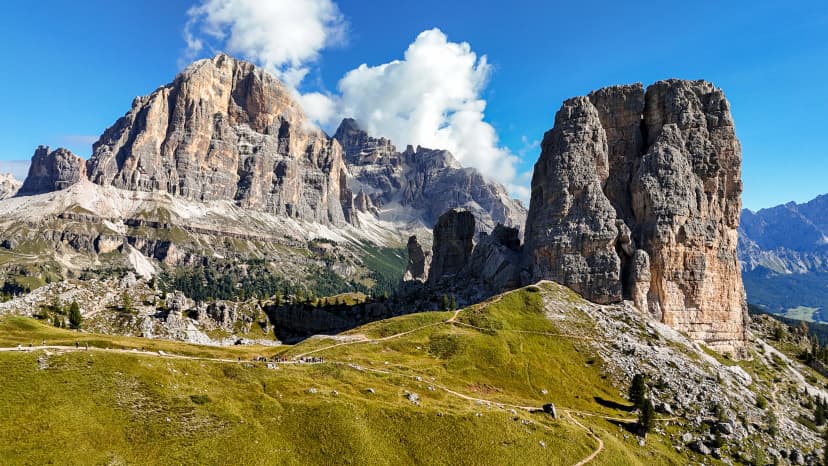
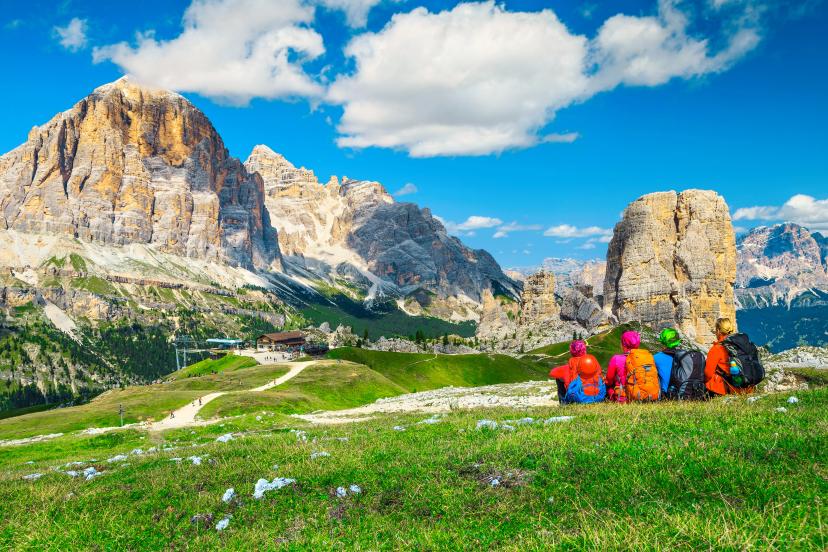
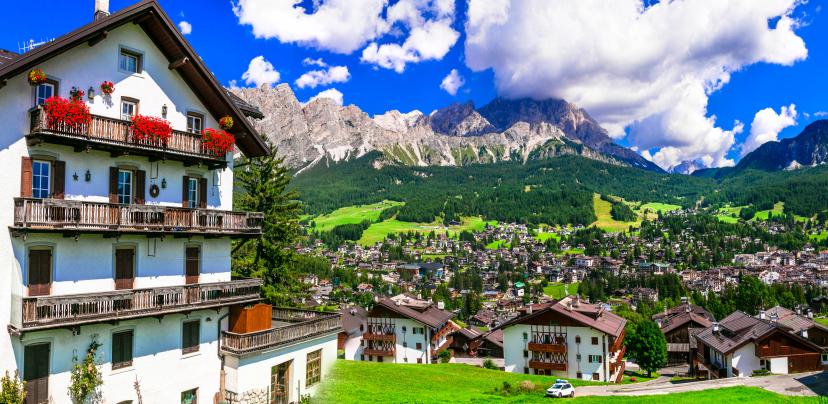
Cortina — the "Queen of the Dolomites" — functions as a year-round resort town with full hotel infrastructure, making it an ideal base for October hiking when rifugios have closed. Day hikes radiate in every direction from town: toward Cinque Torri, around Lago di Sorapis, through the Fanes plateau edges, and up to accessible viewpoints beneath Tofana di Mezzo and Cristallo.
October in Cortina is about flexibility — choosing the best hike each morning based on weather, using the town's hotels and restaurants as a warm, comfortable base, and letting the day's conditions guide the route rather than a fixed itinerary.
Duration: 5 days
Technical: 3/5
Fitness: 3/5
Why it works in October: Town-based format eliminates rifugio dependency entirely, full services year-round, flexible day-hike structure adapts to variable weather, larch forests in the surrounding valleys at peak colour
Highlights on the way:
Important note: October conditions are inherently variable. We actively monitor weather and trail conditions and adjust itineraries as needed — rerouting stages to lower elevations, swapping days to catch weather windows, or building in flexible rest days when storms move through. If you're booking for October, flexible dates improve the experience significantly.
What to Pack?
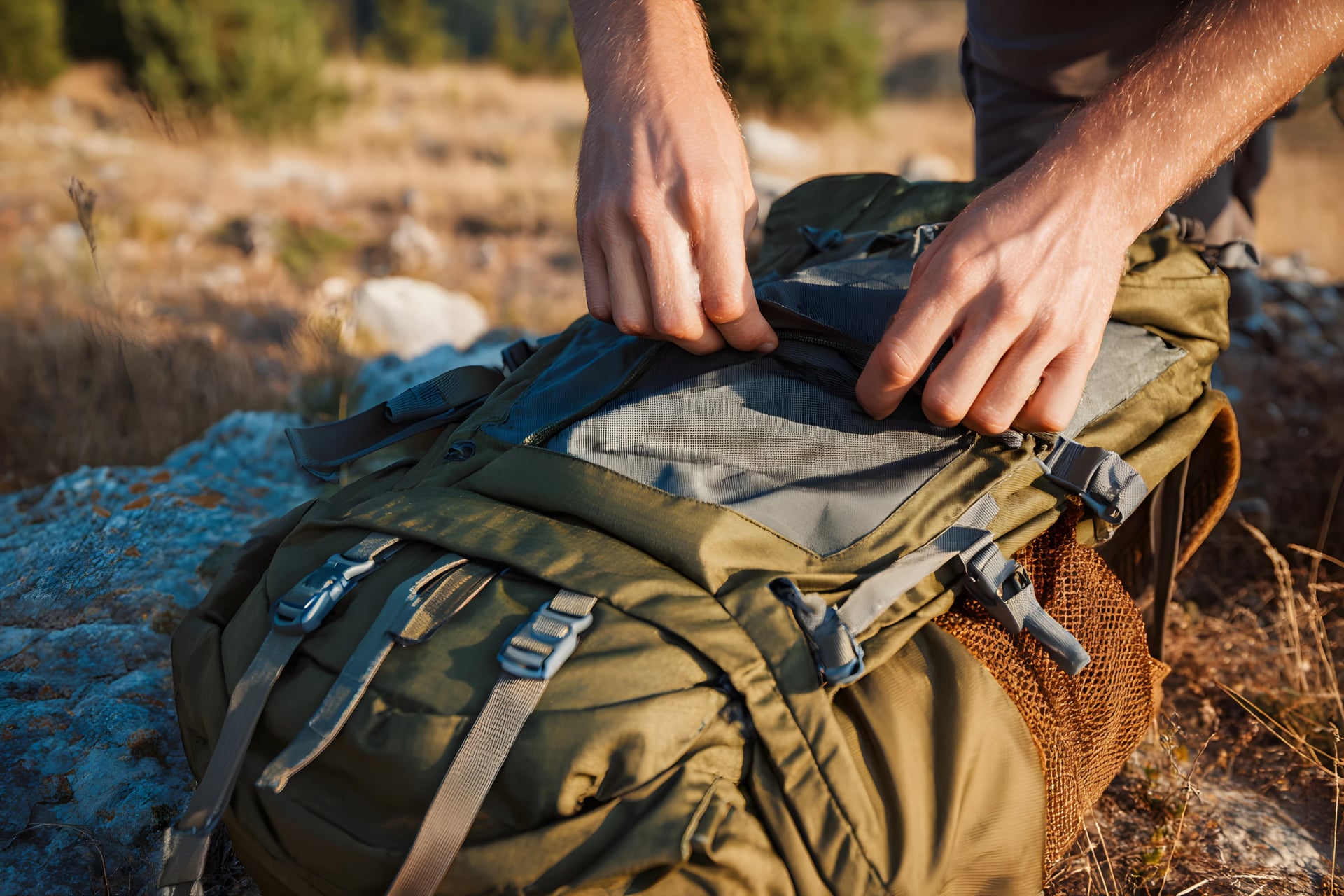
October requires full autumn mountain gear with winter backup layers — this is the month where the season can change overnight from crisp autumn to genuine early winter.
Essential Clothing Layers
Warm insulating layers — both fleece AND down jacket (you'll wear the down jacket at breakfast, on stops, and all evening; fleece for active hiking; both together on cold mornings)
Waterproof, breathable rain jacket and rain pants (October rain can be cold and prolonged — not summer's quick afternoon bursts)
Warm base layers — merino wool strongly recommended for its warmth-when-damp properties across multi-day use
Long hiking pants as default — shorts stay home in October
Warm hat, proper gloves, and a neck gaiter or buff (non-negotiable — mornings at any elevation above 1,500 m will be cold, and wind on exposed plateau terrain compounds the chill)
Sun hat for midday (the autumn sun is still strong enough to burn at altitude)
Footwear
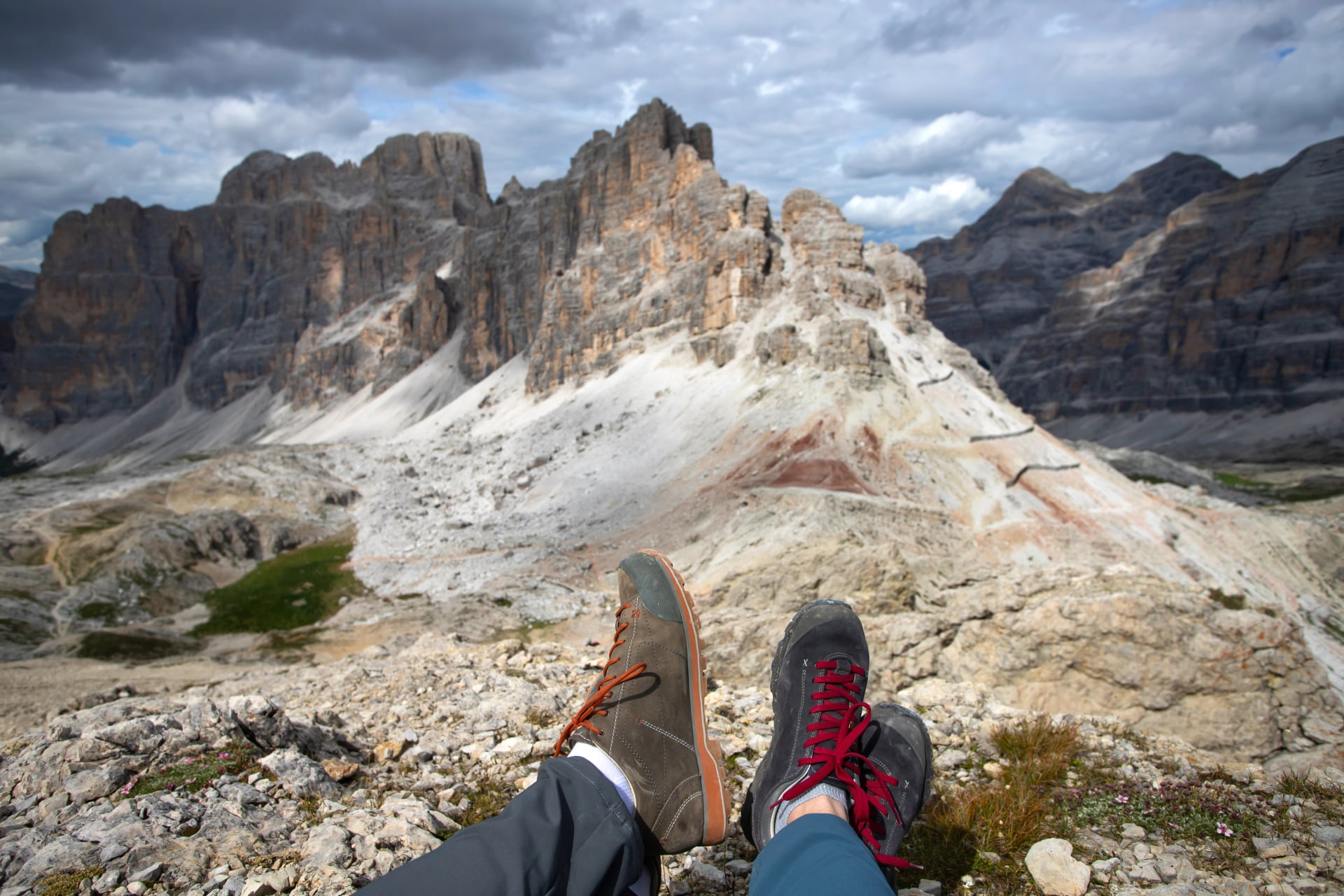
Sturdy, waterproof hiking boots with good ankle support (trails can be muddy from rain, and early frost creates slippery surfaces on shaded sections)
Comfortable warm shoes or slippers for inn evenings
Gaiters optional but useful if hiking through wet grass or light snow on higher day-hikes
Gear
Headlamp with extra batteries (critical — sunrise is after 7:15 AM by mid-October, and sunset before 6:30 PM; you will hike in low light)
Trekking poles (recommended for muddy or frosty terrain)
Sunglasses and high-SPF sunscreen (autumn UV at altitude is still significant, and snow reflection on peaks amplifies it)
Thermos for hot drinks (a luxury that earns its weight on cold October mornings — fill at breakfast, drink on the trail)
Camera with extra batteries (golden larch forests + snow-dusted peaks = the best photography conditions of the year, but cold drains batteries fast)
What to Leave Behind
Summer-weight clothing (you will be cold)
Expectations of warm evenings outdoors (October evenings are for indoors, wine, and South Tyrolean food by the fire)
Microspikes (not needed for the valley and mid-elevation routes recommended in October; if conditions require them, the route is probably too high)
For complete packing guidance, including specific gear recommendations and packing strategies, see our ultimate guide for hiking in the Dolomites.
Should You Visit the Dolomites in October?
Visit the Dolomites in October if:
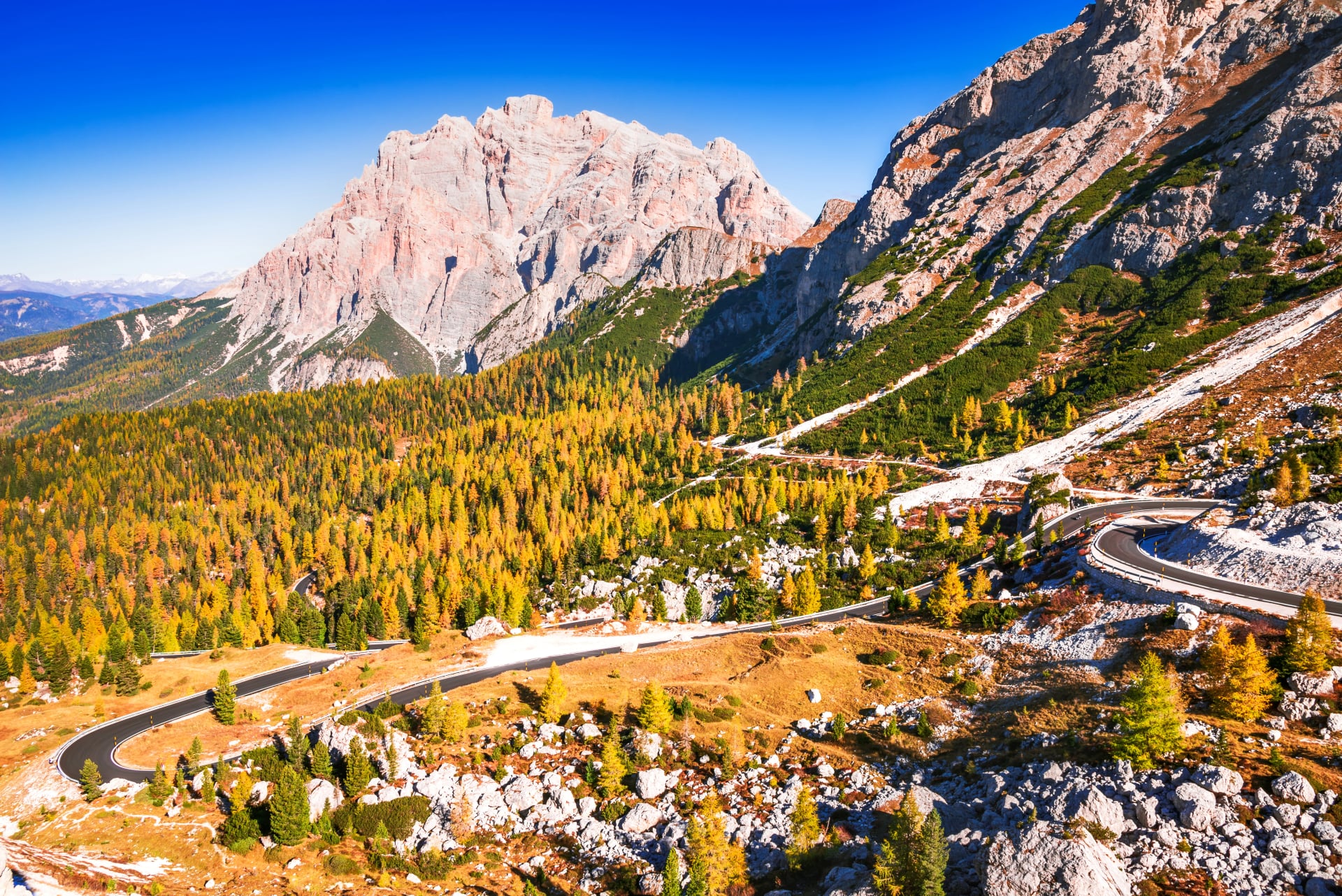
You want to see larch forests at peak gold — this is THE month for autumn colour in the Dolomites
You prefer near-total solitude on the trails over any social atmosphere
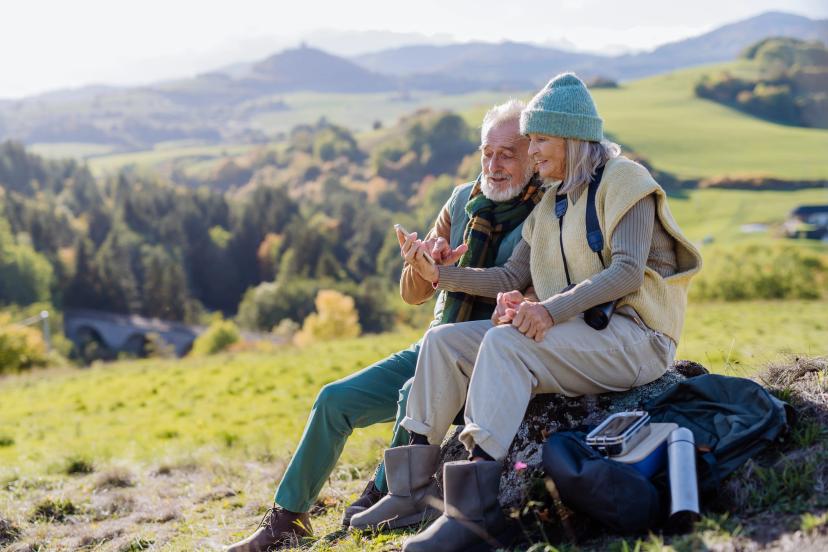
Inn-to-inn hiking and comfortable valley accommodation appeals to you more than rifugio dormitories
You have flexibility with weather and dates and won't be frustrated if a day or two is lost to storms
You appreciate dramatic contrasts — gold forest, grey rock, white summits, blue sky
You value lower accommodation costs (October rates are 20–40% below peak summer in most areas)
Skip October if:
You're set on classic Alta Via routes or high-altitude rifugio-to-rifugio treks — these are not possible
You need predictable weather and guaranteed trail access every day
You want long daylight hours for extended stages (you have 2–5 fewer hours than July)
You're uncomfortable with cold mornings, short days, and the possibility of snow at mid-elevation
You're not prepared to adjust plans on the move if conditions change
Our recommendation:
The first two weeks of October (October 1–15) deliver the Dolomites' most beautiful seasonal landscape — if you approach them with the right format and expectations. Use valley-based accommodation, keep to lower and mid-elevation trails, stay flexible with weather, and you'll experience golden larch forests, snow-capped peaks, and an atmosphere of solitude and clarity that peak season cannot offer.
For comprehensive guidance on timing your trip and comparing all months side by side, see our complete list of guides on each month of the season: May, June, July, August, and September.
Catch the Season's Final Act
Don't try to replicate a summer itinerary in October. Instead, let the season guide you — it will reward you for it.
October in the Dolomites is not an easy month — it asks for flexibility, warm layers, and realistic expectations about what's open and what isn't. But what it gives back is something no other month can: the most visually dramatic version of these mountains, experienced in near-solitude, at a pace dictated by the landscape rather than a crowded trail schedule.
Ready to start planning? Browse our full selection of Dolomites hiking tours or send us an inquiry with your preferred dates and we'll come back to you within a few hours.

About this author
Ajda is our travel advisor, raised in a village surrounded by mountain peaks. Hiking entered her life early on and remains her favorite way to reconnect with nature.